Dog Ear Infection: Symptoms, Treatment & Prevention Guide
I’ve seen it hundreds of times in my years as a vet tech. A dog comes in, head tilted, constantly pawing at one ear. The owner looks worried, saying it just started a few days ago. But when we look inside, it’s a full-blown, messy, often smelly infection that’s probably been brewing for weeks. That’s the tricky thing about dog ear infections—by the time the scratching is constant, the problem is already deep. If your dog is shaking its head more than usual or you catch a whiff of something funky from their ears, don’t wait. Let’s talk about what’s really going on and, more importantly, how to fix it for good.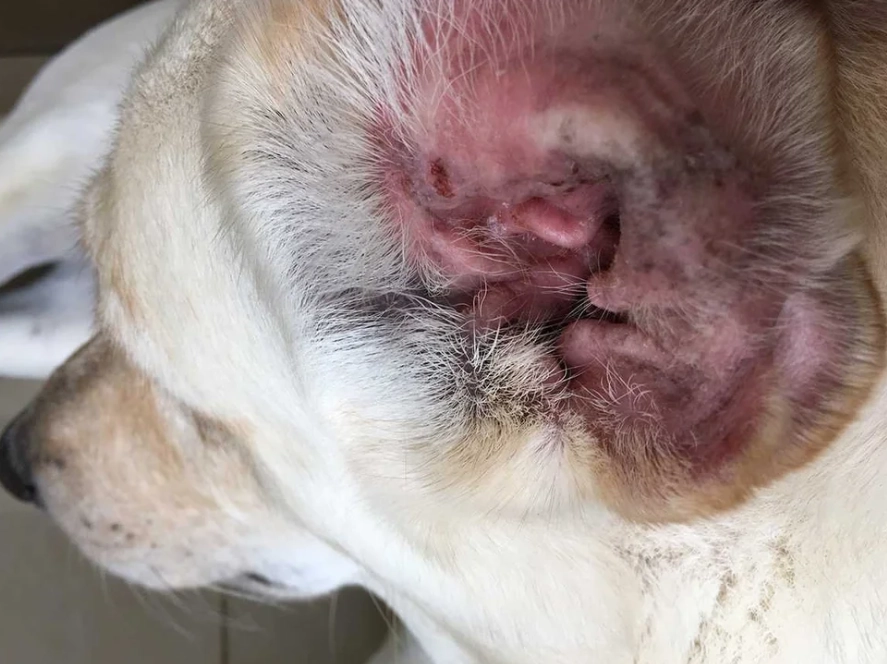
Quick Guide: What You'll Learn
How to Spot a Dog Ear Infection (It's Not Just Scratching)
Most people think ear infections are all about scratching. That’s a big sign, sure, but it’s a late-stage one. Your dog is trying to tell you something’s wrong long before the frantic pawing starts. Pay attention to the subtler hints first.
Head shaking is often the earliest clue. Not the happy, post-bath shake. I mean a single, forceful flick of the head, like they’re trying to dislodge something. You might see them rubbing their head along the couch or carpet, too.
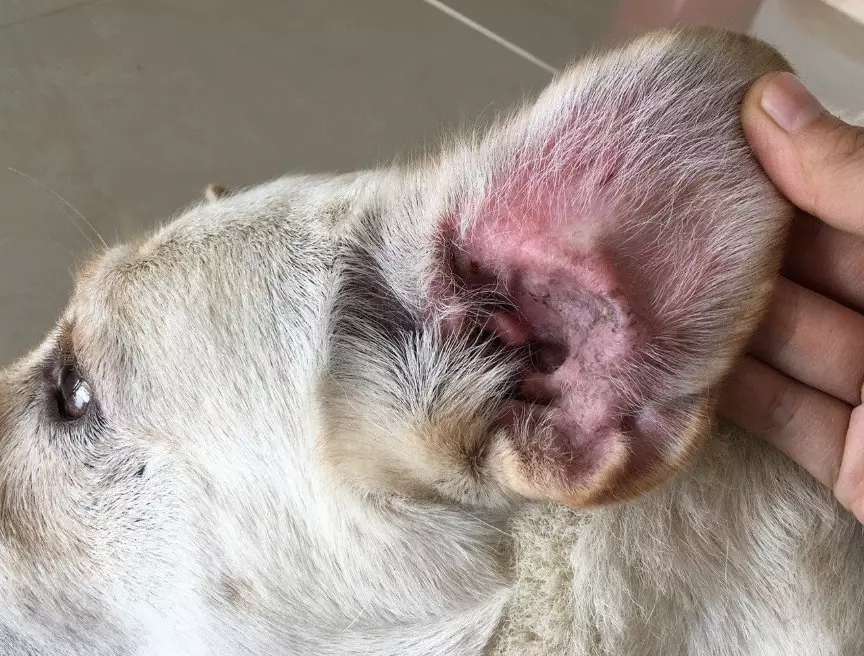
Then come the visual and olfactory cues. A healthy dog ear is pale pink, has minimal wax (light brown or honey-colored), and smells like, well, nothing much. An infected ear tells a different story. Look for redness, swelling, and a buildup of dark brown, black, or yellowish discharge. The smell is the real giveaway—it can range from a yeasty, sour smell (like old bread) to a downright foul, pungent odor.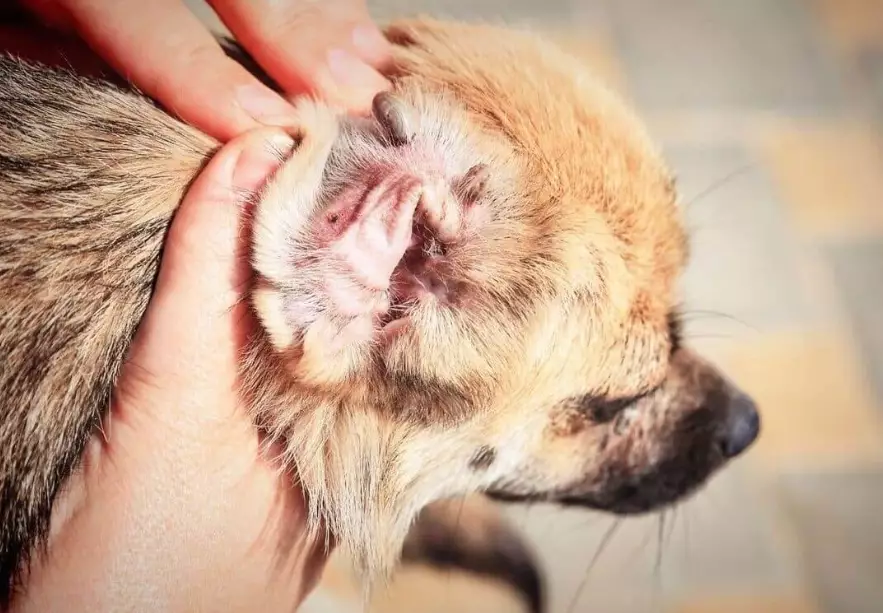
The Three Types of Ear Infections (Otitis)
Vets break ear infections down by which part of the ear canal is affected. This matters for treatment.
Otitis Externa: This is the most common one we see. It’s an infection of the outer ear canal, the tube leading from the outside to the eardrum. It’s what causes all the classic scratching and head shaking.
Otitis Media: This means the infection has pushed deeper, behind the eardrum, into the middle ear. This often happens when an outer infection isn’t treated fully. It’s more painful and can affect balance.
Otitis Interna: The most severe type, involving the inner ear. This can lead to significant balance issues, circling, and even permanent hearing damage. It’s an emergency.
The goal is to catch and treat it at the externa stage, before it has a chance to go deeper.
Why Do Dogs Get Ear Infections? (It's Usually More Than Just Water)
Blaming swimmer’s ear is easy, but it’s rarely the sole culprit. A damp ear creates a perfect environment for trouble, but something usually has to weaken the ear’s defenses first. Think of it like this: moisture is the fuel, but there’s almost always a spark.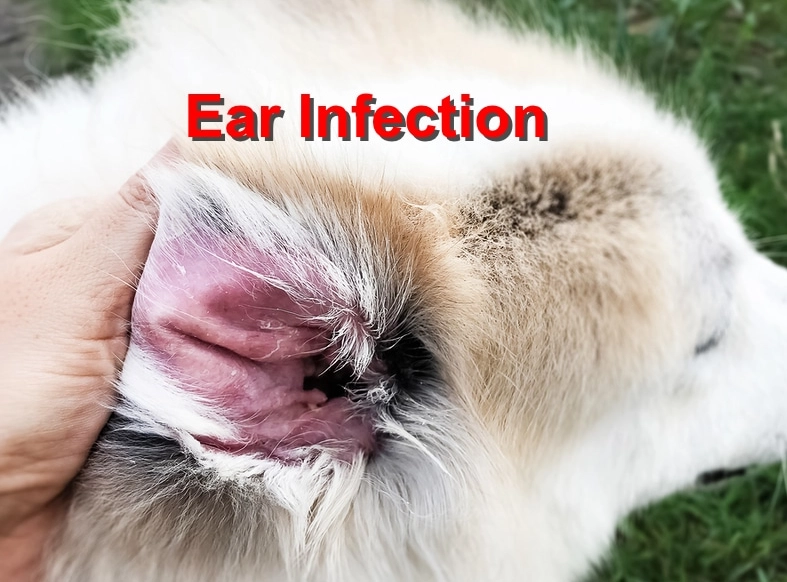
The biggest spark by far is allergies. Food allergies or environmental allergies (to pollen, dust mites, mold) cause inflammation throughout the body, including the skin lining the ear canal. This inflamed, itchy skin is a welcome mat for bacteria and yeast. In my experience, at least 80% of dogs with chronic, recurring ear infections have an underlying allergy component that’s being missed.
Anatomy plays a huge role. Dogs with floppy ears (Cocker Spaniels, Basset Hounds, Retrievers) have poor air circulation, trapping heat and moisture. Breeds with hairy ear canals (Poodles, Schnauzers) can have hair that blocks drainage and traps debris.
Other triggers include foreign bodies (like a grass seed stuck deep inside), hormonal imbalances (like hypothyroidism), and autoimmune diseases. Even over-zealous cleaning with cotton swabs can push debris deeper and cause micro-abrasions.
| Primary Cause | How It Leads to Infection | Common Breeds/Examples |
|---|---|---|
| Allergies (Atopy/Food) | Chronic inflammation weakens ear skin barrier. | Any breed, but common in Terriers, Retrievers, Bulldogs. |
| Anatomy (Floppy/Hairy Ears) | Traps moisture, reduces airflow. | Cocker Spaniels, Poodles, Basset Hounds. |
| Excessive Moisture | Creates a warm, wet environment for microbes. | Frequent swimmers, dogs in humid climates. |
| Endocrine Disease | Alters skin health and immune function. | Older dogs with hypothyroidism or Cushing's disease. |
How to Treat a Dog Ear Infection: A Realistic Step-by-Step Plan
Here’s the non-negotiable first step: see your veterinarian. I can’t stress this enough. Trying to diagnose and treat an ear infection at home with over-the-counter remedies is like trying to fix a broken leg with a band-aid. You might cover the surface issue, but the real problem gets worse.
Your vet needs to look deep into the ear canal with an otoscope to see if the eardrum is intact. This is critical. If the eardrum is ruptured, many common medications can cause deafness or severe balance problems. They’ll also take a swab, stain it, and look under a microscope. This tells them if the problem is yeast (often looks like budding cells), bacteria (rods or cocci), or both. The treatment is different for each.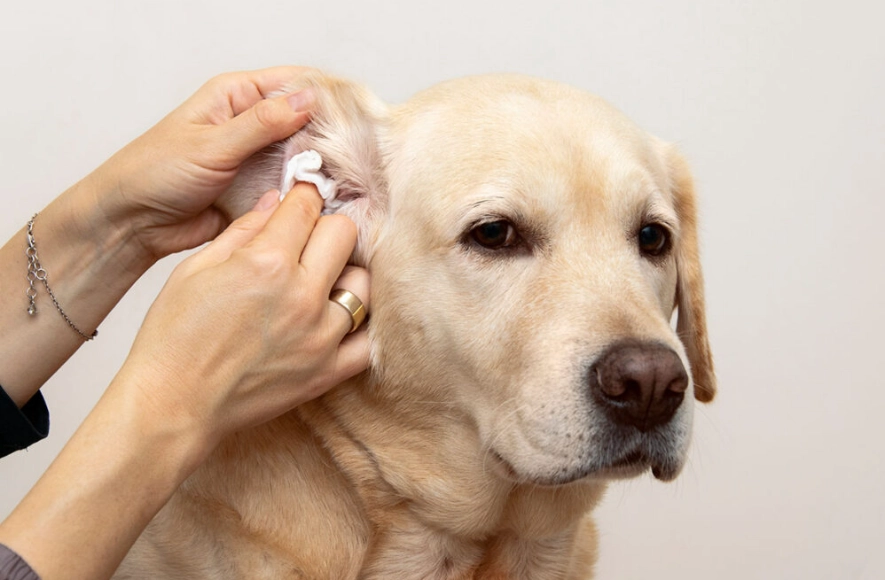
What the Vet Visit Will Involve
A proper ear cleaning at the clinic is usually step one. We use special solutions to break up the debris so the medication can actually reach the infected skin. Then, they’ll prescribe medication. This is typically a combination topical drop that contains an antifungal, an antibiotic, and a steroid to reduce the inflammation and itching.
The most common mistake owners make? Stopping the medication too soon. The itching might stop in 3-4 days, but the infection deeper in the skin isn’t gone. A full course is usually 7-14 days, sometimes longer. You must finish all the medication, even if your dog seems perfectly fine.
For severe, recurrent, or middle/inner ear infections, oral antibiotics or anti-inflammatories may be needed. If allergies are the root cause, your vet will discuss long-term management strategies, which could include prescription diets, allergy medications (like Apoquel or Cytopoint), or allergy testing.
How to Clean Your Dog's Ears Safely (The Right Way)
Regular cleaning is the cornerstone of prevention, but only if done correctly. Doing it wrong can cause an infection. Here’s the method I’ve taught to countless owners.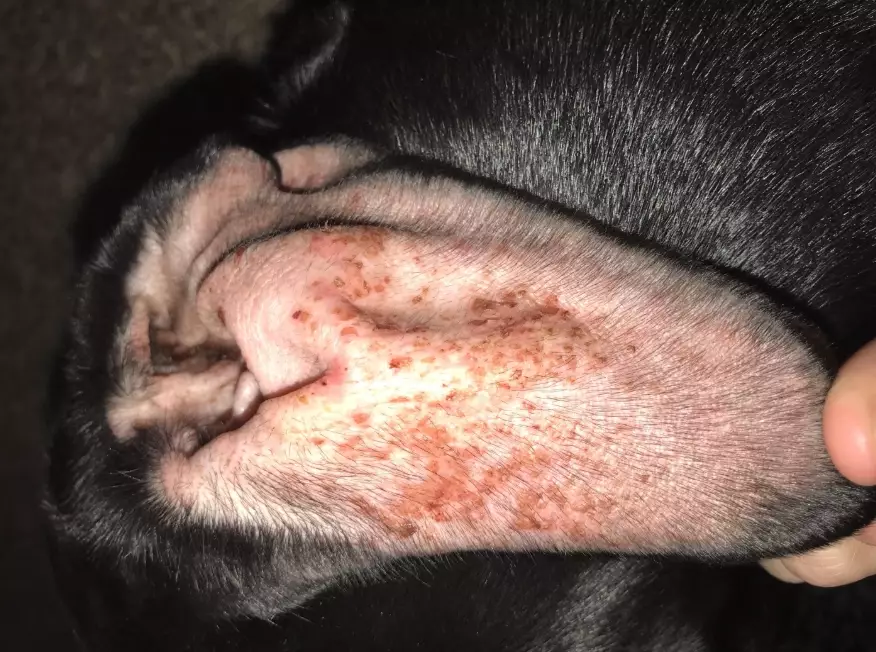
What you need: A good quality, veterinary-recommended ear cleaner. I prefer drying cleaners with ingredients like salicylic acid for dogs who swim. A pile of cotton balls or gauze squares. Treats. No cotton swabs.
The Process:
1. Squeeze a generous amount of cleaner into the ear canal. Don’t let the tip of the bottle touch the ear. You should hear a squishing sound.
2. Gently massage the base of the ear for 20-30 seconds. That’s the crunchy part. You’re helping the cleaner break up the wax and debris.
3. Let your dog shake its head. This brings the loosened gunk up from the deep canal. Stand back!
4. Use a cotton ball or gauze to wipe out the visible part of the ear canal and the inner flap. Wipe until the cotton ball comes out clean. Do not dig deep. You’re just cleaning what you can easily see.
5. Praise and treat. Make it a positive experience.
Frequency depends on your dog. A dog with a history of infections might need cleaning once a week. A dog with healthy, dry ears might only need it once a month. Your vet can give you the best schedule.
A Simple, Long-Term Prevention Plan
Beating one infection is a battle. Preventing the next one is the war. It requires a shift from reactive to proactive care.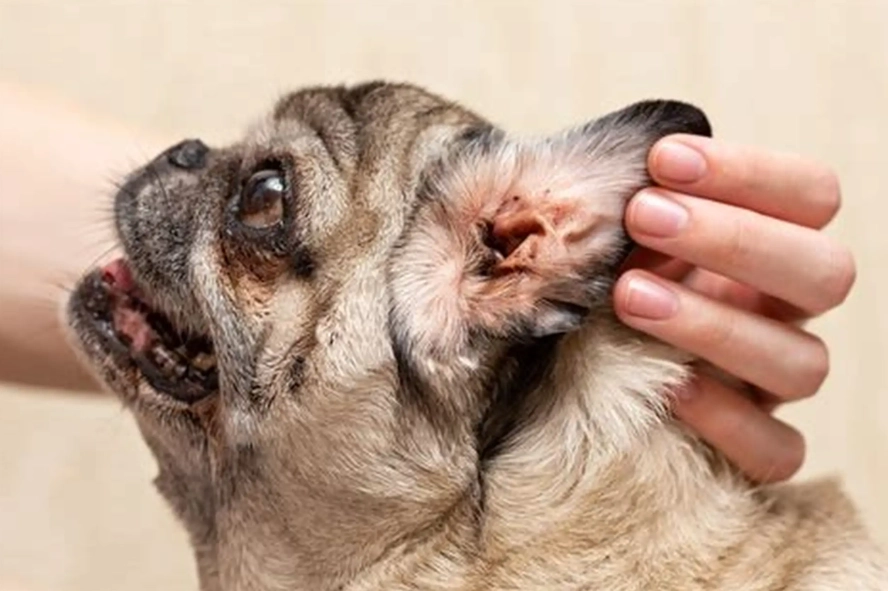
Master the Maintenance Clean: Schedule it like clockwork. After every bath or swim is non-negotiable. For swimmers, use a drying ear cleaner afterwards. You can even make a DIY drying aid with 1 part white vinegar to 2 parts rubbing alcohol (only if the eardrum is confirmed healthy by your vet!).
Address the Root Cause: If your dog has more than 2-3 ear infections a year, you’re not dealing with the real problem. Work with your vet to investigate allergies. An elimination diet trial is the gold standard for diagnosing food allergies. For environmental allergies, management is key—regular bathing with a soothing shampoo, wiping paws after walks, and possibly medication.
Manage Anatomy: For hairy-eared breeds, ask your groomer or vet to pluck the hair from the ear canal regularly. It improves airflow. For all dogs, keep the hair around the ear opening trimmed.
Diet and Supplements: A high-quality diet supports healthy skin. Omega-3 fatty acid supplements (fish oil) can help reduce inflammatory responses. Some evidence suggests probiotics may support skin health, though more research is needed in dogs.
Your Top Dog Ear Infection Questions Answered
 My dog hates ear cleaning. How can I do it without a fight?
The key takeaway? Dog ear infections are a symptom, not just a singular disease. Listen to the early whispers—the head shake, the slight odor. Partner with your vet to treat the immediate fire, but then work together to find the spark that keeps starting it. With a good prevention plan, you can give your dog the gift of quiet, comfortable ears.
Related Articles