Big Cat Breeds: Your Guide to Gentle Giants
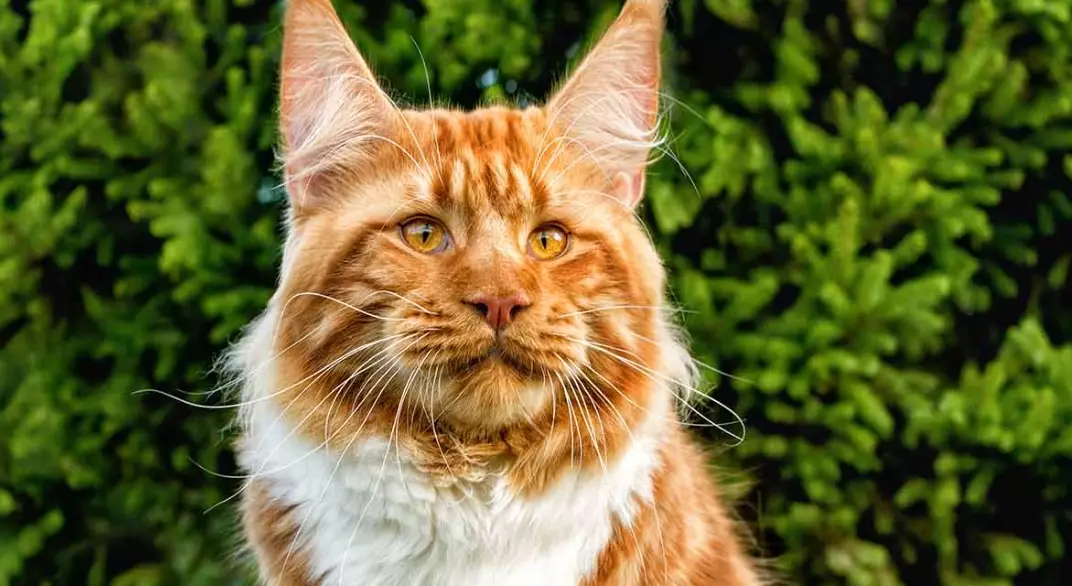
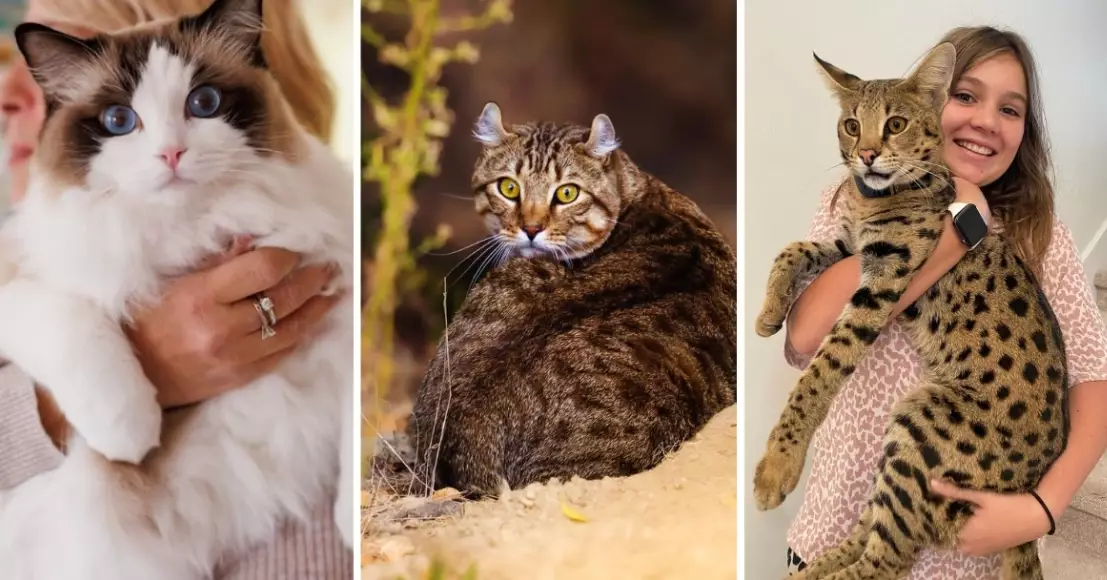
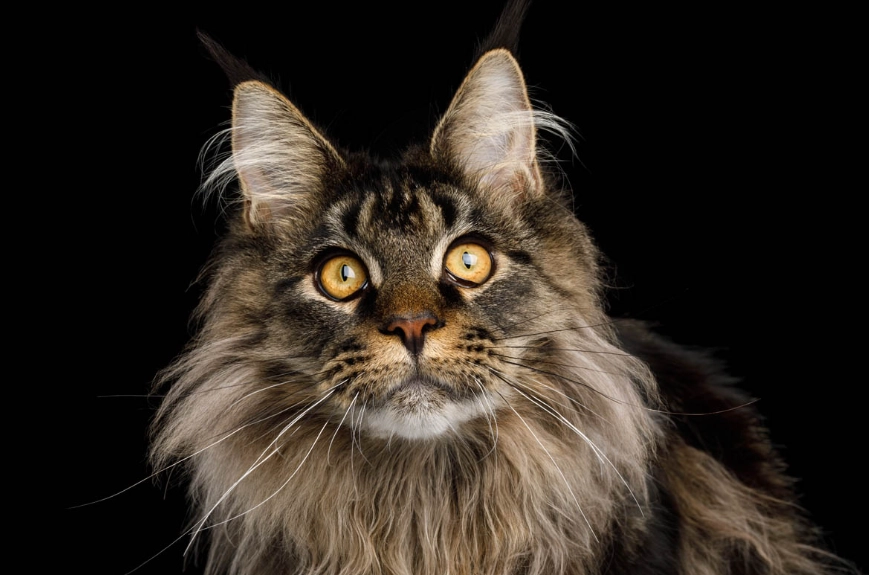
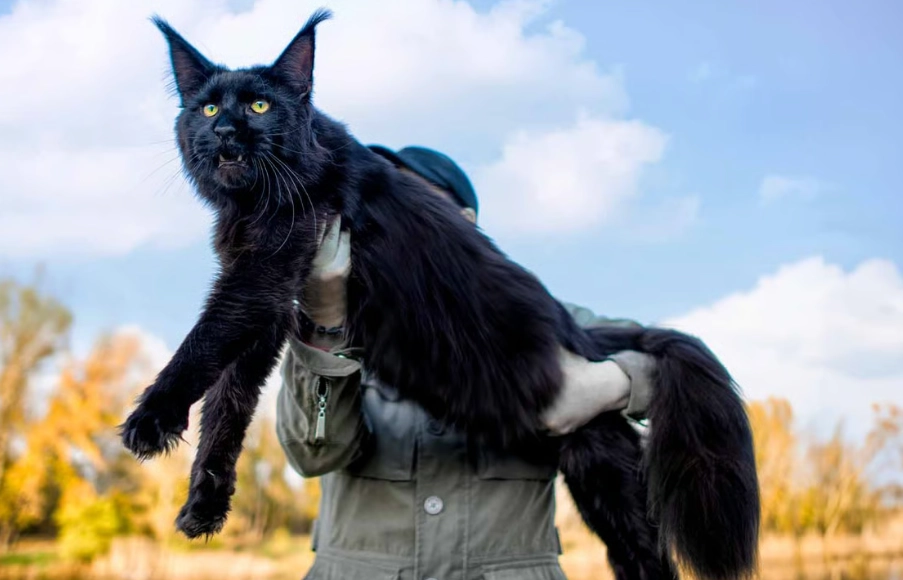
So you're thinking about bringing a big cat breed into your home. It's not just about having an impressive-looking pet that takes up half the couch (though that's part of the appeal). Living with a gentle giant like a Maine Coon or a Ragdoll is a unique experience. It's about a specific kind of companionship—one that's often more dog-like in loyalty, surprisingly quiet in its heavyweight movements, and demands a slightly different approach to care than your average house cat. This guide cuts through the fluff. We'll look beyond the "biggest house cat" lists and dive into what life is really like with these large domestic cat breeds, how to pick the right one, and the common pitfalls new owners face. When we talk about giant cat breeds, we're usually looking at two things: weight and frame. A big cat isn't just a fat cat. It's about bone structure and overall mass. Most standard domestic cats top out around 10 pounds. The true large breeds consistently hit 12-15 pounds for females and 15-20+ pounds for males—and that's at a healthy weight. But here's a nuance most articles miss: density matters more than the number on the scale. A Siberian cat, for example, might weigh 15 pounds but feel like 25 because of its incredibly dense, muscular build and thick bone structure. They're the compact SUVs of the cat world. The other factor is simply physical presence. A Norwegian Forest Cat or a Maine Coon has substantial height and length. They have large, tufted paws, a broad chest, and a long, bushy tail that adds to their imposing silhouette. It's this combination of weight, frame, and sheer physicality that defines the category. Expert Tip: Don't get hung up on breed standards from organizations like The International Cat Association (TICA) or the Cat Fanciers' Association (CFA) as the final word on size. Individual variation is huge. I've seen petite Maine Coons and enormous Domestic Longhairs that could pass for any purebred. Genetics, diet, and overall health play a massive role in determining an adult cat's final size. Let's move past vague descriptions. Here’s a concrete breakdown of the five most prominent large domestic cat breeds, focusing on the specifics future owners care about. A quick note on the Ragdoll's weight: while they can be heavy, they are often less "dense" than a Maine Coon of the same weight. Picking up a 16-pound Ragdoll sometimes feels easier than a 16-pound Maine Coon because of differences in bone structure and muscle distribution. The British Shorthair is the outlier here. By weight range, it overlaps with standard cats, but its incredibly stocky, rounded, and dense build (like a teddy bear) earns it a spot in the "big breed" conversation. They are the weightlifters of the cat world—compact but powerful. Choosing based solely on which is the "biggest house cat" is a recipe for a mismatch. You need to align the cat's needs with your lifestyle. Ask yourself these questions: How much time do you have for grooming? This is the biggest practical divider. A Maine Coon or Norwegian Forest Cat's glorious coat is a part-time job. If you skip brushing for two weeks, you'll be dealing with painful mats, especially under the arms and around the hindquarters. A Siberian needs less frequent but thorough brushing due to its dense undercoat. A Ragdoll's coat is easier, and a British Shorthair is basically wash-and-wear. What's your home environment like? Big cats need space to move. They don't need a mansion, but a tiny apartment might feel cramped, especially for an active breed like a Norwegian Forest Cat. Vertical space is your best friend. Invest in tall, sturdy cat trees—the flimsy ones will topple. I learned this the hard way when my first large cat, a rescue mix with Maine Coon traits, brought a cheap tree crashing down at 3 AM. What's your personality? Do you want a shadow (Ragdoll, Siberian) or a more independent soul who checks in now and then (Norwegian Forest Cat, British Shorthair)? The "dog-like" label gets thrown around a lot, but it's truest for Maine Coons, who often enjoy playing fetch and following you from room to room. Consider adoption first. While purebred giant cat breeds are stunning, shelters and breed-specific rescues often have large-boned domestic longhairs or mixes with wonderful personalities. You might find your gentle giant without the purebred price tag. Caring for a large-breed cat has specific considerations that go beyond just buying a bigger food bowl. Size can predispose them to certain joint issues. Hypertrophic Cardiomyopathy (HCM), a form of heart disease, is a known concern in Maine Coons and Ragdolls. Reputable breeders screen for this. Hip dysplasia, more commonly associated with dogs, can also occur in large cats like Maine Coons. The most common issue I see, though, is obesity. It's easy to overfeed a big cat because they "look like they can handle it." But extra weight puts immense strain on their joints and heart. You must work with your vet to determine a precise calorie count and stick to it. Don't free-feed. A Personal Struggle: Finding a cat bed large enough was a challenge. Most "large" beds were still too small. I ended up using a large, round dog bed with bolstered sides, which my cat adored. Don't limit yourself to the cat aisle—check out the small dog section too. Are big cat breeds good with children and other pets? Generally, yes, but the breed's temperament is key. Ragdolls and Siberians are famously patient and gentle, making them superb family cats. Maine Coons are usually playful and tolerant. However, a Norwegian Forest Cat's higher independence might make it less interested in constant child interaction. Always introduce any pet slowly and under supervision, regardless of breed. A cat's size alone doesn't guarantee it will be a patient playmate. What's the biggest mistake people make when switching from a standard to a large breed cat? Underestimating the ongoing cost. Everything costs more: food, litter, medication (dosed by weight), grooming tools, and even vet bills for procedures that are weight-based. The biggest shock is often the litter consumption. A big cat uses more litter, and you'll be cleaning a very large box more frequently to maintain hygiene. Budget 30-50% more for monthly supplies than you would for an average-sized cat. Adult cats sleep a lot, and large breeds can be particularly fond of lounging. The concern isn't sleep itself, but a lack of engagement. These are intelligent animals. Boredom can lead to weight gain and behavioral issues. Schedule two dedicated 15-minute play sessions daily using wand toys to make them jump and run. Puzzle feeders are also fantastic for mental stimulation. Monitor their weight closely; lethargy coupled with weight gain warrants a vet check for issues like arthritis or thyroid problems. Is it true that some big cats like water? The stereotype about Maine Coons and water has some basis. Many are fascinated by dripping taps and may even dip their paws in water bowls. This is likely tied to their history as ship's cats. However, it's not a universal trait. My Siberian, for instance, views bath time with utter disdain. Don't assume your large breed will enjoy swimming, but do provide a heavy, tip-proof water bowl (or a cat fountain) to encourage hydration, which is crucial for their overall kidney health.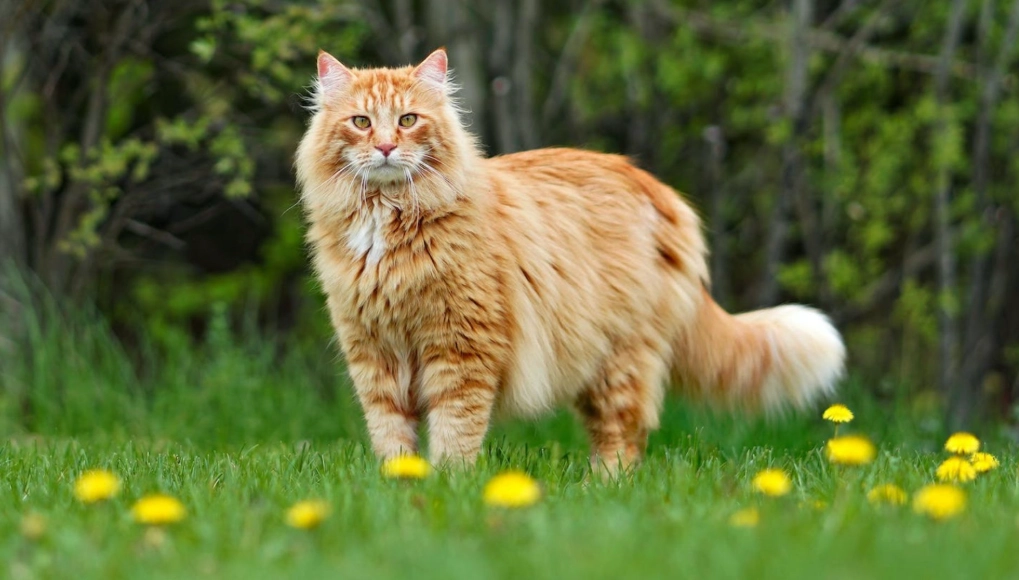
What's Inside This Guide?
What Makes a Cat Breed 'Big'?
Top 5 Big Cat Breeds: A Detailed Comparison
Breed
Average Weight (Male)
Key Personality Trait
Grooming Needs
Good For First-Time Owners?
Maine Coon
13-18 lbs (up to 25+ lbs)
The "Gentle Giant" - friendly, playful, dog-like.
High. Long, thick fur requires regular brushing to prevent mats.
Yes, but be ready for the grooming commitment and space needs.
Ragdoll
15-20 lbs
Famous for going limp when held ("floppy"), extremely docile and affectionate.
Moderate-High. Semi-long fur is silky and less prone to matting than a Maine Coon's, but still needs care.
Excellent. Their calm nature is ideal, but they are strictly indoor cats.
Norwegian Forest Cat
13-22 lbs
Independent yet friendly, athletic climbers with a strong hunting instinct.
Moderate-High. Double coat needs seasonal heavy brushing, especially during spring shed.
Moderate. Their independence and energy need an understanding owner.
Siberian
15-20 lbs
Affectionate, playful, and known for being hypoallergenic (produces less Fel d 1 protein).
Moderate. Triple coat is dense but manageable with weekly brushing.
Yes. Adaptable and good-natured, a great family cat.
British Shorthair
9-17 lbs (dense build)
Calm, easygoing, and dignified. Not a lap cat, but a loyal companion.
Low. Short, plush coat is very easy to maintain.
Very much so. Low-maintenance and undemanding.
How to Choose the Right Big Cat Breed for You?
Caring for Your Gentle Giant: Health and Lifestyle
Health Considerations for Large Breeds
The Big Cat Shopping List
Your Big Cat Questions, Answered
 My big cat seems lazy and sleeps all day. Should I be worried?
 Bringing a big cat breed into your life is a commitment to a specific kind of pet ownership. It's messier, more expensive, and requires more physical space. But the return is immense: a deeply bonded companion whose quiet presence, affectionate head-butts, and sheer majestic appearance can redefine what you expect from a house cat. Do your homework, choose with your lifestyle in mind, and get ready for life with a gentle giant.