Can Dogs Eat Blueberries? A Vet's Complete Safety Guide
You're standing in the kitchen, popping a few blueberries into your mouth, and those big, hopeful eyes are locked on you. The question hits: can my dog have one? The short, vet-approved answer is yes, blueberries are generally safe and even beneficial for most dogs. But that's just the start. The real story is in the details—how many, how to serve them, and the surprisingly common mistakes well-meaning owners make that can turn a healthy snack into a problem.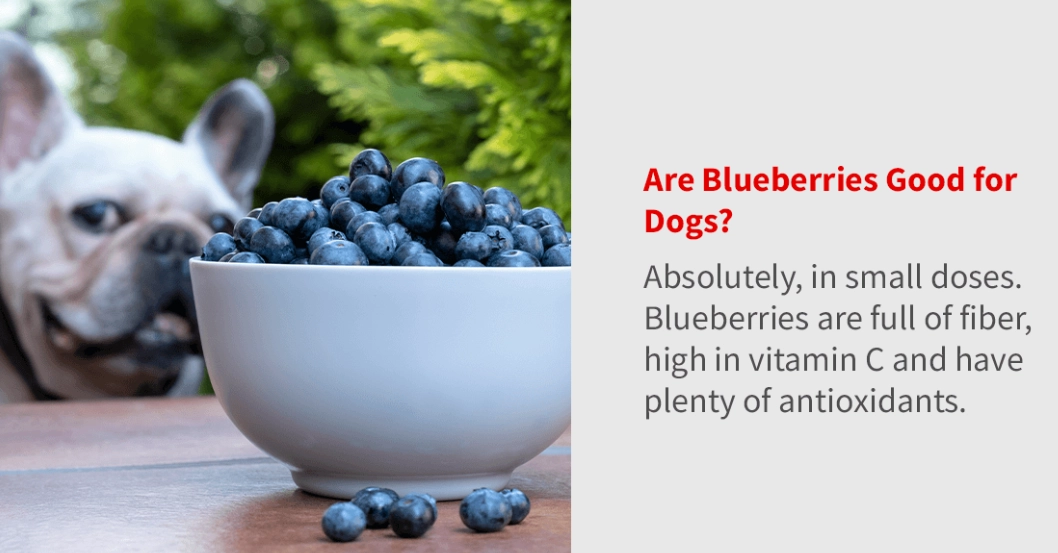
Quick Navigation: What You'll Learn
The Science-Backed Benefits of Blueberries for Dogs
Let's move past the "they're a superfood" marketing talk. What's actually in a blueberry that helps your dog? The magic lies in their dense nutrient profile.
Antioxidants are the headline act. Specifically, flavonoids and vitamin C. In dogs, just like in humans, these compounds combat oxidative stress—the cellular damage linked to aging and chronic disease. A study in the Journal of Animal Physiology and Animal Nutrition suggested that antioxidant-rich foods could support cognitive function in aging dogs. Think of blueberries as little brain-food berries.
Fiber for digestive health. A small handful of blueberries provides a gentle source of dietary fiber. This can aid in regular bowel movements and contribute to a healthy gut microbiome. For dogs prone to occasional constipation, this can be a natural helper.
Vitamins and minerals. We're talking vitamin K for bone health, vitamin C for immune support (though dogs produce their own, extra doesn't hurt), and manganese for metabolism. They're also low in calories and fat, making them an excellent training treat alternative to commercial biscuits.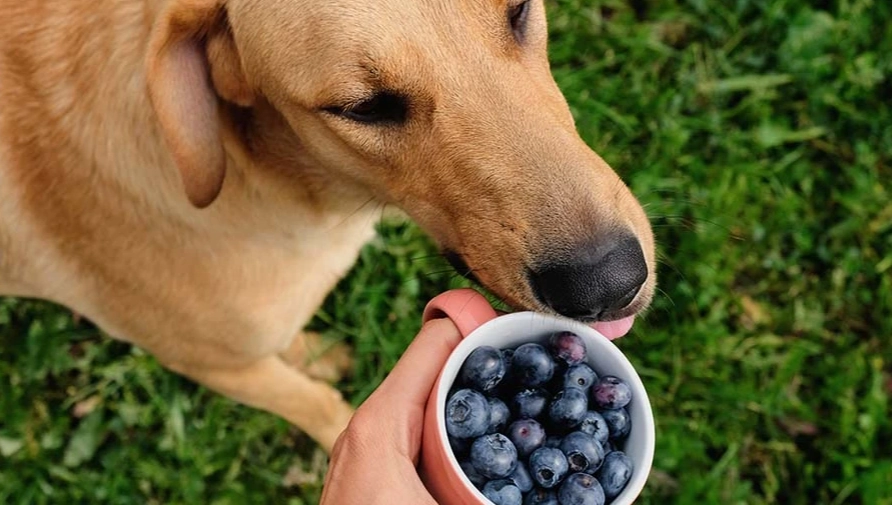
My take after a decade in the clinic: The biggest benefit I see isn't on a blood test. It's engagement. Using a frozen blueberry as a reward during training or hiding a few in a puzzle toy provides mental stimulation. That combination of low-calorie nutrition and enrichment is where blueberries truly shine for pet dogs.
How to Safely Feed Blueberries to Your Dog
This is where most guides get vague. "Feed in moderation" isn't helpful. You need numbers and methods.
Step 1: Determine the Right Serving Size
The 10% rule is key: treats (including fruits like blueberries) should make up no more than 10% of your dog's daily caloric intake. For blueberries, a more practical guideline is based on size.
| Dog Size | Weight Range | Recommended Blueberries (per day) | Notes |
|---|---|---|---|
| Extra Small (e.g., Chihuahua) | Under 10 lbs | 1-3 berries | Start with one. Cut in half for toy breeds. |
| Small (e.g., Beagle) | 10-25 lbs | 4-6 berries | A good handful for training rewards. |
| Medium (e.g., Border Collie) | 25-50 lbs | 7-10 berries | Can be used as a food topper or frozen snack. |
| Large (e.g., Labrador) | 50-90 lbs | 10-15 berries | Still just a snack, not a meal replacement. |
| Giant (e.g., Great Dane) | 90+ lbs | 15-20 berries | Monitor for any loose stool with larger quantities. |
Step 2: Preparation is Everything
Always wash them. You're trying to remove pesticide residues and dirt. A quick rinse under cool water is sufficient.
To mash or not to mash? For small dogs, senior dogs, or any dog that tends to gulp, mashing the blueberries is a smart safety move. It prevents choking and makes the nutrients easier to absorb. For larger dogs, whole berries are usually fine, but supervise the first few times.
The frozen trick. Many dogs adore frozen blueberries. They become crunchy, refreshing treats, perfect for hot days. Here's the non-obvious tip: spread them on a tray to freeze individually first before storing them in a bag. This stops them from clumping into a solid, unchewable mass.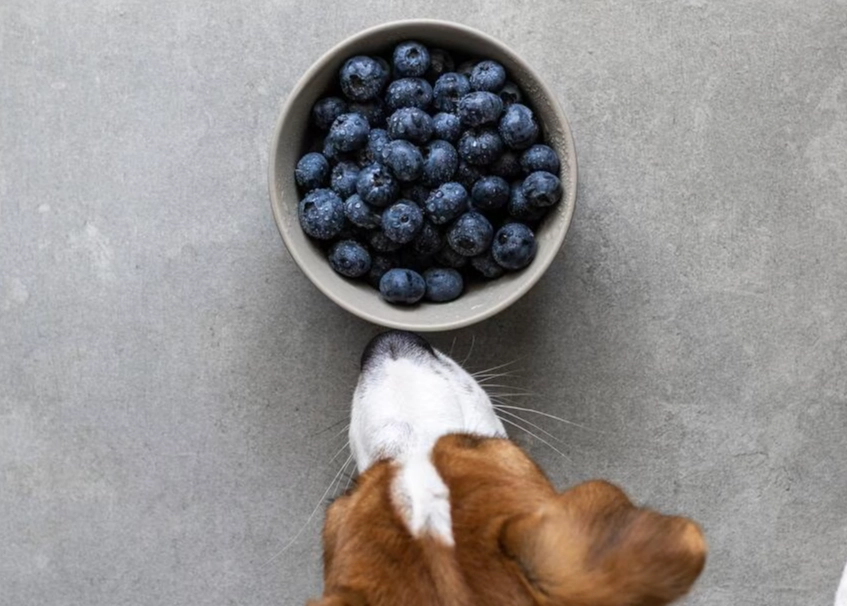
Potential Risks and Crucial Warnings
Ignoring this section is how trips to the emergency vet happen. Blueberries are safe, but the context around them isn't always.
Choking Hazard. This is the number one real-world risk, especially for small breeds or enthusiastic gulpers. A whole blueberry can perfectly obstruct a small airway. If your dog doesn't chew its food, assume it won't chew a blueberry either. Mash it.
Gastrointestinal Upset. Introducing any new food too quickly can cause diarrhea or vomiting. Start with one berry. See how your dog's stomach handles it over the next 24 hours before offering more.
Sugar Content. While natural, blueberries contain sugar. For diabetic dogs or those on a strict weight-loss plan, you must account for these carbs. Always consult your vet before adding any treats to a medically managed diet.
The Hidden Danger: Blueberry Products. This is critical. Blueberry muffins, yogurt-covered blueberries, blueberry jam, or blueberry pie are NOT safe. These contain xylitol (an artificial sweetener highly toxic to dogs), excessive sugar, butter, and other ingredients that can cause pancreatitis. We're talking about plain, fresh, or frozen blueberries only.
Blueberries vs. Other Fruits: A Quick Comparison
How do blueberries stack up against other common "can my dog eat this?" fruits?
Blueberries vs. Strawberries: Both are safe. Strawberries have more natural sugar and fiber. Blueberries win on antioxidant density. Both need to be washed and served in moderation.
Blueberries vs. Grapes: This is the most important distinction. Grapes and raisins are highly toxic to dogs, causing acute kidney failure. The mechanism is still unknown. Never, ever confuse the two. Blueberries are safe; grapes are a veterinary emergency.
Blueberries vs. Apples: Apples (core and seeds removed) are a great, crunchy treat. They offer different vitamins and fiber. Blueberries are easier to serve—no coring required.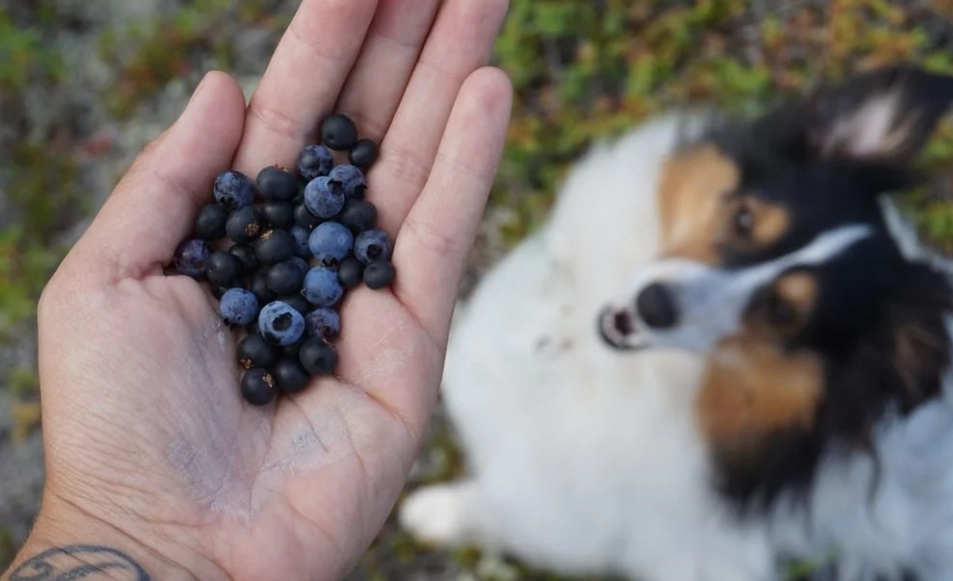
Your Blueberry Questions, Answered
 Can blueberries help with my dog's bad breath?
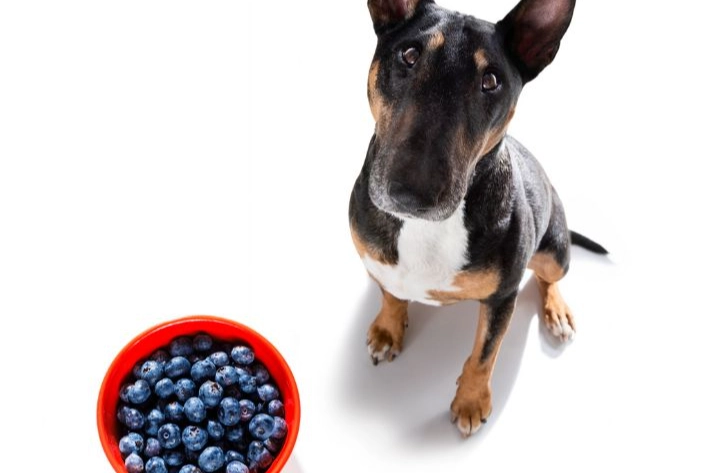 The bottom line is refreshingly simple. Plain, washed blueberries are a healthy, low-risk treat for most dogs when fed in appropriate amounts. They're a tool for enrichment and a source of beneficial nutrients. But they're not a miracle food, and they demand the same common sense as any addition to your dog's diet: start small, prepare safely, and always prioritize their overall balanced nutrition. Now, next time those hopeful eyes are watching you, you can share a berry—or two—with confidence.
Related Articles