Large Cat Breeds: Ultimate Guide to Size, Care & Personality
You see them in photos, sprawling across entire couches or looking regal on cat trees – large cat breeds have a unique, majestic presence. But what does it actually mean to share your home with a feline that can weigh 15, 20, or even 25 pounds? It's more than just buying a bigger litter box. As someone who's lived with a Maine Coon for over a decade and advised countless new owners, I can tell you the reality is a mix of wonderful companionship and specific, often overlooked challenges. This guide cuts past the fluffy photos to give you the real details on size, personality, care needs, and the long-term commitment of owning a giant house cat.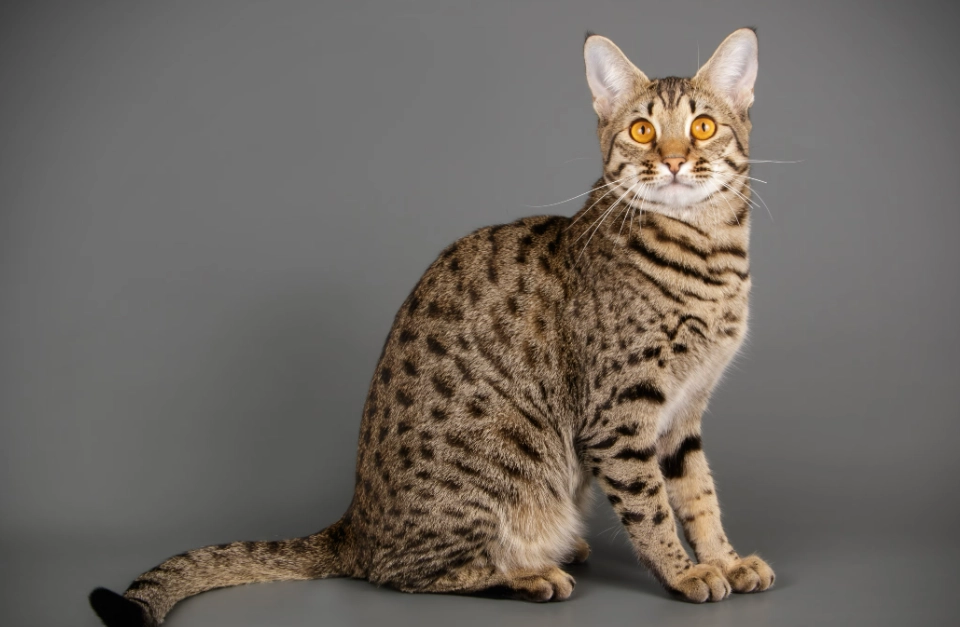
Your Quick Guide to Giant House Cats
What Defines a Large Cat Breed?
When we talk about large cat breeds, we're generally referring to domestic cats where males routinely weigh over 15 pounds (6.8 kg), with some breeds averaging much higher. It's not just weight, though. These cats have substantial bone structure, longer bodies, and bigger paws. A common mistake is comparing them to small dogs – their care, behavior, and needs are firmly feline, just on a grander scale.
The International Cat Association (TICA) and the Cat Fanciers' Association (CFA) have breed standards that outline ideal sizes. For example, the Maine Coon standard calls for a "substantial" cat with a "broad chest." It's this combination of frame and weight that sets them apart. A 14-pound cat of a medium build might look chunky, while a 14-pound Maine Coon might still be filling out its frame.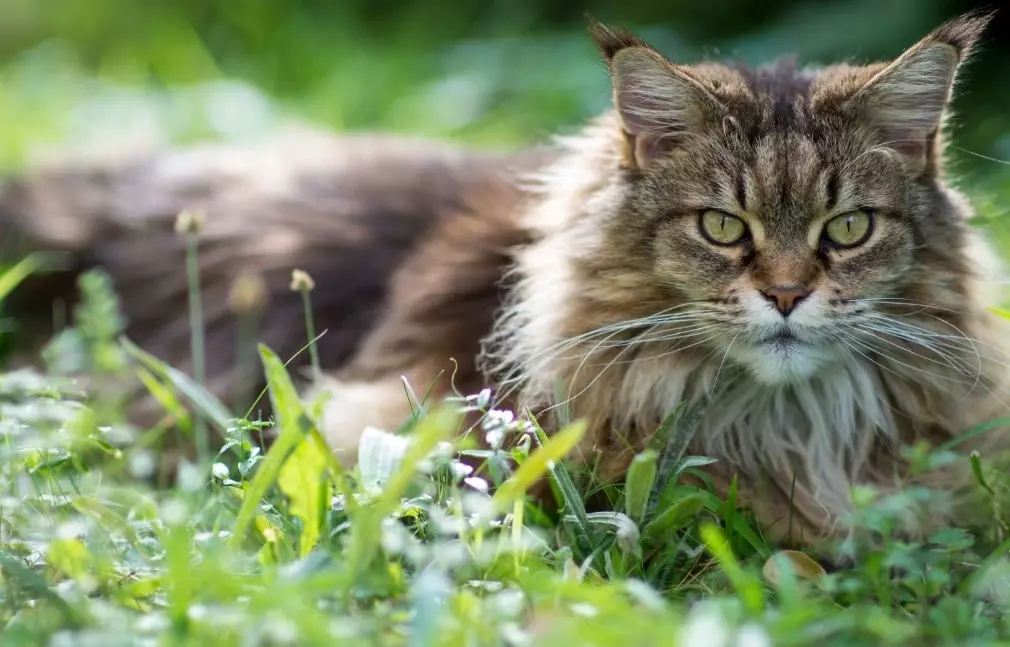
Key Takeaway: Size is a combination of weight, bone structure, and overall body length. Don't just focus on the number on the scale.
Top 5 Largest Domestic Cat Breeds Compared
Let's get into the specifics. This table breaks down the five most commonly cited large cat breeds. I've included not just the textbook stats, but the real-world traits you'll deal with as an owner.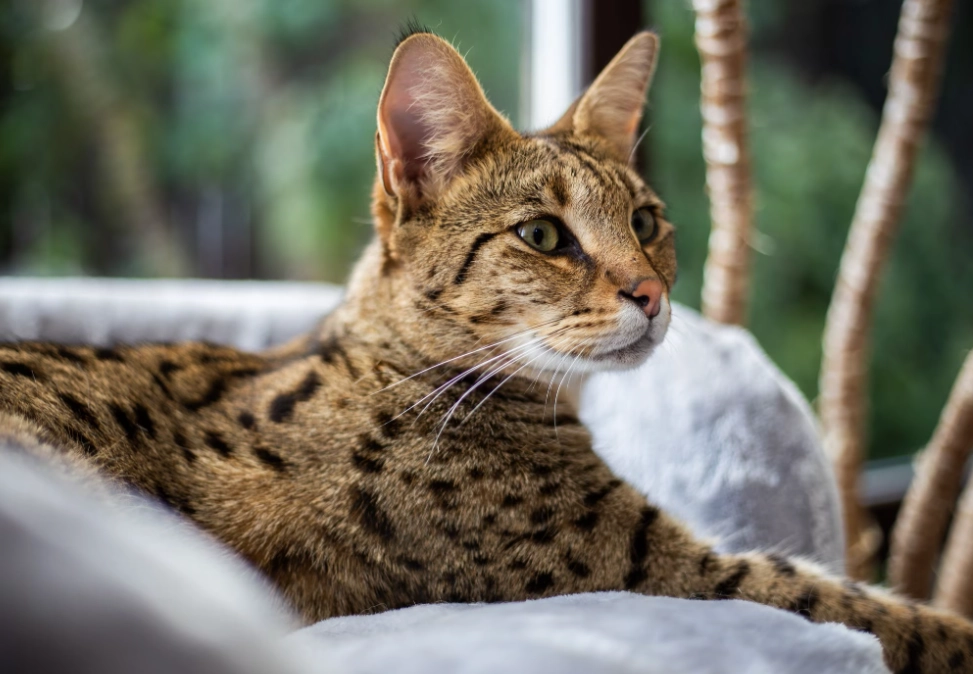
| Breed | Average Weight (Male) | Key Personality Traits | Grooming Needs | Unique Considerations |
|---|---|---|---|---|
| Maine Coon | 13-18 lbs (5.9-8.2 kg) (Often 20+ lbs) |
Gentle, dog-like, playful into adulthood, often enjoy water. | High. Long, thick coat requires brushing 2-3 times a week to prevent mats. | Prone to hypertrophic cardiomyopathy (HCM). Slow to mature (full size at 3-5 years). |
| Savannah Cat (F1-F5 Generations) |
12-25 lbs (5.4-11.3 kg) Varies hugely by generation. |
Extremely active, intelligent, curious, can be leash-trained. High energy. | Low. Short coat is easy to maintain. | Early generation (F1-F3) may have ownership restrictions. Needs immense mental & physical stimulation. Very expensive ($1,500-$20,000+). |
| Ragdoll | 15-20 lbs (6.8-9.1 kg) | Docile, affectionate, "floppy" when held, tends to follow owners. | Moderate-High. Semi-long fur needs regular brushing to avoid tangles. | Must be indoor-only. Known for going limp when picked up (hence the name). Also prone to HCM. |
| Norwegian Forest Cat | 13-22 lbs (5.9-10 kg) | Sweet but independent, great climbers, adaptable, quiet voice. | High. Double coat designed for snow requires frequent brushing, especially in spring/shedding season. | Very heavy shedders. Love high perches. Generally robust health. |
| Siberian | 15-20 lbs (6.8-9.1 kg) | Affectionate, playful, good with families and other pets, intelligent. | High. Triple coat needs consistent grooming. | Often marketed as hypoallergenic (produces less Fel d 1 protein), but no cat is truly allergen-free. Anecdotally, many with mild allergies tolerate them well. |
Looking at this, you can see the differences go far beyond size. A Savannah's needs are worlds apart from a Ragdoll's, despite similar potential weight.
My Maine Coon, Leo, took a full four years to reach his final weight of 22 pounds. For the first two years, I kept thinking he was done growing, and then he'd have another growth spurt. His food budget was no joke.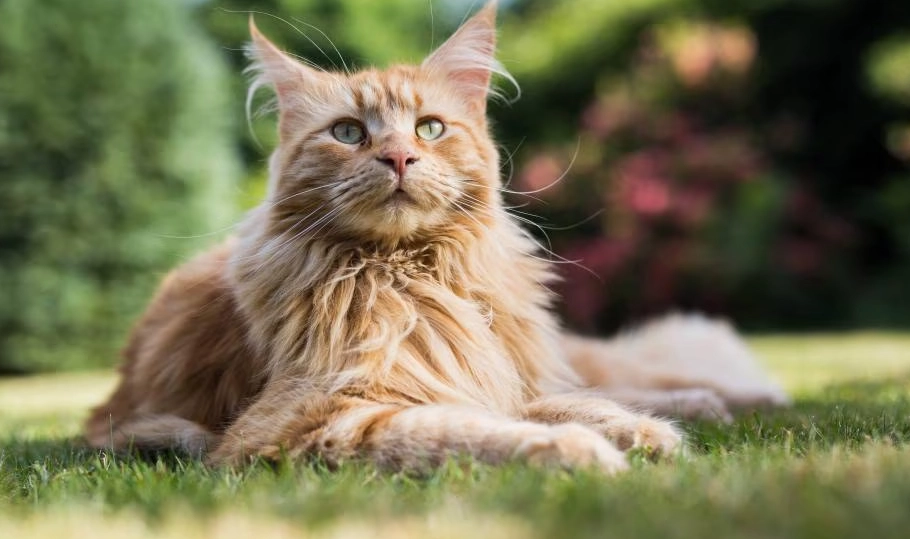
How to Choose Your Large Cat Companion
Picking a large breed isn't about just wanting the biggest cat you can find. It's about matching a lifestyle to a specific set of feline needs. I've seen people adopt a high-energy Savannah because they looked cool, only to be overwhelmed by its demand for constant engagement.
Space, Budget & Time: The Real Cost
Let's talk practicalities.
Space: These cats need room to stretch. A studio apartment can work for a laid-back Ragdoll if you provide vertical space (tall, sturdy cat trees are non-negotiable). But a Savannah or a young, active Maine Coon will feel cramped. They need running room. Think about the path of their late-night zoomies – can your decor survive?
Budget: Everything costs more.
- Food: A quality diet for a 20-pound cat can easily cost $50-$80 per month.
- Litter: You'll go through more of it. A jumbo-sized litter box is a must; many owners use concrete mixing tubs from hardware stores.
- Vet Care: Medication, anesthesia – costs are often weight-based. A flea treatment for a large cat costs more than for a small one. Heart screenings for breeds prone to HCM are an additional, crucial expense.
- Supplies: Carriers, beds, trees – all need to be extra-large and sturdy. A flimsy cat tree is a safety hazard.
Time: Grooming isn't optional. Mats in a long-haired giant are painful and can lead to skin infections. Setting aside 15-20 minutes several times a week for brushing is essential. It's also bonding time, but it's a commitment.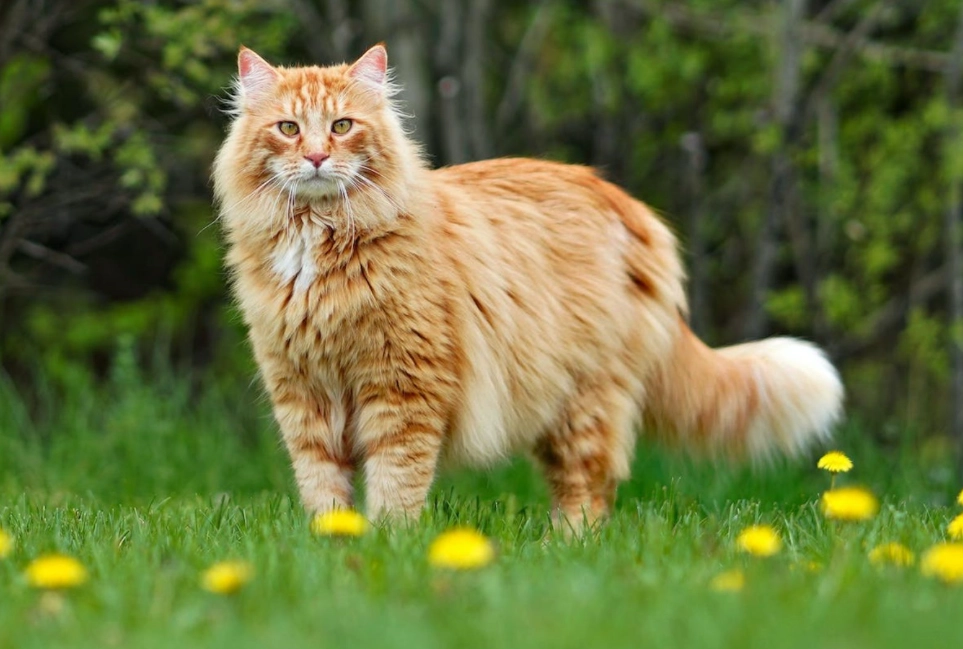
A common pitfall I see: people underestimate the lifespan commitment. These cats often live 12-15 years or more. You're committing to over a decade of higher costs and specific care.
Large Cat Care: Beyond the Basics
Feeding a large breed kitten? Don't just free-feed. Rapid growth can stress joints. Follow portion guidelines from your vet or the food manufacturer. Look for foods formulated for "large breed" cats or kittens, which often have adjusted mineral contents for skeletal health.
Exercise is critical, especially for indoor cats. A bored large cat is a destructive large cat. Interactive wand toys, puzzle feeders, and scheduled play sessions (think 2-3 times a day) are key. My friend's Savannah learned to open cupboards; they had to install child locks.
Grooming is your best defense against hairballs and mats. Start young. Get them used to the brush, nail clippers, and having their paws handled. For long-haired breeds, a metal comb and a slicker brush are your best friends. Pay special attention to the "pants" (back legs), chest, and armpits where mats love to form.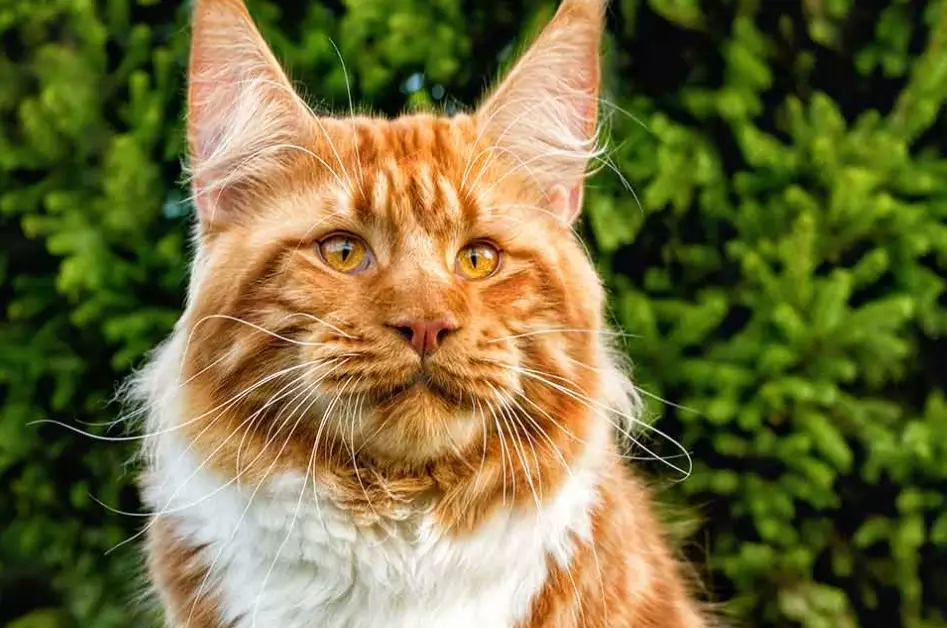
Health Issues to Watch For in Big Cats
Size brings specific health considerations. Joint issues like hip dysplasia, more commonly associated with dogs, are seen in large cats like Maine Coons. Watch for reluctance to jump, stiffness, or limping.
Hypertrophic Cardiomyopathy (HCM) is a serious heart condition prevalent in Maine Coons and Ragdolls. Reputable breeders screen their breeding cats via echocardiograms. Ask for proof. Even with clear parents, annual vet check-ups with a listen to the heart are vital.
Obesity is a major risk. A few extra pounds on a large frame might not look like much, but it significantly increases stress on joints and organs. Keep them active and monitor their body condition score – you should be able to feel their ribs without a thick layer of fat.
According to a study published in the Journal of Veterinary Internal Medicine, certain breeds have predispositions to specific diseases. Being aware of these allows for early detection and management.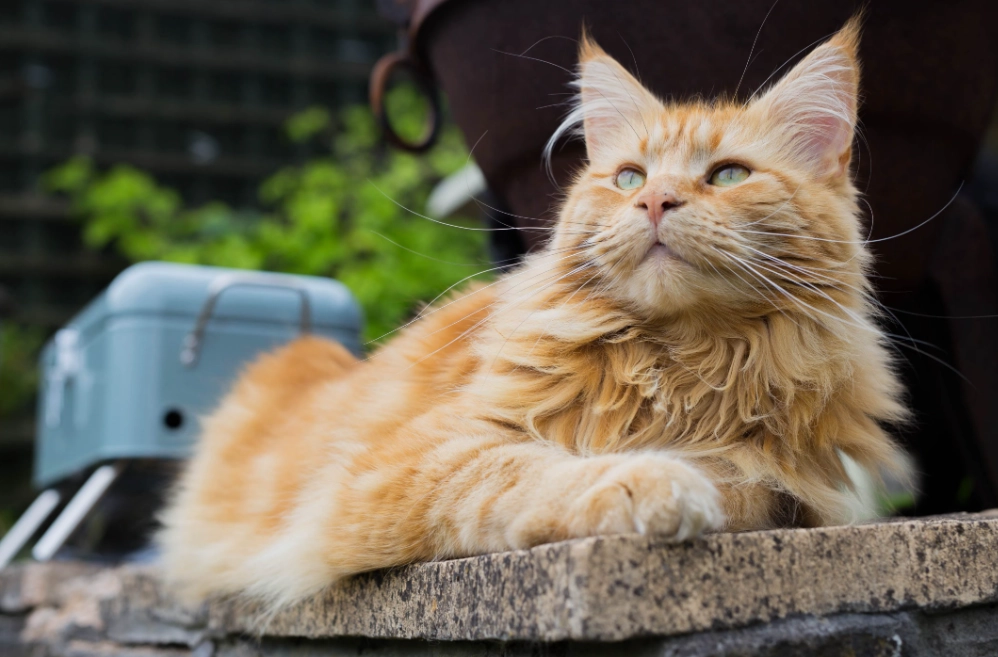
Your Large Cat Breed Questions Answered
Is a large cat breed suitable for apartment living?
How do I introduce a large kitten to my smaller, older resident cat?
Are large cat breeds generally good with children and dogs?
 What's the biggest hidden cost of owning a giant cat?
I've heard Maine Coons are "gentle giants." Are all large breeds this mellow?
Do large cats have shorter lifespans than smaller cats?
Related Articles