Pomchi Care Guide: Your Complete Companion Dog Handbook
Let's cut to the chase. You're probably here because you've seen a picture of a fluffy, big-eyed Pomchi and felt that instant tug on your heartstrings. Or maybe you already have one zooming around your living room and are wondering why the training advice for Golden Retrievers isn't working. The Pomchi—a cross between a Pomeranian and a Chihuahua—isn't just a trendy designer dog. It's a complex, spirited little personality packed into a tiny body, and treating it like just another small breed is the first mistake many owners make. I've spent over a decade working with small hybrid breeds, and I can tell you that understanding the specific blend of traits from its parent breeds is the only way to a happy life together. This guide isn't a fluffy overview; it's the real, detailed roadmap you need.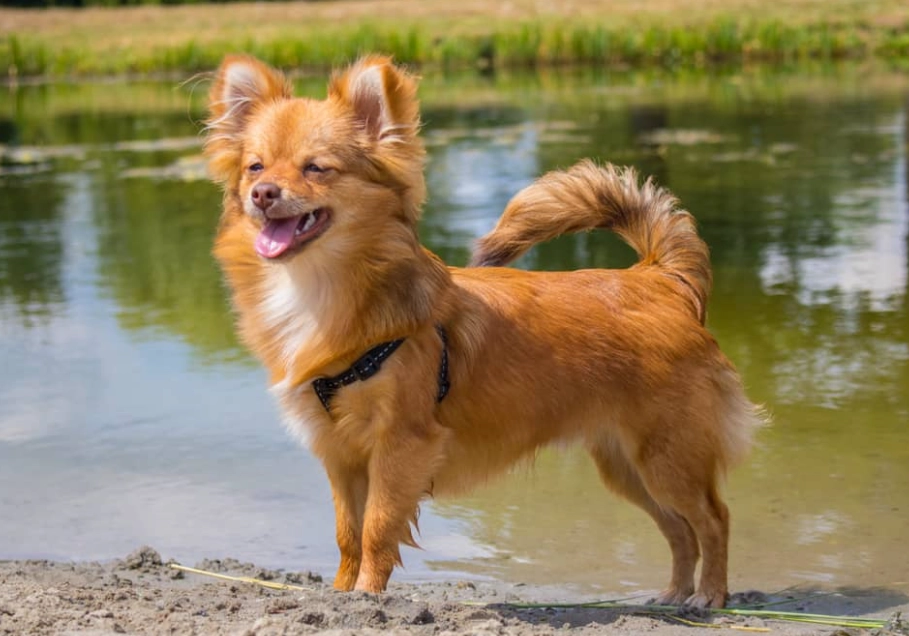
What's Inside This Guide?
What Exactly Is a Pomchi? Beyond the Mix
Calling a Pomchi a "Pomeranian-Chihuahua mix" is technically correct but practically useless. It's like calling a cake "flour, eggs, and sugar." The magic (and sometimes the challenge) is in how those ingredients combine. Unlike purebreds with predictable standards, a Pomchi can lean heavily towards one parent. I've seen Pomchis that look like long-haired Chihuahuas and others that are pure Pom in miniature. This variability extends to temperament.
The Pomeranian side brings a bold, curious, and often surprisingly loud confidence. They were bred down from larger sled dogs, and that "big dog" attitude never left. The Chihuahua contribution is intense loyalty, a wariness of strangers, and a sensitivity that borders on psychic. Combine them, and you get a dog that is fiercely devoted to its person, clever, energetic, and prone to deciding it's the one in charge of the household.
My friend Sarah's Pomchi, Gizmo, is a perfect case study. He looks 70% Pomeranian with a lush coat. He'll fearlessly bark at a delivery truck but then tremble and hide if a new guest tries to pet him too quickly. That's the Pomchi paradox in action. Expect a companion who wants to be involved in everything you do, from work emails to bathroom breaks. They are not "set it and forget it" pets; they demand engagement.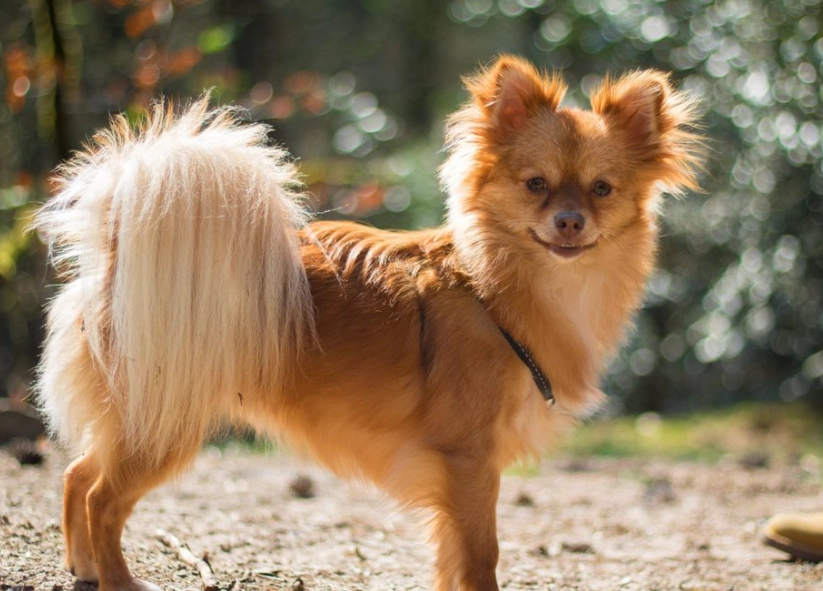
The Non-Negotiable Pomchi Daily Care Routine
Forget the idea that small dogs are low-maintenance. A Pomchi's needs are condensed, not reduced. Skipping these steps leads directly to behavior and health problems.
Grooming: It's Not Just About Looking Good
That beautiful double coat—inherited from the Pomeranian—is a dirt and tangle magnet. Brushing 3-4 times a week is mandatory, not optional. I use a slicker brush and a metal comb, focusing on the chest, behind the ears, and the fluffy trousers. The biggest mistake I see? People only brush the top layer. You must get down to the skin to prevent mats, which are painful and can cause skin infections. Baths every 3-4 weeks with a gentle dog shampoo keep the coat healthy. Don't neglect dental care. Small breeds are notorious for dental disease. Daily tooth brushing or using approved dental chews is a frontline health defense.
Diet & Nutrition: Tiny Dog, Big Needs
Pomchis have fast metabolisms but tiny stomachs. They need energy-dense, high-quality food. Look for formulas with real meat as the first ingredient. The common error is free-feeding. Pomchis can easily become overweight, stressing their delicate joints. Two measured meals a day is the rule. Be wary of "small breed" kibble size; sometimes even that is too big for a Pomchi's tiny jaw. I often recommend moistening kibble or seeking out a micro-sized option.
Pro Tip: Use mealtime for training. Hand-feed a portion of their kibble as rewards for calm behavior or simple commands. It strengthens your bond and makes food more engaging than just dumping it in a bowl.
Exercise: More Than a Lap Dog
Yes, they love laps. But they also have energy to burn. A 20-30 minute walk daily, coupled with 10-15 minutes of active play (fetch, flirt pole), is essential. Without it, that energy turns into destructive chewing or nuisance barking. Mental exercise is just as crucial. Food puzzle toys, snuffle mats, and short 5-minute training sessions tire their clever brains. A bored Pomchi is a creative troublemaker.
| Care Aspect | Frequency & Details | Common Pitfall to Avoid |
|---|---|---|
| Brushing | 3-4 times per week. Use slicker brush & comb. | Only brushing the surface, causing hidden mats close to the skin. |
| Bathing | Every 3-4 weeks with gentle, dog-specific shampoo. | Over-bathing, which strips natural oils and causes dry, itchy skin. |
| Dental Care | Daily brushing or vet-approved dental chews. | Ignoring until bad breath or tooth loss occurs—by then it's advanced disease. |
| Feeding | Two measured meals daily of high-quality small-breed food. | Free-feeding, leading to obesity and picky eating habits. |
| Exercise | 30 mins physical + 15 mins mental activity daily. | Assuming "small dog = no walk needed," leading to pent-up energy. |
Training Your Pomchi: Navigating Stubbornness & Sensitivity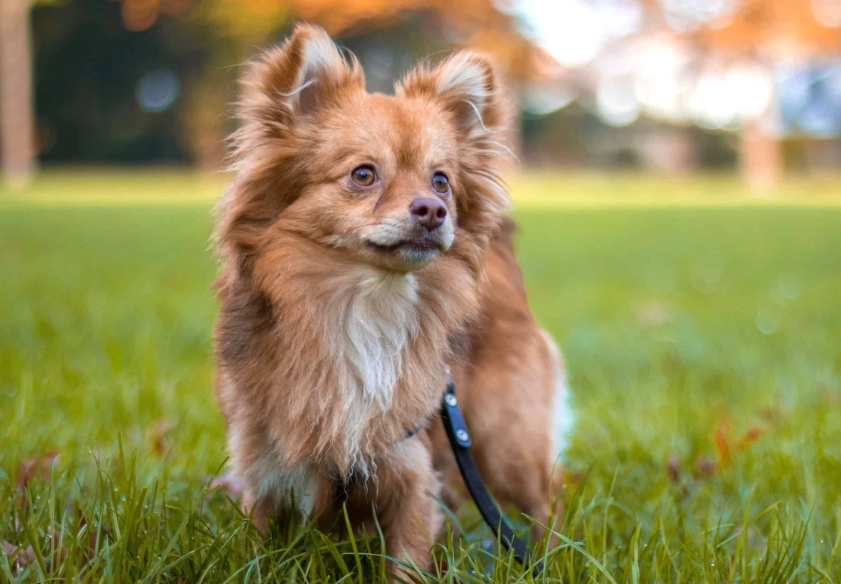
This is where many owners hit a wall. You can't bully a Pomchi into obedience. Their Chihuahua heritage makes them sensitive to harsh tones, and their Pomeranian side makes them stubborn. Yelling or punishment shuts them down or makes them defensive. Positive reinforcement is the only path that works.
Housebreaking can be a marathon. Their small bladders mean they need to go out frequently—first thing in the morning, after meals, after play, before bed. Consistency is everything. Using a crate effectively is a game-changer. It taps into their den instinct and prevents accidents when you can't supervise. The key is making the crate a happy place with treats and toys, never a punishment.
Barking is their default communication. The goal isn't to eliminate barking but to manage it. Teaching a "quiet" command is essential. I do this by saying "quiet" the moment they pause for breath during a barking fit, then immediately rewarding the silence. It takes patience. Socialization is non-negotiable. Expose them gently and positively to different people, sounds, and other calm dogs during their first year. A poorly socialized Pomchi becomes a fearful, reactive adult.
Leash training requires special mention. That boldness can lead to leash aggression (trying to chase off big dogs). A well-fitted harness is safer than a collar. Work on "watch me" commands and turning away from distractions. It's management, not a cure, but it makes walks peaceful.
Pomchi Health: Proactive Prevention Over Treatment
Being a crossbreed doesn't automatically mean hybrid vigor. Pomchis can inherit health issues from both parent lines. Knowing what to watch for lets you catch problems early.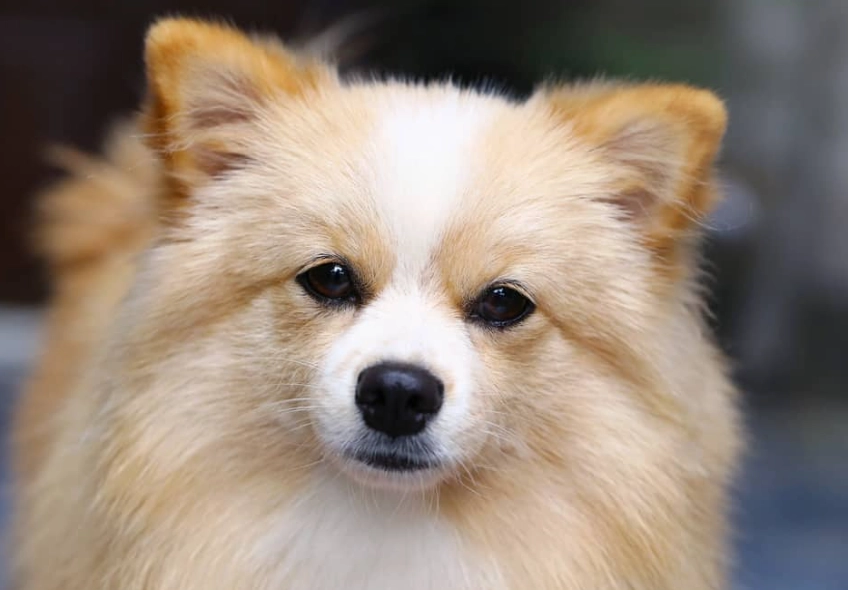
Dental Disease is the number one issue. Crowded teeth in a small mouth lead to rapid tartar buildup and gum disease. Annual dental check-ups are a must, and many will need a professional cleaning under anesthesia during their lifetime. Start home care early.
Luxating Patellas (slipping kneecaps) are common in tiny breeds. You might see your Pomchi skip a step or hold a back leg up briefly. Keeping them at a healthy weight is the best prevention. Severe cases require surgery.
Tracheal Collapse is a serious concern. Their trachea (windpipe) can be weak, leading to a honking cough. Always use a harness, never a collar attached to the neck. Avoid situations where they pull hard on the leash.
Eye Problems like dry eye or progressive retinal atrophy can occur. Regular vet visits should include an eye check. Be alert to excessive tearing, redness, or cloudiness.
Find a vet experienced with toy breeds. They'll understand the anesthesia risks (higher for small dogs) and know how to handle their sometimes-nervous temperament in the clinic. According to the American Kennel Club's resources on both Pomeranian and Chihuahua health, being informed about parent breed issues is crucial for any owner of a mixed breed.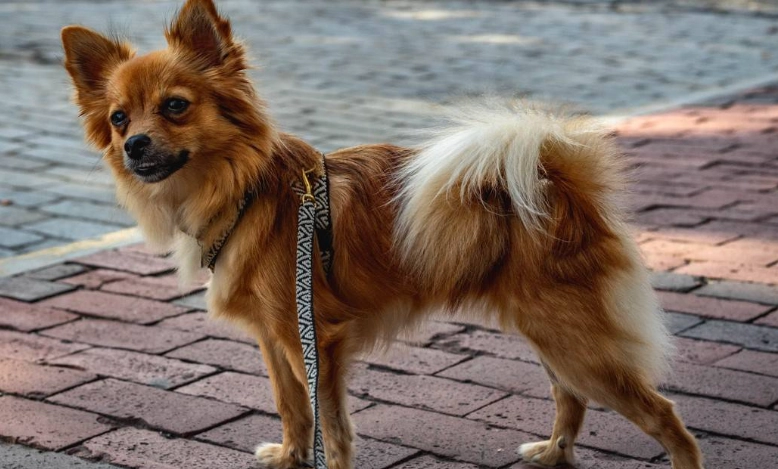
Your Pomchi Questions, Answered Honestly
 How do I stop my Pomchi from being so clingy and anxious when I leave?
Owning a Pomchi is a commitment to understanding a unique canine perspective. They're not the easiest dogs, but for the right person—someone who appreciates big personality in a small package, who values companionship over convenience, and who is ready to meet their specific needs with patience and humor—they are incredibly rewarding. They'll make you laugh, make you think, and undoubtedly keep you on your toes. Do your homework, set them up for success with proper care and training, and you'll have a devoted, sparkling little friend for years to come.
Related Articles