Rottweiler Owners Guide: Training, Care & Temperament Insights
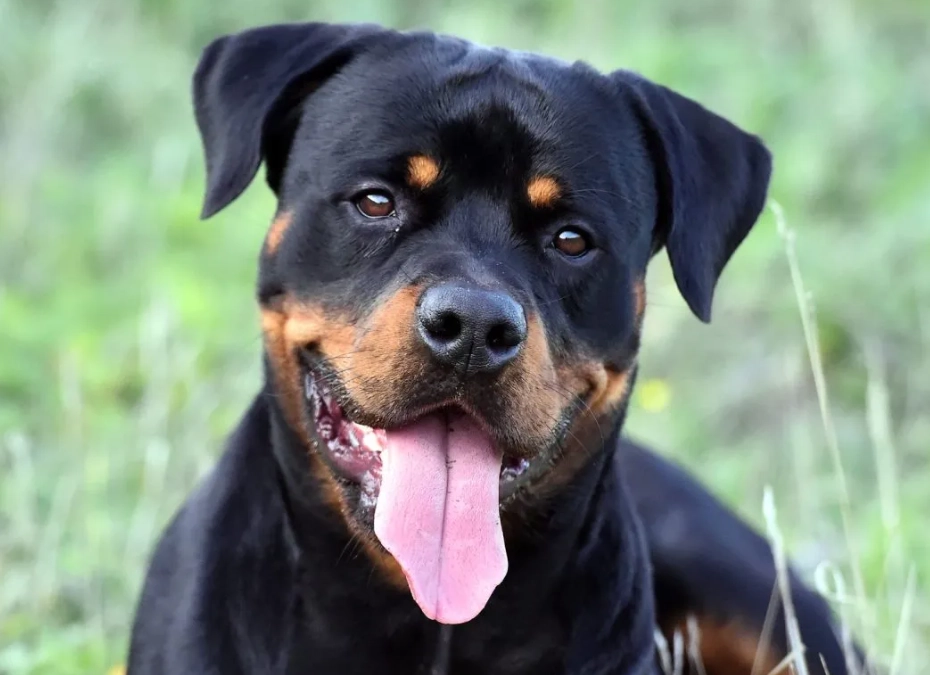
Let's be honest, the Rottweiler's reputation precedes it. You see a powerful, black-and-tan dog with a serious expression, and a flood of media-fueled images might come to mind. But having lived with and trained Rotties for over a decade, I can tell you that picture is almost always wrong. The real Rottweiler is a complex, deeply loyal, and surprisingly sensitive companion. This isn't a breed for everyone, but if you're the right person, you'll get a dog that will redefine your idea of canine loyalty. This guide cuts through the noise. We'll move past the generic advice and dive into the specifics of training a confident Rottweiler, managing their unique health needs, and understanding the temperament that makes them so misunderstood.
What You'll Discover
The Rottweiler Temperament: Confidence vs. Aggression
This is where most articles get it superficial. They'll say "loyal, protective, good with family." That's like describing a gourmet meal as "food." The core of a well-bred Rottweiler's temperament is self-assured calmness. They aren't hyper-vigilant barkers. A stable Rottie assesses a situation with a quiet confidence. The problem arises when this natural confidence is either crushed by harsh treatment or left untrained, allowing it to morph into dominance.
Their sensitivity is the most overlooked trait. Yell at a Rottweiler, and you haven't just corrected a behavior; you've damaged trust. They remember. I've seen more behavioral issues stem from owners who are inconsistently harsh than from any inherent "aggression." The American Kennel Club describes them as "calm, confident, and courageous," and that courage is passive—it's a readiness to act if needed, not a desire to seek out conflict.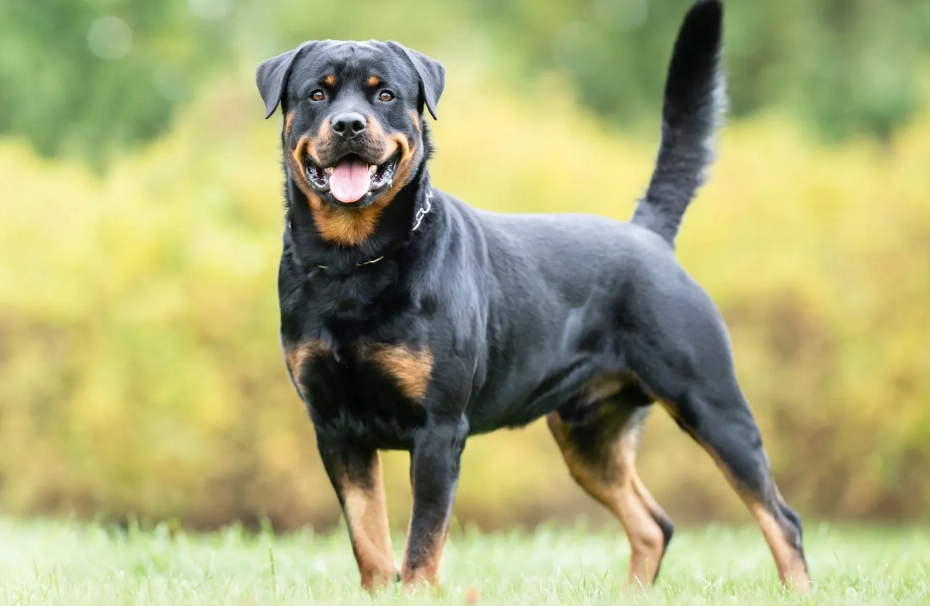
Rottweiler Training: The Two Biggest Mistakes New Owners Make
Training a Rottweiler isn't about brute force. It's about clear communication and earned respect. After working with hundreds of clients, I see two major, interconnected errors that set owners and dogs up for struggle.
Mistake 1: Waiting for "Problem Behaviors" to Start
Many people get a cute, chunky Rottweiler puppy and think formal training can wait until they're six months old. This is a critical error. By six months, a Rottweiler puppy can be 60+ pounds and already practicing behaviors you don't want—like mouthing that's too hard, jumping up, or resource guarding. Training starts day one. It's not about strict obedience; it's about teaching impulse control. Simple exercises like "sit before you get your food," "wait at the door," and handling their paws and mouth gently lay the neural pathways for a manageable adult dog.
Mistake 2: Confusing Firmness with Intimidation
The old-school idea of "showing the dog who's boss" through physical dominance is disastrous with this breed. It either creates a fearful, potentially reactive dog or challenges a strong-willed Rottie to push back. Firmness is about consistency and clarity, not volume or force. If you say "off" for jumping, it means every single time, with the same consequence (turning away, ending play). Your calm, unwavering consistency is what a Rottweiler respects.
Here’s a comparison of effective vs. ineffective training approaches for common scenarios:
| Scenario | Ineffective/Common Approach | Effective Rottweiler-Focused Approach |
|---|---|---|
| Pulling on Leash | Jerking the collar, using a choke chain. | Stopping completely the moment tension starts. Moving forward only when the leash is loose. Using a front-clip harness for management while training. |
| Resource Guarding (Food/Toy) | Taking the item away forcefully to "show dominance." | Trade-up game: Offering a higher-value treat in exchange for the item, building positive associations with your approach. |
| Unwanted Barking at the Door | Yelling "Quiet!" or "No!" | Teaching a specific, incompatible behavior like "Go to your place" (a mat) and rewarding heavily for calmness there. |
The Rottweiler Health Checklist: Beyond Hip Dysplasia
Everyone knows about hip dysplasia. Reputable breeders screen for it (ask for OFA or PennHIP certificates). But focusing solely on hips means you might miss other crucial health priorities for the breed.
Cardiac Health: Aortic Stenosis and other heart conditions are a significant concern. A pre-breeding cardiac exam by a veterinary cardiologist is non-negotiable when choosing a breeder.
Orthopedic Nuances: It's not just hips. Elbow dysplasia and cruciate ligament tears (ACL) are common. Keeping your Rottie at a lean, healthy weight is the single most impactful preventative measure you can take—more so than any supplement. I've seen a 10% weight reduction eliminate a limp in a dog scheduled for ligament surgery.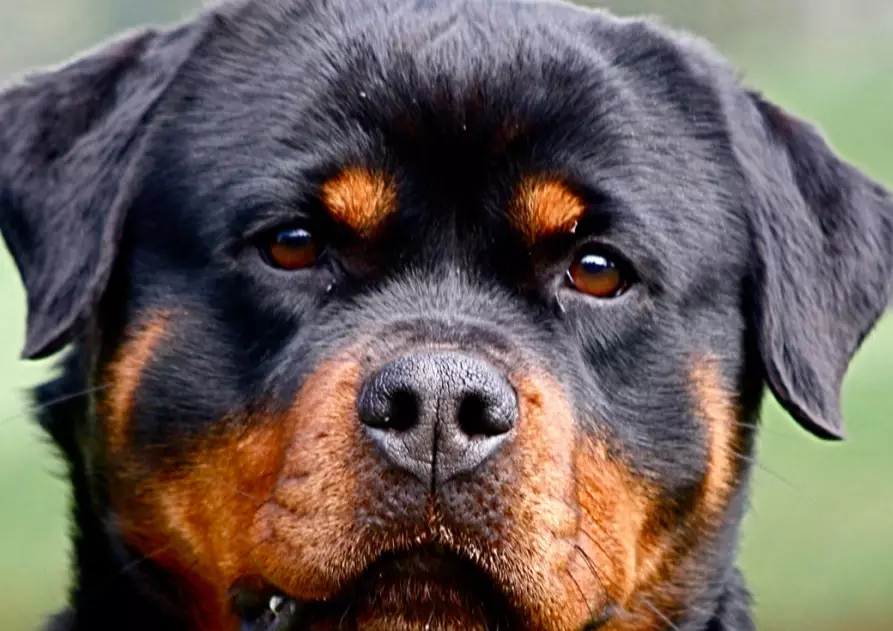
Cancers: Rottweilers have a higher predisposition to certain cancers, like osteosarcoma (bone cancer) and lymphoma. Be vigilant. Any persistent lump, unexplained lameness, or shift in energy levels warrants an immediate vet visit. Don't adopt a "wait and see" approach.
Life with a Rottie: Diet, Exercise, and Mental Stimulation
This is the practical, day-to-day stuff that generic guides gloss over.
Diet: You're feeding a large, active breed with joint concerns. Look for a high-quality commercial food formulated for large breeds, with named meat proteins (chicken, beef, fish) as the first ingredients. The protein-fat debate is endless, but for most adult Rotties, a formula with around 24-26% protein and 12-15% fat works well. Puppies need a large-breed specific puppy food to control growth rate and prevent skeletal issues. Overfeeding is a form of cruelty for this breed.
Exercise: It's not just about a long walk. A bored Rottweiler is a destructive Rottweiler. They need a job. This can be formal (obedience, tracking, cart-pulling) or informal (carrying a backpack on hikes, searching for hidden toys in the yard). Twenty minutes of structured training that makes them think is more tiring than an hour of aimless walking.
The Adolescent Phase (1-3 years): Brace yourself. This is when the sweet puppy seems to forget every command. It's not rebellion; it's neurological development. Consistency is your only lifeline. Maintain all rules, keep training sessions short and positive, and avoid major new stressors. This phase passes, and the dog you've been building emerges.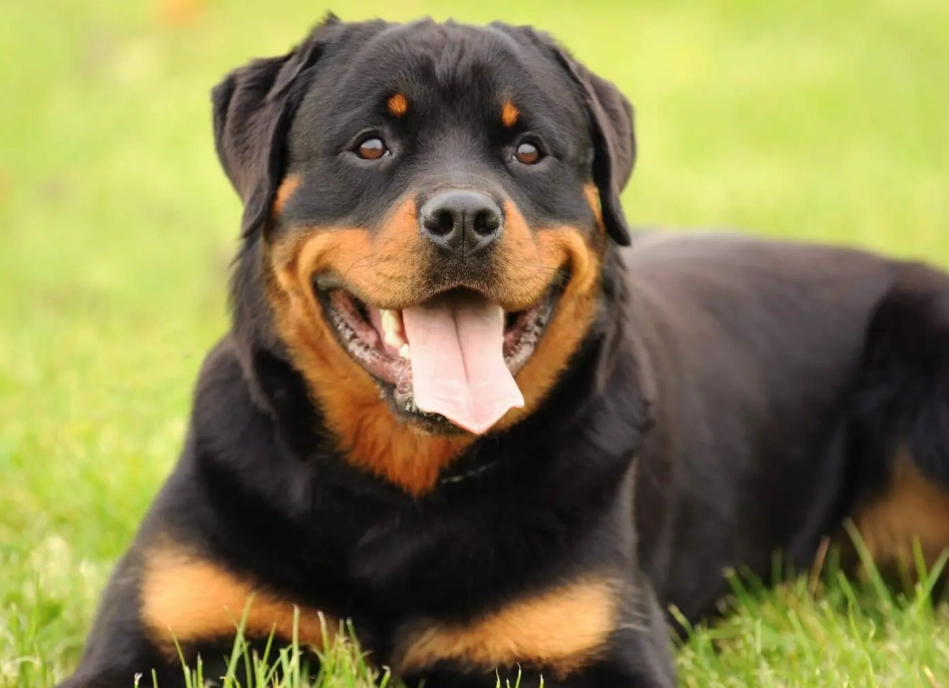
Your Rottweiler Questions, Answered
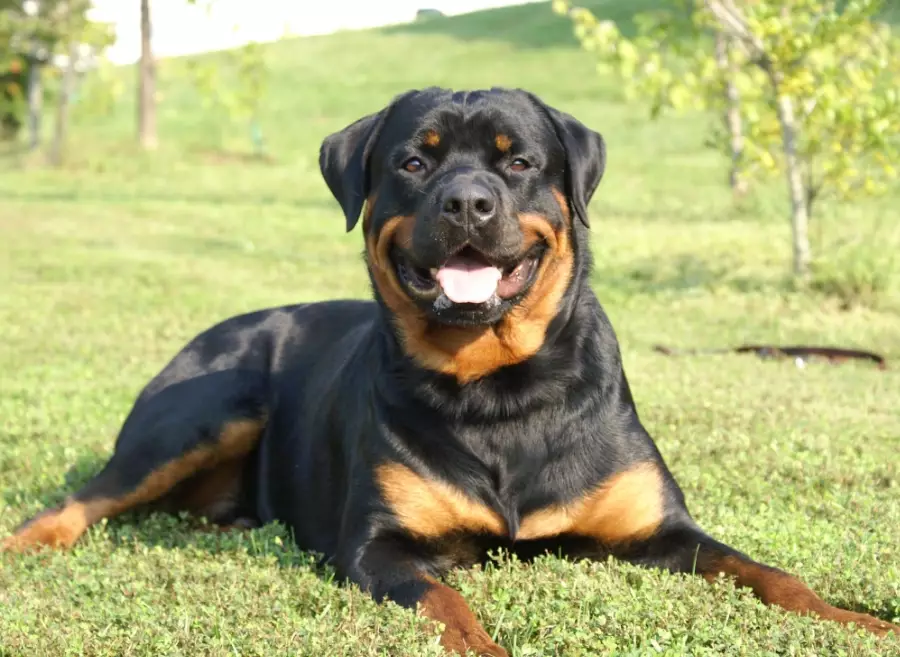 What's the one piece of gear you wouldn't own a Rottweiler without?
 Owning a Rottweiler is a significant commitment. It demands time, consistency, and a willingness to understand a powerful mind. They aren't a decorative pet. But get it right, and you don't just have a dog. You have a steadfast companion whose loyalty and quiet presence become a cornerstone of your life. The effort you put in during those first three years shapes the next eight to ten. Make it count.
Related Articles