Gentle Giants: Your Complete Guide to Mastiff Breeds & Care
You see a Mastiff and think guard dog, maybe intimidating. I get it. The sheer mass, the deep bark, the serious expression. But after 15 years of working with giant breeds and living with two English Mastiffs, I can tell you the popular image misses the mark. These aren't just big dogs; they're gentle giants with personalities more akin to a 180-pound couch potato than a fierce sentinel. The real question isn't about their strength—it's about whether your lifestyle can accommodate the drool, the food budget, and the heart-melting loyalty. This guide cuts through the myths. We'll look at the most popular Mastiff breeds, their true temperament, and the nitty-gritty of daily care that most generic lists gloss over.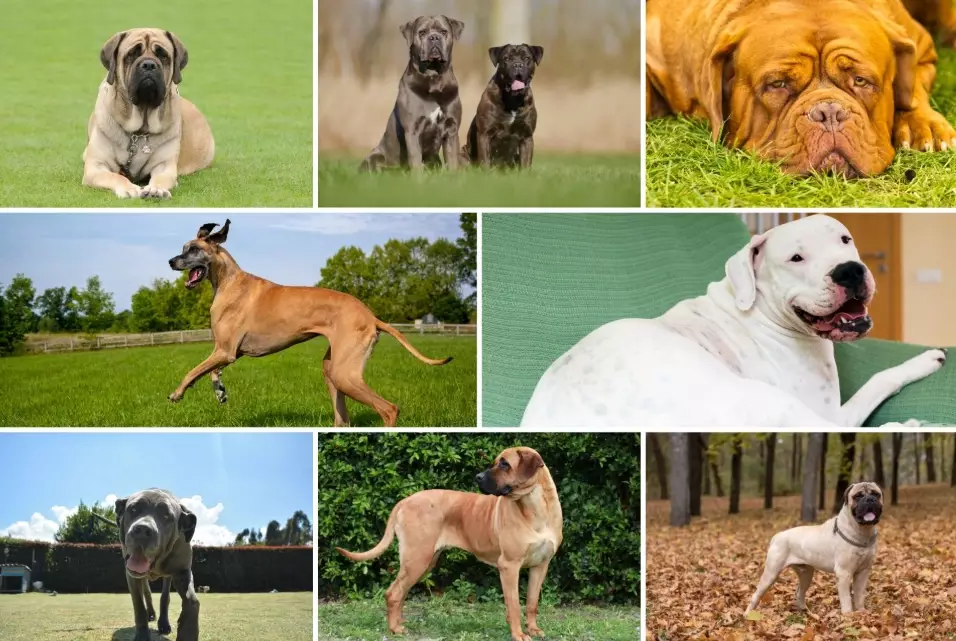
What's Inside This Guide?
- What Exactly Defines a Mastiff Breed?
- A Side-by-Side Look at Popular Mastiff Breeds
- The Mastiff Personality: Calm Guardian or Clumsy Cuddler?
- Caring for Your Gentle Giant: A Practical Checklist
- Training and Socialization: Non-Negotiables for a Mastiff
- Mastiff Health: What to Watch For From Puppy to Senior
- Your Mastiff Questions, Answered Honestly
What Exactly Defines a Mastiff Breed?
"Mastiff" isn't just one dog. It's a type. Think of it as a category for large, powerfully built dogs originally bred for guarding, hunting, or war. They share a common ancestry traced back to ancient molosser dogs. The Kennel Club (UK) and the American Kennel Club (AKC) recognize several distinct breeds under the "Mastiff" or "Working Group" umbrella. The core traits? A massive head, a broad muzzle, a heavy bone structure, and a short coat. But size varies wildly—from the 120-pound Bullmastiff to the 200-plus-pound English Mastiff. What unites them all is a generally calm, confident, and loyal disposition. They're thinkers, not manic herders or hyper-alert terriers.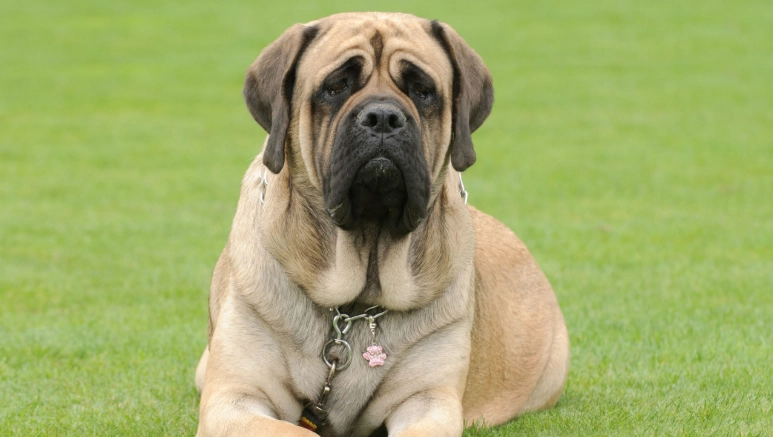
A Side-by-Side Look at Popular Mastiff Breeds
Let's get specific. Calling all large dogs "Mastiffs" is like calling all sedans "Toyotas." Here’s a breakdown of the most common breeds you'll encounter, with the details that actually matter for potential owners.
| Breed | Average Weight | Key Personality Traits | Care & Lifestyle Focus | Good For First-Time Giant Breed Owners? |
|---|---|---|---|---|
| English Mastiff | 120-230 lbs (M), 120-170 lbs (F) | Extremely gentle, dignified, lazy, profoundly loyal. The quintessential gentle giant. | Minimal exercise needs (short walks), heavy drooler, prone to joint issues. Space to lie down is crucial. | Yes, if you can handle the size and slobber. Their calm nature is forgiving. |
| Bullmastiff | 110-130 lbs (M), 100-120 lbs (F) | Fearless, confident, affectionate with family, more active than the English. Bred as a "gamekeeper's night dog." | Needs moderate daily exercise. Less drool than English. Requires firm, consistent training from day one. | Maybe. Their protective instinct is stronger. Requires an owner who understands canine psychology. |
| French Mastiff (Dogue de Bordeaux) | 110-145 lbs+ | Stubborn, incredibly devoted, clownish at home, solemn in public. Known for that massive head and expressive face. | Heat sensitive due to short muzzle. Can be a picky eater. Wrinkles need regular cleaning to prevent infection. | Challenging. The stubborn streak is real. Patience and a good sense of humor are mandatory. |
| Neapolitan Mastiff | 150-200 lbs | Calm, watchful, aloof with strangers, attached to family. The loose skin and wrinkles are a breed hallmark. | Drooling is extreme. Wrinkle care is a daily chore. Needs early socialization to avoid over-protectiveness. | No. Best for experienced owners who appreciate a natural guardian and don't mind a wet house. |
| Tibetan Mastiff | 90-150 lbs+ | Independent, strong-willed, nocturnal, fiercely protective of home. More primitive in behavior. | Needs a secure, large yard. Heavy, double coat requires serious grooming. Not a typical "obedient" dog. | Absolutely not. This is a specialist's dog, not a suburban family pet. Their independence is often mistaken for disobedience. |
See the range? Picking a Mastiff breed isn't just about which one looks coolest (looking at you, Dogue de Bordeaux). It's about matching energy, care requirements, and that often-overlooked trait: trainability. A Bullmastiff will need more activity than an English. A Neo's drool will redecorate your walls.
The Mastiff Personality: Calm Guardian or Clumsy Cuddler?
Both. It's not an act. Their default mode is a relaxed, observant state. They're not barkers without reason. A Mastiff will often position itself between its family and a door, or give a low, rumbling "woof" as a doorbell rings—more of an announcement than a threat. But with family, they are comically clumsy, loving cuddlers who believe they are lap dogs. This dichotomy confuses people.
The biggest mistake new owners make is misinterpreting this calmness as being "dull" or untrainable. They're smart. They learn quickly but can also be stubborn. They ask, "What's in it for me?" more than a border collie would. Motivation is key—often food-based.
How Mastiffs Behave With Children and Other Pets
With proper introduction and supervision, Mastiffs are famously patient with children. Their sturdy build can withstand clumsy toddler hugs. However, their size itself is the hazard. A happy tail whip can clear a coffee table. A playful turn can knock a small child over. It's about management, not mistrust. With other pets, early socialization is critical. Many coexist peacefully with cats they've been raised with, but their high prey drive can be triggered by small, fast-moving animals outside the family.
Caring for Your Gentle Giant: A Practical Checklist
This is where fantasy meets reality. Owning a Mastiff is a logistical and financial commitment. Let's break it down.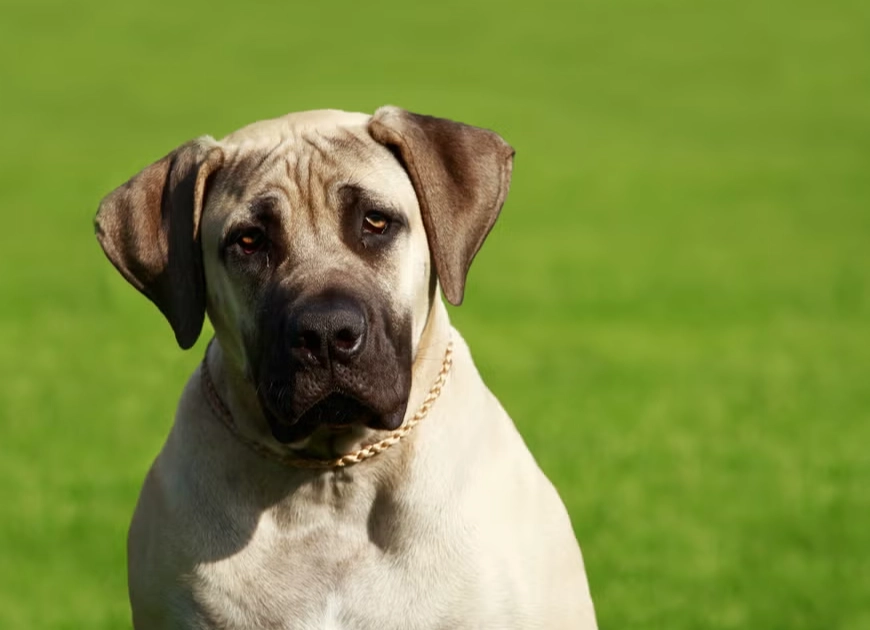
Feeding: Never let a Mastiff puppy grow too fast. Use only large-breed puppy formulas designed to control growth and support joint development. Two measured meals a day, never free-feeding. Bloat (GDV) is a real and deadly threat. Feed from a raised bowl, but avoid vigorous exercise for at least an hour before and after eating.
Grooming: Easy on paper—short coats need weekly brushing. The hidden task? Wrinkle cleaning. For Neos, Dogues, and English Mastiffs, the facial folds must be kept dry and clean to prevent painful yeast infections. A daily wipe with a damp cloth followed by thorough drying is non-negotiable.
Exercise: Contrary to belief, they are not marathon runners. Two short to moderate walks (20-30 minutes) and some backyard time usually suffice. Over-exercising puppies, especially on hard surfaces, is a direct path to joint problems later.
Space: They don't need a mansion, but they need room to stretch out comfortably. A clear floor space is their kingdom. More important than yard size is a climate-controlled environment—they overheat and get cold easily.
Training and Socialization: Non-Negotiables for a Mastiff
You cannot skip this. A poorly trained 80-lb dog is a nuisance. A poorly trained 180-lb dog is a liability. Start the day you bring your puppy home.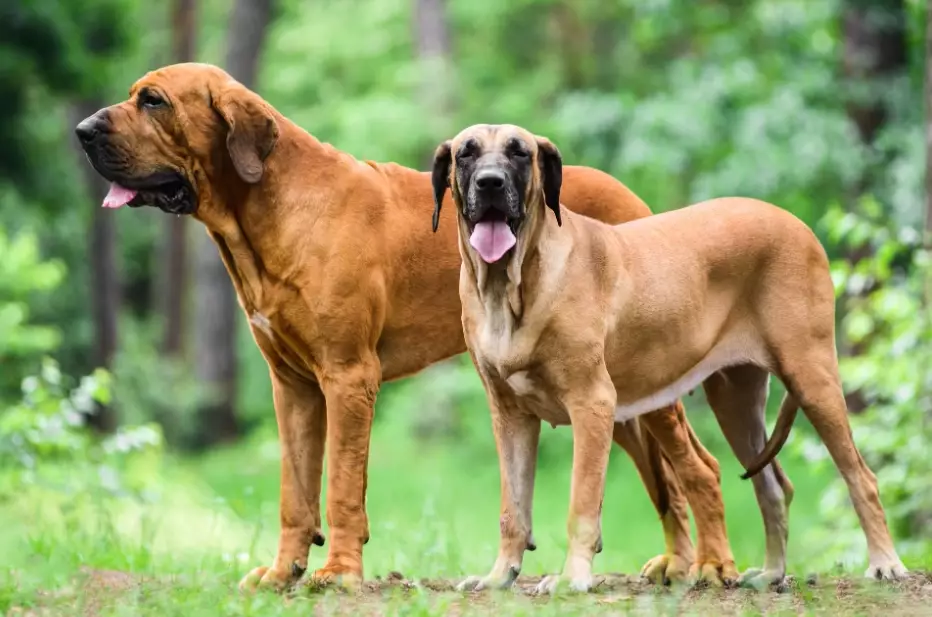
Socialization First: Expose your Mastiff puppy to EVERYTHING—different people, surfaces, sounds, other (vaccinated) dogs, hats, umbrellas, wheelchairs. Make it positive. The goal is a confident, neutral adult, not one that is fearful or reactive. The American Veterinary Society of Animal Behavior has great resources on this critical period.
Obedience Fundamentals: Focus on impulse control. "Leave it," "wait," and a solid recall are lifesavers. Leash manners are essential—being pulled over by a teenage Mastiff is not fun. Use positive reinforcement. Harsh methods will backfire spectacularly with these sensitive giants.
One subtle error I see? Owners who let puppies jump up or mouth because it's "cute." That 15-pound puppy will be 150 pounds in a year, and the behavior is no longer cute. Nip it in the bud gently but consistently.
Mastiff Health: What to Watch For From Puppy to Senior
Giant breeds have condensed lifespans (often 8-10 years) and specific health concerns. Being proactive is everything.
- Hip & Elbow Dysplasia: A malformation of the joints. Ask breeders for Orthopedic Foundation for Animals (OFA) or PennHIP clearance scores for both parents. Maintain a lean body weight to reduce stress.
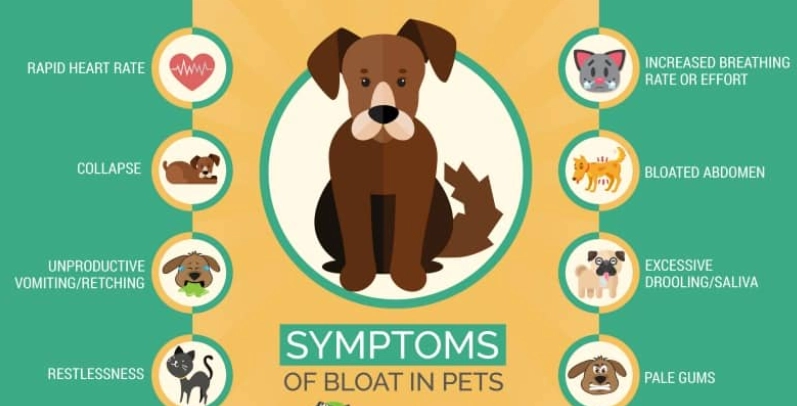
- Gastric Dilatation-Volvulus (Bloat): The stomach fills with gas and twists. It's an emergency. Know the signs: restlessness, unproductive vomiting, distended abdomen. Prophylactic gastropexy surgery (tacking the stomach) during neutering/spaying is a wise discussion to have with your vet.
- Heart Conditions: Dilated cardiomyopathy (DCM) can occur. Regular vet check-ups that include listening to the heart are key.
- Eye Issues: Entropion (eyelids rolling inward) and ectropion (rolling outward) are seen in some lines. Annual eye exams are recommended.
Find a vet experienced with giant breeds. They'll understand the dosing, the anesthesia risks, and the importance of early intervention.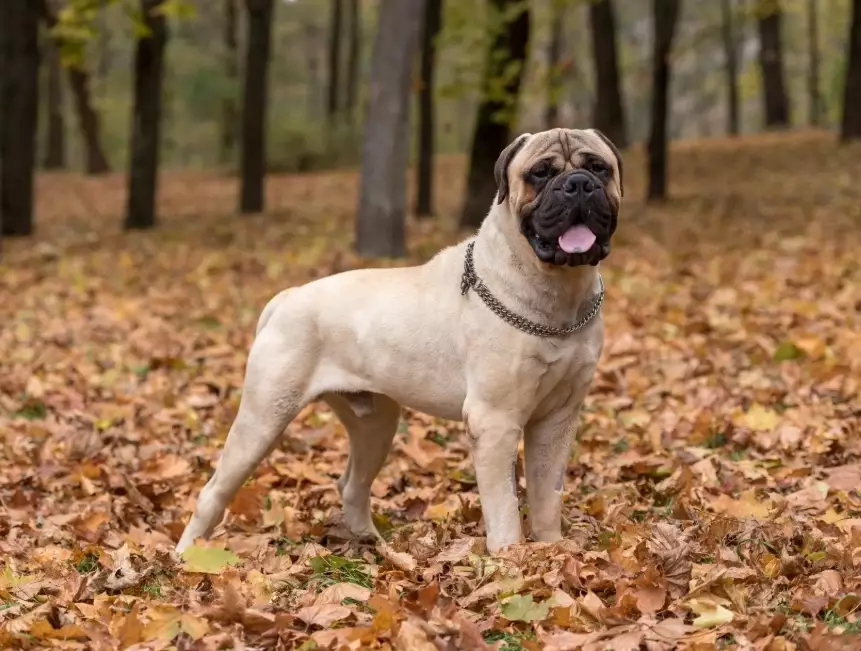
Your Mastiff Questions, Answered Honestly
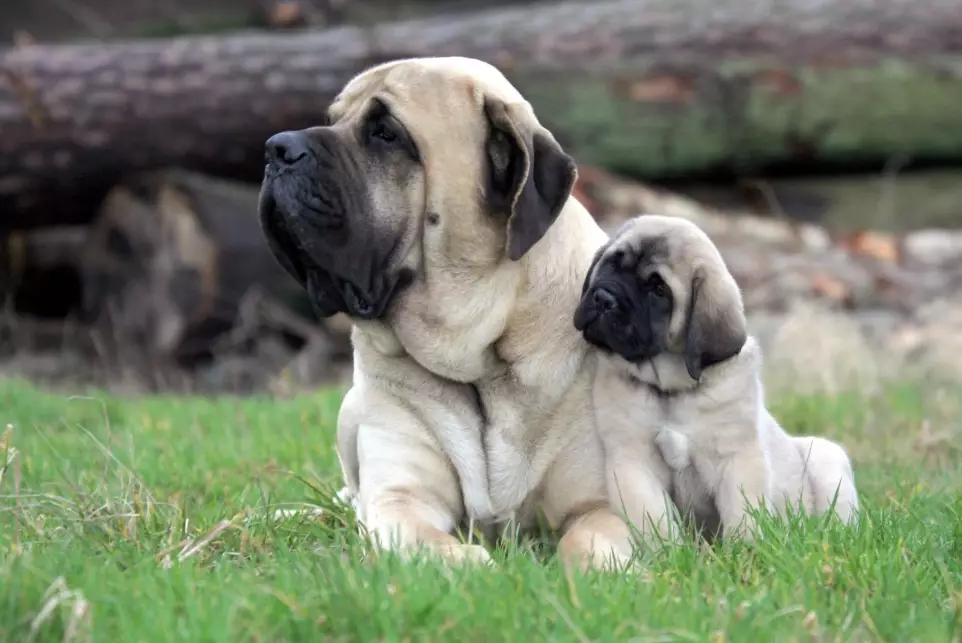 The drooling is my biggest hesitation. How do you actually manage it?
Choosing a Mastiff breed is a commitment to a specific kind of life—one filled with quiet companionship, epic shedding seasons, and a love that takes up literal and figurative space. They aren't for everyone, but for the right person or family, they are utterly irreplaceable. Do your homework, be brutally honest about your lifestyle, and if you take the plunge, you'll gain a loyal, gentle giant whose presence defines your home.
Related Articles