Feline Hyperesthesia Syndrome: A Cat Owner's Guide to Symptoms & Care
You're sitting on the couch, and your cat is peacefully napping beside you. Out of nowhere, their back skin starts to ripple and twitch like a wave. They jump up, stare at their own flank or tail with wide, frantic eyes, and then suddenly start licking, biting, or even chasing that same tail as if it's an enemy intruder. One minute they're calm, the next they're a furry bundle of nerves. If this sounds familiar, you're not alone, and you're not imagining things. Your cat might be experiencing something called feline hyperesthesia syndrome. It's a mouthful of a name—hyperesthesia basically means "super sensitivity." Some folks call it "rippling skin syndrome" or "twitchy cat syndrome," which honestly paints a clearer picture. It's this weird, complex, and frankly frustrating condition that sits at the crossroads of neurology, dermatology, and behavior. As a cat owner, it's unsettling to watch. You feel helpless. Is it a seizure? Is it pain? Are they just going crazy? The internet offers a jumble of scary and conflicting information. Let's clear that confusion up. This guide is for the cat parent who's past the initial "what on earth is that?" and is now deep in the "what do I do about it?" phase. We'll walk through what feline hyperesthesia syndrome actually looks like, what might be causing those frightening episodes, and most importantly, the practical steps you can take with your vet to manage it. It's not about a magic cure—because there often isn't one single fix—but about building a toolbox of strategies to give your cat (and you) more peaceful days. The symptoms of feline hyperesthesia syndrome can be dramatic and happen in a cluster, often in a specific order during an episode. It's like a storm building and then breaking. Not every cat shows every sign, but the combination is pretty distinctive. The muscle rippling along the spine is the poster child symptom. But look closer. You might see their tail whipping violently or twitching at the tip. They might vocalize—hissing, meowing, or crying—at nothing you can see. Some cats get a glazed, "not there" look in their eyes during an episode. The over-grooming can get so severe it leads to bald patches, usually on the back, flanks, or base of the tail. In the worst cases, a cat with feline hyperesthesia might aggressively attack its own tail, causing serious injury. It's tough to watch. You might mistake it for a flea allergy at first (and fleas can definitely make it worse). Or you might think it's a psychomotor seizure, which is a fair guess because the overlap is significant. The key difference, vets suggest, is that during a true seizure, a cat is usually not aware of its surroundings and won't respond to you. A cat in a hyperesthesia episode is often hyper-aware, just focused on the wrong thing (its own body). Why does this happen? That's the million-dollar question. Feline hyperesthesia syndrome isn't a single disease with one clear cause. Think of it more as a "clinical presentation"—a set of symptoms that can be the end result of several different problems. It's a syndrome, not a specific diagnosis. This is why just slapping a label on it isn't enough; you have to play detective. The leading theory is that it's primarily a neurological glitch. The idea is that there's a kind of short circuit in the brain or the nerves along the spine. The brain misinterprets normal sensations—like the touch of fur, or even just muscle movement—as intense itching, pain, or tingling. The cat's reaction is to try and get rid of that sensation, hence the licking, biting, and panic. Some research suggests it might be a form of obsessive-compulsive disorder or a seizure disorder localized to a specific part of the brain. But here's the critical part you need to know: that neurological sensitivity can be the primary issue, or it can be secondary to something else that's irritating the cat. Jumping straight to psych meds without checking for these other things is, in my opinion, putting the cart before the horse. A thorough vet will want to rule these out first. And we can't ignore the stress factor. Cats are masters at hiding anxiety until it comes out in physical ways. A multi-cat household with tension, a recent move, a new baby, or even just chronic boredom can lower a cat's seizure threshold and make episodes of feline hyperesthesia more frequent and severe. It becomes a vicious cycle: the cat feels a weird sensation, panics, the panic releases stress hormones, which makes the nervous system even more reactive. There's no blood test or X-ray that says "yes, this is feline hyperesthesia syndrome." Diagnosis is a process of elimination. Your vet's goal is to rule out all the other possible causes we just talked about. Be prepared for this to take time and possibly some money. Coming in with good information is key. Start by keeping a diary. It sounds tedious, but it's gold for your vet. Note when episodes happen: time of day, what was going on in the house, where you were petting them, what they ate. A video is worth a thousand words—if you can safely capture an episode on your phone, do it. It shows the vet exactly what you're dealing with better than any description. The vet visit will likely involve a very thorough physical exam, feeling along the spine and tail for any pain or abnormalities. They'll do a skin scrape to look for mites and use a flea comb. They'll probably recommend a rigorous flea control trial, even if you've never seen a flea. I know, it seems basic, but you'd be amazed how often this is the missing piece. Blood work (a CBC, chemistry panel, and thyroid check) is standard to rule out systemic illness like hyperthyroidism. If all those come back normal, and the symptoms fit, then a diagnosis of primary or idiopathic feline hyperesthesia syndrome is on the table. "Idiopathic" is doctor-speak for "we don't know the exact cause." In some cases, if spinal pain is suspected, your vet might suggest X-rays or a referral to a veterinary neurologist. The American College of Veterinary Internal Medicine has resources on finding specialists if you need to go that route. Okay, so your vet has ruled out the big stuff and you're looking at managing this condition long-term. Management is the right word, not cure. The plan is almost always multi-pronged, addressing potential triggers from several angles. Think of it as building a cushion of calm around your cat's sensitive nervous system. This is your first and most important line of defense. It's non-invasive and can make a huge difference. The aim is to reduce overall stress and identify specific triggers. Identify and Avoid Triggers: Use your diary. Does petting along the lower back always start an episode? Then stop petting there. Stick to the head, chin, and cheeks. Does seeing a bird out the window get them too amped up? Consider subtle window film on the lower half of the window. Are episodes worse when the house is chaotic? Create predictable routines for feeding and play. Create Safe Spaces: Every cat needs a fortress of solitude, but for a cat with hyperesthesia, it's essential. Provide high perches, covered beds, or even a quiet room they can retreat to when they feel an episode coming on or just need to decompress. Increase Appropriate Play: Boredom is fuel for anxiety. Use interactive wand toys to let them safely hunt and burn energy. Schedule play sessions before likely stressful times (like when kids come home from school). This helps burn off nervous energy in a healthy way. Consider Pheromones: Synthetic feline facial pheromones (like Feliway) in a diffuser or spray can create a signal of familiarity and safety in the home. They don't work for every cat, but they're a low-risk tool that's worth a try. Diet can play a supporting role. Some cats with neurologic or skin issues benefit from diets higher in certain fatty acids, like omega-3s (EPA/DHA), which have anti-inflammatory properties. In one study I read, some cats with presumed compulsive disorders (which can overlap with FHS) showed improvement on diets formulated with specific amino acid profiles. It's not a primary treatment, but talk to your vet about whether a diet change or a supplement might be a helpful part of the puzzle. Always consult your vet before adding any supplement. If environmental and behavioral management aren't enough to control the episodes—if your cat is hurting itself, losing hair, or is constantly anxious—then medication is a reasonable and often necessary next step. The thought of medicating your cat can be scary, but for severe cases, it's a kindness. It breaks the cycle of anxiety and reaction. Medications used for feline hyperesthesia syndrome typically aim to calm the nervous system. They might be anti-anxiety drugs, anticonvulsants (for their nerve-calming effects), or even low-dose pain relievers if a pain component is suspected. Gabapentin is a common one vets reach for; it's technically a pain medication but has calming and anti-anxiety effects in cats. Other options include SSRIs (like fluoxetine) or clomipramine, which are used for anxiety and compulsive disorders. Finding the right medication or combination can take some trial and error. Patience is key. The Cornell Feline Health Center is an excellent, trustworthy resource for understanding these treatments in more depth. The journey with feline hyperesthesia syndrome is unique for every cat and owner. It starts with that moment of alarm—seeing your cat behave in a way that seems disconnected from the world around them. From there, it moves to partnership with your veterinarian, systematically ruling out other causes. The path forward is built on a combination of keen observation, environmental crafting, and sometimes, medical support. It's about shifting from a mindset of "curing" to one of "managing" and providing comfort. The most important thing to remember is that you are not powerless. By understanding the possible neurological, dermatological, and behavioral components of feline hyperesthesia syndrome, you become an expert in your own cat's needs. You learn to read their subtle signs, you create a home that minimizes their stress, and you work with your vet to find the right support system. That twitchy skin and those frantic episodes don't have to define your cat's life. With a thoughtful, multi-faceted approach, you can help them find their way back to a much more peaceful state of mind.In This Guide
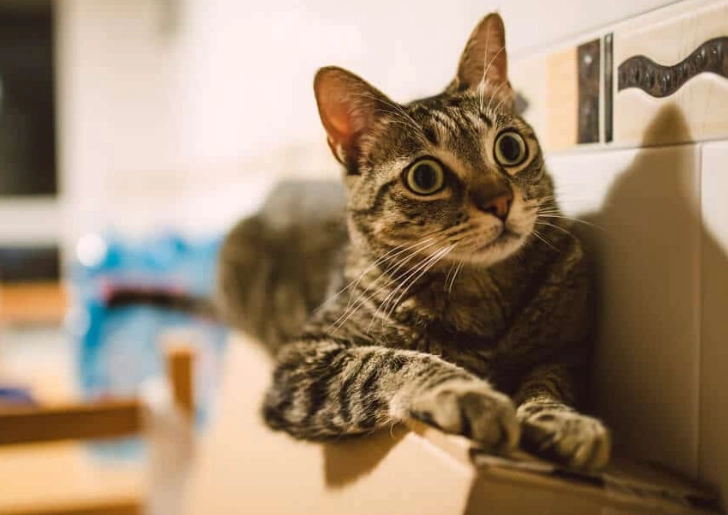
What Exactly Are You Seeing? The Signs of Feline Hyperesthesia
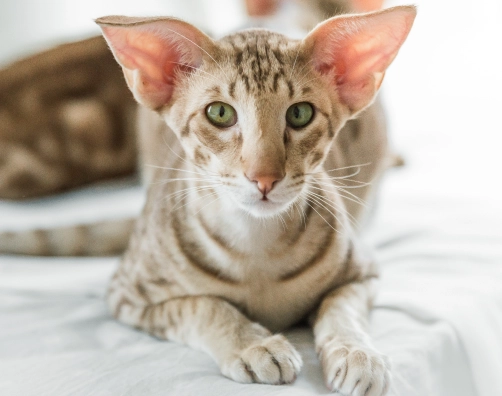
Symptom
What It Looks Like
Common Triggers Owners Notice
Skin Rippling/Rolling
Visible waves or twitches under the skin along the spine, especially lower back.
Petting (especially along the back), excitement, stress.
Sudden Aggression (toward self or others)
Biting or attacking own tail/flank; hissing or swatting if touched during episode.
Being approached while agitated, touching a specific area.
Frantic Over-grooming
Excessive licking, chewing, or pulling at fur, often in one spot.
Following an episode, or during periods of stress or boredom.
Tail Chasing & Twitching
Violent tail whipping, chasing tail in circles, focused stare at tail.
High arousal (play, seeing birds), seemingly at random.
Dilated Pupils & "Hallucinating"
Wide, black eyes, staring intently at nothing or at own body.
Often present during the peak of an episode.
Sudden Bolting
Cat dashes away wildly as if startled or chased.
End of an episode, like a circuit breaker tripping.
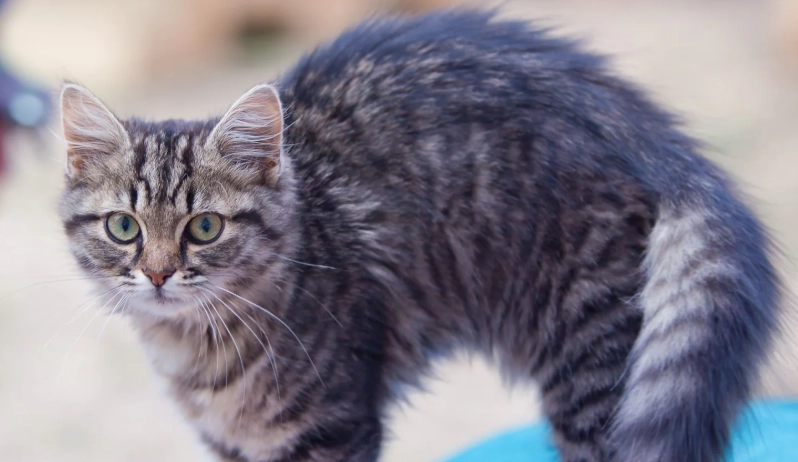
Peeling Back the Layers: What's Really Causing the Twitching?
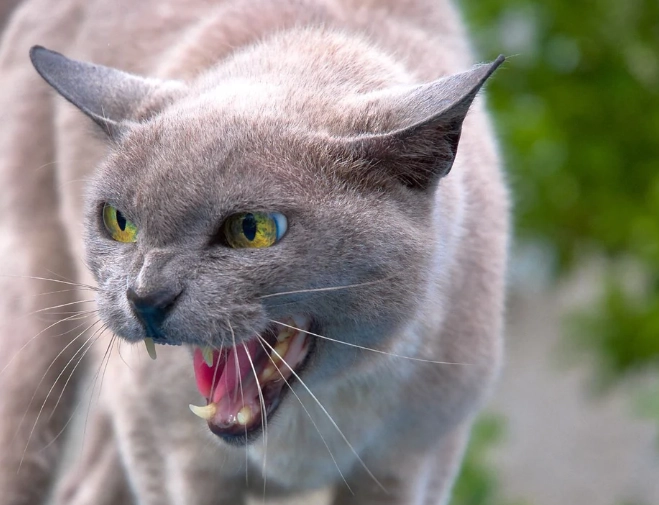
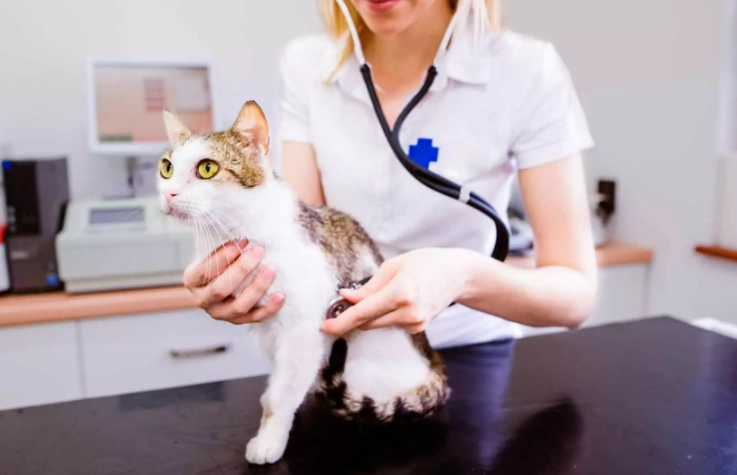
Getting a Diagnosis: What to Expect at the Vet
Managing and Living With a Cat with FHS
The Foundation: Environmental and Behavioral Tweaks
The Nutritional Angle
When Medication Becomes an Option
Common Questions Cat Owners Ask (The FAQ You Actually Need)