Can You Give a Dog Benadryl? A Complete Vet-Approved Guide for Pet Parents
Let's be real. You're probably reading this because your dog is driving you nuts with the scratching, or maybe they're panting and anxious about a thunderstorm. You've heard somewhere—maybe from a friend, a breeder, or a random forum—that you can give a dog Benadryl. And you're wondering if it's actually safe, or if it's just another piece of risky internet advice. I get it. I've been there myself. Watching your pup suffer with itchy skin or sheer panic during fireworks is heart-wrenching. You just want to help. So, let's cut through the noise and get straight to the point. The short answer is yes, but it's a huge, flashing "BUT." You can give a dog Benadryl (diphenhydramine) in many common situations, but only if you do it exactly right. Get the dose wrong, or give it for the wrong reason, and you could do more harm than good. This isn't just about reciting a dosage chart. It's about understanding the why, the when, and the massive list of "watch outs." We'll cover everything from calculating the correct Benadryl for dogs dosage based on your dog's actual weight, to the scary side effects nobody talks about, and the situations where giving Benadryl is a genuinely bad idea. My goal here is to give you the complete picture, so you can make an informed decision with your vet, not just follow a random tip. Because your dog's health isn't something to gamble with. Benadryl is the brand name most of us know for the drug diphenhydramine. It's an antihistamine. In simple terms, it blocks histamine, a chemical your body (and your dog's body) releases during an allergic reaction. That histamine is what causes all the classic symptoms: itching, hives, sneezing, and runny eyes. But here's something a lot of people miss. Diphenhydramine also has a mild sedative effect. That's why it's sometimes sold as a sleep aid for humans. In dogs, this sedating effect is why it's occasionally used for anxiety or motion sickness—it's not treating the root cause of the anxiety, it's just making them drowsy enough to cope. It's crucial to understand this dual purpose. If you're giving Benadryl for allergies, you're targeting the histamine. If you're giving it for travel anxiety, you're purely banking on the sedation. Knowing which effect you're aiming for changes how you judge if it's working. So, when is it appropriate to consider giving Benadryl to your dog? Veterinarians generally agree on a few specific scenarios. I always think of it as a temporary helper, not a cure. This is the most common and straightforward use. Think of things like: My own dog, a Labrador, gets a few hives every spring. After confirming with my vet, a single dose of Benadryl usually calms it right down within an hour. But it took that vet consultation to be sure it wasn't something more serious. The sedative effect can take the edge off for car rides. It's not a magic bullet for severe phobias, but for a dog who just gets a bit restless or nauseous, it can make travel less stressful for everyone. You have to give it about 30-60 minutes before the trip for it to kick in. Think thunderstorms or fireworks. Again, it's a sedative, not an anti-anxiety medication. It might help your dog sleep through the noise, but it won't address the underlying fear. For many dogs with severe noise phobia, it's not strong enough, and better prescription options exist. Can you give a dog benadryl for itching from a hot spot? Maybe, but it's a band-aid. The hot spot itself is often a secondary bacterial infection from all the scratching and licking. Benadryl might reduce the itch so they stop making it worse, but you'll likely still need a vet to treat the infection. This is the part you absolutely cannot guess at. Getting the dosage wrong is the fastest way to turn a helpful medication into a dangerous one. The standard veterinary dosage for diphenhydramine (Benadryl) is 1 mg per pound of your dog's body weight, given 2-3 times per day. Let's break that down because it's not as simple as it sounds. First, you need your dog's accurate weight in pounds. Not "he's about 50 pounds." Get on the scale holding him, then weigh yourself alone, and do the math. That precision matters. Second, you need to check the Benadryl you have. You must use plain Benadryl (diphenhydramine ONLY). Do not, under any circumstances, use combination products. No Benadryl-D (has pseudoephedrine), no Benadryl with acetaminophen or ibuprofen. These additives are often highly toxic to dogs. Just plain diphenhydramine. Most over-the-counter Benadryl tablets are 25 mg each. So, for that standard 25 mg tablet: See how it scales? For very small dogs, you might need children's liquid Benadryl, which is usually 12.5 mg per 5 mL teaspoon. But you have to be extra careful with the liquid to ensure it's diphenhydramine-only and to measure it precisely with an oral syringe, not a kitchen spoon. Pro Tip: Always, always, always run this math by your veterinarian before you give the first dose. They know your dog's health history. They can confirm if this dosage is right for your specific dog and if giving Benadryl is even the best approach for the problem. This is the section most blog posts gloss over, and it's arguably the most important. Knowing when not to give Benadryl is just as critical as knowing how to give it. If your dog has any of the following, giving Benadryl could be dangerous: This is why a vet chat is non-negotiable. You might not know your dog has early-stage heart disease. Benadryl can interact badly with other medications. It's a big no-no if your dog is already on: This is a common mistake. Benadryl will do nothing for: Even when given correctly, Benadryl can cause side effects. Most are mild and temporary, but you need to recognize the bad ones. Common, usually mild side effects: My dog just gets super sleepy and sometimes gives me a look like, "What did you do to me?" It passes in a few hours. Serious side effects that require an immediate call to your vet or the animal poison control center: An overdose is a real risk if you miscalculate or if your dog gets into the bottle. Symptoms of overdose include all of the serious side effects above, and can be fatal. If you suspect an overdose, time is critical. Contact the ASPCA Animal Poison Control Center (888-426-4435) or the Pet Poison Helpline (855-764-7661) immediately. There's usually a fee, but it's worth it. If you're wondering can you give a dog benadryl every day for chronic allergies, please stop and talk to your vet. Long-term, daily Benadryl use is not ideal. Dogs can develop a tolerance, making it less effective, and you're constantly managing side effects. For chronic issues like year-round allergies or severe anxiety, there are better, more targeted options: Investing in a veterinary dermatology consultation or a behaviorist can seem expensive upfront, but it often saves money and heartache compared to years of band-aid solutions that don't really work. Let's put this all together into a practical checklist. Before you even open the bottle, run through this list. Following these steps is the difference between responsible pet care and a potential emergency. Look, the internet is full of quick fixes. Giving your dog a piece of your own medicine feels easy and cheap. And sometimes, for a one-off mild issue, it can be perfectly fine. But it's never without risk. The core question, "can you give a dog benadryl," has a layered answer. Yes, the medication itself is often safe. No, the act of giving it without proper knowledge, vet approval, and the right context is not safe. Your dog relies on you to make the best choices for their health. Sometimes the best choice is giving a vet-approved dose of Benadryl for a bee sting. Sometimes the best choice is skipping the Benadryl entirely and driving to the emergency clinic for sudden facial swelling. And sometimes the best choice is investing the time and money to find out why your dog is chronically itchy or anxious, so you can treat the cause, not just the symptom. Use this guide as a reference. Bookmark it. Share it with your dog-owning friends. But always, let your veterinarian have the final say. Their expertise, combined with your love and observation, is the real recipe for keeping your furry friend happy, healthy, and scratch-free.Your Guide to Safe Benadryl Use
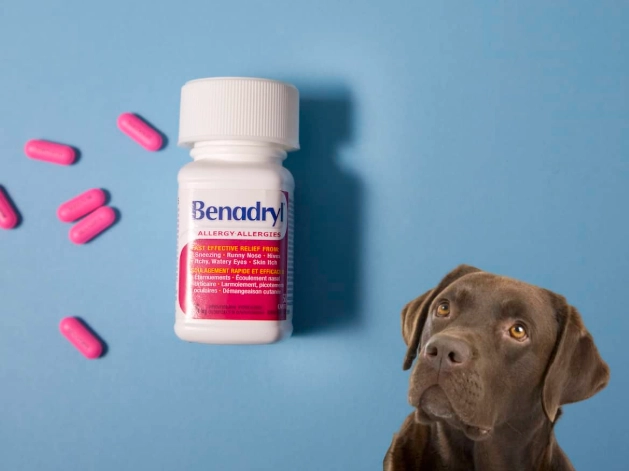
What is Benadryl, and How Does It Actually Work in Dogs?
The Real Reasons Vets Say It's Okay to Give a Dog Benadryl
For Mild Allergic Reactions
For Mild Motion Sickness or Travel Anxiety
As a Mild Sedative for Specific Events
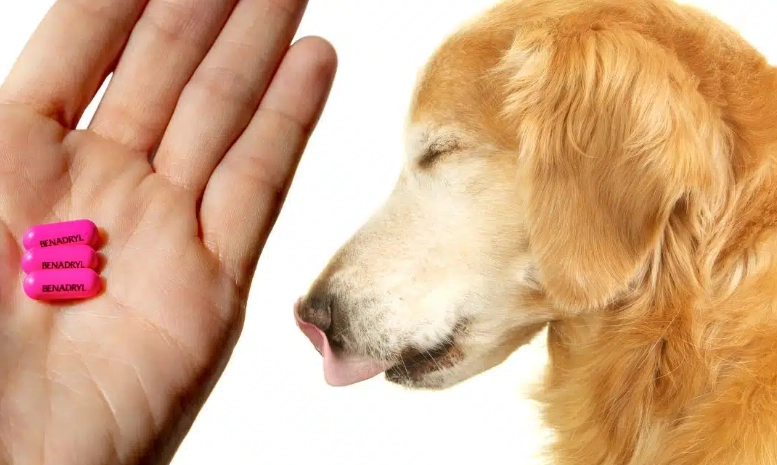
The Golden Rule: The Correct Benadryl for Dogs Dosage

Dog's Weight
Dosage (mg)
How Much of a 25mg Tablet
10 lbs
10 mg
About 1/2 a tablet
25 lbs
25 mg
1 tablet
50 lbs
50 mg
2 tablets
75 lbs
75 mg
3 tablets
The Risks and "Do Not Use" Scenarios
Medical Conditions That Don't Mix with Benadryl
Drug Interactions You Must Avoid
When the Problem is NOT an Allergy
What to Expect: Side Effects and When to Panic

Beyond Benadryl: Safer Alternatives and Long-Term Solutions
Your Action Plan: Step-by-Step Guide to Giving Benadryl Safely
Answering Your Burning Questions
Wrapping It Up: The Bottom Line on Benadryl and Dogs