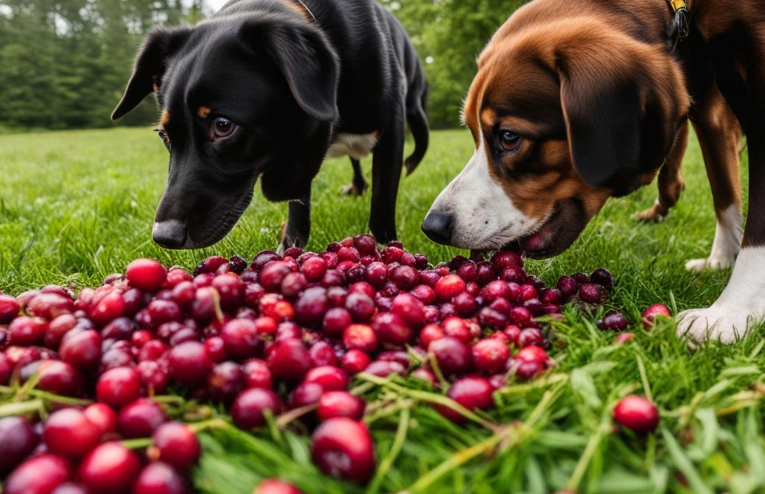
Can Dogs Have Cranberries? A Vet-Reviewed Safety & Feeding Guide
You’re standing in the kitchen, maybe making a sauce or just snacking, and your furry friend gives you that look. You glance down at the cranberries in your hand. It’s a simple question, but the answer isn’t always black and white. Can dogs have cranberries? Is it a healthy treat or a hidden danger? I’ve been there. My own dog, a curious Labrador mix, once snagged a dried cranberry that fell on the floor. The panic that followed sent me down a rabbit hole of research, calls to my vet, and more than a few confusing articles. Some said it was fine, others screamed danger. It was frustrating. So let’s cut through the noise. Based on veterinary guidance and a lot of personal digging, here’s what you really need to know. The Short Answer: Yes, in most cases, dogs can have cranberries. Plain, fresh, or unsweetened dried cranberries are generally considered safe for dogs in small, infrequent amounts. They’re not toxic like grapes or raisins. But—and this is a big but—there are critical rules and serious risks you must know about first. Let’s start with the foundation. The American Society for the Prevention of Cruelty to Animals (ASPCA) does not list cranberries as toxic to dogs. That’s a huge relief and our starting point. You can check their extensive toxic and non-toxic plants database for confirmation. But “non-toxic” doesn’t mean “unlimited buffet.” It means the fruit itself isn’t poisonous. Think of it like cheese for dogs—many can handle a little, but too much causes problems, and some dogs just shouldn’t have it at all. The core issue when asking can dogs have cranberries isn’t the berry’s flesh. It’s everything else that comes with it. This is where most owners get tripped up. We think of the fruit, but we forget about the form it comes in. Urgent Warning: If you suspect your dog has ingested any product containing xylitol, contact your veterinarian or an animal poison control center like the ASPCA Animal Poison Control Center (APCC) immediately. Time is critical. Okay, so with all those warnings, why would anyone ever let their dog have cranberries? Well, the raw fruit does have some potential upsides, primarily due to certain compounds. Cranberries contain proanthocyanidins (PACs). In humans, these are famous for helping prevent certain bacteria, like E. coli, from adhering to the walls of the urinary tract. This is the science behind cranberry juice for UTIs. The theory for dogs is similar. Some holistic vets and pet nutritionists suggest that cranberries might support urinary tract health in canines. The idea is that the PACs might make it harder for bacteria to stick to the bladder wall. My vet was pretty measured about this. She said, “There’s some promising anecdotal evidence and the mechanism makes sense, but we don’t have the same volume of rigorous clinical studies for dogs as we do for humans.” She views it as a possible supportive measure, never a replacement for prescribed antibiotics if a dog has a diagnosed UTI. Beyond urinary health, cranberries are also a source of: Let’s be real, though. Your dog isn’t going to eat enough cranberries to get a massive nutritional boost. The benefits are more about the specific urinary tract compounds than general vitamins. If you’ve weighed the risks and your vet has given the okay for your specific dog, here’s the only safe way to do it. Think of this as the mandatory protocol. This is non-negotiable. You must control what goes in. This isn’t a treat to eyeball. Overdoing it guarantees a mess to clean up. Cranberries are acidic and fibrous. A good general rule is the 10% rule: treats and human foods should not make up more than 10% of your dog’s daily caloric intake. For cranberries, we go even smaller because they’re not a dietary staple. Pro Tip: Always start with one single berry to see how your dog’s stomach reacts. Wait 24 hours. If no signs of digestive upset (vomiting, diarrhea, gas), you can consider the occasional berry as a treat. Chop fresh cranberries into smaller pieces to prevent choking, especially for small dogs. You can mash them and mix a tiny amount into their regular food. For dried cranberries, rehydrate them in a bit of water to make them easier to chew and digest. Never, ever just pour juice into their water bowl or give them a scoop of Thanksgiving relish. That’s asking for trouble. The bottom line? If you’re going to let your dog have cranberries, keep it plain, keep it minimal, and keep it rare. Context matters. It’s not just about the berry, but about the dog eating it. Some owners, under direct vet supervision, use a precise amount of unsweetened cranberry as part of a management plan for recurrent, mild urinary issues. This is not a DIY project. It’s a specific, measured, veterinary recommendation. For the average healthy dog, it’s just an occasional tart curiosity. Accidents happen. The dog jumps on the counter, the bag of dried cranberries spills. What then? First, don’t panic. Cranberries themselves aren’t a toxin. The immediate concern is gastrointestinal upset and, depending on the product, sugar or xylitol. When in doubt, a call to your vet or poison control is always the safest move. It’s better to be told it’s nothing than to wait and see a crisis develop. I get it. You still have questions. Here are the ones I asked, my vet asked me, and that pop up in every forum. Honestly? For most dog owners, probably not. Look, I’m not a vet, just an owner who’s done the homework and lived through the worry. The benefits of cranberries for dogs are potential, minor, and specifically related to urinary health. The risks—especially from misreading a label and getting xylitol or sugar—are immediate and concrete. If your dog is healthy and you really want to give them a berry, a fresh blueberry or a slice of strawberry is a sweeter, safer, and more enjoyable experience for both of you. The question can dogs have cranberries has a technical “yes,” but the more practical question is should they? And often, the answer is there’s just no compelling reason to introduce this particular tart, tricky fruit into their diet. Your dog’s health isn’t a guessing game. When it comes to food, simple and safe almost always wins. If you’re ever concerned about your dog’s urinary health or diet, the best resource is always a conversation with your veterinarian. They know your dog, and they can give you advice that no article—no matter how detailed—ever could. So next time you’re holding a cranberry and see those begging eyes, maybe just give them an extra scratch behind the ears instead. They’ll love you just the same, and you’ll both sleep easier.Quick Navigation
The Real Deal on Cranberries and Dog Safety

The Major Red Flags: What Makes Cranberries Risky?
Potential Benefits: Why You Might Even Consider It
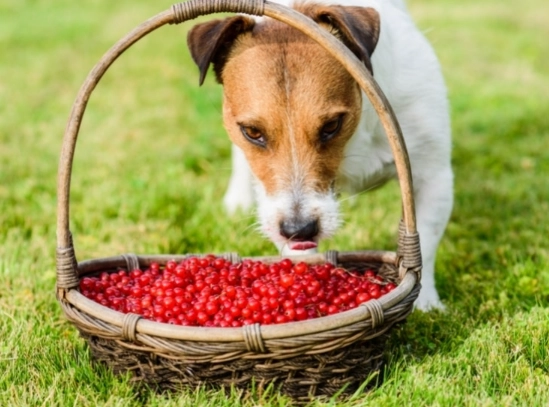
How to Safely Feed Cranberries to Your Dog (If You Decide To)
Step 1: Choose the Right Form

Form of Cranberry
Safe for Dogs?
Key Notes & Precautions
Fresh, Raw Cranberries
Yes (Best Option)
Wash thoroughly. Can be fed whole, chopped, or lightly mashed. They are very tart, so most dogs will make a funny face.
Plain, Unsweetened Dried Cranberries
Yes, with Caution
You must read the label! It must say only cranberries, no added sugar, juice, or oils. Still high in natural sugars, so serve even less.
Frozen Cranberries
Yes
Thaw or serve frozen as a cool treat. Ensure no added ingredients.
Unsweetened Cranberry Sauce/Puree (Homemade)
Maybe
Only if you make it yourself with just cranberries and water. No sugar, xylitol, oranges, or spices.
Commercial Cranberry Sauce/Juice/Cocktail
NO
Almost always contains high sugar, artificial sweeteners (xylitol risk), and other additives. Avoid completely.
Cranberry Supplements for Dogs
Consult Your Vet
These exist, but dosage and quality vary wildly. Only use under direct veterinary guidance for a specific health concern.
Step 2: Determine the Correct Serving Size

Step 3: Prepare and Serve Safely
When Can Dogs Have Cranberries? And When Should They Absolutely Not?
Dogs Who Should Avoid Cranberries Entirely
Possible Situations Where It Might Be Considered
What Happens If a Dog Eats Too Many Cranberries?
Your Cranberry for Dogs Questions, Answered
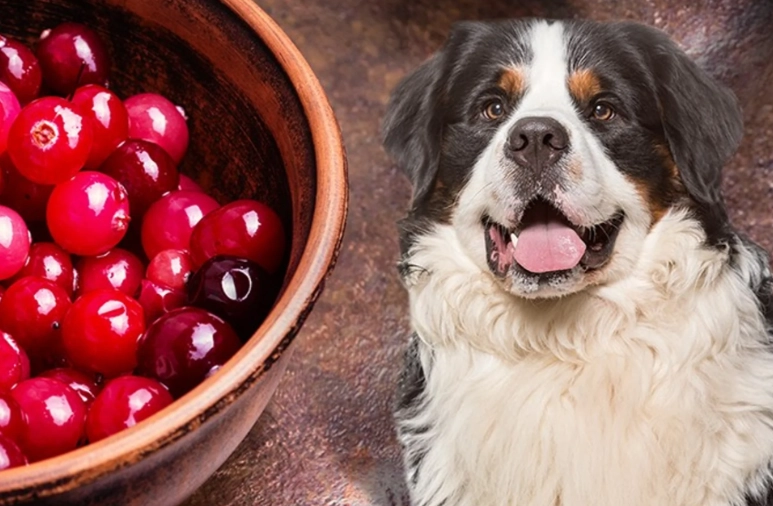
My Final Take: Is It Worth It?