Big Cat Breeds: The Ultimate Guide to Large Domestic Cats
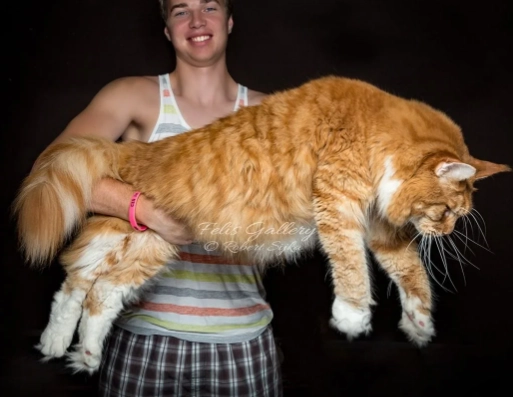
Ever walk into a room and see a cat that makes you do a double-take? I'm not talking about a small lion at the zoo, but a domestic feline so large it seems to belong in a different category altogether. That's the world of big cat breeds. It's a world of gentle giants, fluffy behemoths, and surprisingly agile large companions that defy the typical image of a house cat. Let's be honest, there's something incredibly appealing about a giant cat. Maybe it's the presence they command, or the idea of a lap cat that actually covers your entire lap. But before you get swept up in the dream of owning a miniature panther, there's a lot to unpack. What exactly qualifies as a "big" cat breed? How do you care for one? And are they really just like regular cats, but... more? I've spent years around cats of all sizes, from tiny rescues to some of the largest pedigreed breeds out there. I remember the first time I met a full-grown male Maine Coon. He didn't just walk into the room; he arrived. His purr was like a small engine, and his paws were the size of a toddler's hands. It was a revelation. But I've also seen the challenges – the bigger food bills, the need for XL-sized everything, and the sheer force behind a playful swipe from a 20-pound cat. It's not all cute Instagram photos. This guide is here to cut through the fluff (pun intended) and give you the real story on breeds of cats that are big. We'll look at the top contenders, bust some myths, and talk about the day-to-day reality of living with a plus-sized feline. This seems like a simple question, but it's trickier than you think. When we talk about breeds of cats that are big, we're usually looking at a combination of factors, not just weight. Most average domestic cats weigh between 8 and 12 pounds. So, when we start talking about breeds where males regularly hit 15, 18, or even 20+ pounds, we're in big cat territory. But weight alone is a crude measure. Some of these breeds are long and lean, like the Savannah. Others are massively built and broad-chested, like the Norwegian Forest Cat. The impression they give is completely different. Then there's the fluff factor. A cat with a long, dense coat like a Persian or a Siberian will look enormous, even if its actual body underneath is a more moderate size. It's like wearing a permanent winter parka. So, let's meet the contenders. Here’s a rundown of the feline breeds consistently known for their impressive size. This isn't just about who can break a scale; it's about overall presence, which includes personality as much as physique. If there's a poster child for big cat breeds, it's the Maine Coon. Hailing from the rugged state of Maine in the USA, these cats were built for harsh winters. They're not just tall or heavy; they're long, rectangular, and solidly built. A male Maine Coon can easily reach 13 to 18 pounds, with some exceptional specimens pushing past 20. Females are smaller but still substantial. What I love about Maine Coons is their temperament. They're called "gentle giants" for a reason. They tend to be friendly, playful, and dog-like in their loyalty. They often follow you from room to room and might even learn to play fetch. Their coats are long and shaggy, with a magnificent ruff around the neck and fluffy "britches" on the hind legs. They have large, tufted ears and a long, bushy tail. But that glorious coat requires commitment. You're looking at a few good brushing sessions per week to prevent mats. And because they're so large, everything costs more: bigger litter boxes, stronger scratching posts, more food. Vet bills can be higher too, as some lines are prone to hypertrophic cardiomyopathy (a heart condition). It's crucial to get one from a reputable breeder who tests for genetic health issues. The Cat Fanciers' Association (CFA), a major cat registry, has excellent breeder referral resources to start your search. Ragdolls are famous for their docile, relaxed temperament. They are large, semi-longhaired cats with stunning blue eyes and pointed coloration (like a Siamese). Males typically weigh 15-20 pounds, with females in the 10-15 pound range. The name "Ragdoll" comes from their tendency to go completely limp and relaxed when picked up. They are intensely people-oriented, often described as "puppy-cats." They'll greet you at the door, want to be involved in everything you do, and are usually terrible jumpers (which is a plus if you want to keep things on your counters). A word of caution, though. Their gentle nature means they are not well-suited to being outdoor cats, as they often won't defend themselves. They also need regular grooming to keep their silky fur mat-free. Personally, while I adore their sweet nature, their lack of defensive instinct makes me nervous in multi-pet households with more assertive animals. Now we're entering more exotic territory. The Savannah is a hybrid breed, a cross between a domestic cat and the serval, a wild African cat. Their size is highly dependent on their "filial" generation (how many generations removed from the wild ancestor). Early-generation Savannahs (F1, F2) can be very large, with F1 males sometimes reaching 25 pounds or more. Later generations (F5, F6+) are more manageable in size but still tall and lean. Savannahs are not for novice cat owners. They are incredibly active, intelligent, and need massive amounts of stimulation. They are known for their high jumps, love of water, and dog-like loyalty to a single person. They have a unique spotted or marbled coat, huge ears, and long legs. They can also be quite destructive if bored and may have specific dietary needs. If you want a cat that acts more like a hyperactive dog crossed with a monkey, and you have the space, time, and legal clearance, a Savannah might be for you. Otherwise, admire them from afar. Similar in many ways to the Maine Coon, the "Wegie" is another natural breed from the cold forests of Norway. They are big, strong cats with a double coat that's actually waterproof. Males weigh 13-22 pounds. They have a triangular face, almond-shaped eyes, and a full, flowing tail. Their personality is often a bit more independent and reserved than the outgoing Maine Coon, but they are still affectionate with their family. They are excellent climbers – historically, they were Viking ship cats – and appreciate tall cat trees. Their coat is designed to shed water and snow, so it requires less maintenance than a Maine Coon's, but they still blow their coat heavily once or twice a year. Another hybrid, the Chausie is a cross between a domestic cat and the jungle cat (*Felis chaus*). They are less common than Savannahs but are another example of big cat breeds with a wild heritage. They are tall, long-bodied, and muscular, weighing 15-25 pounds. They have a short coat that comes in ticked tabby, solid black, or black grizzled patterns. Chausies are active, intelligent, and form strong bonds. They tend to be less "wild" in behavior than early-generation Savannahs but still require an experienced owner who can meet their high energy needs. Like Savannahs, check local laws. It's helpful to see them side-by-side. This table compares some of the key attributes of popular breeds of cats that are big. See how different they are? A British Shorthair is a couch potato in a compact, dense package, while a Savannah is a marathon runner in a cat suit. Choosing the right big cat breed isn't about picking the heaviest one; it's about matching energy and personality to your life. Okay, so you've fallen in love with the idea of a big cat. Let's talk about the nitty-gritty, the stuff they don't always show in the cute videos. Everything scales up. More food, more litter, larger doses of flea/heartworm medication (which is weight-based). You'll need: Vet bills can be higher, not just for medication, but because some large breeds are predisposed to specific conditions. Pet insurance is something I'd strongly consider. A 20-pound cat jumping from the floor to your kitchen counter creates more impact than an 8-pound cat. You might hear a louder *thud*. Ensure shelves are securely anchored. Their longer reach means they can knock things off higher surfaces. They need vertical space. A tall, multi-level cat tree is not a luxury; it's a necessity for their exercise and mental well-being. I learned this the hard way when a friend's large cat, bored without a tall perch, decided her curtains were the next best thing. It wasn't pretty. Large size in cats, as in dogs, can come with joint issues. Hip dysplasia, while more common in dogs, does occur in big cat breeds like Maine Coons. Keeping them at a healthy weight is critical to avoid stressing their joints. Hypertrophic cardiomyopathy (HCM) is a concern in Maine Coons and Ragdolls. Reputable breeders screen their breeding cats for this via echocardiograms. Always ask for proof of health testing. For the giant hybrids like Savannahs, their unique digestive systems may require specialized diets higher in protein and lower in grains. Consulting a vet familiar with these breeds is a must. The American Veterinary Medical Association (AVMA) has a pet care hub that's a good starting point for general health information, but a breed-savvy vet is irreplaceable. It depends entirely on the individual cat's personality and socialization. Generally, breeds like Maine Coons and Ragdolls are known for their patient, gentle temperaments and can be excellent with respectful children. However, no cat should ever be left unsupervised with a young child. A large cat, if provoked, can cause more damage unintentionally. With other pets, introductions should be slow and careful. A laid-back Ragdoll might get bullied by a more assertive smaller cat. A high-prey-drive Savannah might see a pet rabbit or bird as lunch. Always consider the personality mix. With good care, most large domestic cat breeds have lifespans similar to other cats: 12 to 15 years on average. Some, like Maine Coons, may have a slightly shorter average lifespan (10-13 years) due to genetic health concerns, but this is improving with responsible breeding. The hybrids (Savannah, Chausie) are newer breeds, so long-term data is still being gathered. Not necessarily "more," but the type of exercise might differ. A British Shorthair is happy with short play sessions. A Savannah or Bengal (another active, medium-to-large breed) needs intense, daily interactive play that mimics hunting—think feather wands, chasing games, and puzzle feeders. A bored big cat, especially an active one, is a destructive big cat. Yes, but with major caveats. Space is about quality, not just square footage. You must provide ample vertical territory—floor-to-ceiling cat trees, wall shelves, window perches. An active breed like a Savannah in a small apartment is a recipe for disaster unless you are committed to being their primary source of entertainment for several hours a day. A Maine Coon or Ragdoll in a well-equipped apartment can be perfectly content. It's all about matching the cat's needs to your environment. No cat breed is 100% hypoallergenic. Allergies are triggered by a protein (Fel d 1) in cat saliva and skin oils, not just fur. Some breeds, like the Siberian, are reported by some allergy sufferers to produce less of this protein. However, this varies wildly from individual cat to individual cat and from person to person. If you have allergies, spend extended time with the specific breed (and ideally the specific cat) before committing. Choosing to bring home one of these breeds of cats that are big is a major decision. It's a 10-15 year commitment to an animal that will have significant needs. Don't choose based solely on appearance or impressiveness. Ask yourself: If you've answered yes, then the reward can be incredible. There's a unique joy in the companionship of a gentle giant. The head bunts are more substantial, the purrs are deeper, and the presence is calming. They are living, breathing, purring works of art. Do your research. Connect with breed-specific rescue groups or reputable breeders who prioritize health and temperament. Visit cat shows to meet the breeds in person. Talk to owners. Read everything you can from reliable sources, like the breed standards and health pages on the TICA website or the CFA website. Bringing a big cat into your life isn't just getting a pet; it's inviting a larger-than-life personality to share your home. Make sure you're both ready for the adventure.Quick Navigation
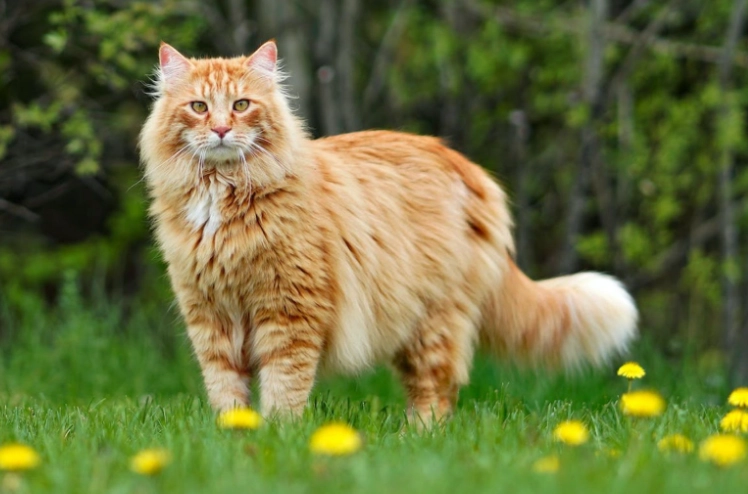
What Makes a Cat Breed "Big" Anyway?
The Heavyweight Champions: Breeds of Cats That Are Big
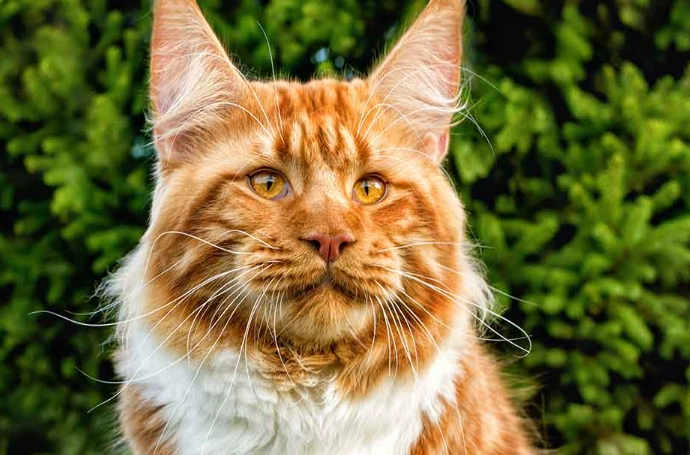
The Undisputed King: Maine Coon
The Floppy Lap Cat: Ragdoll
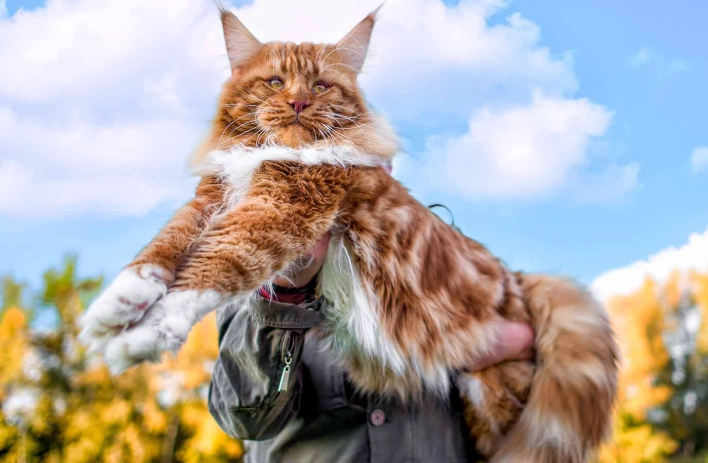
The Wild Look: Savannah Cat
The Nordic Powerhouse: Norwegian Forest Cat
The Surprising Contender: Chausie
Big Cat Breed Comparison at a Glance
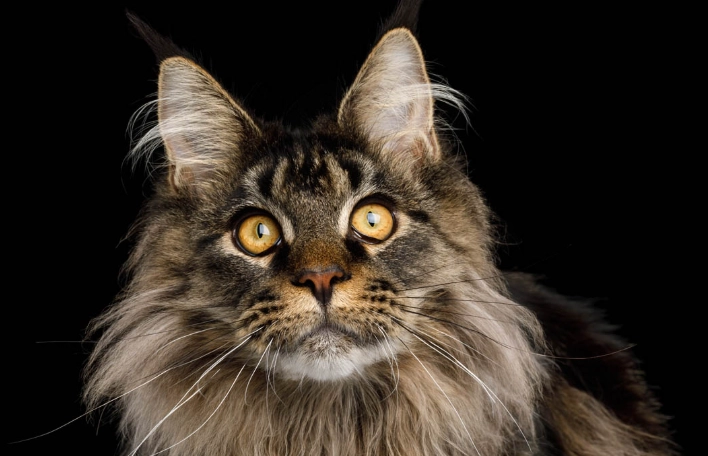
Breed
Average Weight (Male)
Coat Type
Key Personality Trait
Activity Level
Special Consideration
Maine Coon
13-18 lbs (up to 25+)
Long, shaggy, thick
Gentle, friendly, dog-like
Moderate to High
High grooming needs; potential for heart issues
Ragdoll
15-20 lbs
Semi-long, silky
Docile, relaxed, affectionate
Low to Moderate
Needs protection; regular grooming
Savannah (F3-F5)
12-20 lbs
Short, spotted
Extremely active, intelligent, loyal
Very High
Legal restrictions; demanding stimulation needs
Norwegian Forest Cat
13-22 lbs
Long, double, waterproof
Independent, sweet, calm
Moderate (but loves to climb)
Heavy seasonal shedding; loves heights
Chausie
15-25 lbs
Short
Active, social, athletic
Very High
Legal restrictions; prone to food sensitivities
Siberian
12-18 lbs
Long, triple coat
Playful, affectionate, good-natured
Moderate to High
Hypoallergenic claims (varies by individual); heavy shedder
British Shorthair
12-18 lbs
Short, dense, plush
Calm, easygoing, dignified
Low
Prone to obesity; not a lap cat
The Realities of Life with a Giant Cat
Cost: It's All Bigger
- An extra-large litter box (like, seriously, consider a concrete mixing tub from a hardware store).
- A heavy-duty, tall scratching post that won't topple over.
- Larger, stronger carriers.
- Bigger beds (though they'll probably just sleep on your bed anyway).
- Sturdier furniture, or accept that your couch will be conquered.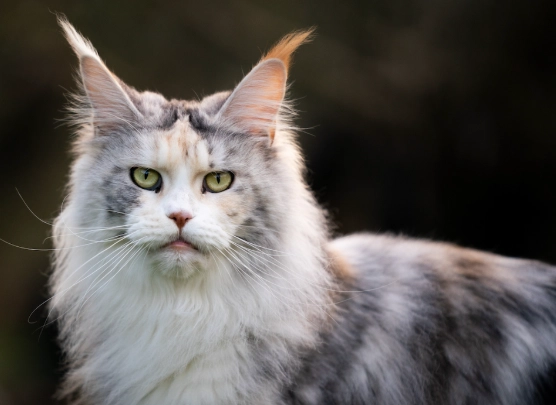
Space and Cat-Proofing
Health Considerations
Answering Your Big Cat Questions (FAQs)
Are big cat breeds good with children and other pets?
How long do big cats live?
Do they need more exercise?
Can a big cat live in an apartment?
Are they really hypoallergenic?
Final Thoughts: Is a Big Cat Right for You?
- Is my lifestyle active enough for a high-energy breed, or do I need a mellower companion?
- Can I afford the ongoing, increased costs of food, litter, healthcare, and supplies?
- Do I have the space, both horizontal and especially vertical, to make a large cat feel at home?
- Am I prepared for the grooming commitment of a long-haired giant?
- Have I done my legal homework if I'm considering a hybrid breed?