The Bald Cat: A Complete Guide to the Sphynx & Hairless Breeds
Quick Navigation
- What Exactly Is a Bald Cat? It's More Than Just No Fur
- The Main Players: Not All Bald Cats Are Sphynxes
- Why Would Anyone Want a Bald Cat? The Good Stuff.
- The Not-So-Glamorous Reality: Care & Maintenance
- Health Concerns: What to Watch Out For
- Your Bald Cat Shopping & Adoption Checklist
- Straight Answers to Your Bald Cat Questions
- Final Thoughts: Is a Bald Cat Right For You?
It happens all the time. You see a picture online—a wrinkly, wide-eared creature that looks like it's from another planet, but with the eyes of an ancient sage. That's your first introduction to the world of the bald cat. Maybe it was a Sphynx, the poster child for hairless felines. Your reaction is probably split right down the middle: "That's the weirdest, most amazing thing I've ever seen" or "What on earth is that?" There's rarely an in-between.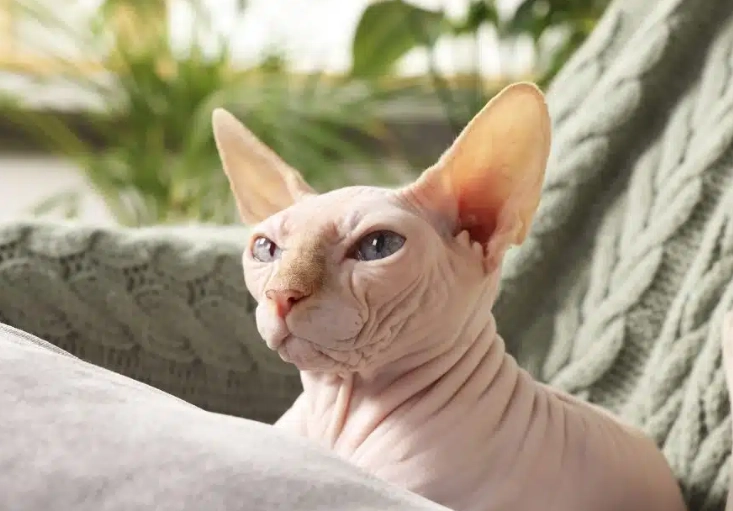
I remember the first time I met one in person. A friend had a Sphynx named Gollum (fitting, right?). I expected cold, leathery skin. What I got was a warm, suede-like blanket of a creature that instantly crawled into my lap and started purring like a motorboat. It was nothing like any cat I'd ever known. That experience sparked a deep dive into these unique animals. If you're here, you're probably on a similar journey, trying to figure out if a hairless companion is right for you. Let's cut through the cute memes and get into the real, unfiltered details of living with a bald cat.
The bottom line upfront: A bald cat is not a low-maintenance pet. It's a different kind of commitment. They demand more from you in terms of grooming, climate control, and health vigilance than your average furry feline. But in return? They offer an unparalleled level of companionship, warmth (literally), and personality that many owners swear is more dog-like than cat-like.
What Exactly Is a Bald Cat? It's More Than Just No Fur
When people say "bald cat," they're usually talking about a handful of specific breeds where a lack of fur is the defining characteristic. It's not a cat that lost its hair due to illness; it's a cat that was born that way due to a natural genetic mutation. This isn't some modern lab experiment, either. The most famous breed, the Sphynx, originated from a few naturally hairless kittens born in Toronto in the 1960s. Breeders worked with that gene, and here we are.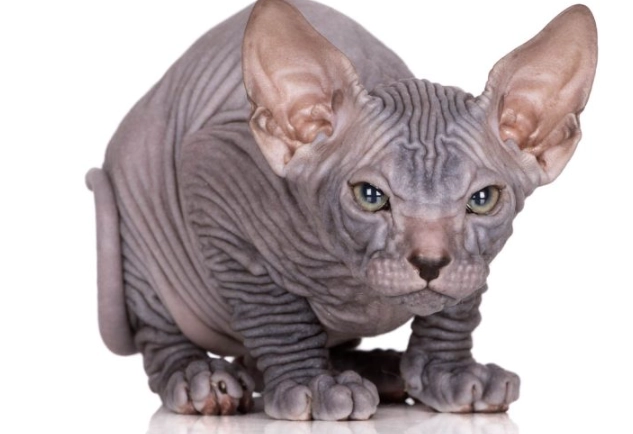
But here's a common misconception—they're not truly "hairless." Most have a fine layer of peach-fuzz down, making them feel like a warm peach or soft suede. Run your hand against the grain, and you'll feel it. Some have hair on their noses, ears, and tails. This little bit of fuzz is why they come in patterns and colors you can actually see on their skin!
Why does this matter? Because that tiny bit of fuzz doesn't protect them like a full coat does. No fur means no natural insulation. No natural barrier against sun, scratches, or the cold. Their skin is out there doing all the work, which changes everything about how you care for them.
The Main Players: Not All Bald Cats Are Sphynxes
If you're set on a hairless feline friend, you've got a few options. The Sphynx is the celebrity, but it's good to know the whole family.
The Sphynx: The Wrinkled Charmer
This is the classic. Large ears, lemon-shaped eyes, and those signature wrinkles, especially on kittens. They're known for being extroverted, energetic, and deeply attached to their humans. They hate being alone. The Cat Fanciers' Association (CFA) has a detailed breed standard that emphasizes a muscular, medium-sized body and that distinctive hairless appearance. You can read their official breed profile to understand what responsible breeders aim for. They are the most common type of bald cat you'll find.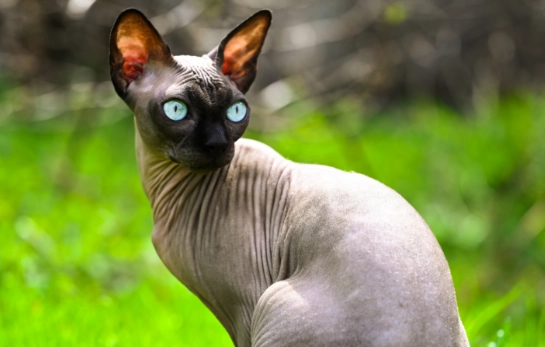
The Donskoy (Don Sphynx): A Different Genetic Story
Often confused with the Sphynx, the Donskoy originated in Russia from a different spontaneous mutation. Genetically, it's dominant (the Sphynx gene is recessive). Some Donskoys can be born with fur and lose it as they age, which is wild to see. They tend to have more pronounced webbing between their toes and are known for being incredibly resilient and intelligent. Their skin can sometimes be oilier than a Sphynx's, in my experience.
The Peterbald: The Elegant Dancer
Think of a graceful Oriental Shorthair... without the hair. The Peterbald is a cross between a Donskoy and an Oriental Shorthair, resulting in a slender, elegant build with large, set-apart ears. They come in varying degrees of hairlessness, from a completely bald "ultra-bald" to a velour-like coat. They share the talkative, active nature of their Oriental ancestors.
The Bambino, Dwelf, and Other "Designer" Mixes
Here's where things get controversial. Breeds like the Bambino (Sphynx + Munchkin, for short legs) or the Dwelf (Sphynx + Munchkin + American Curl, for short legs and curled ears) are deliberately bred for specific dwarfism and aesthetic traits. Many ethical veterinarians and breed organizations, like The International Cat Association (TICA), which recognizes some of these breeds, also emphasize the importance of health screening. Personally, I have mixed feelings. While they are undeniably cute, stacking genetic mutations (hairlessness + dwarfism) can potentially compound health risks. It's crucial to find a breeder who prioritizes health over novelty and is transparent about potential joint and bone issues.
Why Would Anyone Want a Bald Cat? The Good Stuff.
Let's be real, they're not for everyone. But for the right person, they're perfect. Here’s what owners rave about:
- The Cuddle Factor is Off the Charts. Your bald cat is basically a living, purring hot water bottle. They seek out body heat relentlessly. You will never be cold in bed again. They'll be under the covers, pressed against you. It's a level of physical affection most cats don't display.
- Hypoallergenic? Well, Sort Of. This is the big one. Most cat allergies are to a protein (Fel d 1) found in cat saliva, which gets on their fur when they groom. Since bald cats have little to no fur, there's less surface area for that allergen-laced saliva to stick to and become airborne. However, they still produce the allergen. Some allergic people do great with them; others still react. Never get one assuming it's a 100% allergy fix. Spend time with one first. The Asthma and Allergy Foundation of America offers general guidance on pet allergies that's worth checking to set realistic expectations.
- Personality Plus. Breeders and owners consistently describe them as dog-like. They greet you at the door, follow you from room to room, and many can be taught tricks. They're often playful and mischievous well into adulthood.
- No Hairballs (But a Trade-off). You won't find furry tumbleweeds under your sofa. But remember, they still groom themselves. Without fur to catch it, that dead skin and saliva just sits on their skin, which is why bathing is so necessary.
Think about it: If you want a cat that is independent and leaves you alone, a bald cat is a terrible choice. They are needy in the best possible way. They thrive on interaction.
The Not-So-Glamorous Reality: Care & Maintenance
This is where people get shocked. Owning a bald cat is like having a tiny, wrinkled toddler that needs a strict skincare routine. You can't skip this part.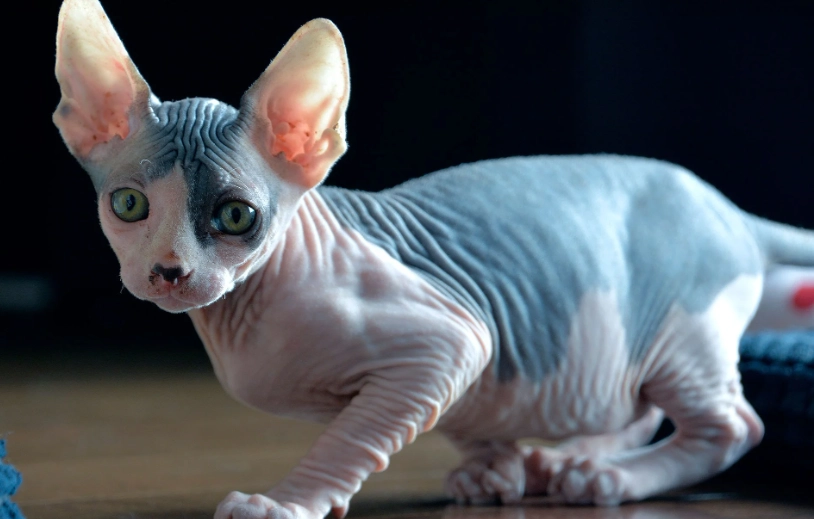
The Bathing Ritual (Non-Negotiable)
Their skin produces oils (sebum) just like ours. On a furry cat, the fur spreads it out. On a bald cat, it builds up into a greasy, brown film, especially in nail beds, between toes, and inside ears. It can smell waxy and attract dirt. So, you must bathe them.
How often? Typically every 1-2 weeks. Some need it weekly, some bi-weekly. You'll learn their rhythm.
How to do it: Use a gentle, hypoallergenic kitten or baby shampoo, or a vet-recommended pet shampoo. I've had good results with oatmeal-based formulas for sensitive skin. The water should be warm, not hot. Make it quick and positive. Dry them immediately and thoroughly with a soft towel—they get cold fast. A heating pad or warm spot to retreat to post-bath is a game-changer.
Sunblock & Climate Control
This is critical. A bald cat can get sunburned just like you. If they have access to sunny windowsills, you need to apply pet-safe sunscreen (zinc oxide is toxic to cats if ingested, so be careful!). Better yet, use UV-filtering window film. They also cannot regulate their body temperature well. Your home needs to be consistently warm. Sweaters in winter are not just cute; they're functional. Conversely, in extreme heat, they can overheat easily. Always provide shade and cool surfaces.
The Ear & Nail Cleaning
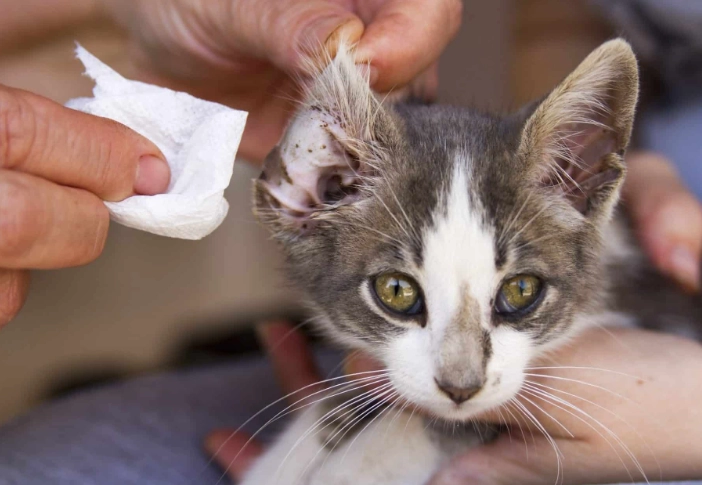
Those huge ears don't have hair to protect them, so they produce more wax. You'll need to gently clean the outer ear with a vet-approved solution and a cotton ball weekly. Never go deep into the ear canal. Their nails also collect a lot of waxy gunk. Cleaning under them during nail trims is part of the routine.
Health Concerns: What to Watch Out For
All purebred cats can have breed-specific issues, and bald cats are no exception. Being informed is your best defense.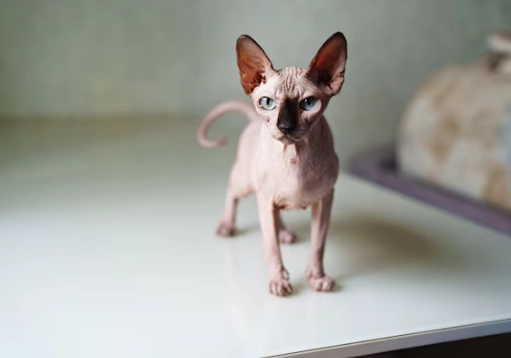
| Condition | What It Is | What to Look For / Do |
|---|---|---|
| Hypertrophic Cardiomyopathy (HCM) | A thickening of the heart muscle. This is the most serious concern for Sphynx and related breeds. | Ask breeders for proof of annual echocardiogram screenings for the parents. Your vet should listen for heart murmurs regularly. Early detection is key. |
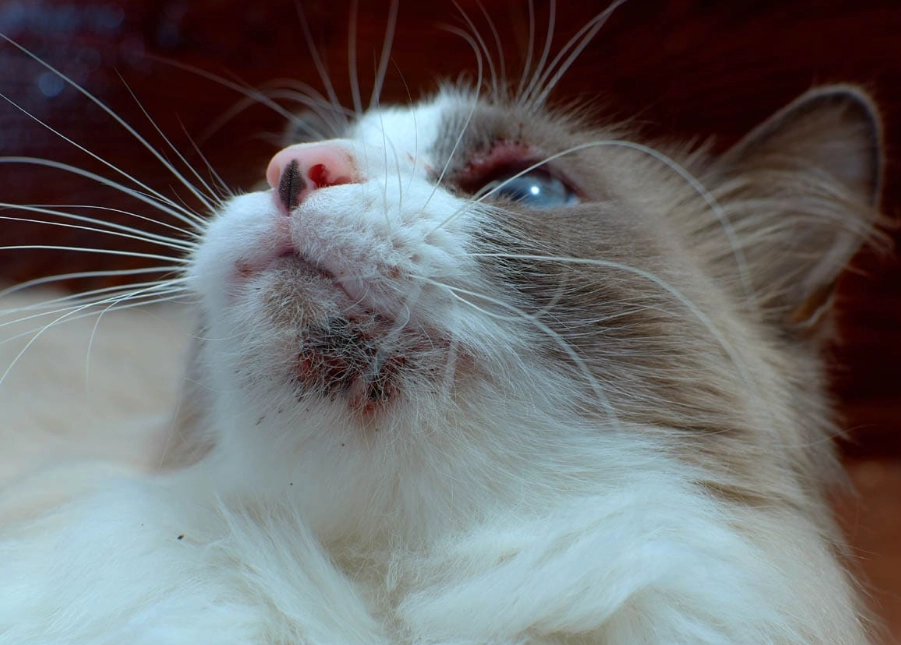
| Skin Conditions | Everything from sunburn and acne (yes, cat acne on the chin) to yeast or bacterial infections due to oil buildup. | Stick to the bathing schedule. Watch for red bumps, blackheads, or excessive scratching. Use stainless steel or ceramic bowls to prevent chin acne. |
| Urticaria Pigmentosa | A skin disease that causes crusty lesions, specific to some Sphynx lines. | Lesions often appear on the torso. Requires veterinary diagnosis and management. |
| Higher Metabolism | They burn calories to stay warm, so they eat more than a furry cat of the same size. | Feed a high-quality, nutrient-dense diet. Don't be alarmed by a big appetite, but monitor weight to prevent obesity. |
A reputable breeder will be upfront about these risks and provide health clearances. Run from anyone who says "they have no problems."
Your Bald Cat Shopping & Adoption Checklist
Ready to take the plunge? Don't just find the first available kitten. Do it right.
- Find a Reputable Breeder. This is non-negotiable. They should:
- Be registered with a major association (CFA, TICA).
- Allow you to visit their home and meet the mother cat.
- Provide detailed health records for both parents, specifically HCM screening.
- Ask you as many questions as you ask them.
- Have a contract that includes a health guarantee and a clause requiring you to return the cat to them if you can't keep it.
- Prepare Your Home.
- Soft, warm blankets and beds in multiple rooms.
- A stash of sweaters for cooler days.
- Pet-safe sunscreen.
- Gentle shampoo, ear cleaner, cotton balls.
- High-quality food.
- A reliable heating source for their favorite spots.
- Budget Realistically. A bald cat from a good breeder is expensive ($1,500 - $3,000+). Then factor in higher food costs, more frequent vet checks (including potential cardiology consults), grooming supplies, and climate control for your home.
Wait, Can I Adopt a Rescue Bald Cat?
Yes! It's rarer, but breed-specific rescues exist. Organizations like Sphynx Rescue or listings on Petfinder sometimes have adult bald cats needing homes. This can be a wonderful, more affordable option. Adult cats often have established personalities and known health histories. You're also giving a home to a cat in need, which is incredibly rewarding.
Straight Answers to Your Bald Cat Questions
Final Thoughts: Is a Bald Cat Right For You?
Look, I love these weirdos. But I'm also a realist.
Getting a bald cat is a major lifestyle choice. It's for someone who wants a constant, engaging companion and doesn't mind (or even enjoys) the hands-on care. It's for someone who is home a fair amount and has a stable, warm living environment. It's for someone willing to invest significantly upfront and in ongoing health care.
If you want a pet that is decorative and independent, get a nice houseplant or a fish. A bald cat will be in your business, on your keyboard, in your shower (seriously, many love water), and wrapped around your heart.
They are not easier than a regular cat. They are different. More work in some ways, more reward in others. That warm, purring, wrinkled creature demanding your attention isn't just a pet; it's a full-on experience.
Do your homework. Meet some. Talk to owners and breeders. Feel that suede-like skin and listen to that loud purr. If it clicks, you'll know. And you'll embark on one of the most unique pet ownership journeys out there.
Before you go, remember this: The joy of a bald cat comes from embracing their uniqueness, not in spite of it. Their need for you is their most defining trait. If you can meet that need, you'll have a friend like no other.
Related Articles