Can Dogs Drink Milk? A Vet-Approved Guide to Safety & Alternatives
Quick Navigation
- The Big Question: Is Milk Actually Bad For Dogs?
- But What About Puppies? Can Puppies Drink Milk?
- The Dairy Breakdown: Not All Milk is Created Equal
- What If My Dog Drank Milk and Seems Fine?
- Better Than Milk: Safe and Healthy Alternatives
- Answering Your Burning Questions (The FAQ Section)
- The Professional Take: What Do Vets and Science Say?
- Wrapping It Up: The Final Scoop
You’re sitting there with a bowl of cereal, and those big, pleading eyes are locked onto you. A little splash of milk is left in the bottom. The question pops into your head, as it has for millions of dog owners: can dogs drink milk? It seems so innocent, right? We grew up with images of happy cats lapping up saucers of milk, and maybe you even gave your childhood dog a taste without a second thought. But when you start digging, the answer isn't a simple yes or no. It's a messy, fuzzy, "it depends" kind of situation, and getting it wrong can mean a messy cleanup for you and an upset stomach for your best friend.
I remember giving my first dog, a boisterous Labrador named Max, a small bowl of milk when he was a pup. He loved it. Drank it down in seconds. An hour later? Let's just say the evidence of his digestive disagreement was all over the kitchen floor. It was a lesson learned the hard way. So let's save you that trouble and break this down from every angle.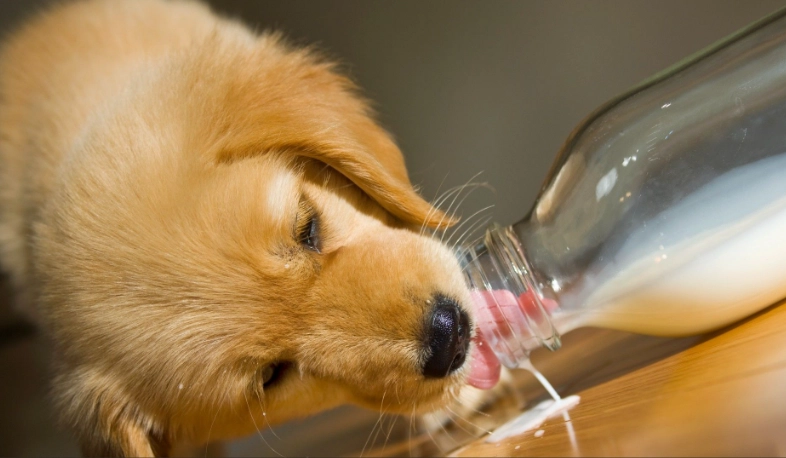
The Big Question: Is Milk Actually Bad For Dogs?
Calling milk "bad" is a bit dramatic. It's not poison. In fact, it contains protein, calcium, and vitamins. The problem is that for many—if not most—adult dogs, their bodies just aren't built to process it efficiently anymore. Asking "can dogs drink milk?" is like asking if humans can eat super spicy food. Some can handle it just fine, others will be in for a world of discomfort.
The main villain is lactose intolerance. When a dog that's lactose intolerant drinks milk, the undigested lactose travels to the large intestine where it ferments. This fermentation process draws water into the colon and creates gas. The result? The classic, unpleasant symptoms you've probably heard about or, unfortunately, witnessed.
Signs Your Dog Can't Handle Milk
If you're wondering whether you can give your dog milk, you need to know what failure looks like. Symptoms usually hit within 30 minutes to 12 hours and can include:
- Diarrhea: Often the first and most obvious sign. It can be mild or quite severe.
- Gas: You might notice your dog is... more fragrant than usual, or experiencing obvious flatulence.
- Bloating and Abdominal Discomfort: A swollen, tender belly. Your dog might seem restless, pace, or look at its belly.
- Vomiting: Less common than diarrhea, but it can happen.
- General Lethargy: Just feeling crummy from the stomach upset.
Not a pretty picture, is it?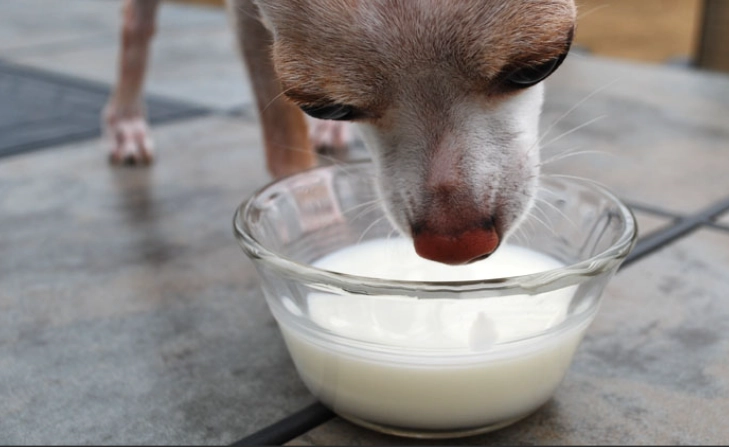
But What About Puppies? Can Puppies Drink Milk?
This is where it gets interesting. Newborn puppies absolutely can and should drink milk—but specifically, their mother's milk. Mother dog's milk is perfectly formulated for their delicate systems, packed with the right nutrients and antibodies. The question "can dogs drink milk" has a clear "yes" answer at this stage of life.
The trouble starts post-weaning. As puppies grow and are weaned onto solid food, their lactase production naturally declines. By the time they are adults, that ability is often significantly reduced. So, giving cow's milk to a puppy that has already been weaned is rolling the dice. Some might handle it, but many won't. It's an unnecessary risk when there are better ways to nourish them.
And a critical warning: Never feed a puppy cow's milk as a replacement for their mother's milk or a proper puppy milk replacer if they are orphaned. Cow's milk does not have the correct nutritional balance and can cause severe diarrhea and malnutrition in needy neonates. If you need to bottle-feed a puppy, use a commercial puppy milk replacer formula recommended by your vet.
The Dairy Breakdown: Not All Milk is Created Equal
So, we've established that the standard carton of cow's milk is risky. But the dairy aisle is a big place. What about other options? The lactose content is the key metric here.
| Dairy Product | Lactose Content (Approx.) | Can Dogs Drink It? The Verdict | Notes & Considerations |
|---|---|---|---|
| Whole Cow's Milk | High (~5%) | Risky. Not recommended. | The classic offender. High fat can also trigger pancreatitis in prone dogs. |
| Skim or Low-Fat Cow's Milk | High (~5%) | Risky. Not recommended. | Removing fat doesn't remove lactose. Still a major cause of upset stomachs. |
| Goat's Milk | Moderate (~4.5%) | Slightly better, but still risky. | Often touted as more digestible. It has slightly different proteins and fat globules, but the lactose is still present. Not a safe bet for lactose-intolerant dogs. |
| Lactose-Free Cow's Milk | Negligible (0%) | Much Safer Option. | The lactose is pre-digested (broken down). This is the safest form of "milk" to offer if you insist. Start with a tiny amount. |
| Plain Yogurt | Low to Moderate | Often better tolerated. | The live active cultures (probiotics) help digest some of the lactose. Must be plain, unsweetened, and preferably low-fat or non-fat. Sugar-free is NOT safe (xylitol danger!). |
| Plain Kefir | Low | Often well tolerated. | Similar to yogurt, it's fermented and rich in probiotics. A better choice than straight milk for many dogs. |
| Hard Cheeses (Cheddar, Swiss) | Very Low | Usually okay in tiny amounts. | The cheesemaking process removes much of the whey (and with it, lactose). High in fat and salt, so must be a rare, small treat. |
| Cottage Cheese | Moderate | Use caution. | Higher in lactose than hard cheeses. Low-fat, plain cottage cheese can be used occasionally as a bland diet component under vet guidance, but not as a regular treat. |
Looking at that table, a pattern emerges. Fermentation is your friend. Foods like yogurt and kefir, where bacteria have already done some of the digestive work, are generally safer bets than plain liquid milk if you're determined to share a dairy product.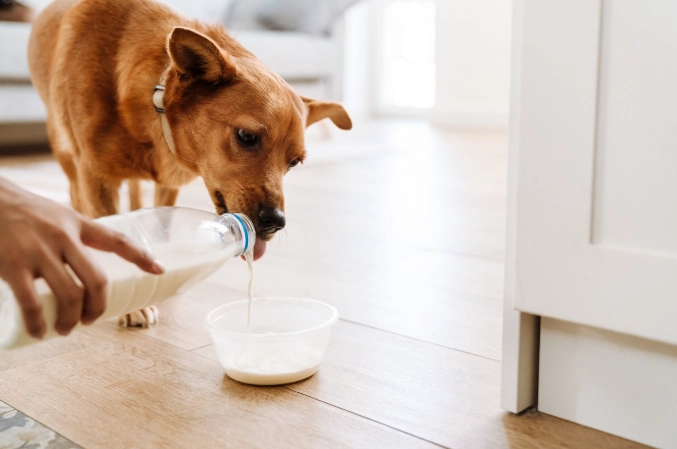
What If My Dog Drank Milk and Seems Fine?
Consider your dog lucky, not immune. Just because they didn't get sick once doesn't mean they won't the next time. Tolerance can vary based on how much they ate, the amount of milk, and even their current gut health. It's also a cumulative thing. A few laps one day might be okay, but a whole bowl the next week could cross their personal tolerance threshold.
My friend's Border Collie can steal a lick of ice cream with no apparent issues. But give her a quarter cup of milk? Disaster. There's no one-size-fits-all answer, which is why the blanket advice from most vets is to just avoid it. Why play gastrointestinal roulette?
Better Than Milk: Safe and Healthy Alternatives
Honestly, most dogs don't need milk in their diet at all. It's a treat, not a necessity. If you're looking for a cool, creamy, or hydrating alternative to water to add to their food or offer as an occasional treat, you have fantastic options that sidestep the lactose issue entirely.
Top Choices for Dog-Safe "Milks"
- Plain Water: Boring? Maybe. But it's perfect, zero-risk, and all they truly need for hydration.
- Bone Broth (Low-Sodium/No Onion/No Garlic): A superstar alternative. Homemade or store-bought (check labels carefully!), it's flavorful, hydrating, and often contains joint-supporting nutrients. Serve it warm or cold.
- Goat's Milk Kefir or Yogurt (Specially Formulated for Pets): These are now sold in many pet stores. They are usually cultured to reduce lactose further and are fortified with probiotics. A much safer commercial choice.
- Commercial "Dog Milk": Products like The Honest Kitchen's Goat's Milk or similar are designed to be lactose-free or low-lactose and safe for canine consumption. They're a direct, safe answer to the "can dogs drink milk" craving.
I keep a jar of homemade, dog-safe bone broth in my fridge. When it's hot out, I pour a little over my dog's kibble or freeze it into popsicles. She goes crazy for it, and I have zero worry about a lactose-related aftermath.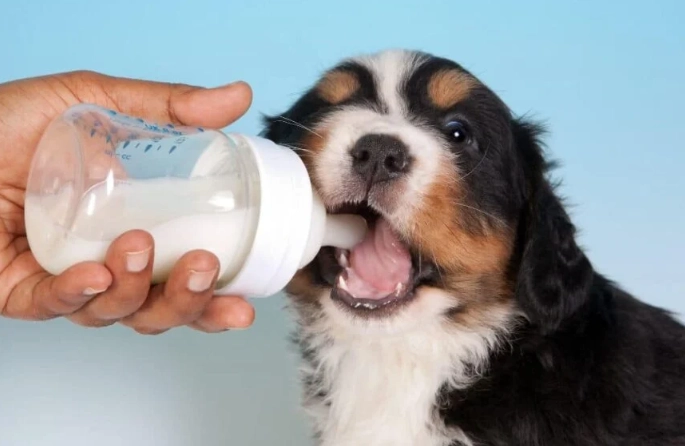
Answering Your Burning Questions (The FAQ Section)
Can dogs drink almond milk or oat milk?
In very small amounts, they are usually non-toxic, but I don't recommend them. Here's why: they often contain additives like sweeteners (sugar, xylitol—which is deadly), thickeners (guar gum, carrageenan) that can upset a dog's stomach, and added flavors. They offer little to no nutritional benefit for dogs. If you must, a plain, unsweetened variety with a clean ingredient list might be okay as a rare teaspoon treat, but water or bone broth is a vastly superior choice.
Is it okay to give my dog milk for constipation?
This is an old wives' tale. The idea is that the lactose acts as a laxative. And it might! But that's literally the symptom of lactose intolerance—diarrhea. You're intentionally causing digestive upset. It's an imprecise and potentially messy method. For constipation, consult your vet. They might recommend a bit of plain canned pumpkin (not pie filling), added fiber, or a specific remedy. Don't use milk as a medicine.
What about puppies? Can puppies drink milk from the store?
As covered earlier, no. Weaned puppies should not have store-bought cow's or goat's milk. Their nutritional needs are met by high-quality puppy food. For orphaned newborns, only use a veterinarian-recommended puppy milk replacer. The Merck Veterinary Manual, a trusted professional resource, provides guidelines on hand-rearing puppies that emphasize the importance of proper formula (Merck Veterinary Manual - Breeding Dogs).
My dog ate a whole bowl of cereal with milk! What do I do?
Don't panic. First, assess what was in the cereal. Raisins, chocolate, or artificial sweeteners like xylitol are immediate emergency vet situations. If it was just plain cereal and milk, the main concern will be the lactose and possibly the sugar/fiber in the cereal. Provide plenty of fresh water. Monitor closely for vomiting, diarrhea, or lethargy. If symptoms are severe or persist beyond 24 hours, call your vet. Be prepared for a likely messy day.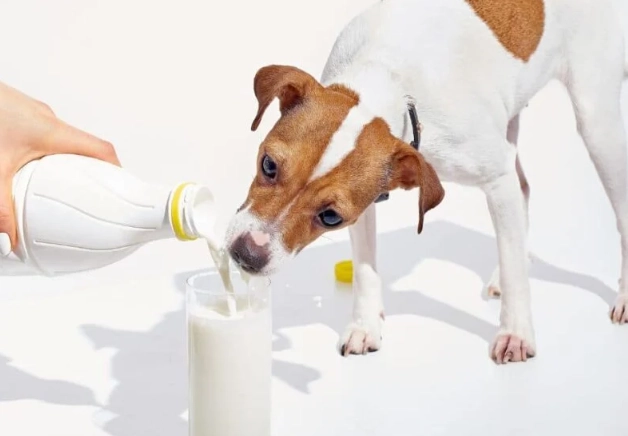
The Professional Take: What Do Vets and Science Say?
To write this, I didn't just rely on my own experience. I looked at what the experts say. The general consensus in veterinary medicine is caution. Organizations like the American Kennel Club (AKC) clearly state that while milk isn't toxic, many dogs are lactose intolerant and it can cause significant digestive upset (AKC - Can Dogs Drink Milk?).
The science backs this up. Lactose intolerance is the norm in adult mammals across many species, including a large proportion of adult humans. It's not a defect; it's the standard biological programming after infancy. Feeding a high-lactose food to an animal not equipped to digest it is predictably going to cause problems.
So, when you ask a vet "can dogs drink milk?", the most common answer you'll get is, "It's best not to." They see the consequences in their clinics—the diarrhea, the vomiting, the uncomfortable pets. Their priority is preventing avoidable illness.
Wrapping It Up: The Final Scoop
So, can dogs drink milk? The most honest, practical answer is this: Most adult dogs shouldn't, and there's really no good reason to risk it.
The potential for stomach upset—ranging from mild gas to severe diarrhea—is high because most dogs are lactose intolerant to some degree. While a lucky few might handle a tiny lick now and then, it's impossible to know if your dog is in that group without testing their limits, and the test itself is unpleasant.
It's just not worth it.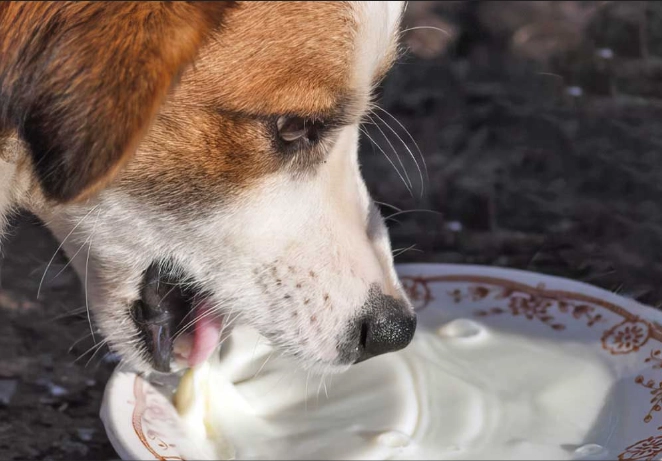
You have so many better, safer, and healthier options. A splash of lactose-free milk, a dollop of plain yogurt, or a pour of savory bone broth can satisfy that desire to give your pup a special treat without the gamble. Your dog's digestive system (and your carpet) will thank you.
At the end of the day, we all just want to spoil our dogs and keep them safe. Understanding the facts about milk helps you do both. So next time those puppy eyes stare at your cereal bowl, you can feel confident giving them a safe alternative instead, knowing you're making the best choice for their health and happiness.
Related Articles