Cat Loaf Explained: Why Cats Sit Like Bread & What It Means
Quick Navigation
- What Exactly is a Cat Loaf? Defining the Pose
- Why Do Cats Loaf? The Top Reasons Explained
- The Cat Loaf Spectrum: From Relaxed to Concern
- Cat Loafing and Health: When Should You Worry?
- Do All Cats Loaf? Breed, Age, and Personality Factors
- Frequently Asked Questions About Cat Loaves
- Beyond the Cute: The Cultural Loaf
You're sitting on the couch, and there it is. Your cat, curled up on the rug, but not in a ball. No, it's something else entirely. All four paws are tucked neatly underneath, the tail is wrapped around the body or hidden, and the whole silhouette looks... rectangular. Like a freshly baked loaf of sourdough. You've just witnessed the legendary cat loaf. It's adorable, it's internet-famous, but what on earth does it mean?
I've lived with cats my whole life, and I still catch myself staring when one of mine goes full loaf. My tabby, Jasper, is a master. He can hold that pose for what seems like hours, an inscrutable sphinx of fur. Is he happy? Is he cold? Is he judging my life choices from his compact, bready form? Over the years, through observation, talking to vets, and maybe a bit too much research, I've pieced together the real story behind the cat bread loaf.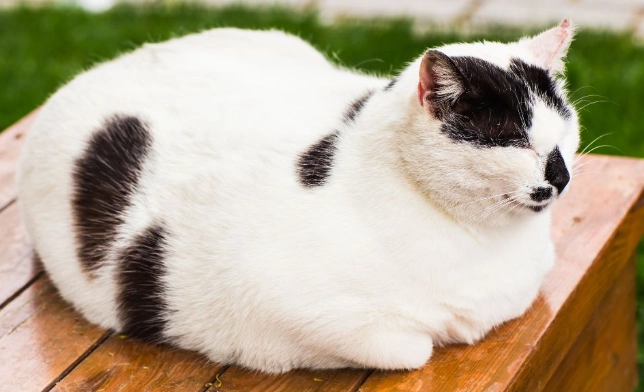
Let's be clear—this isn't just cute. It's a window into your cat's world. Understanding the cat loaf position is a key part of speaking "cat." It can tell you about their comfort, their health, and their mood. Sometimes, it's a sign of pure bliss. Other times, it might be a subtle hint that something's off. The difference is in the details.
What Exactly is a Cat Loaf? Defining the Pose
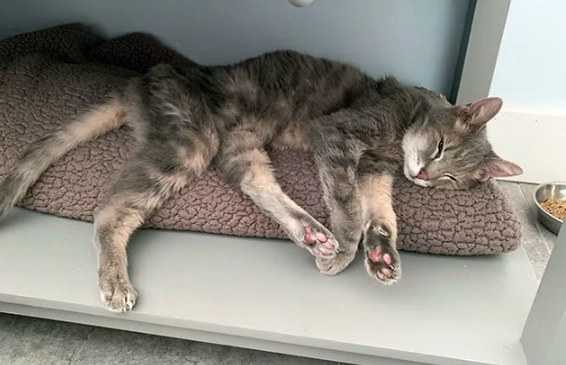
First, let's get technical. A proper cat loaf isn't just any sit. It has a specific architecture. The forepaws and hind paws are folded completely underneath the body, often so perfectly hidden you'd think the cat has no legs. The chest and belly rest on the ground (or the couch, or your keyboard). The tail is usually curled around the side or tucked under the haunches. The back is level, creating that iconic loaf-of-bread top.
It's different from a crouch, which is tense and ready for action. In a crouch, the weight is on the toes, muscles coiled. The cat loaf pose is the opposite. It's relaxed, compact, and energy-conserving. The cat is literally resting on itself. Some cats are perfectionists, achieving a symmetrical, compact loaf. Others are a bit more "rustic bakery"—one paw might peek out, or the tail might flop to the side. That's just personality.
Why Do Cats Loaf? The Top Reasons Explained
They don't do it because they saw it on Instagram. The behavior is deeply rooted in instinct, comfort, and physiology. Here are the main reasons your feline friend turns into a furry baguette.
Conserving Warmth
This is a big one. Cats have a higher base body temperature than humans (around 101-102.5°F). To maintain it, they're experts at minimizing heat loss. By tucking their paws and tail—areas with less fur and where blood vessels are close to the skin—under their insulated torso, they create a super-efficient thermal pod. Think of it as built-in energy saving mode. You'll often see more cat loafing in cooler rooms or during winter. My cat seeks out sunny spots to loaf, essentially becoming a solar-powered bread oven.
Feeling Secure and Content
A cat that feels threatened or unsure wants to be ready to bolt. That means paws under the body, yes, but with weight ready to spring. In a true loaf, the weight is settled. The cat feels safe enough in its environment to let its guard down just a bit. It's a posture of moderate trust. They're not so relaxed that they're sprawled out belly-up (the ultimate trust signal), but they're comfortable. It often happens in their favorite spots—your bed, a soft blanket, a cat tree perch they've claimed as their own.
It's a compliment, really. Your home is their safe bakery.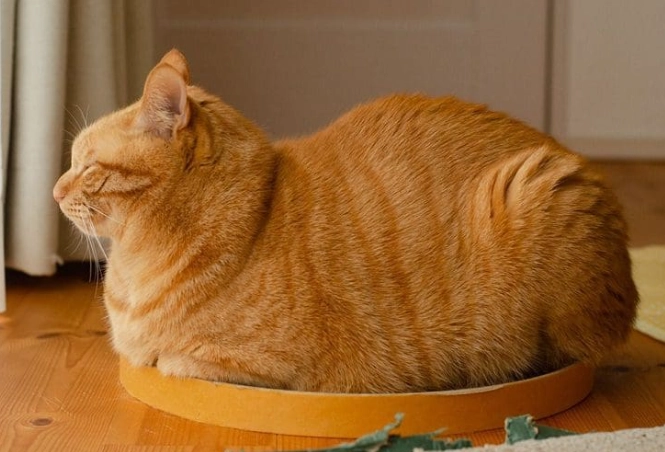
Resting While Staying Alert
This is the fascinating middle ground. Deep sleep for cats often involves curling into a ball or stretching out fully. The cat loaf is more of a "light nap" or "resting" pose. Muscles are relaxed, but the cat is still aware of its surroundings. From the loaf, they can quickly transition to a more alert state if needed—a bird flies by the window, the treat bag rustles. It's the perfect compromise between comfort and readiness. The International Cat Care organization notes that cats are both predators and prey, so these kinds of vigilant rest states are hardwired into their behavior.
Hiding Discomfort or Pain (The Important One)
This is the reason every cat owner needs to know. Sometimes, a cat assumes the loaf position because it's uncomfortable to put weight on a limb or stretch out their abdomen. It can be a way to soothe a sore joint (like arthritis in older cats) or protect a tender belly from pressure. This isn't a relaxed loaf. Look for subtle signs: the loaf might be unusually tight or rigid. The cat's ears might be slightly back, or they might flinch if you touch a certain area. They may also loaf in unusual places, like cool bathroom tiles, if they have a fever or internal discomfort.
It's Just Plain Comfortable
Let's not overcomplicate it. Sometimes, the anatomy just works. For a flexible feline, folding up like that might simply be a physically pleasant way to rest. It supports their frame without strain. Think of it as their version of sitting cross-legged.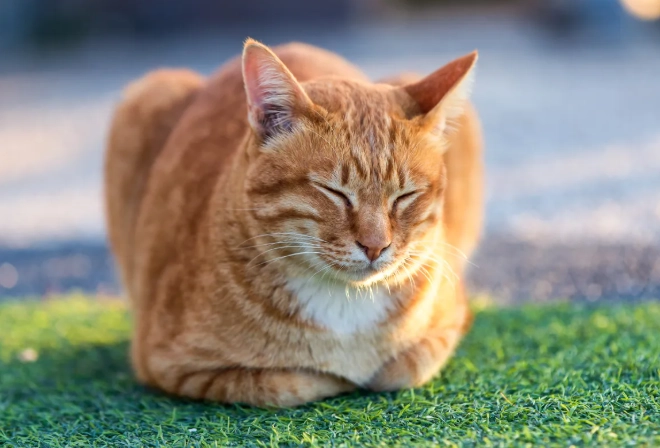
The Cat Loaf Spectrum: From Relaxed to Concern
Not all loaves are created equal. By paying attention to the finer points, you can gauge your cat's mood more accurately. Here’s a quick mental checklist I use:
- The Perfect Loaf: Symmetrical, paws completely invisible, tail wrapped tightly. Eyes half-closed or slow-blinking. This is a zen master of contentment. Pure, unadulterated cat bread loaf bliss.
- The Slightly Awkward Loaf: One paw sticking out, tail not quite tucked. Still relaxed, but maybe a bit distracted or just not feeling like a perfectionist today. My cat does this when he's listening to noises outside.
- The Tight, Rigid Loaf: The body looks tense, not soft. The paws are tucked so far under they seem to be digging in. The head might be lower, ears not fully forward. This is the "I'm not feeling great" or "I'm anxious" loaf. This warrants closer observation.
- The "Floaf" (Face Loaf): The ultimate level. The cat buries its face into the surface or into its own chest. This usually indicates a desire to block out light and sound for deeper sleep. It's the "Do Not Disturb" sign of the cat world.
Cat Loafing and Health: When Should You Worry?
Since the cat loaf can be a sign of pain, it's vital to know the red flags. The loaf itself isn't bad—it's the context and accompanying symptoms.
Normal Loafing: Your cat loafs in warm, comfortable spots. They get in and out of the pose easily. They respond to you, eat normally, use the litter box normally, and engage in play. Their body is soft when in the pose.
Concerning Loafing: The loaf is coupled with any of the following. This is not an exhaustive list, but a strong prompt to call your vet.
- Hiding: Loafing in closets, under beds, or other secluded places they normally avoid.
- Changes in Appetite/Thirst: Not eating, drinking much more or less than usual.
- Litter Box Changes: Straining, going more or less frequently, or avoiding it altogether.
- Vocalization: Meowing, groaning, or hissing when moving or being touched.
- Lethargy: A general lack of interest in anything, lasting more than a day.
- Grooming Changes: Over-grooming one spot (indicating pain there) or stopping grooming entirely.
Organizations like the American Veterinary Medical Association (AVMA) stress that subtle behavioral changes are often the first sign of illness in cats. A persistent, tense cat loaf position can be one of those subtle changes. Don't panic if you see a single symptom, but do start paying closer attention. A pattern is what matters.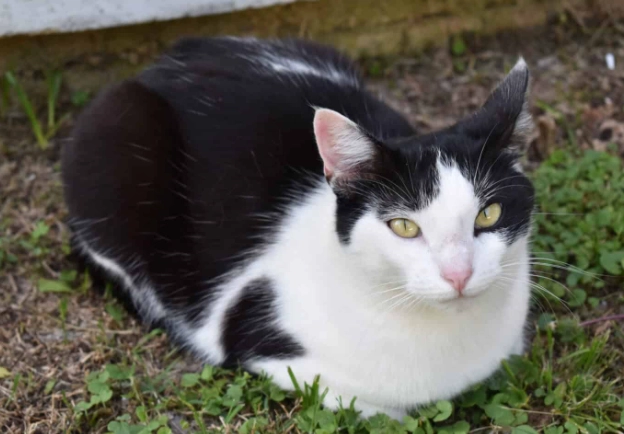
Do All Cats Loaf? Breed, Age, and Personality Factors
Most cats do, but there are variations. It's like asking if all humans sit cross-legged. Some do it all the time, some rarely.
| Factor | Influence on Loafing | Notes & Examples |
|---|---|---|
| Breed | Varies significantly. Flexible, lean breeds often loaf more elegantly. | Siamese, Abyssinians, and Domestic Shorthairs are often champion loafers. Stockier or less flexible breeds (like some Persians with flatter faces or Munchkins with shorter legs) might have a modified, less "perfect" loaf or do it less often because it's less comfortable. |
| Age | Kittens and seniors may loaf differently. | Kittens are bundles of energy and may not hold a loaf for long. Seniors with arthritis may use the loaf to ease joint pain, making it crucial to distinguish a comfort loaf from a pain loaf. |
| Personality | A huge factor. | A confident, relaxed cat will loaf openly in the middle of the room. A more anxious or shy cat might only loaf in perceived safe zones (high up, hidden). |
| Body Condition | Can affect ability and comfort. | An overweight cat might physically struggle to tuck its paws fully or find the position less comfortable, leading to less cat loafing. It's another reason to maintain a healthy weight for your cat. |
My friend's very large, very fluffy Maine Coon doesn't so much loaf as... meld into the floor. It's less a defined loaf and more a puddle with limbs vaguely underneath. Still counts in spirit!
Frequently Asked Questions About Cat Loaves
Yes, but it's a mid-level sign. It means your cat feels secure enough in that specific moment and location to let its guard down a notch. The highest signs of trust are exposing the belly or sleeping soundly pressed against you. But a loaf in your presence is a definite green light in your relationship.
Ah, the classic. They're comfortable (hence the loaf), but you have their attention. They might be waiting for something—dinner, playtime—or just observing their favorite human. Try a slow blink. If they blink back slowly from their cat loaf, that's a feline "I love you."
Proceed with caution. A relaxed loaf often means they're amenable to gentle chin or cheek scratches. But if they're in a deep rest loaf or a tight loaf, they might not appreciate being disturbed. Look for clues: if they start to purr or lean into your hand, continue. If they tense up, flatten ears, or twitch their tail, back off. Respect the loaf.
This is a funny internet distinction. A cat loaf is the standard pose. A "meatloaf" is often used to describe a similar but less elegant pose, sometimes where the paws aren't fully tucked or the cat looks more like a lump. It's not a technical term, but you'll see it in memes.
Not necessarily. Some cats simply have other preferred resting postures—sphinx pose, curled up, sprawled out. As long as your cat seems comfortable, healthy, and happy in their own way, there's no need to force a loaf. They're just marching to the beat of their own drum.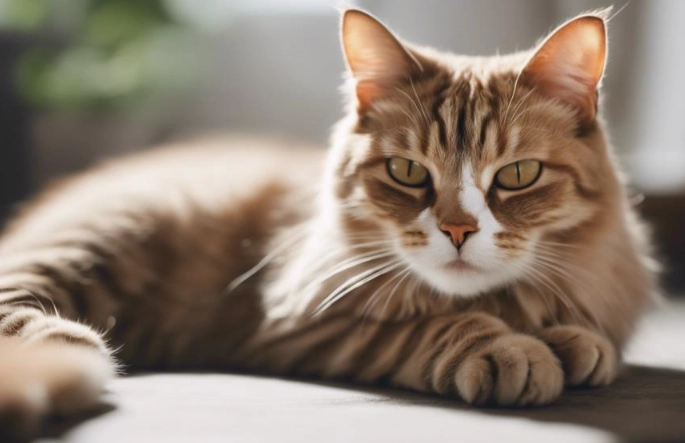
Beyond the Cute: The Cultural Loaf
Let's be honest, the internet has immortalized the cat loaf pose. It's a staple of cute cat content. But this popularity has a weirdly positive side effect: it's made millions of people more observant of cat body language. They're not just seeing a cute picture; they're learning to recognize a specific, normal feline behavior. That curiosity can lead to better overall care. When someone searches "cat loaf meaning," they're taking a first step into understanding their pet on a deeper level. That's pretty cool.
So next time you see your cat transformed into a fuzzy, living loaf of bread, don't just snap a photo and move on. Take a second to appreciate the complex mix of instinct, comfort, and communication happening right there on your rug. It's a tiny, daily miracle of cat-ness.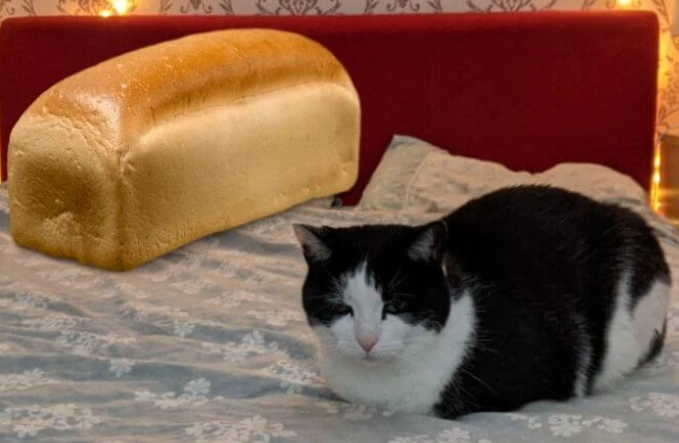
Want to dive deeper into cat behavior science? Reputable resources like the International Cat Care website or guidelines from the American Veterinary Medical Association offer a wealth of vet-approved information to help you understand all your cat's quirky behaviors, not just the loaf.
Related Articles