Blood in Dog Urine: Causes, Urgency & What to Do Next
In This Guide
- What Does Blood in Dog Urine Actually Look Like?
- Why Is There Blood in My Dog's Urine? The Complete List of Causes
- When is Blood in Urine a TRUE Emergency?
- What Will the Vet Do? The Diagnostic Process Demystified
- Treatment: It All Depends on the Cause
- What Can I Do at Home? Supportive Care & Prevention
- Common Questions About Blood in Dog Urine (Answered)
Let's be honest, few things are more alarming than seeing a splash of red or pink in your dog's pee. It just looks wrong. Your mind immediately jumps to the worst-case scenario. I remember the first time I saw it with my own dog, a little rust-colored spot on the snow. My heart sank. Is it an infection? A stone? Something even more serious?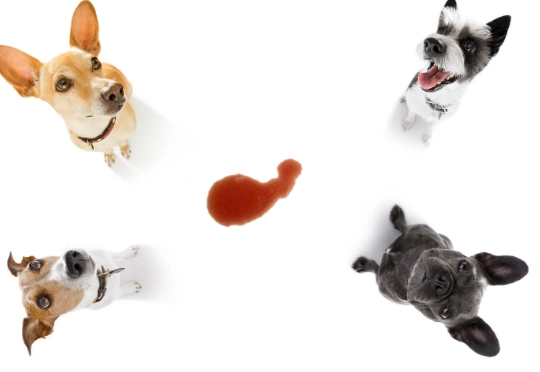
That moment of panic is completely normal. The technical term for this is hematuria, which just means blood in the urine. But knowing the name doesn't make it any less scary. What you need is a clear, practical breakdown of what's happening, what you should do right now, and what to expect next. This guide is built from veterinary resources, conversations with vets, and yes, my own stressful experience, to walk you through every step.
Bottom Line First: Blood in your dog's urine is always a sign that something is wrong. It is not normal. While it's not always a life-threatening emergency, it absolutely requires a veterinary visit. Don't wait and see if it goes away.
What Does Blood in Dog Urine Actually Look Like?
It's not always a dramatic pool of red. Blood in dog urine can be sneaky. Sometimes it's obvious—bright red streaks or a uniformly pink or red color. Other times, it's subtle. You might just notice your dog's normally yellow pee has a brownish or rusty tea-colored tint. In some cases, you won't see any color change at all (this is called microscopic hematuria), but your vet will find the blood cells under a microscope during a routine check-up.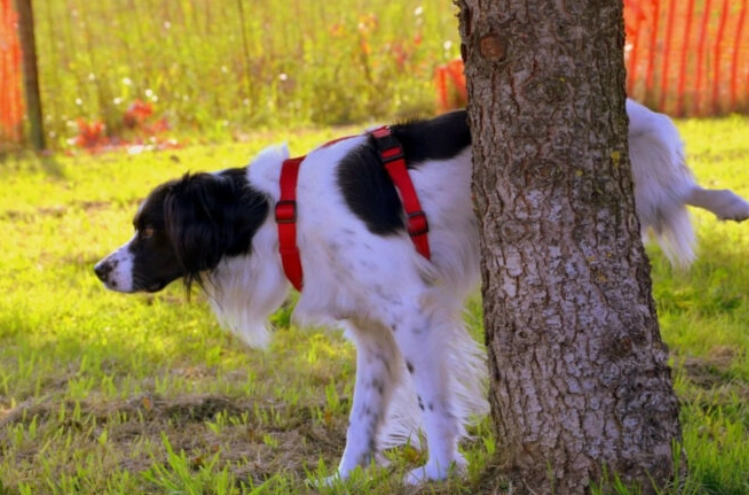
Pay attention to the pattern. Is the blood present throughout the urine stream, or just at the beginning or end? This can sometimes give your vet a clue about where the bleeding is coming from (the bladder vs. the urethra). Also, look for clots. And of course, watch your dog's behavior. Are they straining to pee? Going more frequently? Licking their genitals excessively? All of this is crucial information.
Why Is There Blood in My Dog's Urine? The Complete List of Causes
This is the big question. The causes range from simple, easily treatable issues to more complex conditions. The blood is coming from somewhere in the urinary tract—the kidneys, the ureters (tubes from kidneys to bladder), the bladder itself, or the urethra. Sometimes, it can even be from the prostate in male dogs or the reproductive tract in females.
Let's break it down. I find a table helps to organize this kind of information, so you can see what fits your dog's situation.
| Category of Cause | Specific Conditions | Typical Signs & Notes |
|---|---|---|
| Infections & Inflammation | Urinary Tract Infection (UTI), Bladder Infection (Cystitis), Kidney Infection (Pyelonephritis), Prostate Infection (Prostatitis) | Frequent, painful urination; straining; strong odor. The most common reason for blood in dog urine, especially in females. |
| Stones & Crystals | Bladder Stones (Uroliths), Kidney Stones, Urethral Stones | Straining to urinate, crying out, passing only drops. Stones can scrape and irritate the lining of the bladder or urethra, causing bleeding. |
| Trauma or Injury | Hit by car, fall, blunt force trauma to the abdomen | Often accompanied by other injuries, pain, lethargy. This is an absolute emergency. |
| Anatomical Issues | Congenital defects, bladder polyps, tumors (benign or cancerous) | Can cause recurrent or persistent blood in urine. Tumors, like Transitional Cell Carcinoma (TCC), are a serious concern, especially in certain breeds. |
| Systemic Diseases | Kidney Disease, Bleeding Disorders (like rat poison toxicity), Liver Disease | Blood may be one sign among many, like increased drinking, vomiting, or bruising. Affects the body's ability to clot blood. |
| Other Causes | Side effect of certain medications (e.g., cyclophosphamide), strenuous exercise, heat cycle in unspayed females | Usually temporary. Important to tell your vet about all medications and supplements. |
See what I mean? It's a wide range. A simple UTI is worlds apart from a bleeding disorder or cancer. That's why you cannot self-diagnose. You need a professional to figure out which box your dog falls into.
When is Blood in Urine a TRUE Emergency?
This is critical. Some situations can't wait for a regular appointment.
Go to the Emergency Vet Immediately If:
- Your dog is straining repeatedly but producing little to no urine. This could be a urinary blockage, which is fatal if not treated.
- There is a large amount of blood, or you see blood clots.
- Your dog shows signs of extreme pain (whining, crying, tense abdomen).
- They are also vomiting, lethargic, collapsed, or have pale gums.
- You suspect trauma (like a fall or being hit).
- They have known exposure to rat poison.
If your dog is otherwise acting normal—eating, drinking, playing, and peeing a normal stream—it's still urgent, but you can likely call your regular vet for a same-day or next-day appointment. Explain you've seen blood in the urine. They'll get you in.
What Will the Vet Do? The Diagnostic Process Demystified
Walking into the vet's office is less scary when you know what to expect. Your vet isn't guessing; they're following a logical process to find the source of the blood. Here's a typical roadmap.
Step 1: The History & Physical Exam
Your vet will ask you a ton of questions. Be ready for them:
- When did you first notice the blood?
- What color is it? Any clots?
- Is your dog straining, going more often, or having accidents?
- Any changes in drinking, eating, or energy?
- Could she be in heat? Is he an intact male?
- Any recent injuries or access to toxins?
Then they'll feel your dog's abdomen (checking for a large or painful bladder), take their temperature, and do a full physical. This step points them in the right direction.
Step 2: The Urinalysis – The Most Important Test
This is the cornerstone. They'll need a fresh urine sample, ideally gotten by cystocentesis (a needle directly into the bladder through the abdomen). Sounds scary, but it's quick, sterile, and gives the most accurate sample, free from contamination from the skin or genital tract. If that's not possible, a free-catch sample (you catch it mid-stream) works too.
The urinalysis checks for:
- Red & White Blood Cells: Confirms inflammation/infection.
- Bacteria: Points to an infection.
- Crystals: Can indicate a predisposition to stones.
- Protein & Specific Gravity: Can hint at kidney function.
This test alone often diagnoses a simple UTI.
Step 3: Imaging – Looking Inside
If the urinalysis isn't conclusive, or if stones or tumors are suspected, your vet will want to look. X-rays are great for finding most types of bladder stones (calcium oxalate, struvite). Ultrasound is fantastic for seeing the bladder wall, looking for tumors, polyps, or stones that don't show up on X-ray, and checking the kidneys. It's non-invasive and gives a ton of information. Many vets will recommend an ultrasound if a simple UTI treatment doesn't clear up the blood in dog urine, or in older dogs where cancer risk is higher.
Step 4: Culture & Sensitivity and Further Tests
If bacteria are found, a culture grows them in a lab to identify the exact type and determine which antibiotic will kill it most effectively. For suspected cancer, a biopsy might be needed. Blood tests are often run to check overall organ health and clotting function, especially if systemic disease is a concern.
It might feel like a lot, but each step rules things in or out. Getting the right diagnosis is the only way to get the right treatment.
Treatment: It All Depends on the Cause
There is no single treatment for "blood in urine." The treatment is 100% targeted at the underlying cause. This is why diagnosis is so critical.
For Urinary Tract Infections (UTIs)
A course of antibiotics, prescribed based on the culture results. It's crucial to give the entire course, even if the blood and symptoms disappear in a few days. Stopping early can lead to a relapse and antibiotic resistance. Your vet will likely want a follow-up urinalysis to confirm the infection is gone.
For Bladder or Kidney Stones
This gets more involved. Treatment depends on the stone type, location, and size.
- Dissolution: Some stones (like struvite) can be dissolved with a special prescription diet. This can take weeks or months.
- Surgical Removal (Cystotomy): The most common method. The vet opens the bladder and removes the stones. The stones are then sent to a lab for analysis to determine the type and recommend a long-term diet to prevent recurrence.
- Non-Surgical Retrieval: For stones stuck in the urethra, a vet might try to flush them back into the bladder using a catheter.
- Lithotripsy: Using shock waves to break stones into sand that can be passed. This is less common and requires specialized equipment.
For Tumors or Cancer
Options vary widely. For a benign polyp, surgical removal might be curative. For malignant cancers like Transitional Cell Carcinoma (TCC), treatment may involve surgery (if the tumor's location allows it), chemotherapy, radiation, or palliative medications to manage symptoms and improve quality of life. Organizations like the Animal Cancer Foundation provide resources for pet owners facing this diagnosis.
For Trauma or Bleeding Disorders
This is intensive care. Treatment focuses on stabilizing the dog—addressing shock, providing pain relief, blood transfusions if needed, and treating the specific injury or toxin exposure. Hospitalization is almost always required.
See? Completely different paths. Giving antibiotics for a stone problem won't help. And trying to dissolve a stone that requires surgery wastes precious time.
What Can I Do at Home? Supportive Care & Prevention
Once you have a diagnosis and treatment plan from your vet, there are things you can do to support your dog's recovery and potentially prevent future episodes.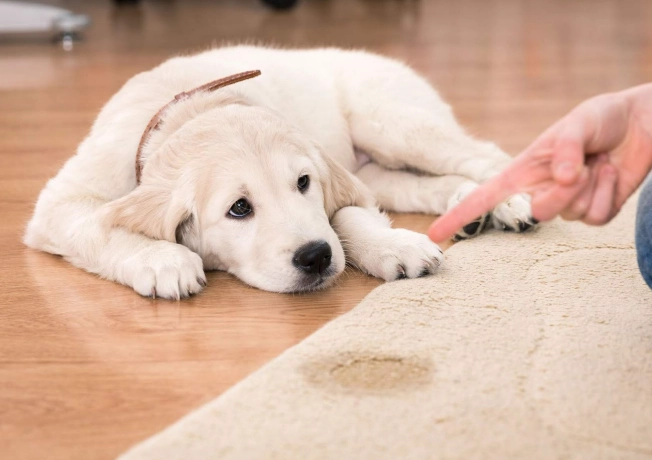
During & After Treatment
- Encourage Water Intake: This is the #1 thing. More water means more dilute urine, which flushes out the bladder and makes it harder for bacteria and crystals to form. Add water to their kibble, use a pet water fountain, or offer ice cubes.
- Stick to the Prescribed Diet: If your vet prescribes a therapeutic food for stones or other conditions, follow it strictly. These diets are formulated to change the urine pH and mineral content.
- Provide Frequent Bathroom Breaks: Don't make your dog "hold it" for long periods. Regular emptying of the bladder prevents bacteria from multiplying.
- Monitor Closely: Keep an eye on their urination habits and energy level. Note any return of symptoms.
Long-Term Prevention Strategies
- Maintain a Healthy Weight: Obesity is a risk factor for many health issues, including urinary ones.
- Consider Supplements (With Vet Approval): Some supplements, like cranberry extracts (D-mannose) or glucosamine (for bladder wall health), may be beneficial for some dogs prone to UTIs. Always ask your vet first—they can recommend a reputable brand and correct dosage.
- Keep Your Dog Clean: For females, especially those with a recessed vulva, keeping the area clean can help prevent bacteria from migrating into the urethra.
- Annual Wellness Checks: A routine urinalysis at your dog's annual check-up can catch microscopic blood or crystals long before they become a big problem.
Common Questions About Blood in Dog Urine (Answered)
Finding blood in your dog's urine is a stressful experience, but knowledge is power. You are now equipped to take the right steps: stay calm, assess for emergencies, get to the vet, understand the diagnostic process, and follow through with treatment and supportive care. By being an informed advocate for your dog, you're giving them the best chance for a quick and full recovery. Trust your gut, partner with your vet, and don't ignore the sign—your dog is counting on you.
Related Articles