Liver Failure in Dogs: Signs, Causes, Treatment & Survival Guide
Let's be honest, hearing the vet say "liver failure" about your dog is terrifying. It sounds final. It sounds hopeless. I remember the pit in my stomach when a friend's elderly Lab, Buddy, was diagnosed. The confusion, the frantic Google searches that led to more fear than answers. That's why I'm writing this. Not to scare you, but to cut through the noise and give you the clear, actionable information I wish we'd had. Liver failure in dogs isn't always a single dramatic event. More often, it's a slow creep, a gradual decline that masks itself as "just getting old" until it's a full-blown crisis. The liver is a stubborn survivor, a regeneration champion, but that also means it can be silently suffering for a long time before waving a big red flag. This is where most owners get stuck. The symptoms of liver problems can be so vague they're easy to miss or blame on something else. You're not a bad owner for not noticing—this stuff is subtle. Early signs? Think lackluster. A dog who's just not himself. Less interest in play, maybe eats a bit slower, seems a tad more tired after a walk. You might write it off as an off day or aging. But then other things start adding up. Jaundice is the classic one. It's not just yellow skin; you'll see it in the whites of the eyes first, then the gums, even the inside of the ears. It looks like someone put a yellow filter on your dog. Then there's the change in drinking and peeing. A sudden, huge increase in thirst and corresponding giant puddles. The belly might start to look swollen or pot-bellied—that's fluid buildup, called ascites. Neurological signs are the scariest. We call it hepatic encephalopathy. The liver isn't filtering toxins, so they cross into the brain. Your dog might seem confused, stare at walls, walk in circles, have tremors, or even have seizures. In severe cases of liver failure in dogs, they can become comatose. It's heartbreaking to watch. I'll tell you, the bad breath thing is weird but real. It's a distinct, sickly-sweet, almost musty odor. If your dog's breath suddenly smells like a forgotten basement, pay attention. It's rarely one thing. Vets often talk about it in two ways: acute (sudden) and chronic (long-term) liver failure. The causes are like a messy Venn diagram. Acute liver failure hits fast. One day fine, the next in crisis. Common culprits? Chronic liver failure is a slower burn. The damage accumulates over months or years. Sometimes, despite all the tests, the cause remains idiopathic—a fancy word for "we don't know." That's frustrating for everyone, especially when you're desperate for a reason. You can't diagnose this at home. If you suspect liver issues, the vet is your next stop. They'll start with a physical exam, feeling for an enlarged or small, shrunken liver, checking for jaundice and abdominal fluid. The blood test is the cornerstone. They're looking at a panel called a "bile acid test" and liver enzymes (ALT, ALP, AST, GGT). High enzymes mean liver cells are damaged and leaking. But here's the tricky part—mildly elevated enzymes are common and don't always mean failure. The real story is in the function tests: bilirubin, albumin, BUN, cholesterol, and blood clotting times. If these are off, the liver isn't doing its job. Imaging comes next. An ultrasound is fantastic. It's non-invasive and lets the vet see the liver's size, texture, and blood flow. They can look for masses, cysts, or signs of a shunt. In some cases, they might need a biopsy—a tiny sample of liver tissue taken with a needle. It sounds scary, but it's often the only way to get a definitive diagnosis of the specific type of liver disease. The information from organizations like the American Veterinary Medical Association (AVMA) underscores the importance of accurate diagnosis for guiding treatment. You have to be your dog's advocate here. Ask questions. What do these numbers mean? Is this acute or chronic? What's our best guess at the cause? There's no magic pill that fixes a broken liver. Treatment is about supporting the liver, removing the cause if possible, and managing the complications. It's a marathon, not a sprint. For acute crisis or severe chronic liver failure in dogs, hospitalization is often necessary. They'll be on IV fluids to flush toxins and correct dehydration. They'll get anti-nausea meds, stomach protectants, and maybe even plasma transfusions if clotting is a problem. For hepatic encephalopathy, they might get a special enema and medications like lactulose to bind ammonia in the gut. Antibiotics are common too. Why? A failing liver can't filter gut bacteria well, so antibiotics help prevent secondary infections and reduce the bacterial load that produces ammonia. Once stable, you move to home management. This is where you become a part-time nurse. This might be the most important part you can control at home. The goal is to give the liver an easy job. Protein: Old advice said severely restrict protein to reduce ammonia production. Newer thinking is more nuanced. You need high-quality, highly digestible protein to prevent muscle wasting, but not excessive amounts. Dairy or egg-based proteins are sometimes easier on the liver than red meat. Your vet will prescribe a therapeutic liver diet (like Hill's l/d or Royal Canin Hepatic) that has the perfect balance. Carbs and Fats: Easy-to-digest carbs (like white rice or potatoes in the prescription food) provide energy. Fats should be moderate and high-quality. The damaged liver struggles to process fats. Copper: If it's copper storage disease, you need a diet very low in copper. This is non-negotiable. Small, Frequent Meals: Instead of two big meals, try four or five tiny ones. It provides a steady stream of nutrients without overwhelming the system at once. Honestly, the prescription diets aren't always palatable. Warming the food, adding a tiny bit of low-sodium broth (vet-approved), or hand-feeding can help. The struggle to get them to eat is real and stressful. I won't sugarcoat it. The prognosis for liver failure in dogs varies wildly and depends entirely on the cause, how early you caught it, and how well the liver responds to treatment. Acute liver failure from a toxin like xylitol has a very poor prognosis if not treated within hours. But acute failure from an infection like leptospirosis? With aggressive treatment, many dogs can pull through and recover remarkably well. Chronic liver failure is about management, not cure. You're buying time and quality of life. With dedicated care—strict diet, daily medications, regular vet check-ups—many dogs can live for months or even a few reasonably good years after diagnosis. The Merck Veterinary Manual provides detailed medical information that can help you understand the complex mechanisms at play, which in turn helps in managing expectations. The key indicators vets watch are the blood values. If the bilirubin comes down, the albumin stabilizes, and the dog starts eating again, that's hopeful. If the numbers keep getting worse despite aggressive treatment, the conversation turns to quality of life. You have to look at your dog, not just the lab sheet. Is he still interested in his favorite things? A short walk, a car ride, a cuddle? Does he still greet you? Or is he just existing, confused, nauseous, and swollen? That's the hardest calculation any owner makes. Finding out your dog has liver failure turns your world upside down. It's a confusing, technical, and emotionally draining journey. But knowledge is power. Understanding what's happening inside your dog, what the treatment aims to do, and how to support them day-to-day gives you back a sense of control. You become their champion in a fight they don't even know they're in. Work with your vet, ask the hard questions, and focus on the quality of each day you have together. That's the only metric that truly matters in the end.In This Guide
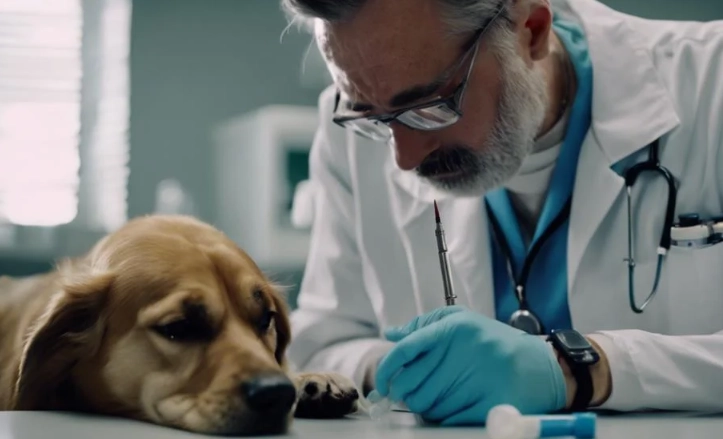
Spotting the Signs: Is It Really Liver Failure?
The Big Red Flags You Can't Ignore
Symptom Category
What to Look For
Why It Happens
Digestive
Loss of appetite, vomiting, diarrhea, weight loss
Liver can't produce bile properly, toxins cause nausea
Physical Changes
Jaundice (yellow gums/eyes), swollen belly, excessive thirst/urination
Bilirubin buildup, fluid leakage, poor protein metabolism
Neurological (Hepatic Encephalopathy)
Confusion, circling, head pressing, tremors, seizures
Toxins (like ammonia) bypass the liver and affect the brain
General
Lethargy, weakness, bad breath (smells musty or sweet)
Systemic illness, metabolic waste buildup
Bleeding Issues
Easy bruising, nosebleeds, bloody stools
Liver fails to make enough clotting factors
What Actually Causes a Dog's Liver to Fail?
Getting a Diagnosis: What the Vet Will Do

Fighting Back: Treatment Options for Canine Liver Failure
Hospitalization & Intensive Care
Medications and Supplements (The Long Game)
The Food Factor: Diet for a Dog with Liver Failure
What's the Prognosis? The Hard Truth About Survival
Your Action Plan: From Suspicion to Management
Common Questions Dog Owners Ask (And The Real Answers)