Largest Dog Breed in the World: The Definitive Guide to Giant Canines
Your Guide to Giant Dogs
Let's cut to the chase. If you typed that search, you're probably picturing a horse-sized dog, maybe drooling on your sofa. The truth is both simpler and more complicated. There isn't just one "largest" breed that wins in every category—height, weight, length, or sheer volume. It's a competition among gentle giants, and the winner depends on how you measure.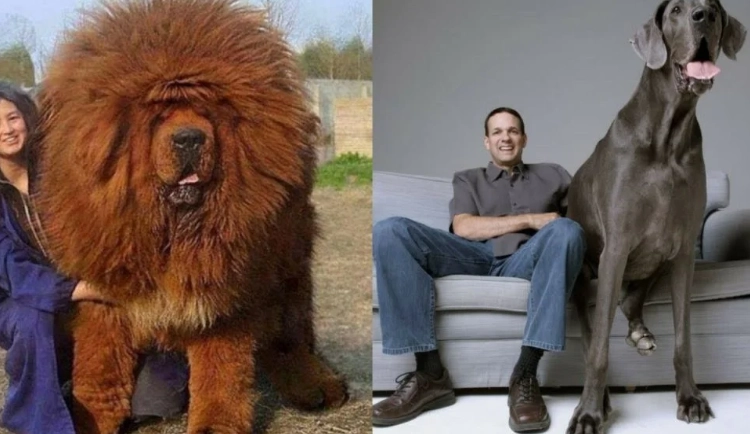
But I get it. You want a clear answer. Based on average height and the official records, the title of the tallest dog breed in the world consistently goes to the Great Dane. We're talking about a breed where standing on their hind legs means looking a grown man in the eye, or higher. Freddy, a Great Dane from the UK, held the Guinness World Record at a staggering 7 feet 6 inches tall on his hind legs. That's not a dog; that's a small giraffe in your living room.
Here's the thing about "largest" though. An English Mastiff can easily outweigh a Great Dane by 50 pounds or more. So, is the heaviest breed the largest? For many people, mass counts. This is why any discussion about the largest dog breed in the world needs to look at the whole podium, not just first place.
Top Contenders for the Title of Largest Dog Breed
Let's meet the heavyweights. I've put together a quick table to show you who's who in the world of giant canines. Remember, these are averages. Individual dogs, like record-holders, can be much bigger.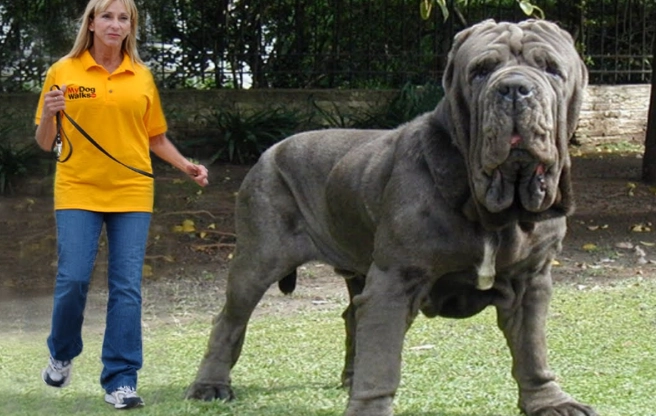
| Breed | Average Height (Male) | Average Weight (Male) | Key Trait for "Largest" |
|---|---|---|---|
| Great Dane | 30-34 inches | 140-175 lbs | Tallest / Height |
| English Mastiff | 30 inches | 160-230 lbs | Heaviest / Mass |
| Saint Bernard | 28-30 inches | 140-180 lbs | Bulky / Volume |
| Irish Wolfhound | 32 inches minimum | 120-155 lbs | Tall & Lean |
| Leonberger | 28-31.5 inches | 110-170 lbs | Massive & Lion-like |
See what I mean? The Great Dane is the skyscraper, the Mastiff is the bulldozer. Both have a legitimate claim depending on your perspective. The Irish Wolfhound is often the "tallest" breed in historical terms and can rival the Dane, but modern breed standards often give the edge to the Dane for consistent, record-breaking height.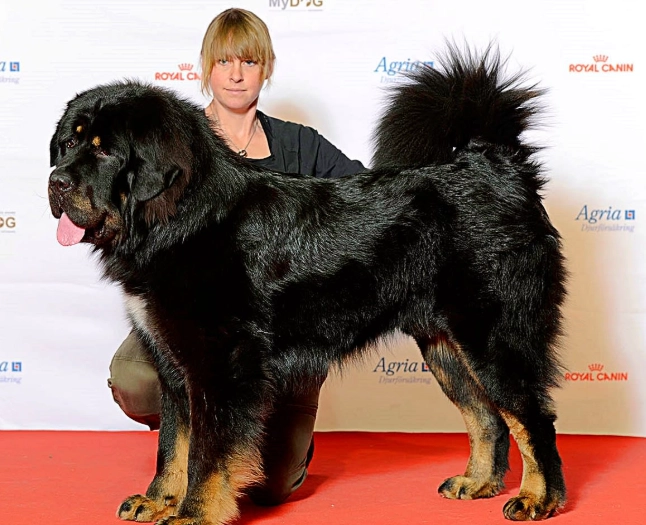
The Great Dane: The Apollo of Dogs
If you're looking for the breed most likely to be named the largest dog breed in the world by height, it's the Great Dane. Their elegance is what gets me. They're not just big; they're majestic, with a sleek, powerful build. They were originally bred for boar hunting, which explains the athleticism underneath that sometimes goofy, sofa-loving exterior.
But living with a Dane is a commitment to a short, intense friendship. Their lifespan is heartbreakingly short, often only 7-10 years. And their size comes with a list of health concerns, like bloat (a life-threatening stomach condition), hip dysplasia, and heart issues. You don't just get a dog; you get a massive veterinary bill waiting to happen if you're not prepared and insured.
"Great Danes are the ultimate apartment dog—if the apartment is a loft and you don't mind your coffee table being used as a chin rest." – A sentiment shared by many Dane owners.
The English Mastiff: The Heavyweight Champion
Now, if sheer mass and presence define "largest" for you, meet the English Mastiff. A male can comfortably hit 200 pounds of solid muscle and bone. Zorba, a Mastiff in the 1980s, still holds the record for heaviest dog at a mind-boggling 343 pounds. Let that sink in.
Temperament-wise, they're often described as gentle, calm, and courageous. They were guarding estates long before home security systems existed. But that calmness can translate to stubbornness. Training a Mastiff requires patience because you can't physically move them if they decide the middle of the hallway is the perfect place for a nap. And the drool. Oh, the drool. You'll find it on your ceiling. I'm not joking.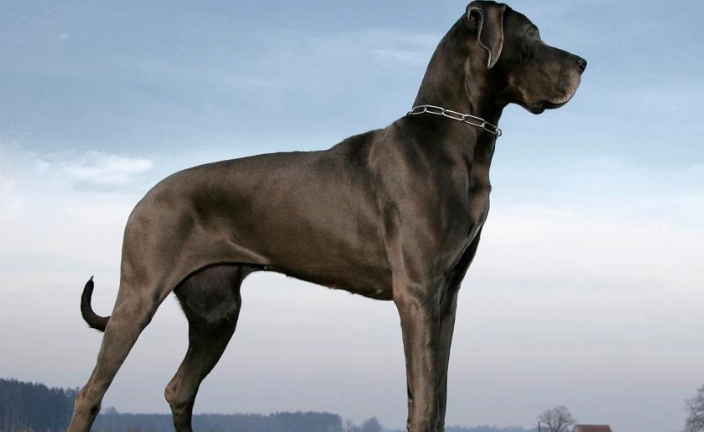
What It *Really* Means to Own a Giant Breed
This is the part most articles gloss over. They show cute pictures of puppies (which are the size of a full-grown Beagle) and talk about their gentle nature. All true. But the daily reality is a series of small, expensive adjustments.
Everything costs more. Food? You're buying in bulk. A 40-pound bag of quality food disappears in weeks. Medications, from flea prevention to anesthesia for a simple teeth cleaning, are dosed by weight. It can cost five times more to sedate a Mastiff than a Chihuahua.
Your home changes. Tail height is at coffee table level. A happy wag can clear a surface in seconds. You need a bigger car. You need a stronger sofa. You need to think about floor traction (hardwood floors become ice rinks for big dogs with hip issues).
And then there's the lifespan. This is the hardest part. The larger the breed, the shorter their lives tend to be. Loving a giant dog means knowing you'll likely say goodbye sooner. It's a trade-off for all that love and presence.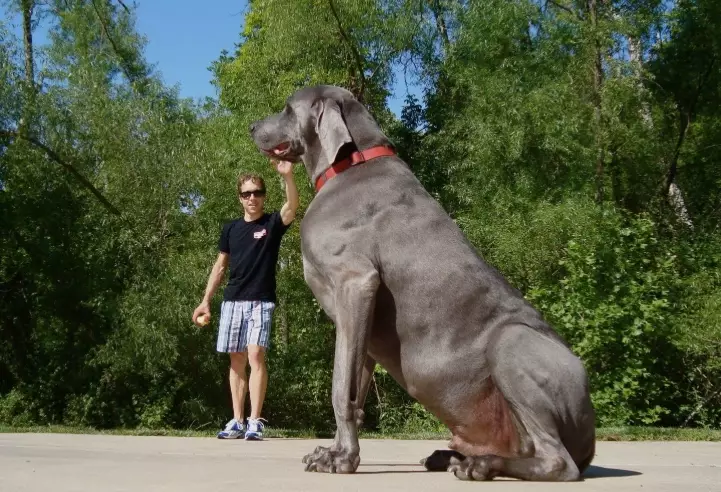
Pro-tip from a vet friend: If you're considering any giant breed, get pet insurance the day you bring the puppy home, before any pre-existing conditions can be noted. It will save you thousands.
Health Considerations You Can't Ignore
Giant breeds grow incredibly fast. A Newfoundland puppy can gain 10 pounds a month. This rapid growth makes them susceptible to developmental orthopedic diseases.
- Hip and Elbow Dysplasia: Malformation of the joints leading to arthritis and pain. Reputable breeders screen for this. Always ask for Orthopedic Foundation for Animals (OFA) or PennHIP certification for the parents. You can learn more about these certifications on the OFA website.
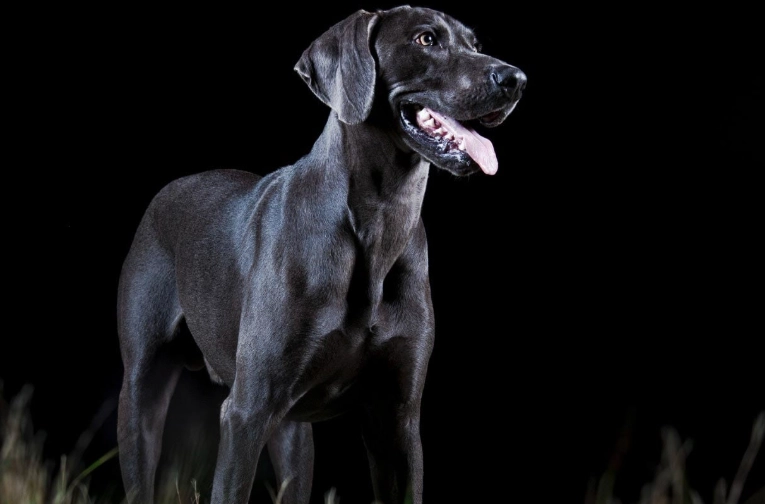
- Gastric Dilatation-Volvulus (GDV) or Bloat: This is the big one, a true emergency. The stomach fills with gas and twists, cutting off blood supply. It's fatal without immediate, expensive surgery. Deep-chested breeds like Danes, Wolfhounds, and Weimaraners are high-risk. Preventative measures include feeding multiple small meals, avoiding exercise around meals, and some owners opt for a preventative gastropexy surgery.
- Cardiac Issues: Dilated cardiomyopathy (DCM) is common in giant breeds. Regular vet check-ups that include listening to the heart are crucial.
It sounds scary, and it is. Responsible ownership means being vigilant. The American Kennel Club's health section is a great resource for breed-specific health information.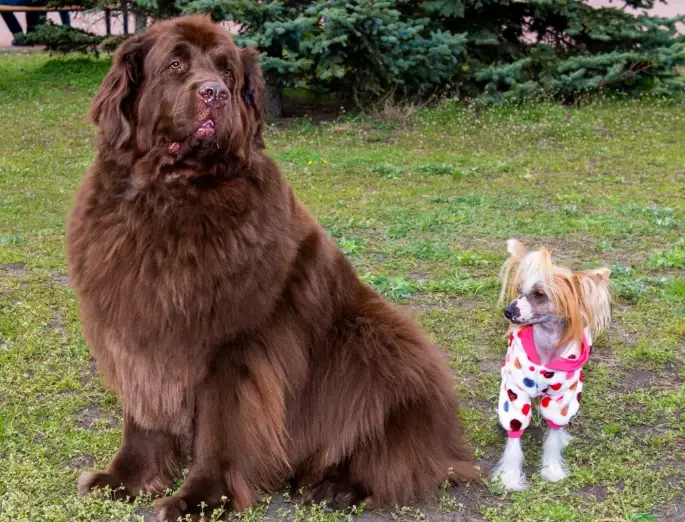
Beyond the Top Two: Other Giants Worth Knowing
The race for the largest dog breed in the world isn't just two contenders. Let's give some other magnificent giants their due.
The Irish Wolfhound is the historic titan. They were so revered in ancient Ireland that laws existed about who could own them. They are tall, rangy, and built for running down wolves (hence the name). They are often described as dignified, sweet-natured, and tragically short-lived, even by giant breed standards.
The Saint Bernard is the lovable, drooly mountain rescuer of our imaginations. They are incredibly strong, thick-coated, and known for their sweet and patient temperament, especially with children. They are more "bulky" than "tall," adding to their impression of immense size.
The Leonberger is like someone asked for a lion in dog form. They are massive, fluffy, and have a stunning black mask. Bred as a symbolic dog for the town of Leonberg, they are versatile working dogs known for their water rescue abilities and gentle, goofy family demeanor.
The Newfoundland is less about height and more about being a living, breathing, swimming bear. They are powerful swimmers with webbed feet and a water-resistant coat. Their temperament is legendary—calm, patient, and known as "the nanny dog." They are heavy, thick, and their love knows no bounds, though it often comes with a coat of hair on every surface you own.
Your Giant Breed FAQ: Answering the Real Questions
Here are the things people are secretly wondering when they search for the biggest dog breed.
Q: Are giant dogs good with kids and families?
A: Generally, yes, but with massive caveats. Breeds like Newfoundlands, Leonbergers, and Saint Bernards are famously gentle. However, any large dog, even a gentle one, can accidentally knock over a small child simply by turning around. Supervision is non-negotiable. It's about teaching both the dog and the children how to interact safely.
Q: How much exercise do they really need?
A: This surprises people: often less than a high-energy medium-sized dog. While they need regular daily walks and mental stimulation, giant breeds are not marathon runners. In fact, forcing strenuous exercise, especially on hard surfaces during their growth period (up to 2 years), can damage their joints. A couple of moderate walks and some playtime in a safely fenced yard is usually sufficient. They are champion nappers.
Q: Is it ethical to breed dogs this large given their health problems?
A: This is the million-dollar ethical question. Responsible breeding focuses on health, temperament, and longevity, not just pushing for ever-larger size. The key is to support breeders who do all the recommended health screenings (hips, elbows, heart, eyes) and are transparent about the lifespan and health challenges in their lines. The quest to create the single largest dog breed in the world for records can lead to unhealthy extremes. Always prioritize health over sheer size.
Q: Can I adopt a giant breed from a shelter?
A: Absolutely, but go in with your eyes open. Breed-specific rescues are fantastic resources (search for "Great Dane Rescue" or "Mastiff Rescue" + your region). Shelter giants often come with unknown histories and potential behavioral or health issues. Be prepared for a potentially steep investment in training and veterinary care. The reward of giving a gentle giant a second home is immeasurable, but it requires extra patience and resources.
The Final Word: Is a Giant Breed Right for You?
After all this, the question isn't really "what is the largest dog breed in the world?" It's "should the largest dog breed in the world live in my home?"
Owning a giant dog is a lifestyle, not a hobby. It's a financial commitment, a spatial commitment, and an emotional one. You will be stopped on every walk. You will buy more paper towels than you ever thought possible. You will have less personal space on your own couch.
But.
You will also have a loyal shadow, a gentle soul who thinks they're a lapdog, and a presence that makes your house feel uniquely like a home. The love a giant dog gives is as big as they are.
Do your research. Meet the breeds. Talk to owners and breeders. Calculate the real costs. If you decide to take the plunge, do it responsibly. Find an ethical breeder who health-tests or commit to a rescue with a solid support system.
The world of giant dogs is incredible. Just make sure you're ready for it, in every sense of the word.
Related Articles