The Ultimate Canine Pug Guide: Care, Health & Personality Explained
In This Guide
- What Exactly Is a Canine Pug? A Quick Background Check
- The Pug Personality: More Than Just a Funny Face
- The Pug Look: Decoding the Squishy Features
- Pug Pros and Cons: The Unvarnished Truth
- The Daily Grind: A Realistic Pug Care Routine
- Navigating the Health Minefield: What You Must Know
- Training and Socializing Your Canine Pug
- Finding Your Canine Pug: Breeder vs. Rescue
- Final Thoughts: Is a Canine Pug Your Perfect Match?
So you're thinking about getting a canine pug. Maybe you saw one on social media, looking all cute and wrinkly, and your heart just melted. I get it. I felt the same way before I brought my first pug, Winston, home. Let me tell you, living with a pug is a whole different story from just admiring photos. It's incredibly rewarding, but it's also… well, let's just say it's an adventure with its own unique soundtrack (mostly snorts). This guide isn't going to sugarcoat things. We're going to talk about the good, the bad, the hilarious, and the downright messy parts of sharing your life with this ancient, charming, and sometimes challenging breed.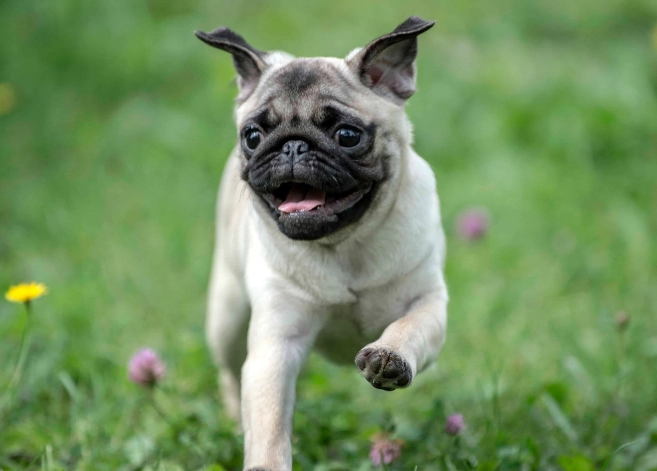
My goal here is simple: to give you all the information I wish I'd had. Not just the fluffy stuff, but the real, practical details about pug care, their health (which, frankly, needs serious attention), their personality quirks, and whether they're truly the right fit for your home. By the end of this, you'll know exactly what you're signing up for.
What Exactly Is a Canine Pug? A Quick Background Check
Before we dive into the nitty-gritty, let's understand who this little character is. The canine pug has a history that's way more glamorous than its current couch-potato reputation suggests. These dogs originally hail from China, where they were prized companions of Tibetan Buddhist monks and later of Chinese royalty. They made their way to Europe in the 16th century and became the darlings of various royal courts. That's right, your potential future pug has a noble lineage. They were bred purely for companionship, which explains a lot about their personality. They weren't meant to hunt, herd, or guard—just to love and be loved. The American Kennel Club (AKC) officially recognizes them in the Toy Group, and their official breed standard is a great place to start for understanding the ideal canine pug.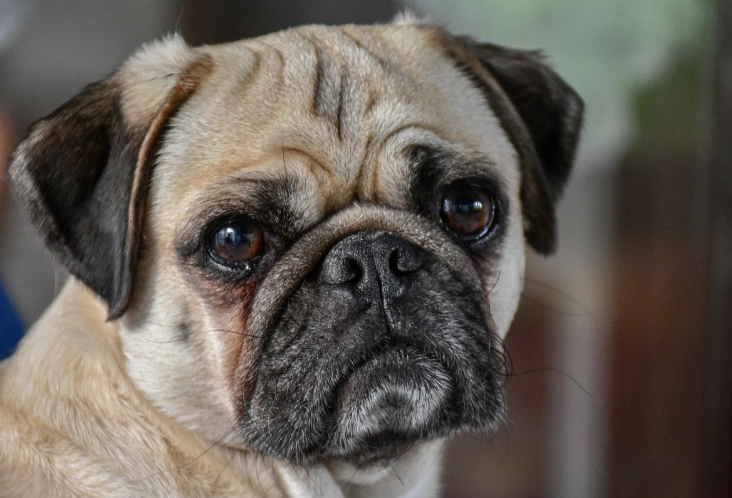
The Pug Personality: More Than Just a Funny Face
If you're looking for an independent, aloof dog that does its own thing, stop reading now. The canine pug is the epitome of a velcro dog. They form incredibly strong bonds with their humans and want to be involved in everything you do. I mean everything. Cooking? They're underfoot. Working? They're on your feet. Bathroom break? You've got an audience.
This trait is a double-edged sword. On one hand, the affection is overwhelming and wonderful. Their entire goal in life seems to be to make you smile, often through pure, unadulterated clownish behavior. They are hilarious, often without trying to be. On the other hand, this deep attachment can lead to separation anxiety if they're not taught from a young age that it's okay to be alone sometimes.
They're generally great with kids and other pets. Their sturdy, if compact, build can handle a bit of clumsy child-love, and their playful, non-aggressive nature makes them good family dogs. But they're not just lazy lumps. They have bursts of energy—often called the "pugtona," where they tear around the house at top speed for a few minutes—before collapsing back into a snoring heap.
Here's the thing people don't always say: Pugs can be stubborn. They're sensitive and eager to please, but if they decide they don't want to do something (like come inside when it's raining), you might find yourself in a standoff. Positive reinforcement is key. Yelling gets you nowhere but a sad, pouty pug face.
The Pug Look: Decoding the Squishy Features
We have to talk about their appearance because it's directly tied to their biggest challenge: their health. The classic pug look—the flat (brachycephalic) face, the big, soulful eyes, the deep wrinkles, and the tightly curled tail—is what makes them so distinctive.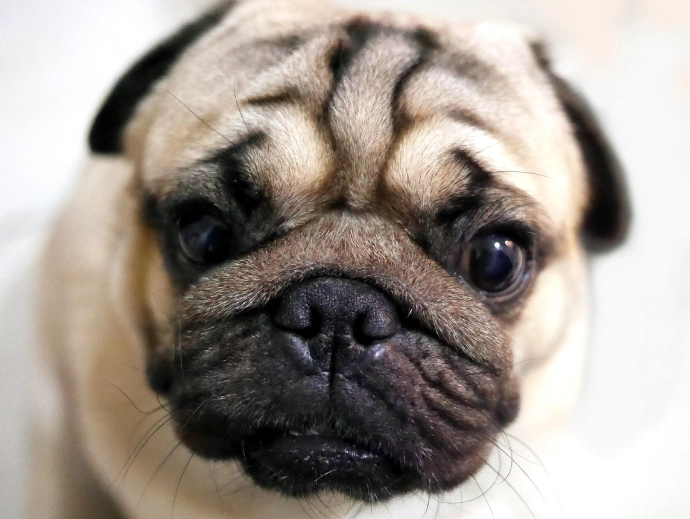
But each of these cute features comes with a caveat.
- The Flat Face (Brachycephaly): This is the root of most major health issues. Their shortened airways make breathing difficult. It's not just snoring; it's a constant struggle for air, especially in heat, humidity, or during exercise. The term for this is Brachycephalic Obstructive Airway Syndrome (BOAS), and it's a serious medical condition, not just a cute quirk.
- The Big Eyes: Those beautiful, protruding eyes are prone to injury. A simple brush against a bush can cause a corneal ulcer. They're also susceptible to conditions like dry eye (Keratoconjunctivitis Sicca) and eye infections because their facial structure doesn't allow for proper tear distribution.
- The Wrinkles: Especially the deep fold over the nose. This fold is a dark, moist haven for bacteria and yeast. If not cleaned daily, it can lead to painful infections and a terrible smell. It's a non-negotiable part of pug care.
- The Curly Tail: In some cases, the curl is so tight it can lead to a condition called hemivertebrae, which is a malformation of the spine. This can cause pain, weakness, or even paralysis.
Loving a canine pug means being a vigilant caretaker of this specific anatomy.
Pug Pros and Cons: The Unvarnished Truth
Let's lay it out clearly. Is a canine pug the right dog for you? This table sums up the major points to weigh.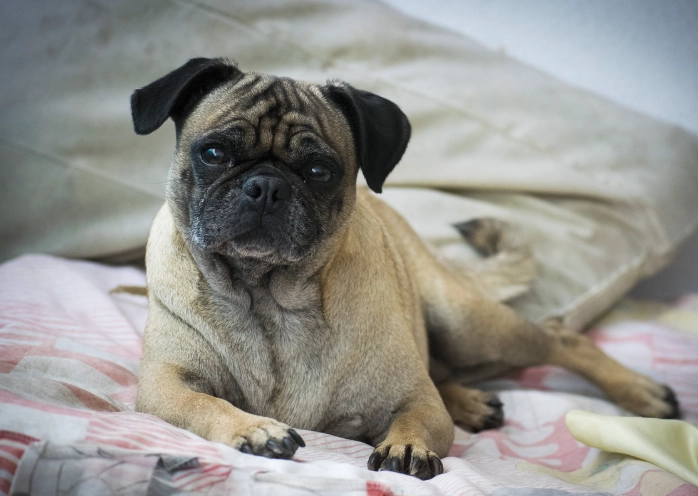
| Pros of Owning a Pug | Cons of Owning a Pug |
|---|---|
| Unmatched Companionship: They are loving, loyal, and want to be with you constantly. | Serious Health Issues: Prone to BOAS, eye problems, skin infections, joint issues, and obesity. Vet bills can be high. |
| Great for Apartments: Low exercise needs and relatively quiet (barring snoring). | High Maintenance Grooming: Daily wrinkle cleaning, frequent shedding (they shed A LOT), and nail trims. |
| Generally Good Temperament: Playful, charming, good with families and other pets. | Heat & Exercise Intolerance: Cannot handle hot weather. Overexertion is dangerous. Walks must be short and in cool times. |
| Adaptable: Happy in most living situations as long as their people are there. | Potential for Stubbornness: Can be difficult to train at times. Housebreaking may take patience. |
| Low Exercise Requirements: A couple of short walks and some playtime is usually sufficient. | Snoring, Snorting, and Gas: The soundtrack of pug ownership is… audible and aromatic. |
Looking at that cons list, it seems heavy. For the right person, the pros far outweigh them. But you have to go in with your eyes wide open.
The Daily Grind: A Realistic Pug Care Routine
Okay, you've decided you can handle it. What does caring for a canine pug actually look like on a Tuesday? It's a routine built around their specific needs.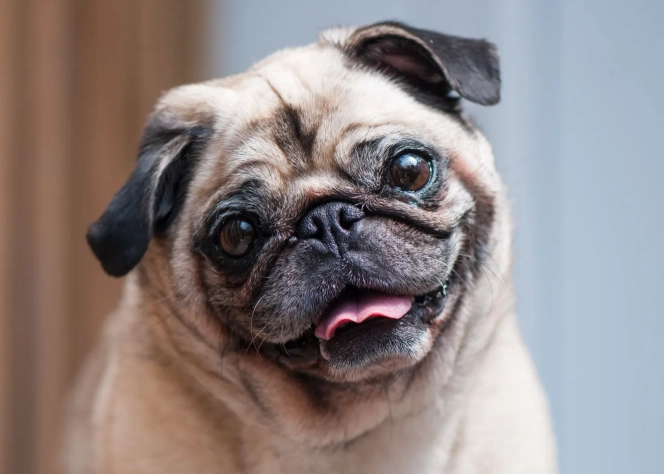
The Non-Negotiable Daily Checklist
- Wrinkle Cleaning: Use a soft, damp cloth or a cotton pad to gently clean inside the nose roll and facial wrinkles. Dry it thoroughly afterward. I use a dab of cornstarch sometimes to keep it dry. Neglect this, and you'll have a stinky, sore pug within days.
- Eye Check: Wipe away any gunk from the corners of their eyes with a clean, damp cloth. Look for redness, cloudiness, or excessive squinting.
- Fresh Water: Always available. Their breathing issues make them prone to dehydration.
- Portion-Controlled Meals: Pugs will eat until they explode. Measure their food precisely based on your vet's recommendation to prevent obesity.
- Potty Breaks: They have small bladders. Be consistent.
Exercise: Forget long hikes. A canine pug needs short, leisurely walks in the cool morning or evening. I aim for 15-20 minutes, twice a day. Watch for labored breathing—if they're panting heavily with their tongue very far out, it's time to stop and rest. Indoor play is great for burning off their "pugtona" energy.
Grooming: Despite their short coat, they shed… profusely. A weekly brush with a rubber grooming mitt or a deshedding tool helps control the tumbleweeds. Baths are needed every 3-4 weeks with a gentle dog shampoo. Don't forget to clean and dry those ears regularly too.
Navigating the Health Minefield: What You Must Know
This is the most critical section. Being a responsible pug owner means being a proactive health advocate. Here are the big ones:
Brachycephalic Obstructive Airway Syndrome (BOAS)
This isn't just snoring. It's a structural problem. Their nostrils are often too narrow (stenotic nares), their soft palate is too long, and their windpipe might be undersized. This makes every breath a effort.
Symptoms: Loud, raspy breathing even at rest, snorting, gagging, difficulty cooling down, exercise intolerance, sleep apnea, and fainting in severe cases.
Heatstroke is a MAJOR risk. Pugs can overheat and die in temperatures that other dogs find comfortable. Never, ever leave a pug in a car. Avoid walks in the heat of the day. Provide constant access to cool air and water. If they are panting excessively and seem distressed, cool them down with lukewarm (not cold) water and get to a vet immediately.
Surgery can help some components of BOAS, like widening the nostrils or shortening the palate. It's a discussion to have with a veterinarian who specializes in brachycephalic breeds. The Veterinary Partner resource from VIN provides an excellent, detailed medical overview of BOAS.
Eye Problems
Their prominent eyes are vulnerable. Corneal ulcers are common from scratches. Dry eye (where they don't produce enough tears) is also frequent and requires lifelong medication like cyclosporine or tacrolimus drops to prevent pain and scarring.
Then there's the nightmare scenario: proptosis. This is when the eye actually pops out of the socket, usually due to trauma (like a dog fight or catching the eye on something). It's a true medical emergency requiring immediate veterinary care to try and save the eye.
Skin and Orthopedic Issues
Skin fold dermatitis (from those dirty wrinkles), allergies, and demodectic mange (a mite that often affects pugs with weaker immune systems) are common. Keep them clean and dry.
Pugs are also prone to hip dysplasia and luxating patellas (knee caps that pop out of place). Keeping them at a lean weight is the single best thing you can do to reduce stress on their joints.
The Obesity Trap
This deserves its own heading. A fat pug is a suffering pug. Excess weight makes every single one of their health problems—breathing, joints, heart—dramatically worse. You must resist the urge to overfeed. No table scraps. Use healthy treats for training. Feel their ribs; you should be able to easily feel them under a thin layer of fat.
Regular check-ups with a vet who understands brachycephalic breeds are non-negotiable. Consider pet insurance before you get the pug, as pre-existing conditions won't be covered.
Training and Socializing Your Canine Pug
Start early. Pug puppies are sponges. The core pillars are:
- Housebreaking: Be patient. They are small and it takes time. Consistency and a regular schedule are your best friends.
- Basic Obedience: Teach sit, stay, come, and loose-leash walking. Use high-value treats (tiny pieces of chicken, cheese). Keep sessions short and fun. Their attention span isn't huge.
- Socialization: Expose them gently to different people, dogs, sounds, and environments during their first few months. This helps prevent fearfulness later on.
- Crate Training: This is a lifesaver for housebreaking and giving them (and you) a safe space. Make the crate a positive, cozy den.
The stubbornness can surface here. If they don't want to do something, they might just sit down and look at you. Don't get into a physical struggle. Just be more interesting and rewarding than whatever is distracting them.
Common Pug Questions (The Stuff People Actually Search)
Finding Your Canine Pug: Breeder vs. Rescue
This is a major ethical decision. If you go the breeder route, do not cut corners. A responsible breeder is the best chance at getting a healthier pug.
- They will health test their breeding stock for conditions like hip dysplasia, patellar luxation, and eye diseases (with certifications from organizations like the Orthopedic Foundation for Animals - OFA).
- They will openly discuss the challenges of the breed, especially BOAS.
- They will ask you as many questions as you ask them.
- They will show you the mother and the living conditions.
- They will have a contract requiring you to return the dog to them if you can't keep it.
Avoid pet stores and online sellers offering "teacup" pugs (not a real thing) or who can't provide health clearances. These are almost certainly puppy mills, and the dogs often come with severe health and behavioral problems.
Honestly, considering adoption is a wonderful option.
Pug rescues are full of dogs of all ages needing homes. Some are surrendered because owners weren't prepared for the health issues or the reality of their care. Adopting an adult pug can be fantastic—you often know their personality and health status upfront. Organizations like Pug Rescue of New England or your local pug-specific rescue are great places to start looking. You're giving a second chance to a dog that really needs it.
Final Thoughts: Is a Canine Pug Your Perfect Match?
Living with a pug is a commitment to constant, sometimes messy, always loving companionship. It's about laughing at their zoomies, wiping their wrinkles, managing their health proactively, and accepting that your personal space is a thing of the past.
They are not a low-maintenance dog. They require an owner who is home a lot, patient, financially stable for potential vet costs, and utterly dedicated to their well-being. If you can provide a cool, loving home where they can be your shadow, the reward is immense. You get a funny, affectionate, endlessly entertaining little friend whose whole world revolves around you.
But if your lifestyle is highly active, you're away from home constantly, or you're not prepared for the medical realities, please consider another breed. Loving pugs means wanting what's best for them, even if that means admitting they aren't the best fit for you right now.
For me, despite the vet visits, the snoring, and the endless fur, Winston was worth every second. He taught me about patience, responsibility, and unconditional love in a squishy, snorting package. Just do your homework first.
Related Articles