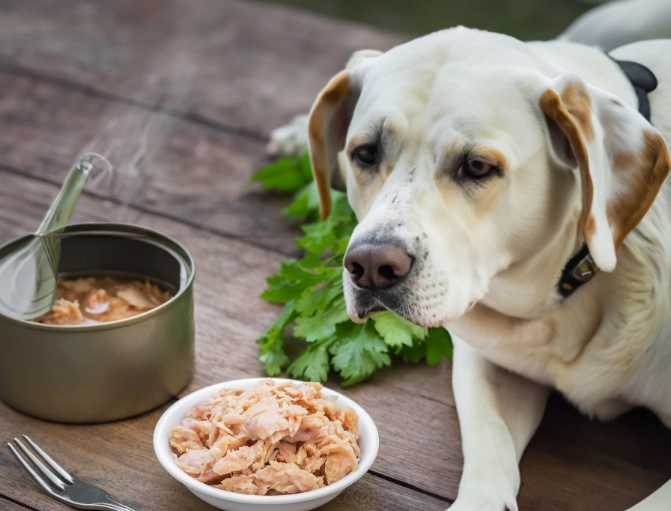
Can Dogs Eat Tuna? A Complete Guide to Safety & Nutrition
Let's cut to the chase. You're probably here because you were making a sandwich, your dog gave you the look, and you wondered, "Can dogs eat tuna?" It seems harmless enough, right? It's just fish. I've been there myself, holding a flake of tuna over my dog's head while he performed his best "starving artist" impression. The short, overly simplistic answer is: yes, dogs can eat tuna. But—and this is a massive but—the real answer is packed with more "ifs," "buts," and "howevers" than a legal contract. Feeding tuna to your dog isn't as straightforward as tossing them a piece of chicken. Get it wrong, and you could be doing more harm than good, which is the last thing any of us want. So, let's ditch the quick Google search soundbite and really dig into what it means to share tuna with your canine companion. We'll talk about the good stuff (hello, omega-3s!), the scary stuff (mercury is no joke), and the practical stuff (how much, how often, and what kind). By the end of this, you'll know exactly what you're doing, and you can make a choice that keeps your dog's tail wagging safely. First, let's talk about why the question "can dogs eat tuna" even comes up. It's not a crazy idea. Tuna has some legitimately great nutritional points that can benefit dogs, much like they benefit us. The Nutritional Upside: Tuna is a lean protein powerhouse. It's loaded with essential amino acids that help build and maintain your dog's muscles. Beyond that, it's famous for its omega-3 fatty acids (EPA and DHA). These are the good fats that support a shiny coat, reduce itchy skin inflammation, and are fantastic for cognitive health. For older dogs, omega-3s can help with joint mobility. It's also a source of vitamins like B12 and D, and minerals like selenium, which acts as an antioxidant. I remember adding a small spoonful of tuna in water to my picky senior dog's kibble during a phase when he just wouldn't eat. The smell got him interested again, and it gave him a little boost. It was a last-resort trick that worked. But I wouldn't do it regularly, though—we'll get to why. Here's where we need to get serious. The benefits don't exist in a vacuum. They come with some significant risks that you absolutely cannot ignore. This is the part most quick articles gloss over, but it's the most important. This is the big one. Tuna, especially larger species like albacore and bluefin, are high on the food chain. They live a long time and accumulate methylmercury in their tissues. While a tiny bite once in a blue moon likely won't hurt, regular consumption leads to bioaccumulation in your dog's body. What happens with mercury poisoning? It's sneaky. Symptoms don't show up overnight. They build up and can include loss of coordination (ataxia), tremors, weakness, vision problems, and even seizures. The damage is often neurological and can be permanent. Smaller dogs are at greater risk because the toxic dose is relative to their body weight. The U.S. Food and Drug Administration (FDA) provides guidelines on mercury in fish for humans, and the caution for pets is even greater due to their size. There's no "safe" mercury level established for dogs, so the prudent approach is to minimize exposure. Mercury isn't the only villain. Think about how you usually eat tuna—canned. Canned tuna for human consumption is often packed in brine, which is loaded with salt. Dogs have a much lower tolerance for sodium. Too much salt can lead to excessive thirst, urination, and in severe cases, sodium ion poisoning, which causes vomiting, diarrhea, tremors, and high body temperature. Canned tuna in spring water is a better choice, but you still need to check the label. Some "low-sodium" versions are still too high for a small dog. Then there's the issue of added flavors. Tuna packed in oil (like vegetable or soybean oil) adds unnecessary fats that can upset your dog's stomach or contribute to pancreatitis, especially in breeds prone to it. Tuna with added seasonings, onions, or garlic is a flat-out no. Onions and garlic are toxic to dogs and can cause life-threatening anemia. Okay, with the scary stuff laid out, let's get practical. If you decide to give tuna, here’s exactly how to do it as safely as possible. Think of it as a strict protocol, not a casual treat. Not all tuna is created equal. Your choices here drastically affect the risk level. I made the mistake of buying tuna in spring water once without checking the label closely. It was a "low sodium" version, but it still had 180mg per serving. For my 15-pound dog, that was too much for a treat. Now, I'm militant about reading labels. If the sodium content is listed, I skip it if it's anything over 50mg for a small serving. This is the million-dollar question. The consensus among vets and pet nutritionists is that tuna should be an occasional treat, not a dietary staple. It should never make up more than 10% of your dog's daily caloric intake. Here's a rough, conservative guideline based on dog size. Remember, less is always safer. See how small those amounts are? That's the point. If you're using tuna as a food topper to encourage eating, use even less—just a few flakes mixed in thoroughly. The goal is the scent, not the volume. This is a clever question I get a lot. If cats can eat tuna cat food, can dogs eat tuna cat food? Or what about dog foods that list tuna as an ingredient? Tuna Cat Food: It's formulated for cats, who have different nutritional needs (higher protein, different vitamin requirements). It shouldn't be a regular part of a dog's diet. More importantly, it's still tuna, so the mercury risk remains. Don't think of it as a safer alternative. Commercial Dog Foods with Tuna: This is different. Reputable pet food companies that use tuna in their formulas (like some high-end sensitive skin or limited-ingredient diets) are sourcing specific types of fish and rigorously testing for heavy metals like mercury. The tuna is processed and included as part of a complete, balanced diet. This is vastly different from you opening a can of Starkist and doling it out. If you're concerned about mercury but want the benefits of fish in your dog's diet, a vet-recommended commercial food with fish is a much safer, controlled route. Honestly, if you're looking to add fish to your dog's diet for the omega-3 benefits, there are far better and safer choices than tuna. These fish are typically smaller, shorter-lived, and have much lower mercury levels. The rule remains: cook it thoroughly (bake, steam, or boil), remove all bones (though small, soft bones in sardines are okay), and serve plain. Let's tackle some of the specific searches that probably led you here. So, can dogs eat tuna? Technically, yes. But the better question is: Should they? For most dog owners, the risks associated with mercury and the hassle of finding the perfectly prepared, low-mercury, no-salt-added tuna outweigh the benefits. The omega-3 and protein benefits can be obtained more safely and reliably from other fish like sardines or salmon, or from a high-quality fish oil supplement formulated for dogs. If you absolutely want to share a bit of your tuna sandwich with your begging buddy, make it a very rare event. Use only a tiny amount of rinsed, water-packed, light tuna. Think of it as a once-in-a-blue-moon indulgence, like you eating a whole pint of ice cream. Not a habit. Your dog's health is built on consistency and the right nutrients. When in doubt, the safest answer to "can dogs eat tuna" is to choose a safer alternative. There are plenty of other delicious, tail-wagging treats out there that don't come with a side of heavy metal concerns. When I want to give my dog a special fishy treat, I reach for a plain, cooked sardine. He loves it just as much, and I can sleep soundly knowing it's a genuinely healthy choice. For the most authoritative advice tailored to your specific dog (considering their breed, age, weight, and health status), always consult your veterinarian. You can find more resources on general pet food safety from organizations like the American Veterinary Medical Association (AVMA) or the Association for Pet Obesity Prevention (APOP).Quick Guide

The Good News: Why You Might Consider Tuna for Dogs

The Not-So-Good News: The Real Risks of Feeding Tuna to Dogs
Mercury Poisoning: The Silent Threat

Sodium Poisoning and Other Issues
So, Can Dogs Eat Tuna Safely? The Practical Guide
Choosing the Right Tuna for Your Dog
How Much Tuna Can My Dog Eat? (The Safe Serving Sizes)
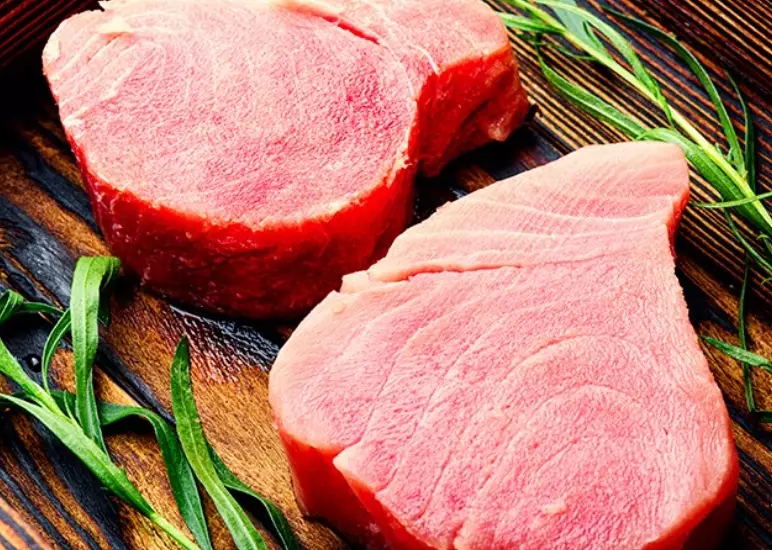
Dog Size Approximate Weight Maximum Safe Serving (as a rare treat) Frequency Small (e.g., Chihuahua, Yorkie) Under 20 lbs 1-2 teaspoons of drained, rinsed tuna Not more than once a month Medium (e.g., Beagle, Cocker Spaniel) 20-50 lbs 1-2 tablespoons Not more than once every 2-3 weeks Large (e.g., Labrador, German Shepherd) 50-90 lbs Up to ¼ cup (a small handful) Not more than once every 2-3 weeks Giant (e.g., Great Dane, Mastiff) 90+ lbs Up to ⅓ cup Not more than once every 2-3 weeks What About Tuna Made for Cats? Or Tuna in Dog Food?

Healthier Fish Alternatives to Tuna for Dogs
FAQs: Your Burning Questions About Dogs and Tuna
The Final Verdict: Should You Feed Your Dog Tuna?