What Can You Give a Dog for Pain? Vet-Approved Options & Dangers
Let's be real here. Seeing your dog in pain is one of the worst feelings as a pet owner. That whimper when they try to stand up, the reluctance to go for a walk, the sad eyes that just aren't their usual bright selves. Your first instinct is to help, to fix it, to make the hurt go away. And in that moment of panic, a dangerous thought often crosses people's minds: "What can I give a dog for pain from my own medicine cabinet?" Stop right there. I've seen the panic in a friend's eyes when their dog was limping and they reached for the human medicine cabinet. It's a natural, caring impulse, but it's the wrong one. The question of "what can you give a dog for pain" isn't answered by your own pills. It's answered by understanding canine physiology, safe options, and a solid partnership with your vet. So, let's ditch the panic and talk about what actually works, what's safe, and how you can be your dog's best advocate when they're hurting. Dogs are not small, furry humans. Their bodies metabolize drugs completely differently. A dose of ibuprofen that would soothe your headache can shred your dog's stomach lining and shut down their kidneys. Acetaminophen, which is generally safe for us, destroys a dog's red blood cells and causes liver failure. Honestly, it's terrifying. The ASPCA Animal Poison Control Center lists human NSAIDs (Non-Steroidal Anti-Inflammatory Drugs) as one of the top reasons for toxicosis calls. The mechanism is simple but devastating: dogs lack certain enzymes we have to safely process these compounds. The result is catastrophic internal damage, often before you even see outward symptoms. So, the first and most critical answer to "what can you give a dog for pain" is this: nothing from your personal supply. Full stop. Let's move on to the things you actually can consider. When you call your vet about your dog's pain, they have a toolkit of medications specifically designed for canine biology. These are the real answers to what you can give a dog for pain. These are the most commonly prescribed class of painkillers. They reduce inflammation, fever, and pain. The key is they are canine-specific. My own senior Labrador was on Galliprant for his arthritis. It worked well with fewer side effects on his kidneys, which was a big concern for us. But here's the catch—even these vet-prescribed NSAIDs aren't harmless candy. They require bloodwork before and during treatment to monitor organ function. Your vet isn't being overly cautious; they're being responsible. Long-term use of any NSAID, even a dog-specific one, carries risks of stomach upset, and in rare cases, more serious issues. You must follow the dosing instructions to the letter. Never double up a dose if you miss one. Never combine them with other NSAIDs (including aspirin) or steroids. This is where the vet's guidance is non-negotiable. Sometimes NSAIDs aren't enough, or they aren't appropriate. Vets have other tools. For severe pain, like after major surgery or with cancer, vets may use full opioids like morphine or fentanyl patches. These are tightly controlled and used under very specific, monitored conditions. The table gives you an overview, but it's not a menu. Your vet is the chef. They'll decide what combination and dose is right after examining your dog. Blindly asking for "what my neighbor's dog is on" is a recipe for trouble. This is the grey area everyone loves. The internet is full of claims about miracle cures. Let's separate some hope from the hype. Ah, CBD. The modern panacea. The short answer is: promising, but proceed with extreme caution. Early research and a mountain of anecdotal reports suggest CBD oil can help with pain, anxiety, and inflammation in dogs. A study from Cornell University found it helped increase comfort and activity in dogs with osteoarthritis. But here's my personal gripe: the market is a wild west. Quality, concentration, and purity vary wildly. Some products contain little to no CBD; others contain harmful contaminants or even THC (which is toxic to dogs). So, when wondering what you can give a dog for pain naturally, fish oil and glucosamine are your safest, most researched bets. Everything else requires more homework and vet consultation. Medicine is one piece of the puzzle. Your home environment is another powerful tool. What can you give a dog for pain besides a pill? How about comfort? Weight Management: This is the number one, most effective thing you can do for a dog with joint pain. Every extra pound is four pounds of pressure on their knees and hips. Putting your dog on a diet isn't mean—it's the single greatest gift of pain relief you can offer. Talk to your vet about a weight loss plan. Gentle Exercise: Counterintuitive, but rest can make stiffness worse. Short, frequent, leashed walks on soft ground (grass, not pavement) keep joints moving and muscles strong. Swimming is absolute gold for painful dogs—it's zero impact. I used to take my arthritic lab to a canine hydrotherapy pool, and the difference in his mobility afterwards was night and day. Physical Therapy & Modalities: Canine rehab is a growing field. Therapists use underwater treadmills, laser therapy, therapeutic ultrasound, and massage. Cold packs are great for acute inflammation (like a sprain); heat packs can soothe chronic, stiff muscles. You can learn simple, safe massage techniques from a professional. Environmental Modifications: These things cost money, sure. But compared to the cost of emergency surgery from a bad fall, or stronger medications, they're an investment in quality of life. This is the classic. The answer is: Only under direct, specific dosing instructions from your vet, and only as a one-time emergency stopgap until you can see the vet. Buffered aspirin (like Bufferin) is sometimes used in dogs, but it's far from ideal. It still carries risks of stomach ulcers and bleeding. The dose is much lower than a human dose and is weight-specific. Never use enteric-coated aspirin (it can't be properly absorbed in dogs). Honestly, with so many better, safer canine NSAIDs available, aspirin has largely been relegated to the history books. If your vet does prescribe it, they will give you the exact milligram dose for your dog's weight. No. Just no. I don't care what you heard. Acetaminophen (Tylenol) is exceptionally dangerous for dogs. It causes methemoglobinemia, which suffocates their red blood cells from the inside, and liver failure. There is no safe dose for a dog without veterinary intensive care monitoring. This is a hill I will die on. First, assess. Is it a slight limp or is the leg held completely off the ground? Can you gently touch and move the leg without extreme reaction? If it's mild, the first thing you can give is rest. Confine them. Apply a cold pack wrapped in a towel to the area for 10-15 minutes. Observe. If the limp persists beyond 24 hours, or is severe from the start, the answer isn't a home remedy—it's a vet visit to rule out a fracture, ligament tear, or other serious issue. Giving pain meds might mask the symptom and let your dog injure themselves further. Dogs are stoic. They hide pain instinctively. Signs are often subtle: You know your dog best. If they're "just not themselves," pain is a prime suspect. Go to the emergency vet immediately if: So, when the question of "what can you give a dog for pain" pops into your head, here's a mental flowchart to follow: The goal isn't just to mask pain with a pill. It's to identify the source, treat it appropriately, and improve your dog's overall comfort and mobility for the long haul. I know it's tempting to look for a quick fix. We all want our dogs to feel better now. But the most responsible, loving thing you can do is to work with your veterinarian. They have the training and the tools. You have the knowledge of your dog's normal behavior. Together, you can answer the question "what can you give a dog for pain" in the safest, most effective way possible. Let's keep our medicine cabinets for ourselves, and our vet's phone number on speed dial for them.Quick Navigation
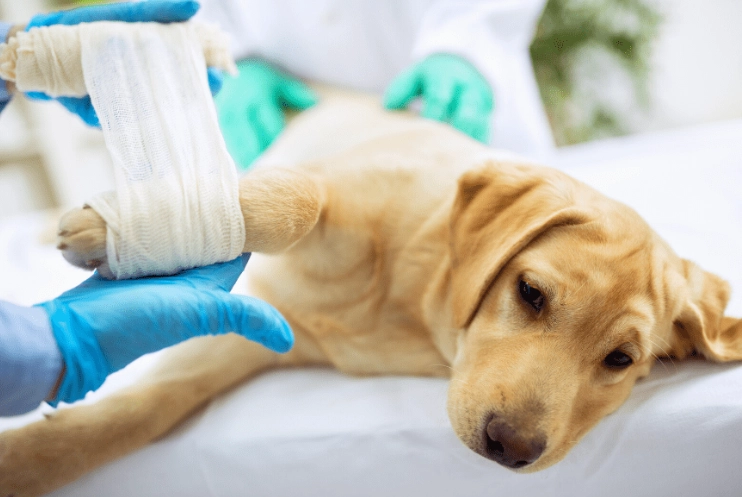
The Golden Rule: Why Human Meds Are a Hard No
What Your Vet Can Prescribe: The Safe Arsenal

NSAIDs Made for Dogs

Other Prescription Pain Medications

Medication Type
Common Brand/Generic Names
Primary Use
Key Considerations
Canine NSAID
Carprofen, Meloxicam, Grapiprant
Arthritis, post-surgery, general inflammation
Requires pre-treatment bloodwork; monitor for vomiting, diarrhea, appetite loss.
Neuropathic Agent
Gabapentin
Nerve pain, chronic pain (often combined)
May cause initial sedation/dizziness. Do not stop abruptly.
Opioid/Opioid-like
Tramadol, Buprenorphine
Moderate to severe acute pain
Can cause constipation, sedation. Efficacy of tramadol is debated.
Adjunct Therapy
Amantadine
Chronic pain (used with NSAIDs)
Helps prevent central sensitization to pain.
Natural Remedies and Supplements: Do They Work?
The Heavy Hitters (With Some Science)
The CBD Question
What Can You Do at Home? Non-Medication Support

Answering Your Burning Questions
Can I give my dog Aspirin?
What about Tylenol? I heard it's okay.

My dog is limping. What can I give him at home right now?
How can I tell if my dog is in pain?
The American Animal Hospital Association (AAHA) and the American Association of Feline Practitioners (AAFP) actually have comprehensive pain management guidelines that stress pain should be treated as the fourth vital sign (after temperature, pulse, and respiration). Recognizing it is the first step.
When is it an emergency?
Putting It All Together: A Step-by-Step Mindset
Step 2: Provide Immediate, Non-Medical Care. Rest. Confinement. Cold compress for acute injury. Make them comfortable.
Step 3: Call Your Veterinarian. Describe the symptoms clearly. They will tell you if you need to come in. This is when you ask, "Based on what I've described, what can you give my dog for pain, and should I bring him in?"
Step 4: Follow the Vet's Plan Precisely. If they prescribe medication, ask about side effects, follow-up, and monitoring. If they recommend supplements or lifestyle changes, commit to them.
Step 5: Become a Pain Management Partner. This is long-term. Report back to your vet on what's working or not. Adjust food for weight loss. Invest in ramps and good bedding. Consider physical therapy.