How Fast Can a Horse Run? Top Speeds, Breeds & Factors Explained
Quick Guide
- The Straight Answer: Top Speed Numbers You Can Trust
- It's All in the Breed: The Speed Champions
- The Science of Speed: What's Under the Hood?
- Beyond Breed: What Else Determines How Fast a Horse Can Run?
- How Does a Horse's Speed Stack Up Against Other Animals?
- Your Questions Answered: The Horse Speed FAQ
- The Not-So-Glamorous Side: Speed Comes with Risks
- Wrapping It Up: Speed is a Story, Not Just a Number
You've probably seen them in movies, thundering across the plains, or at the racetrack, a blur of power and grace. It makes you wonder, just how fast can a horse run? Is it the 40, 50, or even 60 miles per hour you sometimes hear about? The answer isn't as simple as a single number. It's a mix of biology, breed, training, and even the ground they're running on.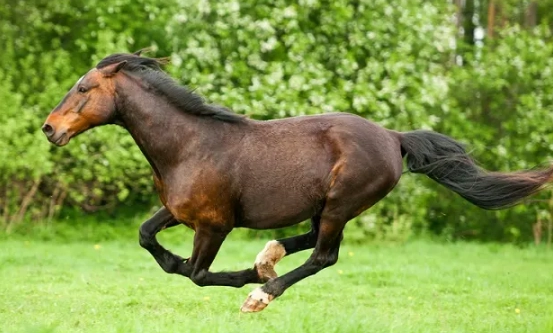
I remember the first time I stood by a racetrack. The sound hit me first—a rhythmic, powerful pounding that you feel in your chest more than hear. Then they flashed by, and it was over in seconds. The sheer speed was breathtaking, but also confusing. Which one was fastest? How do they even move that quickly? That experience sent me down a rabbit hole, and what I found was way more interesting than I expected.
This isn't just about a top speed record. It's about understanding what makes these animals such incredible athletes. We're going to look at the raw numbers, sure, but also the "why" behind them. What allows a horse to reach such velocities? Why can a Quarter Horse blast out of a gate faster than just about anything, but a Thoroughbred might beat it in a longer dash? Let's break it all down.
The Straight Answer: Top Speed Numbers You Can Trust
Alright, let's cut to the chase. When people ask "how fast can a horse run," they usually want the record. The fastest recorded speed for a horse is held by a Thoroughbred named Winning Brew. Clocked at the Penn National Race Course in 2008, she hit 43.97 mph (70.76 km/h) over a quarter-mile. That's the Guinness World Record, and it's insane to think about. For context, that's faster than the speed limit on most city streets.
So, the simple answer to "how fast can a horse run" is: the absolute fastest ever recorded is just under 44 mph. But the practical, realistic speed for a horse depends on almost everything about it.
It's All in the Breed: The Speed Champions
Asking how fast a horse can run is like asking how fast a car can go. A family sedan and a Formula 1 car are both cars, but built for completely different purposes. Horses are the same. Here’s a look at the podium finishers in the speed world.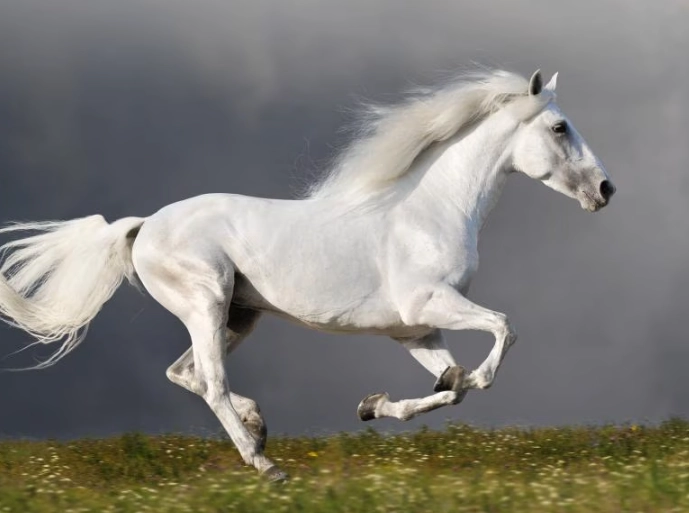
| Breed | Best For / Distance | Top Speed Capability | Why They're Fast |
|---|---|---|---|
| American Quarter Horse | Short sprints (quarter-mile or less) | Up to 55 mph (claimed, but generally 45-50 mph peak) | Incredible explosive power from massive hindquarters. They are the drag racers of the horse world. |
| Thoroughbred | Middle to long distances (1-1.5 miles) | Up to 44 mph (official record) | Lean, long-legged build, huge heart capacity, and bred for endurance at high speed. |
| Arabian | Extreme long distance (endurance racing, 50-100 miles) | Sustained speeds of 20-25 mph over hours | Unmatched stamina, efficient metabolism, and tough hooves. They win the marathon, not the sprint. |
| Standardbred | Harness racing (trotting/pacing for 1 mile) | High 30s mph while maintaining a specific gait | Speed is combined with the technical skill of maintaining a fast, smooth trot or pace without breaking into a gallop. |
See what I mean? A Quarter Horse is built to explode out of a starting chute in a rodeo. Its muscles are pure fast-twitch fiber. A Thoroughbred has a different engine—it's built to sustain a punishing pace for over a minute. And the Arabian? It's the ultimate endurance machine. So, before you wonder how fast a horse can run, you have to ask *which* horse.
The Science of Speed: What's Under the Hood?
Horses aren't magic. Their speed comes from a brilliant piece of biological engineering. Let's pop the hood.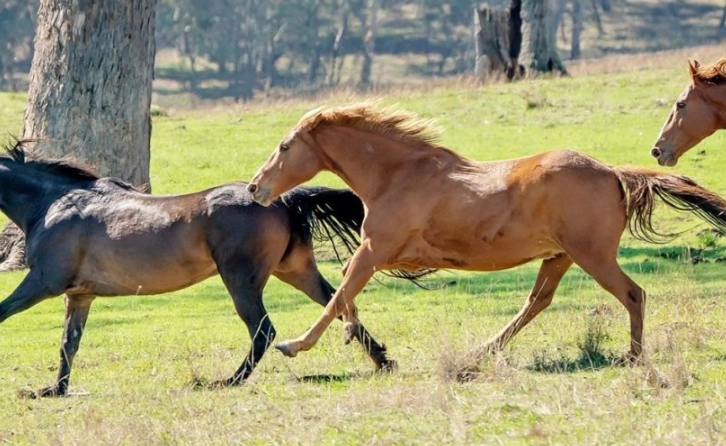
The Engine: Heart and Lungs
A racehorse's heart is legendary. The average horse heart weighs about 8-10 pounds. A champion Thoroughbred's heart can weigh over 20 pounds. Secretariat, perhaps the greatest racehorse ever, was found to have a heart estimated at 22 pounds during his autopsy. This "big heart" gene allows for massive stroke volume—pumping huge amounts of oxygen-rich blood to the muscles. It's their turbocharger.
Their respiratory system is equally wild. Horses are obligate nasal breathers—they can't breathe through their mouths. Their entire gallop is synchronized with their breathing. One stride equals one breath. This forced coordination is incredibly efficient at high speed. The American Association of Equine Practitioners (AAEP) has tons of resources on equine physiology that dive deeper into this fascinating system.
The Suspension: Legs and Gait
A horse's leg is a masterpiece of lightweight, elastic energy storage. The tendons in their lower legs—like the superficial digital flexor tendon—act like giant rubber bands. They stretch on impact, storing energy, and then recoil to propel the horse forward. This is why they're so efficient.
The gallop itself is a four-beat gait with a moment of suspension where all four feet are off the ground. The faster the horse, the longer this moment of flight. Watching slow-motion footage of a horse at full tilt is humbling. They're literally flying.
Beyond Breed: What Else Determines How Fast a Horse Can Run?
Breed gives you the potential, but these factors determine if that potential is reached.
- Age: Horses are at their physical peak for speed between ages 4 and 8. A 2-year-old is still growing and won't have top-end speed or stamina. A horse over 10 might start to lose a step, though many compete successfully well beyond that with careful management.
- Training & Conditioning: This is the biggest variable after genetics. A perfectly bred horse left in a field won't break any records. Systematic training builds muscle, cardiovascular capacity, and strengthens bones and tendons. It's a long, careful process. Overtraining leads to injury, undertraining leaves potential on the table.
- Track Surface & Conditions: A fast, dry, well-maintained dirt or turf track is ideal. Muddy, deep, or hard surfaces slow horses down and increase injury risk. The official record for how fast a horse can run was set on a perfect racing surface.
- Jockey & Equipment: Weight matters. Every extra pound the horse has to carry affects speed. Jockeys are small for a reason. The rider's skill in positioning, pacing, and encouraging the horse is also a huge factor. A poorly fitted saddle can hinder movement, too.
- Health & Soundness: This should be obvious, but a horse with even a minor injury or illness won't perform at its best. Respiratory health is especially critical for speed.
So you see, the question "how fast can a horse run" has a million answers before you even get to the stopwatch.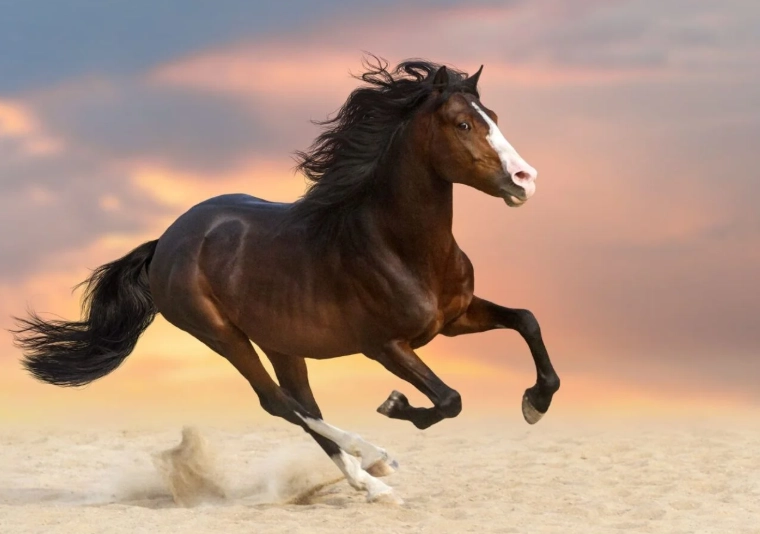
How Does a Horse's Speed Stack Up Against Other Animals?
We get a better sense of a horse's place in the animal kingdom by comparing it. This is where it gets fun.
In a very short sprint (a quarter-mile or less), a top Quarter Horse is one of the fastest land animals on Earth, potentially beating even the cheetah over that specific distance. But the cheetah still holds the crown for absolute top speed, hitting 60-70 mph in a brief, explosive chase. The cheetah is built for that one, devastating sprint. A horse is built for a longer, sustained run.
Against other animals we know:
- Greyhound: Can hit about 45 mph, very similar to a racehorse, but over a much shorter distance (a few hundred yards).
- Human (Usain Bolt's top speed): Around 27.8 mph. It really puts equine athleticism in perspective.
- Elk/Moose: Large deer can run 35-45 mph in short bursts, showing that large size doesn't always mean slow.
The horse's real genius is its combination of size, speed, and stamina. Few animals over 1,000 pounds can move that fast for that long. It's why they were so revolutionary for human transportation and warfare.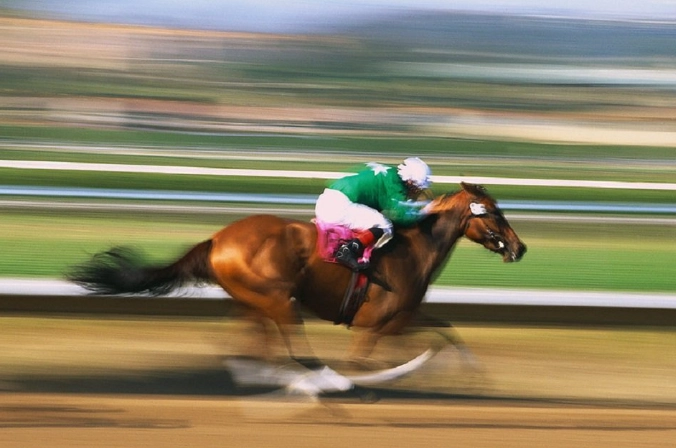
Your Questions Answered: The Horse Speed FAQ
After talking to lots of horse people and beginners, here are the questions that come up again and again when we discuss how fast a horse can run.
The Not-So-Glamorous Side: Speed Comes with Risks
We glorify speed, but in the horse world, it's a double-edged sword. The very adaptations that make horses fast also make them prone to injury. Those long, slender legs are fragile. High-speed falls on the track are often catastrophic. The immense forces going through their joints and tendons can lead to breakdowns.
It's the dark side of asking "how fast can a horse run." The pursuit of that speed, especially in racing, has led to welfare concerns. I'm not here to preach, but to be honest, it's something that made me reconsider just cheering for the fastest time. The industry is getting better—with improved track surfaces, better veterinary oversight, and aftercare programs—but the risk is inherent in the animal's design.
For the average horse owner, pushing a horse for speed on uneven ground, hard surfaces, or without proper conditioning is a recipe for a vet bill or worse. Speed is a gift, but it has to be respected.
Wrapping It Up: Speed is a Story, Not Just a Number
So, how fast can a horse run? We started with a simple question and ended up in anatomy class, at the breeding farm, on the training track, and even in a debate about animal welfare.
The number—44 mph—is just the headline. The real story is in the details. It's in the Quarter Horse's explosive launch, the Thoroughbred's pounding, sustained drive, and the Arabian's relentless trot across a desert. It's in the size of a champion's heart and the spring in its step. It's a story of incredible natural engineering, refined over centuries by humans for sport, work, and partnership.
Next time you see a horse run, you'll see more than just speed. You'll see biology in motion. And maybe, like me, you'll appreciate not just how fast they go, but the amazing way they do it.
That's the thing about horses. The more you learn, the more impressive they become.
Related Articles