Harlequin Rabbit: A Complete Guide to This Colorful Companion
Jump to Sections
- A Walk Through History: From French Fancy to Family Friend
- A Palette of Patterns: The Two Types of Harlequin Rabbits
- Personality Unpacked: The Heart Behind the Harlequin
- Keeping Them Healthy: Common Harlequin Rabbit Health Issues
- The Complete Harlequin Rabbit Care Guide
- Finding Your Harlequin: Breeder, Rescue, or…?
- The Final Word: Is a Harlequin Rabbit Right For You?
Let's be real. The first time you see a Harlequin rabbit, you stop and stare. It's impossible not to. They look like a rabbit that couldn't decide on one color, so it chose two (or three, or four) and splashed them on in the most bizarre, beautiful bands. But here's the thing a lot of blogs don't tell you: underneath that circus-tent coat is one of the most charming, personality-packed bunnies you could ever hope to meet. I remember visiting a breeder friend years ago, expecting aloof show animals, and instead getting my shoelaces investigated by a curious, gentle Harlequin with the most expressive face. That's the real story.
This isn't just a breed profile. If you're wondering whether a Harlequin rabbit is the right pet for you, how to care for one, or what those color patterns are even called, you're in the right place. We're going deep, past the Instagram-worthy photos and into the nitty-gritty of daily life with a Harlequin. Their quirks, their needs, the good, and the frankly, not-so-good parts too.
Quick Snapshot: The Harlequin rabbit is a medium-sized breed, originally from France, renowned exclusively for its unique, alternating bands of color on a broken pattern coat. They come in two main pattern types (Japanese and Magpie) and several color combinations. Known for a docile, playful, and surprisingly social temperament, they make excellent companions for the right owner.
A Walk Through History: From French Fancy to Family Friend
Their story starts in 1880s France. Breeders were experimenting, trying to create something truly eye-catching. They crossed semi-wild tortoiseshell Dutch rabbits with other breeds, and voila – the rabbit with the harlequin (like the classic theatrical character) pattern was born. They were first shown as the "Japanese Rabbit," which is why one of the patterns still bears that name today. The breed's journey to recognition wasn't smooth. It took decades, a World War (which nearly wiped them out in Europe), and dedicated breeders in England and America to stabilize them.
The American Rabbit Breeders Association (ARBA) officially recognized the Harlequin breed in the 1920s. Getting that official ARBA recognition was a big deal—it meant standardized judging and a secured future for the breed. Today, they're not the most common pet store rabbit, which is kind of a shame, but they're a beloved staple among rabbit enthusiasts and show circles. Their history is a testament to survival and human fascination with beauty.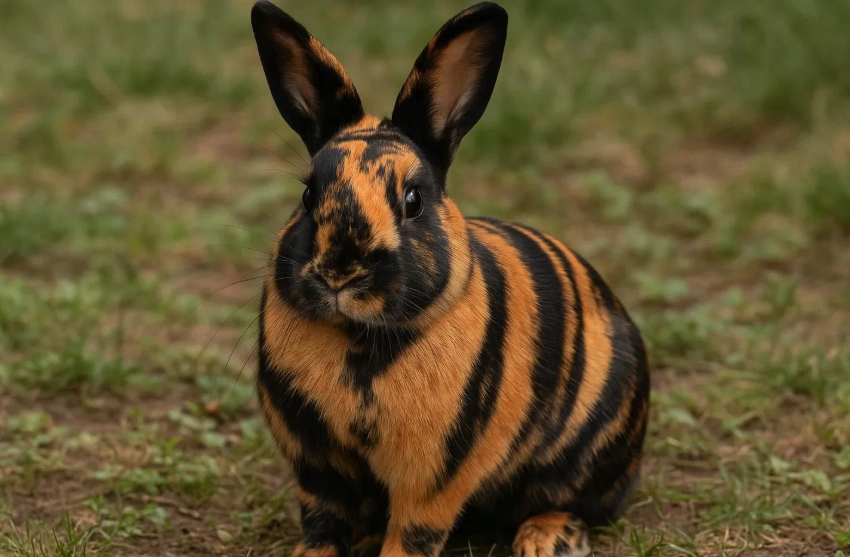
A Palette of Patterns: The Two Types of Harlequin Rabbits
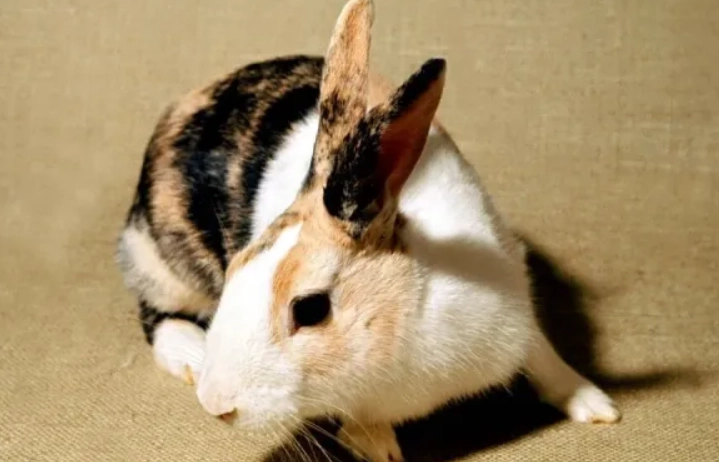
This is where most guides just list the colors and move on. But understanding the pattern is key to appreciating the breed. It's not random spotting. The ideal Harlequin pattern involves clean, alternating bands of color running lengthwise down the rabbit. The divisions should be as sharp as possible. There are two distinct categories:
The Japanese Harlequin
This is the orange one. Well, sort of. The Japanese pattern features alternating bands of orange and either black, blue, chocolate, or lilac. So you get Black Japanese (orange and black), Blue Japanese (orange and slate blue), etc. The orange can range from a deep, almost reddish hue to a lighter cream. I personally find the Japanese pattern a bit more striking because of the warmth the orange brings.
The Magpie Harlequin
Think of this as the elegant, cooler-toned cousin. Instead of orange, the Magpie Harlequin rabbit has alternating bands of white with black, blue, chocolate, or lilac. So a Black Magpie is a stunning contrast of pure white and jet black. The white must be clean, not yellowish. Magpies can sometimes look a bit more "formal," but their personality is just as goofy.
| Pattern Type | Color A | Color B (Alternates with A) | Common Names & Description |
|---|---|---|---|
| Japanese | Orange | Black, Blue, Chocolate, Lilac | e.g., "Black Japanese Harlequin." Warm, vibrant, and eye-catching. |
| Magpie | White | Black, Blue, Chocolate, Lilac | e.g., "Blue Magpie Harlequin." Crisp, high-contrast, and elegant. |
Which one is better? That's entirely in the eye of the beholder.
Personality Unpacked: The Heart Behind the Harlequin
Forget any notion of a boring, cage-potato rabbit. The typical Harlequin rabbit temperament is where this breed truly shines for pet owners. They are widely regarded as one of the most good-natured, curious, and playful rabbit breeds. Think of them as the clowns of the rabbit world. They're intelligent enough to learn tricks (yes, really), and many develop a strong, dog-like bond with their humans.
But let's not sugarcoat it. "Docile" doesn't mean "lifeless plush toy." They have energy. They need mental stimulation. A bored Harlequin, like any smart animal, can become mischievous. Chewing baseboards isn't a sign of a bad rabbit; it's a sign of a bored one. Their social nature also means they often thrive with a bunny friend, though introductions must be done carefully.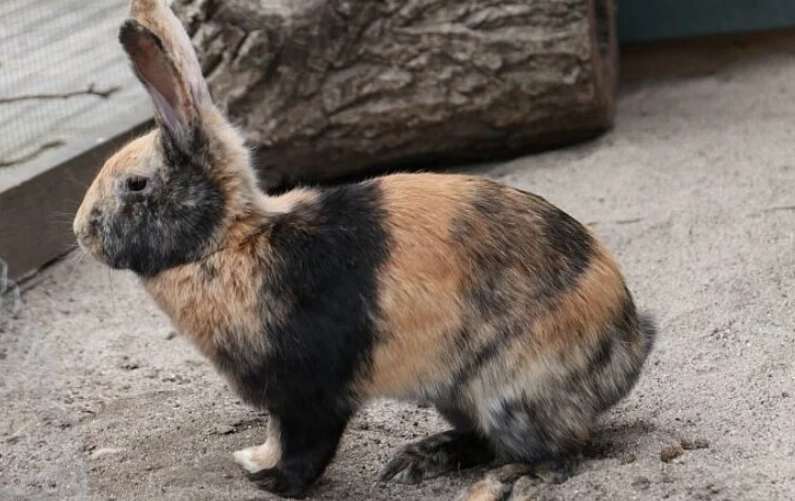
My Take: I've found Harlequins to be particularly observant. They'll sit and watch you do chores, follow you from room to room (if they're free-roam), and nudge you for attention. That gentle, inquisitive nature is what makes people fall in love with them, far more than their colors.
Keeping Them Healthy: Common Harlequin Rabbit Health Issues
No breed is without its potential problems. Harlequins are generally robust, but being a medium-sized, compact breed, they are prone to the same issues as many other rabbits. The key is prevention and vigilance.
- Gastrointestinal (GI) Stasis: The rabbit owner's nightmare. When their delicate gut slows down or stops. Symptoms include no pooping, no eating, and lethargy. This is an emergency. A high-fiber diet (think unlimited hay) is your best preventative.
- Dental Problems: Rabbit teeth never stop growing. A diet lacking in roughage (hay, hay, and more hay) doesn't wear them down, leading to painful overgrowth and abscesses.
- Respiratory Issues (Snuffles): A chronic, contagious condition causing sneezing, nasal discharge, and matted front paws. It requires lifelong veterinary management.
- Fur Mites & Parasites: Just like cats and dogs. Regular grooming helps you spot any issues early.
The Spay/Neuter Non-Negotiable: This isn't just about preventing babies. For female rabbits, spaying drastically reduces the risk of uterine cancer, which approaches 80% in unspayed does. For males, neutering curbs hormonal aggression and spraying. It's the single most important health decision you'll make for your Harlequin rabbit.
Finding a vet who is actually an exotic animal specialist with rabbit experience is crucial. Your regular dog-and-cat vet likely isn't equipped. The House Rabbit Society's vet list is an invaluable resource to start your search.
The Complete Harlequin Rabbit Care Guide
Okay, so you're smitten. What does caring for a Harlequin actually look like day-to-day? It's a commitment, but a joyful one when you get it right.
Housing: More Than Just a Hutch
The old image of a rabbit stuck in a tiny outdoor hutch is outdated and cruel. Harlequins need space to run, jump, and binky (that crazy happy jump-twist they do).
- Indoor is Ideal: Protects them from predators, extreme weather, and loneliness.
- Minimum Enclosure Size: For a single Harlequin, an exercise pen (x-pen) or a massive cage no smaller than 4ft x 2ft is the absolute minimum, and that's only if they get several hours of supervised free-roam time daily. Bigger is always better.
- Free-Roam/ Rabbit-Proofing: The gold standard. A dedicated rabbit-safe room or entire apartment. This means protecting cords (with conduit), baseboards, furniture legs, and houseplants (most are toxic).
The Hay-Based Diet: It's Not Just Food, It's Everything
Get this wrong, and nothing else matters. A Harlequin rabbit's diet is simple in principle but vital.
- Unlimited Timothy Hay (or Orchard Grass): 80-90% of their diet. This keeps their gut moving and teeth worn. Not alfalfa for adults—it's too rich.
- Fresh Leafy Greens: A packed cup per 2 lbs of body weight daily. Romaine, cilantro, kale, spring mix. Introduce new greens slowly.
- Limited Pellets: Just 1/4 cup of plain, high-fiber timothy-based pellets per day for a medium-sized Harlequin. They're a supplement, not the main course.
- Treats: A tiny slice of apple or banana, or a fragment of a carrot. Fruits are high in sugar.
- Fresh Water: Always available, in both a heavy bowl and a bottle.
Grooming & Handling
Their coat is short and relatively easy. A weekly brush with a soft slicker brush removes loose fur, especially during molting seasons. Handle them gently, always supporting their hindquarters. Never pick them up by the ears or scruff. Let them come to you, and get down on their level for bonding.
Finding Your Harlequin: Breeder, Rescue, or…?
So where do you actually get one of these beautiful rabbits?
Reputable Breeders: This is your best bet for a specific color, a show-quality rabbit, or a baby with known genetics and health history. A good breeder will:
- Ask you questions to ensure you're a good home.
- Show you the parents and living conditions (clean, spacious).
- Provide pedigree papers and health records.
- Be knowledgeable about the ARBA standard. You can find them through the ARBA Breeders Directory or state rabbit breeder associations.
Rescues & Shelters: Please, don't overlook this option. So many wonderful rabbits, including purebred Harlequins, end up in shelters after the Easter novelty wears off. You're giving a second chance, they're often already spayed/neutered, and their personality is fully developed. Check with the House Rabbit Society or local small animal rescues.
Pet Stores: I'm going to be blunt here: I generally advise against it. The source is often a large-scale commercial mill where health and temperament are not priorities. You also have no history on the rabbit. It's a gamble with a living creature's wellbeing.
Harlequin Rabbit FAQs: Your Burning Questions, Answered
The Final Word: Is a Harlequin Rabbit Right For You?
Look, the Harlequin rabbit is stunning. But you don't live with a coat pattern. You live with a personality, a set of needs, and a decade-long responsibility.
Choose a Harlequin if: you are captivated by their unique look and even more charmed by their reported gentle, playful brains; you have the space and time for an indoor companion that needs daily interaction; you're committed to a hay-based diet and exotic vet care; and you're looking for a pet that's interactive but not as demanding as a dog.
Think twice if: you want a low-interaction, cage-only pet; you're on a very tight budget (vet bills happen); you have very young children who can't be calmly supervised; or you're drawn only to their appearance without the commitment to their behavioral needs.
At the end of the day, bringing a Harlequin rabbit home is inviting a little piece of living, hopping art into your life. One that will rearrange your heart, your schedule, and probably your electrical cords. But for those who take the plunge and do it right, the reward is a truly special bond with one of nature's (and selective breeding's) most delightful creations.
Are you ready for that?
Related Articles