Giardia in Cats: Symptoms, Treatment, and Home Care Guide
Quick Navigation
- What Exactly Is Giardia, and How Do Cats Get It?
- Spotting the Signs: Symptoms of Giardia in Cats
- Getting a Diagnosis: It's Not Always Easy
- Treatment Options for Giardia in Cats
- Can You Get Giardia From Your Cat? (The Zoonotic Question)
- Preventing Reinfection: Keeping Giardia Out for Good
- Your Giardia in Cats Questions, Answered
- When to Call the Vet (A Quick Checklist)
If you're here, you're probably staring at a litter box full of something... unpleasant. Maybe it's been going on for days. You've changed food, you've tried pumpkin, but your cat's diarrhea just won't quit. It's messy, it's smelly, and you're worried. Could it be giardia?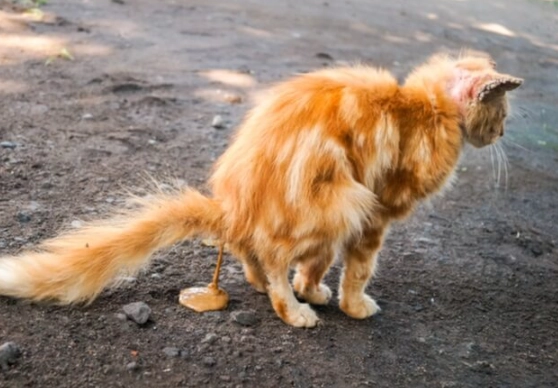
Let's talk about that. Giardia in cats is one of those sneaky, frustrating problems that can fly under the radar. It's not as commonly discussed as worms or fleas, but let me tell you, once you've dealt with it, you never forget it. I remember helping a friend through this. The vet bills, the constant cleaning, the fear that it would spread to their other pets—it was a whole ordeal. So I get it. You want clear, honest information, not medical jargon.
This guide is here to walk you through the entire journey of dealing with feline giardia, from spotting the first weird symptom to finally getting your home and your cat back to normal.
What Exactly Is Giardia, and How Do Cats Get It?
Giardia isn't a worm or a bacteria. It's a protozoan, a tiny parasite you can't see. It has a simple but effective life cycle that makes it a real pain to eliminate. The parasite lives in the intestine and forms hardy cysts that are shed in the feces. These cysts can survive for weeks to months in a cool, damp environment.
So how does your pampered indoor prince or princess pick this up? More easily than you'd think.
- Contaminated Water: This is the big one. A puddle, a pond, even a dirty water bowl that hasn't been scrubbed can harbor cysts.
- Direct Contact: Nosing around in infected poop, or stepping in it and then grooming their paws.
- Environment: Cysts can be tracked in on shoes or by other pets. Shared litter boxes are a major risk factor.
- Grooming Facilities/Catteries: Any place with lots of cats coming and going can be a hotspot if hygiene isn't perfect.
Kittens, seniors, and cats with weakened immune systems are most susceptible. But honestly, any cat can get it.
Think of it like this: it's less about your cat being "dirty" and more about bad luck and a very persistent bug.
Spotting the Signs: Symptoms of Giardia in Cats
The tricky part about giardia in cats is that the symptoms aren't unique. They mimic a lot of other digestive issues. Some cats, especially adults with strong immune systems, might not show any signs at all but still shed cysts and infect others (these are called asymptomatic carriers).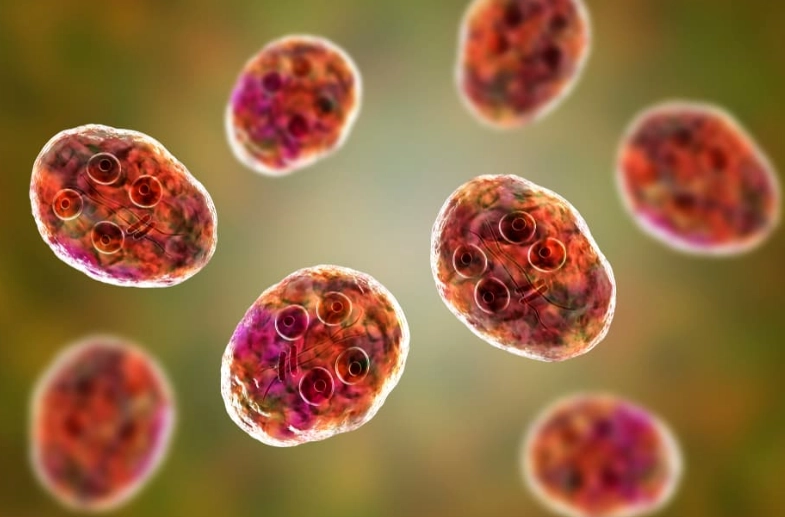
When symptoms do appear, here's what you might see:
The Main Event: Digestive Upset
- Chronic, Intermittent Diarrhea: This is the hallmark. The stool is often pale, foul-smelling, soft, and may look greasy or have mucus. It might be okay for a few days, then bad again. This on-and-off pattern is a big red flag.
- Weight Loss: Even if your cat is eating normally, they might not be absorbing nutrients properly, leading to gradual weight loss.
- Vomiting: Less common than diarrhea, but it can happen.
- Lethargy: Just not themselves. Less playful, sleeping more.
- Poor Coat Condition: The fur might look dull, rough, or unkempt due to malabsorption.
Getting a Diagnosis: It's Not Always Easy
Here's where frustration often sets in. You can't diagnose giardia at home. You need a vet. But even vets can find it elusive because the cysts aren't shed in every single bowel movement.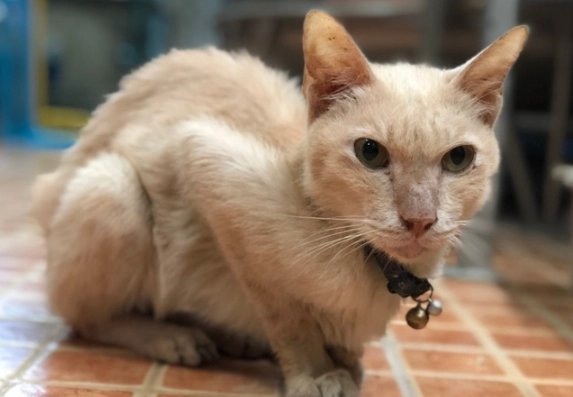
The standard test is a fecal flotation, where they look for cysts under a microscope. The problem? Shedding is intermittent. A single negative test does not rule out giardia. My friend's cat tested negative twice before a third test finally caught it.
Vets often recommend one of these more accurate approaches:
- Multiple Fecal Samples: Submitting samples from 3 different days to increase the chance of catching the cysts.
- Giardia-Specific Antigen Test: This is an ELISA or SNAP test that detects proteins of the parasite in the stool. It's more sensitive than just looking under a scope. The American Veterinary Medical Association (AVMA) notes that these antigen tests have greatly improved diagnostic accuracy.
Honestly, if your cat has chronic diarrhea and your vet isn't considering giardia or suggesting these tests, it's worth bringing it up. Be your cat's advocate.
Treatment Options for Giardia in Cats
Okay, so the test came back positive. Now what? Treating giardia in cats usually involves a two-pronged attack: medication for the cat and a nuclear-level cleaning protocol for your home. Miss one, and you're likely looking at reinfection.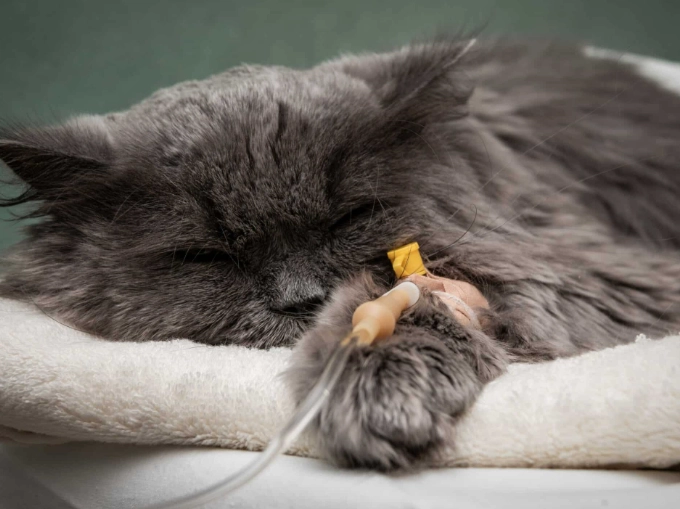
Medications Your Vet Will Likely Prescribe
The most common drug is fenbendazole (Panacur®). It's often given daily for 3 to 5 days, and sometimes the course is repeated. It's generally well-tolerated.
Another option, sometimes used in combination or alone, is metronidazole (Flagyl®). This is an antibiotic with anti-protozoal properties. It can cause nausea or loss of appetite in some cats, and it has a very bitter taste, which makes pilling... an adventure.
Here’s a quick comparison of the common treatments:
| Medication | Common Course | Pros | Cons / Things to Watch |
|---|---|---|---|
| Fenbendazole (Panacur®) | 3-7 days, sometimes repeated | Broad-spectrum, often well-tolerated, also treats some worms. | May not be 100% effective alone in severe cases. |
| Metronidazole (Flagyl®) | 5-7 days | Anti-inflammatory for the gut, good for diarrhea. | Can cause nausea, anorexia, neurological signs at high doses. Very bitter. |
| Combination Therapy | As prescribed (often both above) | Increased efficacy, tackles the parasite from different angles. | Increased cost, potential for more side effects. |
Important: Always finish the entire course of medication, even if your cat seems better after a day or two. Stopping early is a surefire way to let the parasite bounce back.
The Crucial Step Everyone Hates: Environmental Decontamination
This is the part that breaks people. You can medicate your cat perfectly, but if their environment is still covered in giardia cysts, they'll just get sick again. You have to be thorough. I'm not gonna sugarcoat it—it's a lot of work.
- Litter Boxes: Scoop at least twice daily. Dump all litter, scrub the box with a quaternary ammonium compound disinfectant (like Rescue™ or Parvosol™) or diluted bleach (1 part bleach to 32 parts water), and let it dry completely before adding new litter. Do this on the last day of medication and again a few days later. Consider disposable boxes during treatment.
- Hard Floors: Steam clean if possible (heat kills cysts). Otherwise, mop with the appropriate disinfectant.
- Carpets/Upholstery: This is tough. Steam cleaning is best. You can also use a disinfectant approved for fabrics, but test for colorfastness first.
- Food and Water Bowls: Wash in hot, soapy water daily. Run through the dishwasher if possible.
- Toys & Bedding: Wash all soft toys and bedding in the hottest water possible and dry on high heat.
- Cat Themselves: Giving your cat a bath on the last day of medication can help remove any cysts stuck to their fur, especially around the rear end. Use a cat-safe shampoo. (Yes, this is as fun as it sounds).
The American Animal Hospital Association (AAHA) has guidelines on infection control that emphasize the importance of this environmental cleanup in breaking the cycle of parasites like giardia.
It feels overwhelming. Just tackle one room at a time.
Can You Get Giardia From Your Cat? (The Zoonotic Question)
This is the question that causes the most anxiety. The short answer is: the risk is low, but it's not zero.
There are different "assemblages" (types) of Giardia. The ones that most commonly infect cats (Assemblage F) are usually species-specific. However, some studies suggest cross-infection to humans (Assemblage A) is possible, though not common. The biggest risk is for people with compromised immune systems, the very young, and the very old.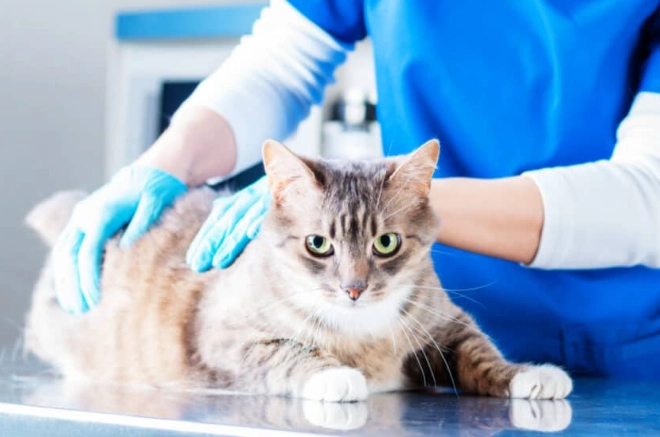
Preventing Reinfection: Keeping Giardia Out for Good
Once you've gone through the battle, you never want to do it again. Here’s how to keep giardia out of your life:
- Meticulous Litter Box Hygiene: Keep scooping regularly. It's not glamorous, but it's your first line of defense.
- Clean Water: Provide fresh, clean water daily in clean bowls. Don't let your cat drink from puddles or toilets.
- Isolate Newcomers: Any new cat or kitten should have a vet check and ideally a fecal test before being introduced to your resident cats. A quarantine period is wise.
- Manage Multi-Cat Homes: More cats means more potential for spread. Extra litter boxes (one per cat, plus one extra) and vigilant cleaning are key.
- Consider a Probiotic: After treatment, a good quality probiotic can help restore healthy gut flora and support the intestinal barrier. Ask your vet for a recommendation.
Your Giardia in Cats Questions, Answered
When to Call the Vet (A Quick Checklist)
Don't hesitate. If your cat shows any of these signs alongside digestive issues, make the call:
- Lethargy that's more than just a lazy day.
- Not eating for more than 24 hours.
- Vomiting along with the diarrhea.
- Blood in the stool or vomit.
- Signs of dehydration (dry gums, skin tenting, sunken eyes).
- A kitten with any diarrhea—they dehydrate dangerously fast.
Dealing with giardia in cats is a marathon, not a sprint. It tests your patience and your cleaning stamina. But with a correct diagnosis, the right medication, and an almost obsessive focus on cleaning, you can beat it.
The goal is to get your cat feeling good again and to reclaim a clean, cyst-free home. It takes work, but seeing your cat back to their normal, playful, non-diarrheal self is worth every scrub.
For the most detailed, science-backed information on parasite life cycles and control, resources from institutions like the Cornell Feline Health Center are invaluable. They don't replace your vet, but they help you ask the right questions.
Related Articles