Can Cats Eat Pumpkin? A Vet's Guide to Benefits, Risks & Recipes
Quick Guide
- Why on Earth Would a Cat Need Pumpkin?
- The Not-So-Sweet Side: Risks and “Absolutely Nots”
- Fresh, Canned, or Cooked? Your Pumpkin Options Breakdown
- How to Actually Feed Pumpkin to Your Cat: A Step-by-Step Guide
- Beyond Digestion: Other Common Questions Answered
- Can pumpkin help with hairballs?
- What about weight loss?
- My cat has diabetes/kidney disease. Can they have pumpkin?
- How much is too much?
- Simple & Safe Homemade Pumpkin Cat Treat Recipe
- The Bottom Line: Should You Do It?
You're staring at that leftover can of pumpkin puree from your pie-making adventure, and your cat is staring at you. That little face. Those curious eyes. The question pops into your head, as clear as day: can cats eat pumpkin? It's not like they're begging for it (they'd rather have the turkey), but you've heard whispers. Something about it being good for their tummy. You're a responsible pet parent, so you don't just toss them a spoonful. You Google it. And here we are.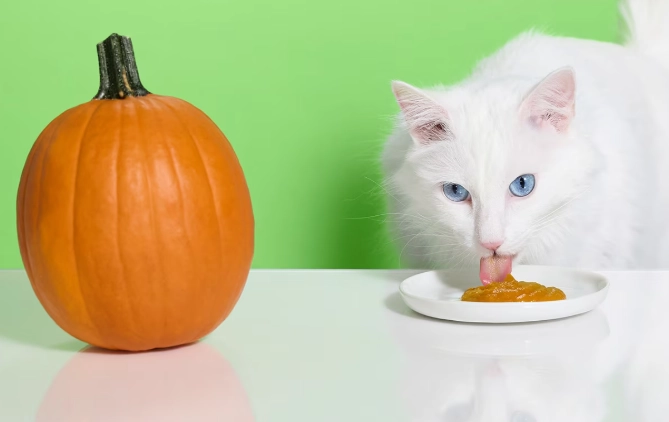
Let me cut to the chase, because I know you want the quick answer before we dive into the nitty-gritty. Yes, in most cases, cats can safely eat plain pumpkin in moderation. It's not a necessary part of their diet, but it can be a helpful little supplement. Think of it like a fiber boost, not a meal. But—and this is a huge but—not all pumpkin is created equal, and there's a right way and a very wrong way to do this.
I've been through this myself. My cat, Jasper, had a... let's call it a sluggish digestive system. The vet suggested a bit of pumpkin. I tried it. Some days it was a miracle worker, other days he looked at the spoon like I'd offended his ancestors. It sent me down a rabbit hole of research, talking to vets, and a lot of trial and error. So, let's unpack everything you need to know about feeding pumpkin to your feline friend.
Why on Earth Would a Cat Need Pumpkin?
Cats are obligate carnivores. Their bodies are designed to run on meat. So, the idea of giving them a vegetable feels a bit odd, right? You're not wrong. They don't need veggies for vitamins like we do. The value of pumpkin for cats boils down to one main thing: fiber. Specifically, soluble fiber.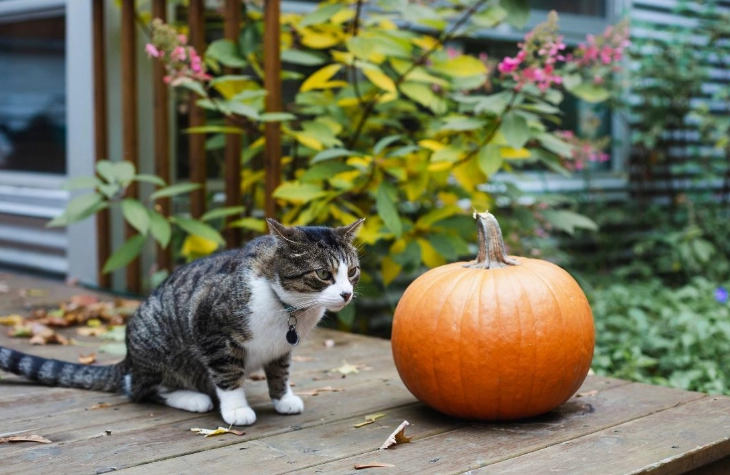
This type of fiber acts like a sponge in the gut. It can help in two opposite situations, which is pretty neat.
- For Constipation: The fiber adds bulk and absorbs water, which can help get things moving along if your cat is a bit backed up. It softens the stool.
- For Diarrhea: Conversely, by absorbing excess water in the digestive tract, it can help firm up loose stools. It's like a natural regulator.
Beyond the fiber, pumpkin is about 90% water, so it's a sneaky way to add a bit of hydration, especially for cats who are picky drinkers. It also has some vitamins like A, C, and E, and a bit of potassium. But let's be real—your cat's high-quality commercial food should already be covering those bases. The fiber is the star here.
So, when someone asks can cats eat pumpkin for health reasons?, the answer is yes, primarily as a digestive aid.
The Not-So-Sweet Side: Risks and “Absolutely Nots”
This is where you need to pay close attention. Getting this part wrong can turn a helpful treat into a problem.
First, the biggest danger: pumpkin pie filling or spiced pumpkin. If you take away one thing from this article, let it be this: NEVER give your cat pumpkin pie mix. It contains sugar, spices like nutmeg (which can be toxic to pets in large amounts), and other additives. Stick to plain, 100% pure pumpkin. No sugar, no spices, no nothing else on the ingredient list.
Second, moderation is not just a suggestion. Pumpkin is high in fiber. Too much, too fast, will lead to gas, bloating, and possibly more diarrhea or constipation. You're aiming for a teaspoonful, not a bowlful. Start with a tiny amount.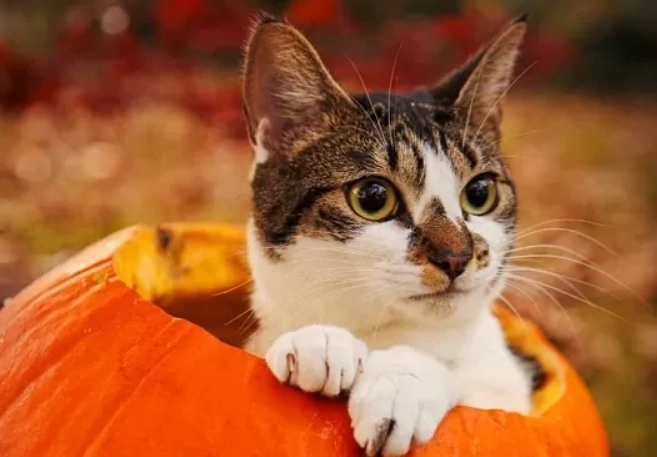
Third, while rare, some cats might have an allergy or sensitivity. Introduce any new food, including pumpkin, slowly and watch for signs of vomiting, itching, or changes in behavior.
Finally, pumpkin is not a cure-all. If your cat has sudden or severe diarrhea or constipation, especially if accompanied by lethargy, vomiting, or loss of appetite, call your vet. Pumpkin might help with minor, occasional issues, but it's not a substitute for professional medical care. The ASPCA Animal Poison Control Center is a fantastic resource if you're ever in doubt about something your cat ate.
Fresh, Canned, or Cooked? Your Pumpkin Options Breakdown
Okay, so plain pumpkin is safe. But what form is best? You've got options, each with pros and cons. I made a table because I'm a visual person and it helps to see it all laid out.
| Type of Pumpkin | How to Prepare It | Pros | Cons & Warnings |
|---|---|---|---|
| Canned Pure Pumpkin Puree | Use straight from the can. Ensure it's 100% pure pumpkin, not pie filling. | Extremely convenient. Consistent texture. Long shelf life. Most vets recommend this. | You must read the label carefully. Some brands may have additives. |
| Fresh Pumpkin (Cooked) | Remove seeds/stringy bits. Bake or boil until soft. Mash into a puree. | You control exactly what's in it. No can/container concerns. | Most time-consuming. Short shelf life (a few days in fridge). |
| Plain, Unsweetened Pumpkin Powder/Supplements | Follow supplement instructions. Usually a small sprinkle on food. | Very concentrated. Long shelf life. Easy to dose for small cats. | Can be easy to overdo. Ensure it's 100% pumpkin with no additives. |
| Raw Pumpkin Flesh | Not recommended. | — | Hard to digest, potential choking hazard, risk of bacterial contamination. |
| Pumpkin Seeds (for humans only) | Not for cats. | — | Choking hazard, often salted/spiced, not easily digested by cats. |
My personal go-to? Plain canned puree. It's just easier. I scoop a bit into a small container and keep the rest in the fridge for a few days. The fresh stuff is nice if I'm already baking pumpkin for myself, but let's be honest, that's a rare occasion.
How to Actually Feed Pumpkin to Your Cat: A Step-by-Step Guide
Let's get practical. You've got your plain pumpkin. Now what?
- Start Small. We're talking ½ to 1 teaspoon for an average-sized cat. For a kitten, even less—just a tiny dab on your finger. This isn't a meal.
- Mix It In. The most successful method is to stir it thoroughly into their regular wet food. The strong smell of their favorite pâté usually masks the pumpkin. Some cats might lick it off a spoon, but most are suspicious of new textures served solo.
- Observe. Watch their litter box habits for the next 24-48 hours. Are things improving? Staying the same? Getting worse? This tells you if it's helping and if the dose is right.
- Adjust Frequency. You don't need to give it daily unless your vet advises it for a chronic condition. For occasional issues, a few days in a row might do the trick. For hairball control, maybe once or twice a week.
What if your cat refuses? Jasper can be a diva about it. If they turn their nose up, don't force it. You can try mixing in a tinier amount next time, or just accept that pumpkin isn't their thing. There are other fiber sources (like a bit of cooked, plain squash or a vet-recommended fiber supplement).
Beyond Digestion: Other Common Questions Answered
When you're asking can cats eat pumpkin, you're probably thinking about more than just an upset stomach. Let's tackle some other stuff that pops up.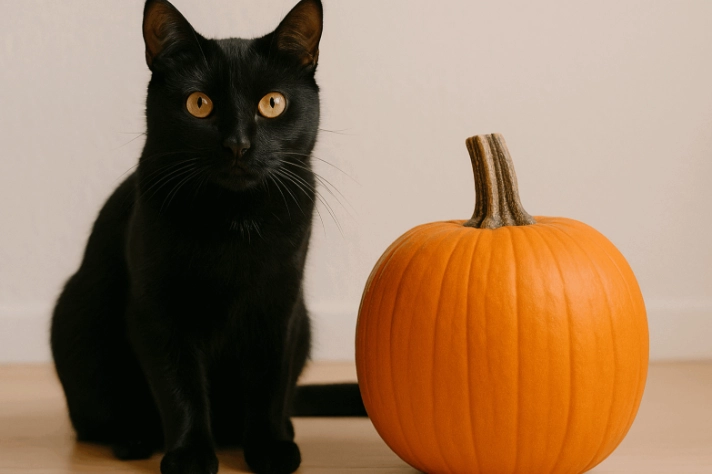
Can pumpkin help with hairballs?
It can, indirectly. The fiber helps move ingested fur through the digestive system more smoothly, potentially preventing it from clumping into a hairball in the first place. It's not a magic hairball eraser, but it can be part of a management plan that includes regular brushing.
What about weight loss?
I see this tip online a lot—"add pumpkin to bulk up food and help your cat feel full." I'm skeptical. While the fiber can promote satiety, pumpkin has calories (about 30-50 per half cup, depending on the type). If you're adding it on top of their regular food, you're adding calories, not replacing them. For weight management, always consult your vet for a tailored plan. The VCA Animal Hospitals' guide on feline obesity is a great, vet-backed starting point.
My cat has diabetes/kidney disease. Can they have pumpkin?
Stop.
This is a firm "ask your veterinarian" situation. Cats with chronic conditions like diabetes or kidney disease have very specific dietary needs. The sugar and potassium content in pumpkin, while low for a healthy cat, might need to be accounted for in their overall diet. Do not introduce pumpkin without your vet's green light.
How much is too much?
As a general rule, treats and supplements (which is what pumpkin is) should not make up more than 10% of your cat's daily calorie intake. For pumpkin, that translates to usually no more than 1-2 tablespoons per day for a large cat, and often much less. The "too much" threshold is when you see digestive upset—if it causes problems, it's too much for your individual cat.
“Pumpkin can be a useful tool for mild, transient digestive issues in cats. The key is to use plain pumpkin and to understand it's a supplement, not a primary treatment for underlying medical problems.” — This is the kind of common-sense reminder you’ll find on reputable veterinary advice sites.
Simple & Safe Homemade Pumpkin Cat Treat Recipe
If you want to get a little fancy, you can make simple pumpkin treats. These are for occasional fun, not a dietary staple.
- Ingredients: ½ cup 100% pure pumpkin puree (canned or homemade), 1 ½ cups whole wheat flour or oat flour (some cats tolerate oat better). You may need a tablespoon or two of water.
- Instructions: Preheat oven to 350°F (175°C). Mix pumpkin and flour into a stiff dough. Add water a teaspoon at a time if it's too dry. Roll out to ¼-inch thickness. Cut into tiny, cat-bite-sized shapes (use a knife or tiny cookie cutter). Place on a parchment-lined baking sheet. Bake for 20-25 minutes until hard and dry. Let cool completely. Store in an airtight container in the fridge for up to 2 weeks.
- Serve: Give one as an occasional treat. Remember, these are extras!
I tried these once. Jasper was mildly interested. My dog, however, thought they were the greatest thing ever. So, your mileage may vary.
The Bottom Line: Should You Do It?
So, can cats eat pumpkin? Absolutely yes, with the right precautions. It's a safe, natural, and often effective way to deal with minor digestive hiccups. It's one of those handy things to have in your pet-first-aid kit.
But let's keep it in perspective. It's not a superfood for cats. It's a fiber supplement. Your cat's main nutrition must come from a high-quality, meat-based cat food that meets all their nutritional requirements. The Association of American Feed Control Officials (AAFCO) sets those standards, so looking for an AAFCO statement on your cat food label is a good practice.
If your cat has a sensitive stomach or you're just looking for a way to occasionally help things run smoothly, having a can of plain pumpkin in the pantry is a smart move. Start small, use plain puree, and watch how your cat responds. And never hesitate to pick up the phone and call your vet if something seems off. They know your cat best.
Now, if you'll excuse me, I'm off to see if Jasper will accept a tiny bit of pumpkin mixed into his dinner tonight. Wish me luck.
Related Articles