Cefpodoxime for Dogs: A Complete Guide to Dosage, Side Effects & Cost
Quick Guide
- What Is Cefpodoxime and How Does It Work in Dogs?
- The Critical Dosage Guide: Getting It Right for Your Dog's Weight
- Potential Side Effects: What to Watch For (The Good, The Bad, The Rare)
- The Real Cost of Cefpodoxime for Dogs: Pharmacy, Online, and Generic Options
- Important Safety Warnings and Drug Interactions
- Answering Your Top Questions About Cefpodoxime for Dogs
- Beyond the Pill: Supporting Your Dog During Treatment
- Final Thoughts: Being an Informed Advocate for Your Dog
So your vet just mentioned something about cefpodoxime for your dog. You're probably nodding along, trying to look like you know what that is, while your brain is scrambling. Is it a new super-drug? How much will it cost? Will it make your dog feel weird?
Don't worry, you're not alone. I've been there myself. A few years back, my own dog, a feisty little terrier mix, came down with a nasty skin infection. The vet tossed out "cefpodoxime proxetil" like it was nothing, and I left the clinic with a bottle of pills and a head full of questions. I spent that evening deep in a Google rabbit hole, piecing together information from forums, sketchy websites, and the tiny print on the leaflet. It was frustrating.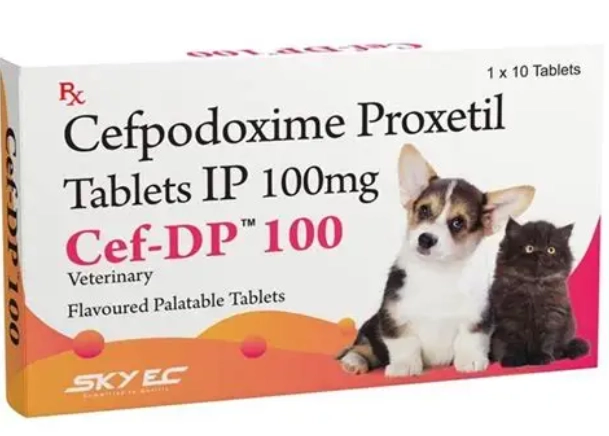
That's why I wanted to put this together. Not as a vet (I'm not one), but as a fellow dog owner who's navigated the confusion. Think of this as the guide I wish I'd had. We'll break down everything about cefpodoxime for dogs, from what it actually does in their body to the real-world cost you can expect at the pharmacy. No jargon, just plain talk.
Let's start with the basics, because that's where most of the confusion is.
Bottom Line Up Front: Cefpodoxime is a broad-spectrum antibiotic, often sold under the brand name Simplicef. It's commonly prescribed for skin infections (pyoderma), urinary tract infections (UTIs), and respiratory infections in dogs. It's generally well-tolerated, but it's not a magic bullet for every bug out there.
What Is Cefpodoxime and How Does It Work in Dogs?
But what exactly is it? In simple terms, cefpodoxime is part of a family of antibiotics called cephalosporins. You might have heard of similar ones used in humans, like cephalexin (Keflex). It works by busting down the walls of bacteria. Imagine bacteria as tiny, bad-guy balloons. Cefpodoxime for dogs works like a pin, poking holes in that balloon wall until the bacteria literally falls apart and dies. It's a "bactericidal" antibiotic, meaning it kills bacteria, rather than just slowing them down.
What makes vets reach for it so often? A couple of key things. First, it has a pretty broad reach. It's effective against a range of common culprits like Staphylococcus (often the cause of skin infections), Pasteurella, and some strains of E. coli. Second, it's convenient. It's usually given once a day, which is a lifesaver when you're trying to pill a skeptical canine. The medication is absorbed well with food, which also helps minimize tummy upset.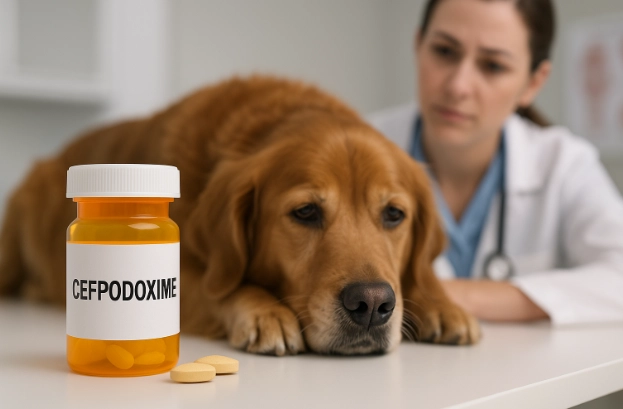
Here's a quick list of the types of infections where your vet might consider prescribing cefpodoxime proxetil for dogs:
- Skin and Soft Tissue Infections (Pyoderma): This is the big one. Hot spots, deep pustules, itchy rashes that get infected—cefpodoxime is often a first-line defense.
- Urinary Tract Infections (UTIs): For certain bacteria causing bladder infections.
- Respiratory Infections: Like pneumonia or bronchitis, when the right bacteria are involved.
- Wound Infections: From bites, scrapes, or surgical sites.
Important note: It's useless against viruses, fungi, or parasites. Giving it for a viral cough is a waste and contributes to antibiotic resistance.
The Critical Dosage Guide: Getting It Right for Your Dog's Weight
This is where you cannot wing it. The dose of cefpodoxime for dogs is weight-based, and getting it wrong can mean the infection isn't cleared or, worse, side effects pop up. Your vet will calculate this precisely, but it helps to understand their logic.
The standard dose is 5 to 10 milligrams per kilogram of your dog's body weight, given once daily. Let's make that real. A kilogram is about 2.2 pounds. So for a 22-pound dog (10 kg), the daily dose would be between 50 mg and 100 mg.
Vets often use a handy chart or a mental calculation. To give you an idea of how this scales, here's a table breaking it down for common dog sizes. Remember, this is for illustration only. Your vet's prescribed dose is the only one you should follow.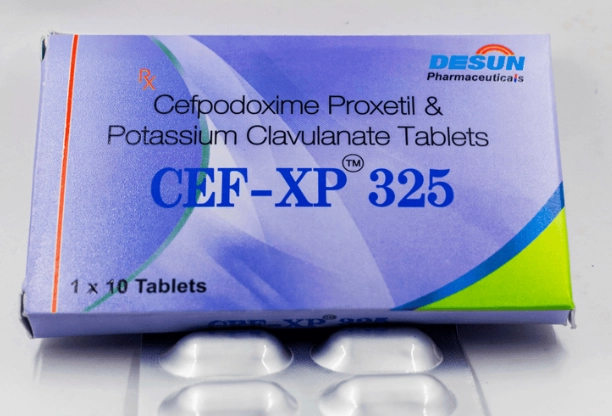
| Dog Weight (lbs) | Dog Weight (kg, approx.) | Typical Daily Dose Range (mg) | Common Tablet Strength Used |
|---|---|---|---|
| 10 lbs | 4.5 kg | 22.5 - 45 mg | Often a 100mg tablet split or a liquid compound |
| 25 lbs | 11.4 kg | 57 - 114 mg | 100mg tablet |
| 50 lbs | 22.7 kg | 113.5 - 227 mg | 200mg tablet |
| 75 lbs | 34.1 kg | 170.5 - 341 mg | 200mg tablet, sometimes combined |
| 100 lbs | 45.5 kg | 227.5 - 455 mg | 200mg tablet(s) as directed |
See how it changes? A Chihuahua and a Great Dane are not playing the same game. The duration is just as crucial. For a simple skin infection, it might be 7-10 days. For a deep tissue or stubborn UTI, your vet might prescribe it for 3-4 weeks, sometimes longer. And here's the part every vet stresses: finish the entire course. Even if your dog looks perfect after 5 days, those last few pills are mopping up the strongest, most hidden bacteria. Stopping early is a prime way to create a resistant infection that's harder to treat next time.
Never, ever use leftover cefpodoxime from a previous pet or a friend's pet. The infection might be different, the dose is almost certainly wrong, and you could be masking a serious problem. Always start with a vet visit and a fresh prescription.
Potential Side Effects: What to Watch For (The Good, The Bad, The Rare)
Most dogs handle dog antibiotic cefpodoxime just fine. But like any medication, there's a list of possible side effects. Knowing them helps you be a good watchdog (pun intended) for your pet's health.
Common and Usually Mild Side Effects
These are annoying but not typically alarming. They often go away as your dog's system adjusts.
- Gastrointestinal Upset: The number one complaint. This includes vomiting, diarrhea, or just a lack of appetite. Giving the pill with a small meal can work wonders here. I found mixing the pill in a dollop of canned pumpkin or plain yogurt helped my dog immensely.
- Lethargy: Your dog might seem a bit more tired than usual. Fighting an infection takes energy, and the medication adds to the load.
Less Common but More Serious Side Effects
These warrant a call to your vet immediately.
- Severe or Bloody Diarrhea: This could signal an overgrowth of a nasty bacteria called Clostridium difficile or a severe allergic reaction affecting the gut.
- Allergic Reaction: Symptoms can include hives, facial swelling (especially around the muzzle or eyes), difficulty breathing, or sudden intense itching. This is rare but serious.
- Loss of Appetite for More Than 24-48 Hours: If your dog completely refuses food, it's time to check in.
There's a specific concern with cephalosporins in some dogs. They can, in very rare cases, cause something called "immune-mediated hemolytic anemia" (IMHA), where the body attacks its own red blood cells. It's extremely uncommon, but it's why your vet takes a thorough history. The risk is higher in certain breeds like Schnauzers. It's a scary thought, but I mention it because transparency is key—your vet weighs this minute risk against the benefit of treating a serious infection.
Pro Tip: Keep a simple log. Note when you give the pill and any changes in energy, appetite, or stool. It sounds fussy, but if you need to call the vet, having concrete notes ("soft stool on day 3, no vomiting") is far more helpful than saying "he seemed off."
The Real Cost of Cefpodoxime for Dogs: Pharmacy, Online, and Generic Options
Let's talk money, because sticker shock at the pharmacy is a real user pain point. The cost of cefpodoxime for dogs isn't fixed. It dances around based on where you buy it, the dosage strength, and whether you get the brand name (Simplicef) or a generic.
In my experience, and from chatting with other owners, here's the rough landscape:
- Veterinary Clinic: Most convenient, often most expensive. You're paying for the immediate availability and the clinic's markup. A 10-day course for a medium-sized dog could run $80-$150.
- Local Human Pharmacy with a Vet Script: Sometimes cheaper! Many big-chain pharmacies can fill vet prescriptions. Use GoodRx coupons—they often work for pet scripts too. This can cut the cost by 30-50%.
- Online Pet Pharmacies: Usually the cheapest, but requires planning. Sites like Chewy, PetMeds, or Valley Vet need your vet's authorization. Prices here are very competitive. The trade-off is waiting 2-5 days for shipping.
- Compounding Pharmacies: If your dog needs a tiny dose (for a very small dog) or a liquid/flavored version because they're impossible to pill, a compounding pharmacy is the answer. This is more expensive per dose but can be the only practical solution.
Generics are widely available and contain the exact same active ingredient (cefpodoxime proxetil) as Simplicef. They are almost always the more economical choice. Don't be shy about asking your vet for a written prescription so you can shop around. A good vet understands budget constraints.
A quick price check for a common 100mg tablet count showed online pharmacies beating clinic prices by a significant margin. It pays to look.
Important Safety Warnings and Drug Interactions
This isn't a drug you just add to the mix. Cefpodoxime doesn't play nice with certain other medications, and some dogs should avoid it altogether.
Dogs who should NOT take cefpodoxime, or use it with extreme caution:
- Dogs with a known allergy to penicillin or cephalosporin antibiotics. The cross-reactivity risk is low but real. Tell your vet if your dog has ever had a bad reaction to amoxicillin or similar drugs.
- Dogs with severe kidney disease. The dose may need to be adjusted significantly, as the kidneys clear this drug from the body.
- Pregnant or nursing dogs. The safety isn't fully established, so vets use it only if the benefits clearly outweigh potential risks.
Major Drug Interactions: The big one is with probenecid (a gout medication sometimes used in dogs). Probenecid can cause cefpodoxime levels to skyrocket in the blood, increasing the risk of side effects. Always, always give your vet a complete list of every supplement, medication, and herbal remedy your dog is taking. That includes flea/tick preventatives, heartworm meds, and joint supplements like glucosamine.
Answering Your Top Questions About Cefpodoxime for Dogs
Beyond the Pill: Supporting Your Dog During Treatment
Giving the antibiotic is just one part of the job. Helping your dog's body heal is the other. Think of it as a team effort.
Probiotics are your friend. Antibiotics are like a bomb—they wipe out the bad bacteria causing the infection, but they can also damage the good bacteria in your dog's gut. Adding a veterinary probiotic during and for a few weeks after the antibiotic course can help prevent diarrhea and repopulate the gut with good bugs. I've had good results with Purina Pro Plan FortiFlora, but ask your vet for their recommendation.
Keep them hydrated. Make sure fresh water is always available. If they have mild diarrhea, hydration is even more critical.
Follow up. If your vet asked for a re-check (common with UTIs to do a follow-up urine test), please go. It's the only way to know for sure if the infection is completely gone. Skipping this step is how recurring infections start.
Final Thoughts: Being an Informed Advocate for Your Dog
Walking out of the vet's office with a prescription for cefpodoxime for dogs shouldn't feel like stepping into the unknown. It's a common, effective tool in the veterinary toolbox. Its strength lies in its broad spectrum and once-daily dosing, but its effectiveness hinges on you—giving the correct dose, on time, for the full duration, while watching for any hiccups.
Be that informed owner. Ask your vet why they chose this antibiotic over others. Ask about the expected cost and if a generic is appropriate. Discuss any concerns you have about side effects based on your dog's breed or history. A good vet will welcome these questions.
For the most authoritative, dry-but-accurate information on any animal drug, I always cross-reference with the FDA's Center for Veterinary Medicine. It's the source for official approval information and safety alerts. For understanding antibiotic use principles in pets, the American Veterinary Medical Association (AVMA) has excellent resources for pet owners.
Remember, my experience with my terrier ended well. The infection cleared up, his energy came back, and we both survived the twice-daily pill wrestling matches. Armed with the right information, you can navigate treatment with confidence and get your furry friend back to their healthy, happy self.
Related Articles