Dog Dementia: How to Spot, Manage, and Help Your Confused Senior Dog
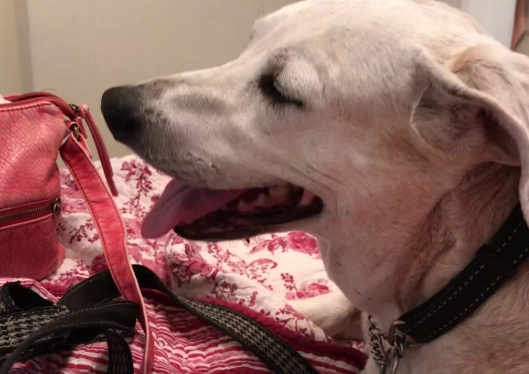
You notice it in small things first. Your twelve-year-old Lab, Buddy, who used to meet you at the door like clockwork, now stays on his bed. He might stare at the wall for minutes. Last Tuesday, he had an accident in the hallway—something he hasn't done since he was a puppy. Your first thought is, "He's just getting old." But a quiet, nagging worry sets in. This feels different. It's not just stiff joints or a greying muzzle; it's like the spark behind his eyes is dimming. What you're seeing could be Canine Cognitive Dysfunction (CCD), commonly called dog dementia. It's a progressive brain disease, not just "getting old." Think of it like Alzheimer's in humans. Plaques and tangles build up in the brain, disrupting communication between cells. The result? A dog that becomes confused, anxious, and forgetful in their own home. I've been through this with my own dog, and I've talked to countless veterinarians and behaviorists since. The most common mistake I see? Owners writing off these changes as inevitable old age and missing the window to help. This guide cuts through the vague information. We'll talk about the specific signs you can't ignore, the daily routines that actually work, and the hard decisions nobody wants to face. Vets use the acronym DISHA to categorize the symptoms. It's a useful framework, but let me break it down with what it actually looks like in your living room. This is the big one. It's more than just being a little slow. Your dog might get stuck behind furniture or in a corner and not know how to back out. He may stare blankly at a wall or the floor. I've seen dogs walk up to the hinge side of a door and wait to be let out, confused about where the opening is. They might fail to recognize familiar people or other pets in the household, reacting with a startle or a low growl. The change in social behavior is heartbreaking. A dog who was your shadow may start to wander away or seem indifferent to your arrival home. They may seek less attention, or conversely, become oddly clingy and needy. Interest in play with you or other dogs often vanishes. That tennis ball you've thrown for a decade? It might as well be a rock. The rhythm of the day gets scrambled. Your dog may sleep more during the day but become restless, anxious, or vocal at night. This nighttime pacing, whining, or barking is often called "sundowning." It's exhausting for everyone. They seem lost in the dark, even in their own home. A Critical Point: One symptom that screams "vet visit now" is a breakdown in housetraining. A dog with arthritis might have accidents because it hurts to get up. A dog with dementia forgets the concept of going outside. They may pace, circle, and then urinate right in front of you, seemingly unaware of what they're doing. This is a key distinction. Activity levels can swing to extremes. Some dogs become lethargic. Others develop repetitive, almost compulsive behaviors like pacing a fixed path, licking the floor obsessively, or barking at nothing. New fears are common—of shadows, certain rooms, or sounds that never bothered them before. There's no single blood test for dog dementia. Diagnosis is based on observing the symptoms and, crucially, ruling out other conditions that mimic them. This step is where you need a good vet. When you go, take a video. A dog often acts perfectly normal in the sterile exam room. Show your vet clips of the staring, the pacing, the confusion at home. Your vet will likely want to run some tests. This isn't just for billing; it's essential. Severe arthritis pain can make a dog reluctant to move or go outside. A urinary tract infection can cause accidents and restlessness. Hearing or vision loss can look like disorientation. According to the American Veterinary Medical Association (AVMA), treating these underlying issues first is the standard of care. Only when they're managed can you see what's truly cognitive decline. Your vet might use a structured questionnaire, like the Canine Cognitive Dysfunction Rating (CCDR) scale, to quantify the changes. This gives you a baseline to track progression. You can't cure CCD, but you can dramatically improve your dog's quality of life. Management is about reducing stress and creating a world they can navigate. Think of it as "dementia-proofing" your home. Here’s a comparison of common interventions and their primary purpose: Beyond management, specific treatments can slow progression and improve symptoms. This is a powerful first line of defense. Look for senior diets formulated for brain health, like Hill's Prescription Diet b/d or Purina Pro Plan Neurocare. These are rich in antioxidants, medium-chain triglycerides (MCTs), and omega-3 fatty acids. Studies, including one published in the Journal of Veterinary Internal Medicine, have shown dogs on these diets can show measurable improvement in cognitive function. Supplements like Senilife (phosphatidylserine), Aktivait, or SAM-e are widely recommended. The evidence is mostly anecdotal, but many vets and owners report positive effects. I started my dog on a combination of a brain-health diet and a phosphatidylserine supplement, and within a month, the vacant staring episodes decreased noticeably. The only FDA-approved drug for CCD is selegiline hydrochloride (Anipryl). It works by increasing dopamine levels in the brain. It doesn't work for every dog, but when it does, the effect can be significant—improving awareness, activity, and housetraining. It requires a vet's prescription and monitoring. For severe anxiety, sundowning, or sleep disturbances, vets may prescribe other medications like trazodone or gabapentin. The goal is to relieve distress, not sedate the dog into a stupor. This requires careful titration with your vet. This is the hardest part. CCD is progressive. The time will likely come when management becomes a full-time job, and your dog's good moments are few. You have to become a ruthless assessor of quality of life. I kept a simple calendar: a green dot for a decent day, a red dot for a bad day (multiple accidents, visible anxiety, no interaction). When the red dots formed a solid block, I knew we were managing suffering, not life. Signs the end may be near include: complete loss of housetraining, inability to recognize you consistently, severe confusion leading to getting "lost" in small spaces, stopping eating or drinking, or constant anxiety that doesn't respond to medication. The decision for euthanasia is a final act of love. You are choosing to end confusion and fear. Talk to your vet about an in-home service when the time comes. It allows your friend to pass peacefully in their favorite spot, without the stress of a final car ride. Watching a beloved dog navigate dementia is a unique challenge. It requires patience, adaptation, and a lot of heart. But by understanding the disease, implementing smart strategies, and working closely with your vet, you can ensure your old friend's final years are as comfortable and dignified as possible. You're not just managing a condition; you're honoring a lifetime of loyalty.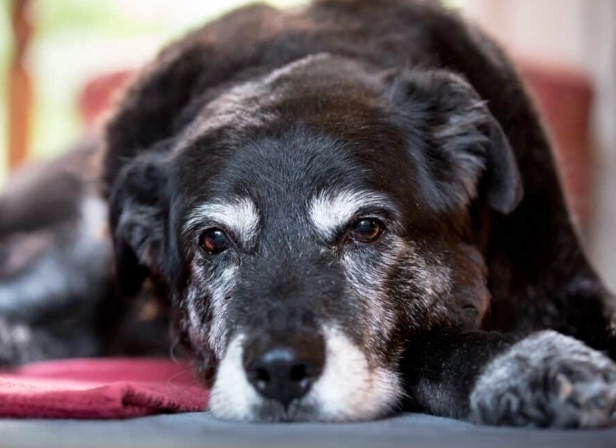
What You'll Find in This Guide
How to Spot the Signs of Dog Dementia Early
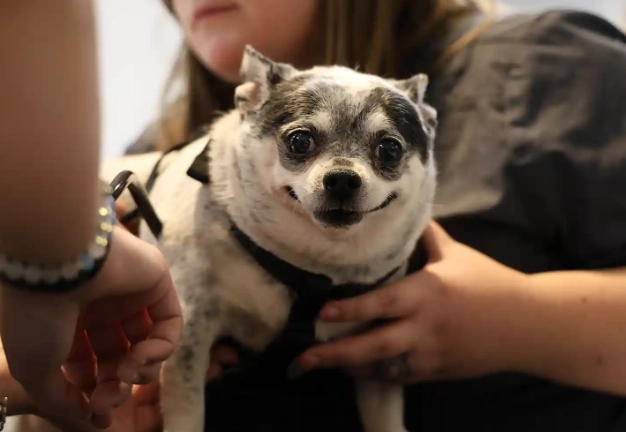
Disorientation
Interactions
Sleep-Wake Cycles
Activity and Anxiety
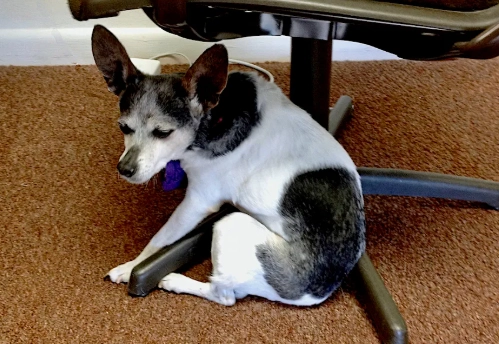
The Vet Visit: Getting a Diagnosis and Ruling Out Other Problems
Daily Management Strategies That Make a Difference
Intervention
Primary Purpose
Example / Note
Environmental Modifications
Reduce disorientation & anxiety
Night lights, consistent layout, baby gates.
Routine & Schedule
Provide predictability
Fixed meal/walk times reduce "what's next?" anxiety.
Adapted Exercise
Maintain physical health & reduce restlessness
Short, leashed walks; avoid overstimulation.
Nutritional Support
Support brain cell function
Diets/supplements with MCTs, antioxidants, Omega-3s.
Veterinary Medications
Manage specific symptoms (anxiety, sleep)
Selegiline (Anipryl), anti-anxiety meds like trazodone.
Treatment Options: From Diet to Medication
Diet and Supplements
Medication
Navigating the Late Stages and Quality of Life
Your Toughest Questions, Answered