Can Dogs Eat Cinnamon? Safety Guide for Pet Owners
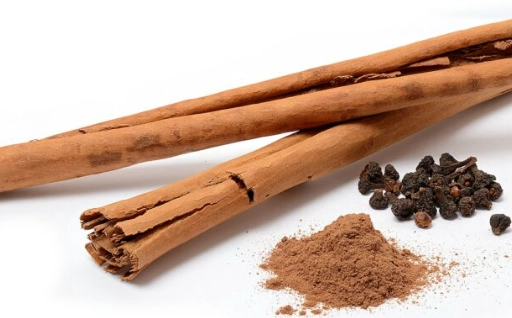
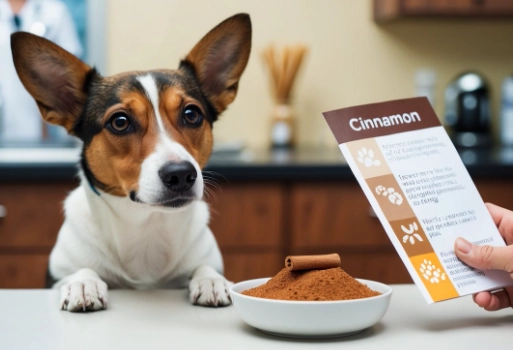
Yes, dogs can have cinnamon in tiny amounts, but it's not a treat to hand out casually. I've been a veterinarian for over a decade, and I've seen enough spice-related scares to say: go slow. Most dogs won't drop dead from a lick of cinnamon, but why risk it? Let's cut through the noise and get straight to what matters. Cinnamon comes from tree bark, and we use it in two main forms: Ceylon (true cinnamon) and Cassia (common in stores). Cassia has more coumarin, a compound that can be toxic in high doses. Most pet owners don't realize this difference—I've had clients buy cheap cinnamon powder without checking the type, and that's a mistake. It's like giving your dog generic vs. premium food; the details matter. Why do people ask about cinnamon for dogs? Often, it's because they're into holistic remedies or they've seen online posts praising its anti-inflammatory properties. But here's the thing: dogs aren't small humans. Their metabolism handles spices differently. I remember a case where a well-meaning owner added cinnamon to their dog's diet for "joint health," only to end up with a vet visit for stomach issues. Not worth it. In short, cinnamon is safe for dogs in minimal quantities, but it's not recommended as a regular part of their diet. The American Society for the Prevention of Cruelty to Animals (ASPCA) lists cinnamon as non-toxic to dogs, but that doesn't mean it's harmless in large amounts. Think of it like chocolate: a tiny bit might not hurt, but a whole bar? Big problem. Most dogs can handle a pinch—less than 1/8 teaspoon for a medium-sized dog—without issues. But if your dog is prone to allergies or has a sensitive stomach, even that might cause trouble. I've seen dogs lick up spilled cinnamon and just sneeze it out, but others develop mild diarrhea. It's unpredictable. Dog size matters. A Great Dane might tolerate a bit more than a Chihuahua, but don't push it. Age plays a role too; puppies and senior dogs are more vulnerable. Also, the form of cinnamon: ground powder is riskier for inhalation, while sticks can be a choking hazard. One client's dog snatched a cinnamon stick from the counter and chewed it; we had to monitor for blockages, though luckily it passed. Too much cinnamon can lead to serious health issues. The coumarin in Cassia cinnamon, in particular, can cause liver damage over time. Symptoms of cinnamon toxicity include vomiting, diarrhea, coughing, and in severe cases, low blood sugar or liver failure. I've treated a dog that ate a whole container of cinnamon rolls—the owner thought it was funny until the dog started vomiting blood. Not a joke. Here’s a breakdown of risks based on amount: Another often-overlooked risk: cinnamon essential oils. These are concentrated and highly toxic to dogs—never use them. I've had cases where owners diffused cinnamon oil, thinking it was safe, and the dog developed breathing problems. Stick to plain, ground cinnamon if you must use it. Let's be real: the benefits of cinnamon for dogs are mostly anecdotal. Some studies suggest anti-inflammatory or antioxidant properties, but these are based on human or lab research, not dogs. In my practice, I haven't seen reliable evidence that cinnamon improves dog health significantly. If you're considering cinnamon for benefits like freshening breath or aiding digestion, there are safer alternatives. For example, parsley or mint can help with breath, and pumpkin is great for digestion. I tell clients: don't fix what isn't broken. If your dog is healthy, adding cinnamon is unnecessary and could backfire. One client insisted on using cinnamon for their dog's arthritis, citing online forums. After a month, the dog showed no improvement and started scratching more—turned out to be a mild allergic reaction. We switched to a vet-approved supplement, and things got better. Moral of the story: trust science, not trends. If you still want to try cinnamon, do it cautiously. Here’s a step-by-step approach I recommend based on years of experience: I've helped owners create homemade dog treats with a dash of cinnamon, but we always pair it with dog-safe ingredients like peanut butter or oats. Even then, I stress moderation. One batch lasted a month, and the dog loved it without issues, but that's not a guarantee for every pet. Life happens—dogs get into things. Here’s how to handle specific situations: Scenario 1: Your dog ate a cinnamon-sprinkled pastry. First, don't panic. Check how much cinnamon was involved. If it's just a light dusting, offer water and watch for stomach upset. If it's a whole pastry with lots of cinnamon, call your vet. I had a case where a dog ate a cinnamon bun; we induced vomiting because of the high sugar and spice content, and the dog was fine after. Scenario 2: You accidentally spilled cinnamon powder near your dog. Clean it up quickly to prevent inhalation. If your dog inhales some, look for coughing or wheezing. Move them to fresh air. Most times, it's minor, but if breathing seems labored, seek vet help. I recall a terrier that sneezed for an hour after sniffing cinnamon—annoying but not dangerous. Scenario 3: You want to use cinnamon for flea control (a common myth). Don't. There's no proof it works, and it can irritate your dog's skin. Use vet-recommended flea treatments instead. I've seen dogs develop rashes from topical cinnamon applications; it's not worth the risk. Wrapping up, cinnamon for dogs is a gray area. It's not outright poisonous, but it's not a superfood either. If you're curious, talk to your vet and proceed with caution. Personally, I skip it—there are plenty of other ways to keep your dog healthy without adding spices to the mix. Remember, when in doubt, leave it out.
Quick Navigation: What's Inside
What Exactly is Cinnamon?
The Straight Answer: Is Cinnamon Safe for Dogs?

Key Factors That Affect Safety
Understanding the Risks: When Cinnamon Becomes Dangerous

Potential Benefits: Is There Any Upside?

How to Safely Introduce Cinnamon to Your Dog’s Diet
Real-Life Scenarios: What to Do in Common Situations
Your Questions Answered: FAQs on Dogs and Cinnamon