Roundworms in Cats: Symptoms, Treatment, and Prevention Guide
Finding a spaghetti-like worm in your cat’s vomit or litter box is a moment of pure, unadulterated horror. I remember my first time—a seemingly healthy kitten, a sudden bout of vomiting, and there it was. That moment of shock is how most cat owners discover their pet has roundworms, one of the most common intestinal parasites in felines worldwide. These parasites, scientifically known as Toxocara cati and Toxascaris leonina, are more than just gross. They’re a silent drain on your cat’s health, and managing them requires a strategy that goes far beyond a single dose of medicine from the pet store.
What’s Inside This Guide?
How to Spot the Signs of Roundworms
Roundworms are masters of stealth. In adult cats, a light infestation might show zero obvious symptoms. The real trouble starts with kittens or cats with a heavy burden. The signs aren’t unique to roundworms, which is why guessing is a bad idea.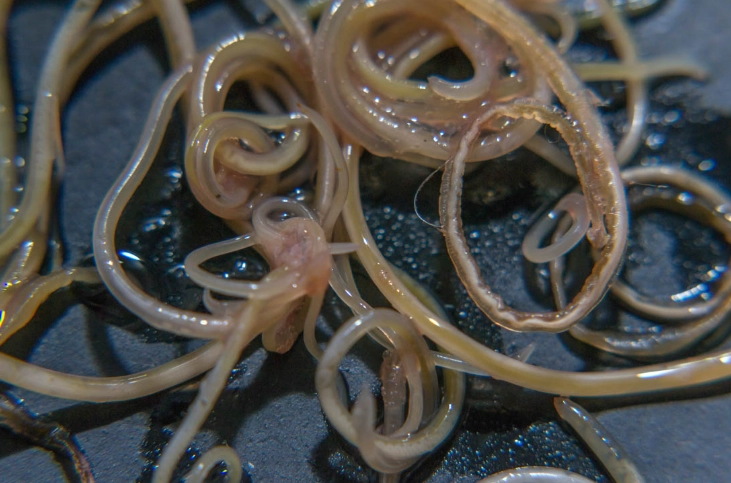
You might see:
- Visible worms: This is the most obvious sign. Adult roundworms are off-white or light brown, often described as looking like cooked spaghetti, and can be several inches long. You’ll find them in vomit or feces.
- A pot-bellied appearance: Especially prominent in kittens. That cute, rounded belly might not be just from food—it could be a mass of worms.
- Dull, rough coat: The parasite is stealing nutrients meant for your cat’s skin and fur.
- Weight loss or failure to gain weight: Despite having a good appetite, your cat seems to be wasting away. The worms are consuming the food first.
- Vomiting or diarrhea: Gastrointestinal upset is common. Sometimes the vomit contains worms.
- Lethargy: Your cat just seems “off,” less playful, sleeping more.
Here’s the subtle error most miss: People think a single negative fecal test means their cat is worm-free forever. Not true. Roundworm larvae can encyst in body tissues and reactivate later, especially in female cats during pregnancy. They can also migrate through the lungs, causing a cough that’s easily mistaken for a hairball or respiratory infection. If your cat has a persistent, non-productive cough and you’ve ruled out other causes, parasites should be on the differential list.
How Do Cats Actually Get Roundworms?
The life cycle is fascinating and explains why they’re so pervasive. It’s not just about eating something dirty.
The Primary Routes of Infection
1. From Mother to Kitten (Transmammary): This is the big one. Almost all kittens are born with roundworms or get them immediately after birth. Larval stages that have been dormant in the mother’s tissues migrate to the mammary glands and are passed to the kittens through her milk. It’s nature’s cruel trick—even a strictly indoor queen can pass worms to her litter.
2. Hunting (Predation): Cats are excellent hunters, and rodents, birds, and insects can act as “transport hosts.” The infected prey carries larval roundworms in its tissues. When your cat eats the prey, it ingests the larvae, which then mature into adult worms in the intestines.
3. Direct Ingestion of Eggs: An infected cat passes microscopic eggs in its feces. These eggs become infectious in the environment after 1-3 weeks. Another cat (or even the same cat) can then ingest these eggs while grooming, or from walking through contaminated soil or litter and licking their paws.
Key Takeaway: Because of the mother-to-kitten route, assuming your indoor-only cat is safe is a major mistake. If she was a kitten once (and she was), she likely had them. Those larvae can stay dormant for years.
Getting a Proper Diagnosis
You saw a worm. Game over, right? You still need a vet. Why? To confirm the type of parasite and check for others (like hookworms or tapeworms), and to assess your cat’s overall health. The diagnostic tool of choice is a fecal flotation test.
Your vet will ask for a fresh stool sample. In the lab, they mix it with a special solution that causes the lightweight roundworm eggs to float to the top, where they can be collected and viewed under a microscope. Roundworm eggs are round with a thick, pitted shell—they have a distinctive look.
But there’s a catch: Adult female worms must be present and reproducing to shed eggs. If the infection is very recent, if only male worms are present, or if the larvae are still migrating, the test can be a false negative. This is why vets often treat based on symptoms or known exposure, even with a negative test.
Treatment Options That Actually Work
Treating roundworms is straightforward, but the protocol is where people slip up. The goal isn’t just to kill the current adults; it’s to break the life cycle.
Common Deworming Medications
Several safe and effective drugs are available, usually as oral liquids, tablets, or as part of a broad-spectrum topical spot-on.
| Medication Name | How It Works | Common Brand Examples* |
|---|---|---|
| Pyrantel Pamoate | Paralyzes the adult worms, which are then passed in the stool. Very safe, often used for kittens. | Nemex, Strongid T |
| Fenbendazole | Interferes with the worm’s energy metabolism, killing adults and some larval stages. | Panacur C |
| Milbemycin Oxime | Part of many heartworm preventives. Paralyzes and kills roundworms. | In Milbemax, Interceptor |
| Selamectin / Moxidectin | Topical “spot-on” medications that treat roundworms as part of a broader parasite control. | Revolution Plus (selamectin), Advantage Multi (moxidectin) |
*These are examples; many generic versions exist. Always use a product prescribed or recommended by your veterinarian.
The Critical Treatment Schedule
This is the non-negotiable part. Giving one dose and calling it a day is the number one reason for treatment failure.
- For Kittens: The Companion Animal Parasite Council (CAPC) recommends deworming every 2 weeks from 2 weeks of age until 8 weeks, then monthly until 6 months old. A typical schedule is at 2, 4, 6, and 8 weeks, then monthly.
- For Initial Infection in Adults: Two doses are standard. The first kills the adult worms. The second dose, given 2-3 weeks later, kills any larvae that have matured since the first treatment.
- For Ongoing Prevention: Adult cats should be on a monthly broad-spectrum parasite control product that includes roundworm protection, especially if they go outdoors or hunt.
After treatment, you might see dead worms in your cat’s stool. That’s normal and means the medication is working.
Building a Foolproof Prevention Strategy
Treatment is reactive. Prevention is proactive and far easier. A multi-pronged approach is best.
1. Routine Deworming: Don’t wait for symptoms. Follow your vet’s recommended schedule for kittens and keep adult cats on a monthly preventive that covers roundworms. Many heartworm preventives do this, killing two birds with one stone.
2. Scoop the Litter Box Daily: This is huge. Roundworm eggs in fresh feces aren’t immediately infectious. By removing feces daily, you remove the eggs before they have the 1-3 week period needed to mature into an infectious stage. Clean the box regularly with hot water (avoid harsh chemicals that might deter your cat from using it).
3. Control Hunting: It’s hard to stop a cat’s instinct, but limiting hunting activity reduces exposure. Bell collars can help warn prey. Keeping cats indoors is the most effective method.
4. Practice Good Hygiene: Wash your hands after handling litter, gardening, or playing with cats. This protects you and your family. Keep children’s sandboxes covered when not in use.
5. Treat All Pets: If you have multiple cats (or dogs), treat them all simultaneously. Otherwise, they can just pass parasites back and forth.
Resources like the Companion Animal Parasite Council (CAPC) provide science-based guidelines that many veterinarians follow. They offer great maps and data on parasite prevalence.
Your Roundworm Questions Answered
Dealing with roundworms is a common part of cat ownership. The shock fades, but the lesson shouldn’t: consistent, preventative care is your best weapon. By understanding their sneaky life cycle, sticking to a vet-approved treatment schedule, and maintaining simple hygiene practices, you can keep these unwelcome guests out of your cat—and your home—for good.
Related Articles