Betta Fish Care Guide: From Fighting Fish to Fabulous Pet
Let's get one thing straight from the start. Calling them just "fighting fish" does a massive disservice to betta splendens. Yes, males are notoriously aggressive towards each other—a trait selectively bred for sport in their native Southeast Asia. But reducing them to that single characteristic is like calling a thoroughbred racehorse just a "running animal." It misses the point entirely. In reality, bettas are intelligent, curious, and surprisingly interactive pets with specific needs far beyond the tiny cup they're often sold in. I've kept them for over a decade, and the biggest mistake I see? People treat the symptom (aggression) without understanding the cause (territorial instinct) and, worse, use it as an excuse for subpar care.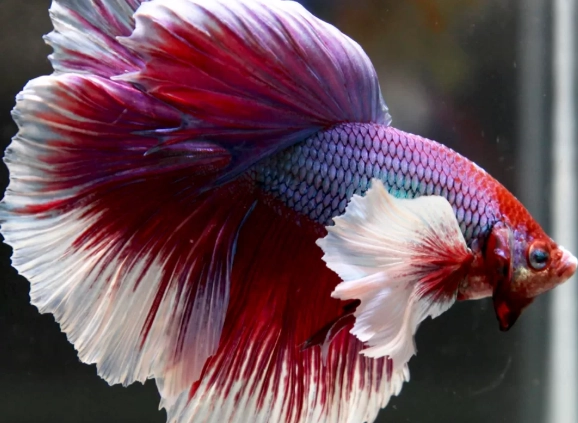
What's Inside This Guide
More Than Just a Fighter: Understanding Their Nature and History
To care for a betta properly, you need to know where it came from. These fish hail from the slow-moving, shallow waters of rice paddies, ponds, and streams in Thailand, Cambodia, and Vietnam. The water is warm, often shaded, and full of plants. It's not a sterile, fast-flowing river. This environment is key.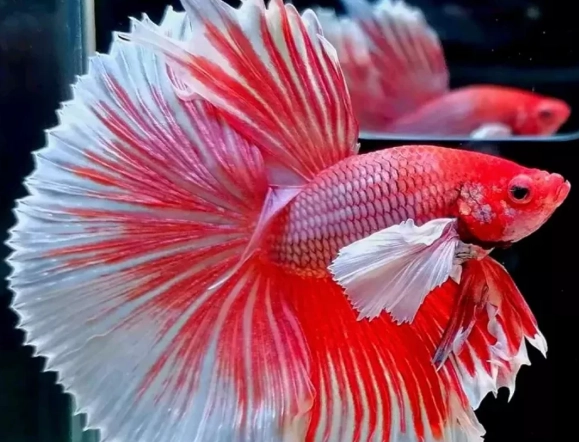
The "fighting" reputation comes from a centuries-old practice in Thailand and surrounding regions, where male bettas were (and in some places, still are) pitted against each other in matches. Breeders selected for the most aggressive males, passing those genes down. But here's the crucial bit everyone misses: In the wild, this aggression is about defending a territory large enough to support the betta and attract females. A territory might be a couple of square feet of dense vegetation. Put two males in a space the size of a cereal bowl, and of course it's a bloodbath—it's an artificial scenario that forces conflict.
Their famous labyrinth organ, which lets them breathe air from the surface, is an adaptation to oxygen-poor water, not an invitation to keep them in un-filtered puddles. Thinking "they can breathe air, so water quality doesn't matter" is probably the number one killer of pet bettas.
The Non-Negotiable Betta Care Essentials
Forget the 1-gallon "betta bowl." Let's talk about what they actually need to thrive, not just survive. I made the bowl mistake with my first betta, Orion. He lived, but he never flared, his colors were dull, and he spent most of his time listless. Moving him to a proper 5-gallon tank was like watching a different fish emerge.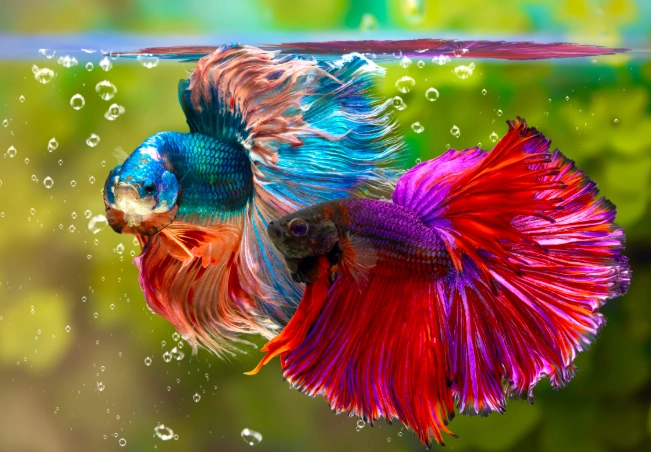
The Tank: Size and Shape Matter
A minimum of 5 gallons is the absolute baseline for a single betta. Why? Smaller volumes foul faster, leading to ammonia spikes. They also don't allow for a stable temperature or proper filtration. Bettas are explorers. They need horizontal swimming space. Tall, narrow "column" tanks are poor choices. A standard rectangular 5 or 10-gallon tank is ideal.
Water Parameters: The Invisible Foundation
This is where most beginners get lost. You can't see it, so it's easy to ignore. Big mistake.
| Parameter | Ideal Range | Why It's Critical |
|---|---|---|
| Temperature | 78-80°F (25.5-26.5°C) | Bettas are tropical. Colder water slows their metabolism, weakens their immune system, and makes them prone to illness like ich. An adjustable heater is mandatory. |
| pH | 6.5 - 7.5 | Stable is more important than "perfect." Wild swings in pH are incredibly stressful. |
| Ammonia & Nitrite | 0 ppm (zero) | These are toxic. Any detectable amount is harmful. This is why cycling your tank before adding fish is non-negotiable. |
| Nitrate | The end product of the nitrogen cycle. Kept low by weekly partial water changes (20-30%). |
You'll need a liquid test kit (not strips—they're often inaccurate) to monitor these. The API Freshwater Master Test Kit is the community standard for a reason.
Filtration and Flow
Yes, bettas need a filter. It houses beneficial bacteria and cleans the water. The catch? Bettas hate strong currents. Their long, flowing fins are like sails in a storm. A gentle sponge filter is perfect. If you use a hang-on-back filter, baffle the output with sponge or a plastic bottle to soften the flow.
Diet: Not Just Pellets
High-quality betta pellets (with whole fish or insects as the first ingredient) are a good staple. But variety is key. I feed mine a rotating mix of pellets, frozen or live brine shrimp, daphnia, and bloodworms. Daphnia acts as a natural laxative—great for preventing constipation, a common issue. Feed once or twice a day, only what they can consume in about 30 seconds. Overfeeding pollutes the water and causes swim bladder issues.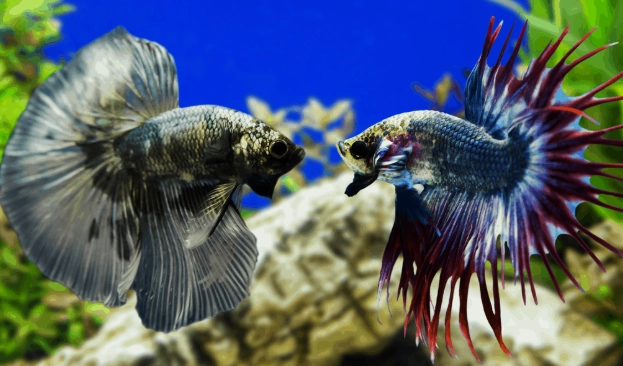
Setting Up the Perfect Betta Tank: A Step-by-Step Walkthrough
Let's build a tank from scratch. Assume you're starting with a standard 10-gallon kit.
- Location & Rinse: Place the tank on a level, sturdy stand away from direct sunlight and drafts. Rinse everything (tank, substrate, decorations) with water only—no soap.
- Substrate & Hardscape: Add 1-2 inches of fine gravel or sand. Smooth-edged decorations are a must. Silk or live plants are excellent; plastic plants can tear fins. Bettas love to rest near the surface, so include tall plants or a betta hammock (a leaf-shaped suction cup).
- Equipment: Install the heater and filter. Set the heater to 78°F. Fill the tank with dechlorinated water. Use a water conditioner like Seachem Prime—it also temporarily neutralizes ammonia.
- The Cycle (The Most Important Step): This takes 4-8 weeks. You're growing bacteria. Add a pure ammonia source (like Dr. Tim's) or fish food. Test daily. You'll see ammonia spike, then nitrite spike, then finally nitrate appear. The tank is "cycled" when it can process 2-4 ppm of ammonia to nitrate in 24 hours. This is non-negotiable for fish health. Resources like the Nitrogen Cycle guide on FishLore explain this in detail.
- Acclimation: When ready, float the betta's bag/container to equalize temperature for 15-20 minutes. Then, slowly add small amounts of tank water to the container over another 15-20 minutes before netting the fish into the tank. Don't pour the pet store water in.
Spotting and Solving Common Betta Health Problems
Even with perfect care, bettas can get sick. Early detection is everything.
Fin Rot: Fins look ragged, melted, or have black/red edges. Often caused by poor water quality. Solution: Immediate improvement of water conditions is step one. Clean, warm, pristine water often cures mild cases. For advanced cases, antibacterial treatments like API Fin & Body Cure may be needed.
Ich (White Spot Disease): Tiny white salt-like spots on fins and body. Fish may scratch against objects. Solution: Raise the tank temperature gradually to 86°F (30°C) for 10 days. This speeds up the parasite's lifecycle. Medications containing malachite green or copper are also effective but can be hard on plants and invertebrates.
Swim Bladder Disorder: Fish struggles to swim upright, floats sideways, or sinks. Often linked to overfeeding or constipation. Solution: Fast the fish for 2-3 days. Then offer a cooked, deshelled pea (a natural laxative) or daphnia. If not related to feeding, it could be bacterial; an antibacterial treatment and salt bath might be necessary.
Lethargy & Loss of Color: This isn't a specific disease but a major symptom. The first thing to do is test your water. Nine times out of ten, the problem is an ammonia or nitrite spike, or the temperature is too low.
Your Betta Questions, Answered by Experience
Related Articles