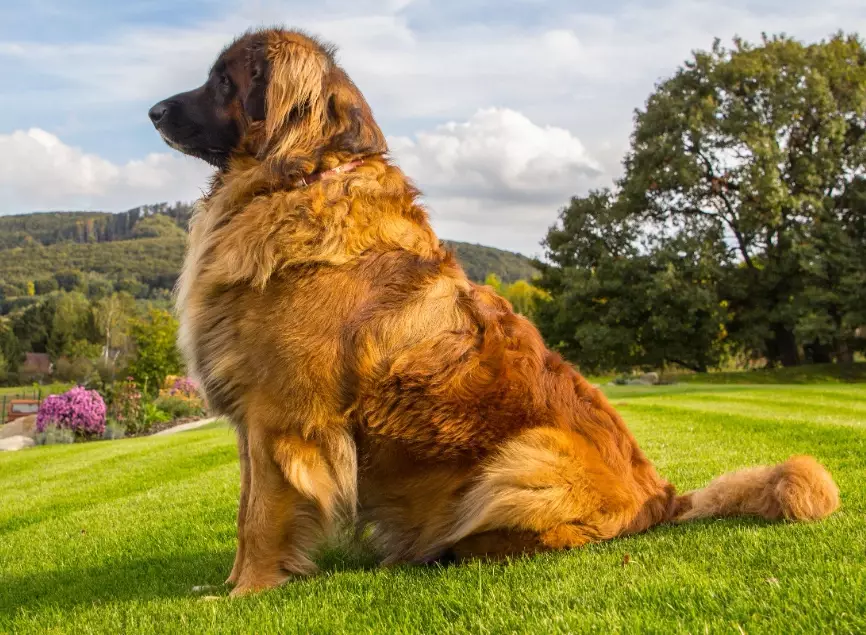
The Afghan Hound: A Complete Guide to Care, Grooming & Personality
Let's be honest, you're probably here because you saw a picture. A stunning, silky-haired dog with an aristocratic look, maybe trotting around a show ring or posing majestically on a couch. The Afghan Hound captures attention instantly. But behind that flowing coat and aloof expression is a complex, ancient breed that's nothing like a Golden Retriever. Owning one is less about having a pet and more about curating a living piece of art with a mind of its own. I've been around these dogs for over a decade, and I still learn new things about their quirky personalities. This guide isn't just a breed summary; it's a reality check and a roadmap for anyone considering sharing their life with an Afghan.
What You'll Find in This Guide
Where Did This Regal Dog Come From?
The Afghan Hound's history isn't just old; it's ancient and shrouded in the mountains of Afghanistan and surrounding regions. DNA studies, like those referenced by the American Kennel Club (AKC), suggest they are one of the most ancient dog breeds. They weren't bred for companionship in a palace but for survival and work in harsh, rocky terrain. Their original job was coursing game—think hares and even gazelles—using sight and incredible speed. That long, flowing coat wasn't for fashion shows; it provided insulation against the brutal cold of Afghan mountains. The distinctive topknot of hair on the head is said to have been a practical feature to improve the dog's vision in bright sun and snow. Every aspect of their build, from the sprung ribs for lung capacity to the flexible hip joints for sharp turns, served a purpose. When they were brought to the West in the early 20th century, their exotic look made them an instant sensation, but their independent, hunting-dog soul came along for the ride.
The Afghan Hound Personality: Aloof or Just Misunderstood?
Calling an Afghan Hound "cat-like" is the most common, and most accurate, shorthand. They are profoundly independent. They form deep bonds with their family but often on their own terms. Don't expect a dog that follows you from room to room seeking constant affection. An Afghan might greet you at the door, accept a pat, and then retire to its favorite perch to observe the household. They can be reserved, even dismissive, with strangers. This isn't aggression; it's a dignified indifference bred over centuries. With their family, they reveal a clownish, sensitive, and surprisingly silly side. They are known for their dramatic "Afghan scream"—a high-pitched vocalization of excitement or protest that can startle the uninitiated.
The Real Deal on Afghan Hound Care and Grooming
This is the section that separates the dreamers from the realistic owners. That magnificent coat is a part-time job.
The Daily and Weekly Routine
Forget quick brush-outs. An Afghan's fine, silky hair tangles and mats with terrifying ease, especially behind the ears, under the legs, and around the sanitary area. A full adult coat requires a commitment of at least 30-45 minutes of brushing, every other day. I use a high-quality steel pin brush and a wide-toothed comb, working in small sections from the skin out. Bathing is a major event, needed every 1-2 weeks. You'll need a tub, a high-velocity dryer (a human hair dryer won't cut it), and specific shampoos and conditioners for long coats to prevent breakage. After the bath, the hair must be thoroughly blown dry while being brushed straight, or it will mat as it dries. Many owners keep their dogs in a shorter "puppy cut" for practicality, which significantly reduces but doesn't eliminate maintenance.
Beyond the Coat: Other Needs
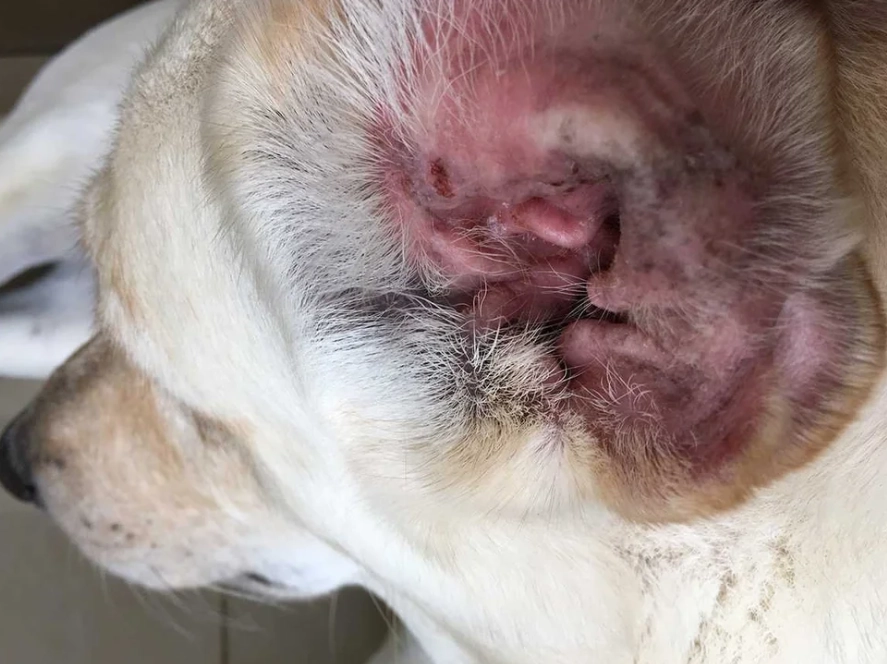
They are sprinters, not marathon runners. They need a safe, enclosed area to run flat-out a few times a week. A long daily walk is good, but without that explosive sprinting outlet, they can become restless. At home, they are famous couch potatoes. Their long, narrow noses make them sensitive to heat, so summer exercise must be during cooler hours. Their nails grow quickly and need regular trimming. Those long, floppy ears need weekly checks and cleaning to prevent infections.
Here’s a quick reference table for their core care needs:
| Care Aspect | Frequency & Details | Common Pitfall to Avoid |
|---|---|---|
| Coat Brushing | Every other day (30-45 min). Use pin brush & comb. | Brushing only the top layer, creating hidden mats at the skin. |
| Bathing & Drying | Every 1-2 weeks. Must include blow-drying while brushing. | Letting the coat air dry, which guarantees mats. |
| Exercise | Daily walk + secure sprinting 2-3 times per week. | Assuming a walk is enough; they need to *run*. |
| Nail Trimming | Every 2-3 weeks. Quick grows long. | Letting nails get too long, affecting their gait. |
| Ear Cleaning | Weekly check. Clean with vet-approved solution. | Moisture and hair buildup leading to infections. |
Health and Lifespan: What to Watch For
Afghan Hounds are generally healthy with a lifespan of 12-14 years, but like all purebreds, they have predispositions. Responsible breeders screen for these conditions. The big ones include:
- Hip Dysplasia: A malformation of the hip joint. Ask breeders for Orthopedic Foundation for Animals (OFA) or PennHIP clearance certificates for the parents.
- Hypothyroidism: An underactive thyroid gland, manageable with medication. Symptoms include weight gain, lethargy, and coat problems.
- Cataracts: Can develop in young or older dogs, potentially leading to blindness.
- Bloat (Gastric Dilatation-Volvulus): A life-threatening emergency where the stomach twists. Feeding smaller, frequent meals and avoiding vigorous exercise around mealtimes can reduce risk.
Their deep chest makes them more susceptible to bloat. Knowing the signs—restlessness, drooling, unproductive retching, a distended abdomen—and having your vet's emergency number ready is crucial.
Training an Afghan Hound: Patience is Not Optional
Forget the eager-to-please mentality of a Border Collie. Afghan Hounds are intelligent but have a low desire to please humans simply for praise. They ask, "What's in it for me?" This makes training a test of creativity and patience. Positive reinforcement with high-value treats (think chicken, cheese, liver) is the only method that works. Harsh corrections will cause them to shut down completely.
Recall (coming when called) is their legendary weakness. That ancient prey drive kicks in, and once they're in chase mode, your calls fade into nothing. This is why a securely fenced area is non-negotiable. Socialization from puppyhood is critical to help them be calm around new people, dogs, and situations. Obedience titles are possible, but they will never be the star of the agility course. Their beauty lies in their independent spirit, not their blind obedience.
Housebreaking can take longer than with other breeds. Consistency and a predictable schedule are key.
Your Afghan Hound Questions, Answered
The Afghan Hound is a breathtaking companion for the right person. They offer unmatched elegance, quiet companionship, and moments of hilarious, quirky behavior. But they demand a specific lifestyle: one with time for grooming, space for running, and a personality that appreciates a partner with a mind of its own. If you're looking for an undemanding, velcro dog, look elsewhere. If you're prepared for the commitment, you'll share your life with one of the canine world's most fascinating and beautiful originals.
Related Articles