Why Do Cats Sleep So Much? The Science Behind Cat Naps
You look at your cat, curled in a sunbeam, dead to the world for the third time today. The clock says 2 PM. You've been working since 8. A wave of envy mixed with concern hits you. Is this normal? Is she bored? Sick? The short answer is yes, it's overwhelmingly normal. Cats are champion sleepers, logging anywhere from 12 to 16 hours a day on average, with seniors and kittens pushing 20 hours. But the "why" behind those marathon naps is a fascinating mix of evolutionary biology, energy economics, and plain old comfort. It's not laziness; it's a highly optimized survival strategy. I've lived with cats for over a decade, and observing my two—a lazy senior and a hyperactive youngster—taught me that sleep is their superpower, but also a critical health indicator most owners misread.
What's Inside: Your Quick Guide
The Evolutionary Reasons: Born to Rest
House cats are obligate carnivores descended from solitary, crepuscular hunters. That's a fancy way of saying their wild ancestors were built for short, intense bursts of activity—primarily at dawn and dusk—to catch prey. A successful hunt requires a massive, concentrated output of energy: the stalking, the pounce, the struggle. That energy doesn't come from nowhere.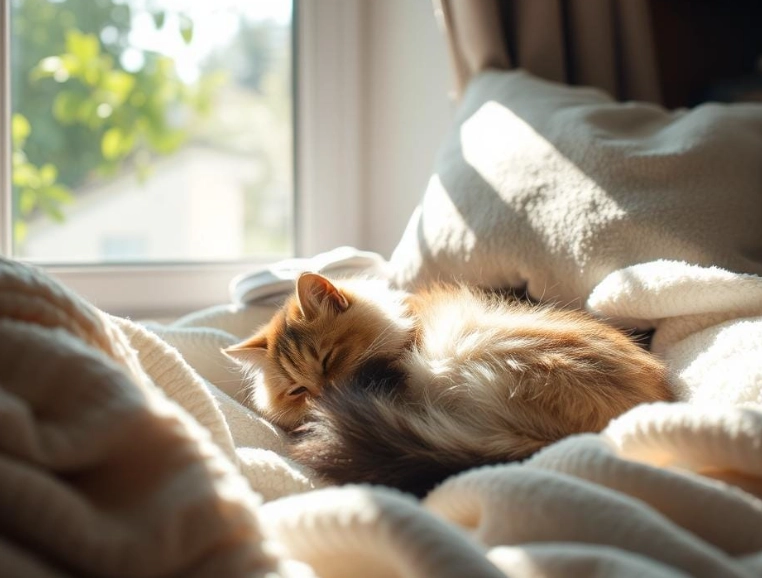
Sleep is the recharge. In the wild, conserving energy between hunts was a matter of life and death. Sleeping through the heat of the day kept them safe from larger predators and prevented unnecessary calorie burn when food wasn't guaranteed. Your living room lion still operates on this ancient software. Even though the food bowl is always full, the instinct to conserve energy for the "hunt" (now a play session with a feather wand) remains hardwired.
Here's a nuance most articles miss: it's not just about saving energy for activity, but also recovering from it. A cat's physiology is designed for explosive movement, which creates metabolic waste and minor muscular micro-tears. Deep sleep is when the bulk of physical repair and growth hormone release happens. So that 20-minute crazy-half-hour where your cat tears around the house? It's often followed by a two-hour coma to fix the wear and tear.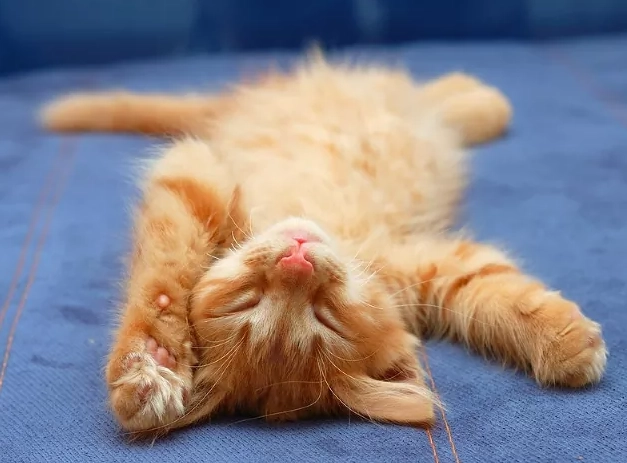
A Quick Comparison: Cat vs. Human Sleep Drivers
Humans: Sleep is primarily for brain maintenance, memory consolidation, and cognitive restoration. We have relatively predictable sleep-wake cycles tied to light.
Cats: Sleep is primarily for physical energy conservation and bodily repair, with a secondary cognitive function. Their cycles are polyphasic (many short sleeps) and heavily influenced by instinct, not just circadian rhythm.
A Cat's Sleep Cycle: It's Not All Deep Sleep
When we say a cat sleeps 15 hours, we picture 15 hours of snoring oblivion. That's wrong. A huge portion of that time is spent in light sleep or drowsiness. This is a key survival adaptation. In a light sleep state, a cat can spring to full alertness in seconds if it senses danger or opportunity (like a treat bag rustling).
Let's break down the two main phases, which are similar to ours but with different proportions:
| Sleep Phase | What Happens | Physical Signs | Approx. % of Sleep Time |
|---|---|---|---|
| Light Sleep / Drowsiness | Body is relaxed, mind is semi-aware. Muscles retain some tension. This is a state of readiness. | Ears may twitch towards sounds. Eyes partially open or rapidly blinking. Cat is easily roused. | ~60-70% |
| Deep (Slow-Wave) Sleep | True physical restoration occurs. Growth hormone is released, tissues are repaired, immune system is bolstered. | Body is fully relaxed, often curled tightly. Breathing is slow and regular. Less responsive to quiet sounds. | ~25-30% |
| REM (Rapid Eye Movement) Sleep | Brain is active, likely dreaming. Crucial for mental health and memory processing. | Whiskers, paws, tail, or eyelids may twitch or jerk. You might hear tiny muffled mews or chirps. | ~5-10% |
Notice how little time is spent in the crucial REM stage. This is why uninterrupted sleep is so important for cats. If you constantly disturb your cat during a light nap, they may never cycle down into the deep or REM sleep they need for proper health. Think of it like only ever allowing someone to take 10-minute power naps—they'd be chronically exhausted.
My old cat, Luna, would always find the quietest, most hidden spot in the house for her serious sleep. The couch was for light dozing. The top shelf of the closet, behind the winter coats, was for the REM cycles. She knew the difference.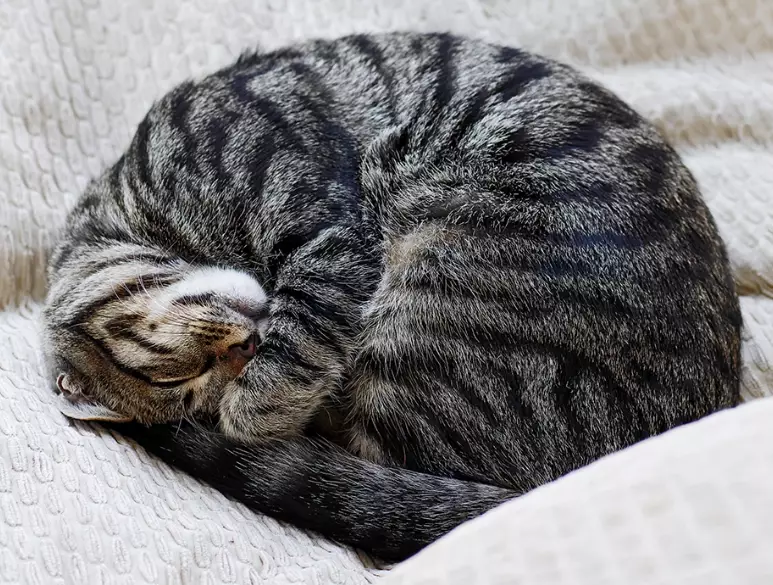
How Age Changes a Cat's Sleep Schedule
If you've had cats at different life stages, you know sleep patterns aren't static. A kitten isn't just a small adult cat, and a senior isn't just a slow version of a young cat. Their sleep needs and patterns shift dramatically.
Kittens (0-6 months): They are sleep machines, often clocking 18-20 hours. This isn't laziness—it's a biological imperative. Their bodies are growing at an insane rate, and their brains are processing a tsunami of new information about the world. Almost all their deep sleep is dedicated to building bone, muscle, and neural pathways. Waking hours are brief explosions of play (hunting practice) and eating.
Adult Cats (1-10 years): This is where you see the "standard" 12-16 hours stabilize. Sleep is balanced between energy conservation for play/hunting simulation and bodily maintenance. Activity levels, diet, and environment (indoor vs. outdoor access) cause the biggest variations here. An indoor-only cat with little enrichment will often sleep more out of boredom—a critical distinction from healthy sleep.
Senior Cats (10+ years): Sleep often increases again, creeping back toward 16-20 hours. The reasons are twofold. First, just like older humans, sleep quality can diminish. They spend less time in restorative deep sleep, so they need more total sleep time to get the same benefit. Second, aging can bring low-grade arthritis or other aches. Sleep is a pain management strategy. However, this is where owners make a dangerous mistake: chalking up all sleep changes to "just getting old." A sudden increase in lethargy is a major red flag.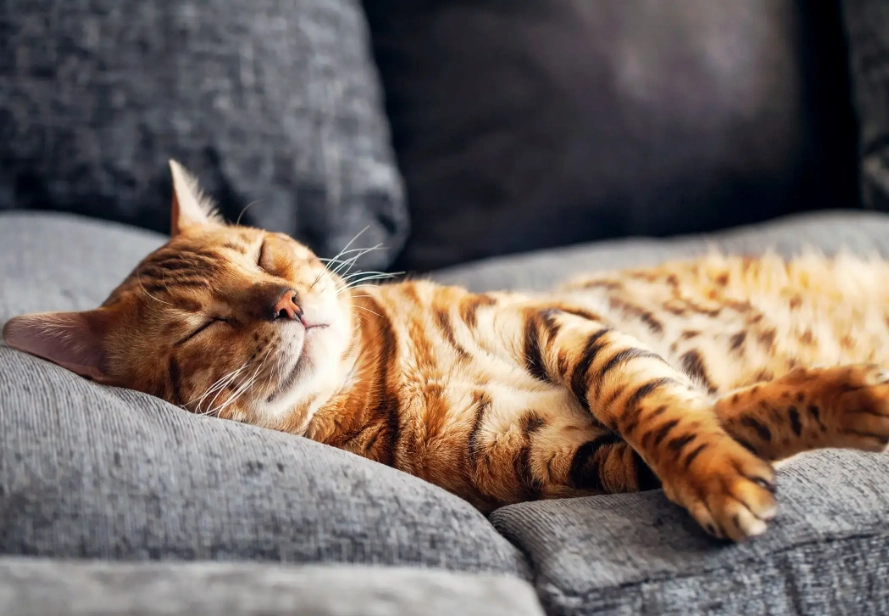
When Cat Sleep Signals a Problem
This is the part that matters most. How do you tell if your cat is sleeping a healthy amount or if it's a symptom of illness? It's less about the clock and almost entirely about changes in pattern and accompanying signs.
Healthy, normal sleep is characterized by choice and ease. Your cat chooses different spots, sleeps soundly but can be woken without distress, and after waking, engages in normal activities—eating, grooming, playing, using the litter box.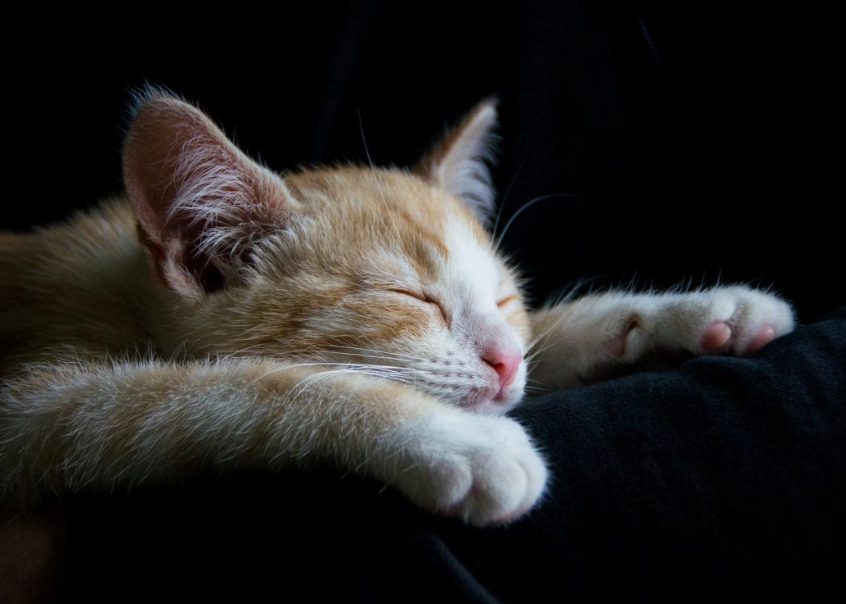
Here are scenarios where you should schedule a vet visit, as recommended by sources like the American Veterinary Medical Association (AVMA) on monitoring pet behavior:
- The Sleep Increase is Sudden: Your typically active 5-year-old cat is now sleeping 20 hours a day and seems disinterested when awake.
- Sleeping in Painful-Looking Positions or New Places: Hiding to sleep (under beds, in closets) when they never did before can signal a need for security due to feeling unwell.
- Difficulty Waking or Extreme Lethargy When Awake: If you struggle to rouse them, or they seem wobbly, disoriented, or unwilling to move when awake.
- Sleep Comes with Other Symptoms: This is the big one. Combined with changes in appetite/thirst, weight loss, vomiting, diarrhea, labored breathing, or vocalizing in the litter box, increased sleep is a major clue.
Common illnesses that present with increased sleep/lethargy include hyperthyroidism (in older cats, often with weight loss despite increased appetite), kidney disease, diabetes, anemia, and various infections or cancers. Don't play detective—let your vet run the tests.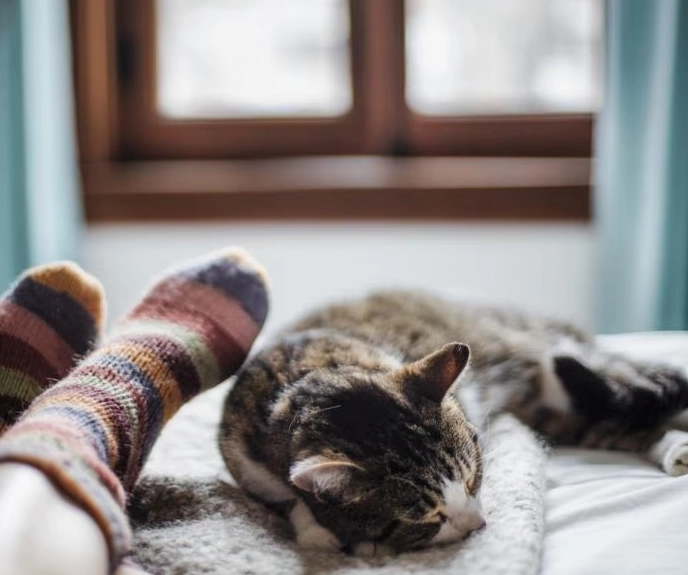
How to Support Better Cat Naps
You can't make a cat sleep less, nor should you try. But you can ensure the sleep they get is high-quality and that their waking hours are stimulating enough to make their rest biologically necessary, not just a default from boredom.
Optimize the Sleep Environment
Offer multiple, varied sleeping stations. Think like a cat: a warm spot in the sun, a high perch (cat tree shelf) for security, a cozy, enclosed cave bed for deep sleep, and a soft blanket on your chair for companionship. Rotate blankets to keep them fresh. Ensure these spots are in quiet, low-traffic areas during parts of the day.
Enrich Waking Hours
This is the most effective tool. Schedule two or three dedicated 10-15 minute play sessions daily, ideally mimicking the hunt sequence: stalk, chase, pounce, capture, kill (let them "catch" and bite the toy). Feed meals after play to simulate the hunt-eat-groom-sleep cycle. Food puzzles instead of a bowl make them work mentally and physically for calories. A cat that has "hunted" will sleep more soundly and contentedly.
Respect the Sleep
Avoid waking a deeply sleeping cat unless necessary. It disrupts their cycle. Teach children to let sleeping cats lie. If you need to wake them for a vet trip, do so gently with soft sounds or by offering a treat from a distance, not by jostling them.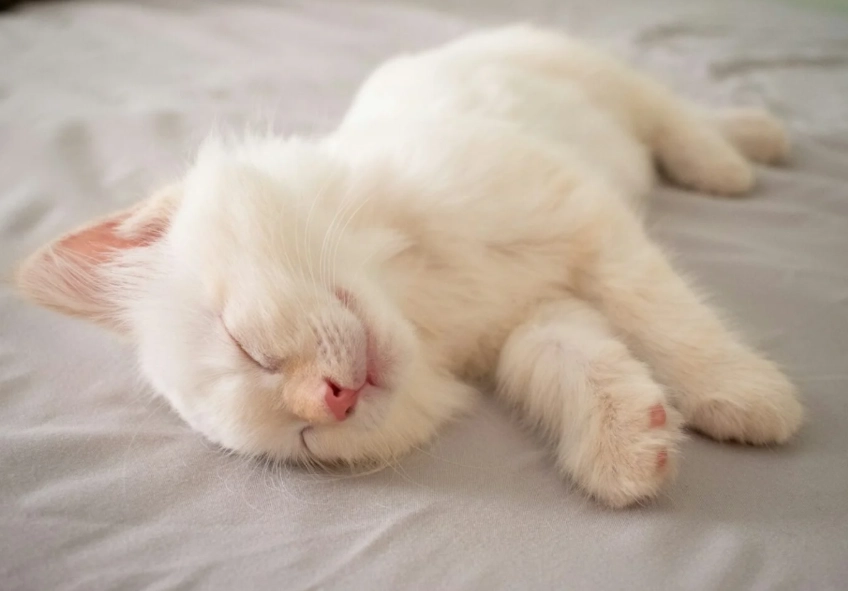
Related Articles