Can Dogs Eat Tomatoes? Vet-Approved Safety Guide & Tips
Let's cut to the chase. Yes, dogs can eat tomatoes, but with a giant, flashing asterisk. The ripe, red fruit part is generally safe in small amounts. The green parts—the stems, leaves, and unripe fruit—are a different story. They contain solanine and tomatine, compounds that are toxic to dogs. I've seen too many panicked calls from owners whose pup got into the garden. The confusion is real because that juicy red tomato sitting on your counter looks harmless. It mostly is. The danger lurks in what surrounds it.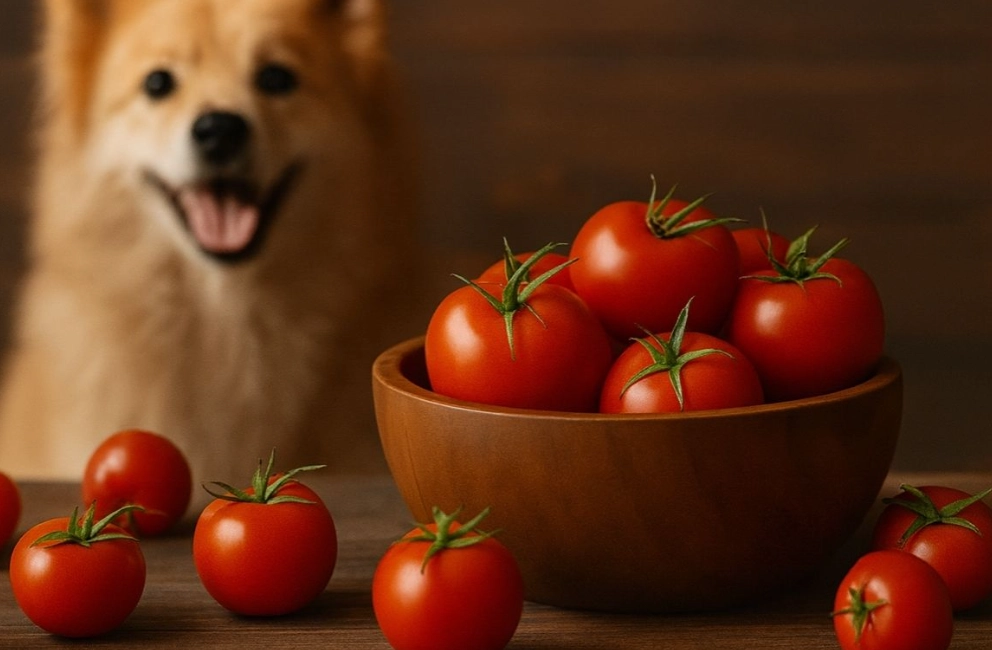
What You’ll Learn in This Guide
The Safe Part: Ripe Tomato Flesh (Proceed with Caution)
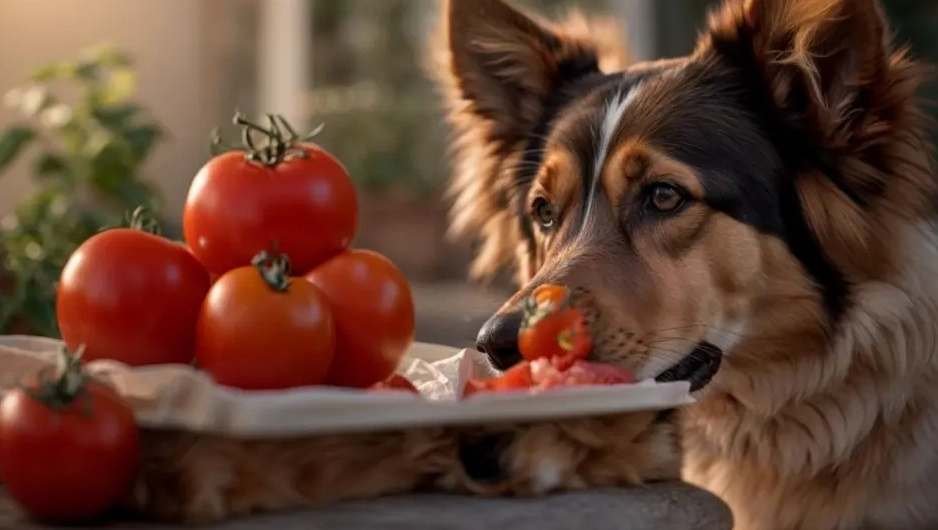
A small piece of ripe, red tomato flesh won't harm most dogs. Think of it as an occasional treat, not a dietary staple. They contain some beneficial nutrients like lycopene (an antioxidant), vitamin C, and fiber. But let's be honest, the nutritional benefit for your dog is minimal compared to a balanced dog food. The main reason to offer it is because your dog is staring at you with those eyes while you're making a salad.
Here’s the non-consensus bit many sites miss: “Ripe” means fully, deeply red with no green tinge whatsoever. That pale pink or orange tomato at the bottom of the bag? Still too green. The solanine levels drop significantly as the tomato matures and changes color, but it’s a gradient, not an on/off switch. Err on the side of overly ripe.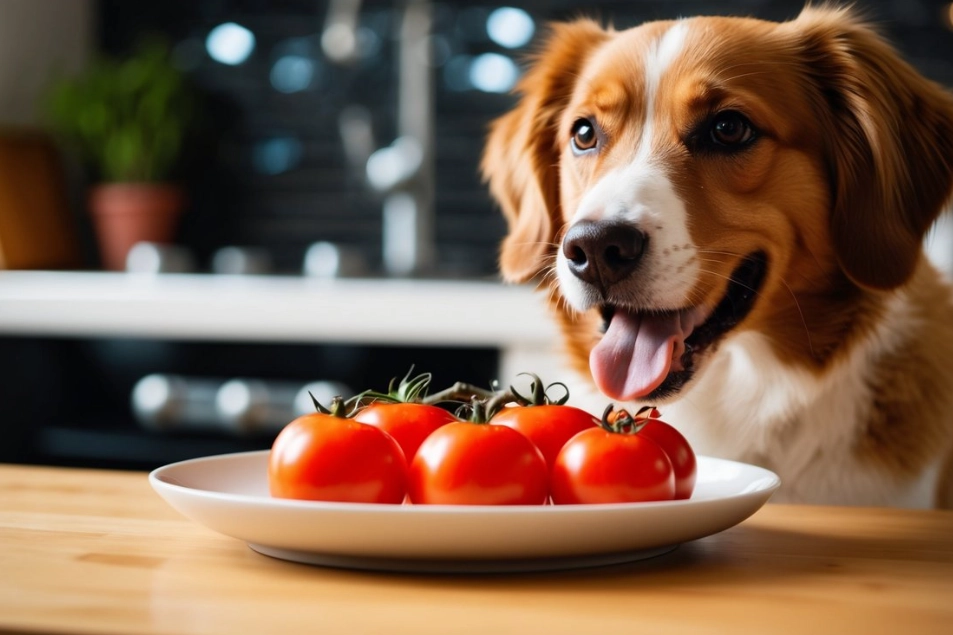
Personal Rule: I only give my own dog tomato if I’m preparing it myself—washing it, cutting out the stem core completely, and dicing the pure red flesh. No grabbing a cherry tomato from the vine and tossing it to him. That’s asking for trouble.
The Danger Zone: Stems, Leaves, and Green Tomatoes
This is where the real risk lies. The tomato plant (Solanum lycopersicum) is part of the nightshade family. To protect itself from pests, it produces glycoalkaloids, primarily solanine and tomatine. These are natural insecticides, and they don't agree with canine biology.
- Tomato Plants & Vines: Highest concentration. A dog chewing on a garden plant is at the greatest risk.
- Leaves and Stems: Very high concentration. Even a small amount ingested can cause issues.
- Green, Unripe Tomatoes: Contain significant levels. As they ripen, the levels fall.
- The Calyx (green star-shaped part on top): Often forgotten! You must remove this entirely before offering any tomato.
The toxicity level isn't typically severe enough to be life-threatening in most cases involving a nibble, but it can cause extremely unpleasant gastrointestinal and neurological symptoms. Small dogs and puppies are, of course, more vulnerable.
How Much Green Tomato is Dangerous?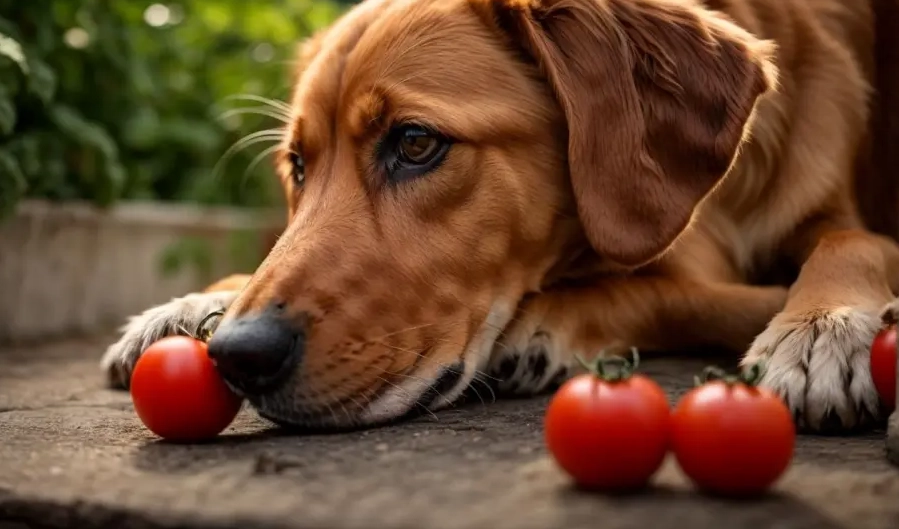
There's no precise “one bite will kill” amount. It depends on the size of your dog, the specific plant, and how much they ate. A Chihuahua eating a whole green tomato is a veterinary emergency. A Great Dane licking a chopped piece might just have an upset stomach. The problem is you don't know where your dog falls on that spectrum until it's too late. The safest approach is a zero-tolerance policy for the green parts.
Critical Point: The plant's toxicity is often underplayed. According to the ASPCA Animal Poison Control Center, while the ripe fruit is considered safe, the green parts of the plant are listed as toxic. If your dog is a known garden raider, consider fencing off your tomato plants or growing them in raised beds.
How to Safely Feed Tomatoes to Your Dog (A Step-by-Step Plan)
If you decide to share, follow this protocol. It’s what I do and recommend to clients.
- Choose the Right Tomato: Pick one that is completely, uniformly red. Organic can be better to minimize pesticide residue.
- Wash Thoroughly: Rinse under cool water to remove any dirt or chemicals.
- Core and Remove ALL Green: Cut out the entire stem area and the calyx. Inspect for any green flesh or veins near the core and cut them away.
- Dice or Slice: Cut the remaining red flesh into small, bite-sized pieces appropriate for your dog's size. This prevents choking.
- Start Microscopically: For the first time, offer one small piece. Wait 24 hours to monitor for any adverse reaction like diarrhea or vomiting.
- Limit Quantity: Even red flesh is acidic and can cause stomach upset. Treats (including tomatoes) should make up no more than 10% of your dog's daily calories. For a medium dog, a couple of cherry tomato-sized pieces once a week is plenty.
Tomato Sauce, Ketchup, Soup, and Other Products
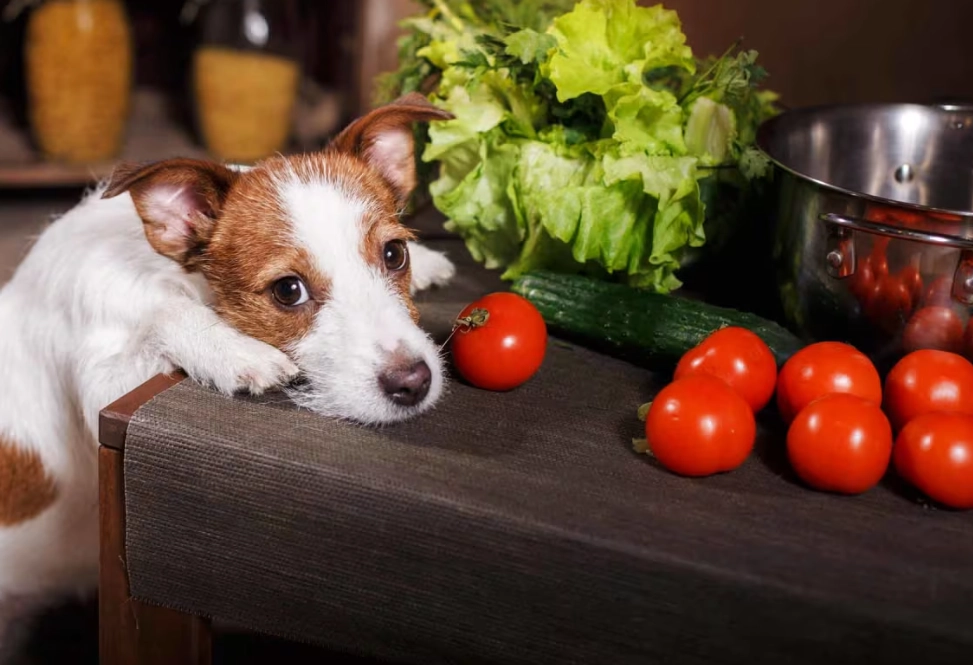
This is where people really get into trouble. Processed tomato products are almost always a hard no.
| Product | Safe for Dogs? | Primary Reasons to Avoid |
|---|---|---|
| Tomato Sauce/Pasta Sauce | No | Garlic, onions, salt, sugar, high acidity. Garlic and onions are highly toxic to dogs. |
| Ketchup | No | Extremely high in sugar, salt, and often contains onion powder or garlic powder. |
| Canned Diced/Stewed Tomatoes | Not Recommended | Often have added salt, citric acid, or seasonings. May contain traces of green. |
| Tomato Soup (Canned) | No | Cream, salt, onion, garlic, and other seasonings. |
| Sun-Dried Tomatoes | Not Recommended | Concentrated, often packed in oil and herbs with garlic. |
| Plain, Unsalted Tomato Paste (Tiny Bit) | Maybe, but Why? | Extremely concentrated and acidic. No real benefit, high risk of stomach upset. |
The takeaway? Keep your dog away from your pizza, pasta, and fries. The risks from the added ingredients far outweigh any hypothetical benefit from the tomato.
Recognizing Signs of Tomato Toxicity: What to Watch For
If you suspect your dog ate a green tomato or part of a plant, watch for these symptoms, which usually appear within a few hours. They're primarily related to gastrointestinal and nervous system upset.
- Gastrointestinal Upset: Vomiting, diarrhea, drooling, loss of appetite, or abdominal pain.
- Neurological Signs: Lethargy, weakness, confusion, tremors, or in severe cases, seizures.
- Cardiac Effects: In significant poisoning, abnormal heart rate can occur.
What to Do: If you see these signs and know or strongly suspect ingestion of green parts/plants, call your veterinarian or a pet poison helpline immediately. Don't wait. Have an estimate of how much they might have eaten and the dog's weight ready.
For mild symptoms from a tiny bit of red flesh (a little loose stool), simply withhold food for 12 hours, ensure access to water, and monitor. If it persists, call your vet.
Your Tomato & Dog Questions Answered (FAQ)
 My dog licked some marinara sauce off the floor. Is this an emergency?
So, can dogs eat tomatoes? The landscape is nuanced. The ripe red flesh gets a cautious green light as an occasional snack if meticulously prepared. The rest of the plant—the leaves, stems, and unripe fruit—gets a bright red stop sign. Your safest bet is to simply enjoy your BLT in peace and share a dog-appropriate treat instead. But if you do share, now you know exactly how to do it without a second thought.
Related Articles