Safe Benadryl Dosage for Dogs: Uses, Side Effects & Expert Tips
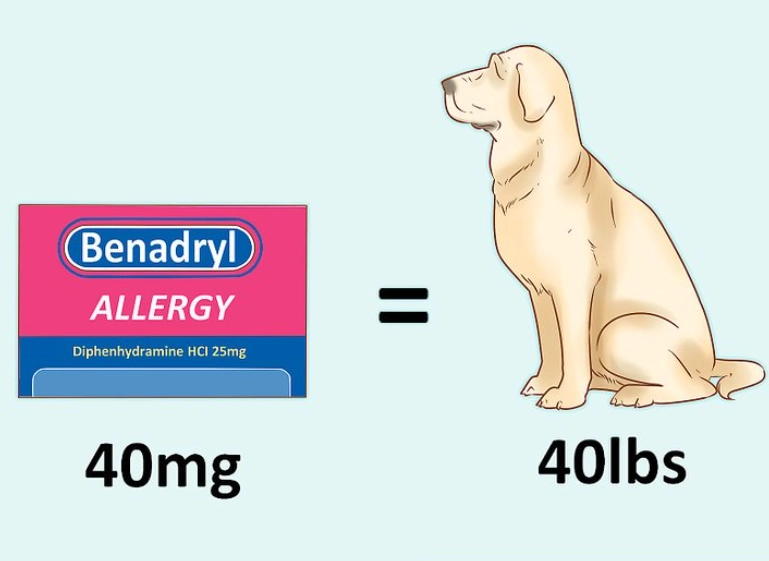
Let's cut to the chase: yes, you can give Benadryl to your dog, but the dosage has to be spot-on. Get it wrong, and you're looking at a sleepy, miserable pup or worse. I've seen it happen – a friend once gave her 10-pound terrier a full adult tablet, and the poor thing was zonked out for hours. That's why I'm breaking down everything here, from calculating the right dose to hidden pitfalls most owners miss. Always check with your vet first, but this guide will arm you with the knowledge to have that conversation confidently. Benadryl is just the brand name for diphenhydramine, an antihistamine that blocks histamine receptors. In plain English, it stops the itching, sneezing, and swelling caused by allergies. Vets often recommend it for dogs because it's relatively safe when dosed properly, and it's been around forever. But here's the kicker: not all Benadryl products are created equal. Some have added ingredients like pseudoephedrine or acetaminophen, which are toxic to dogs. I always tell people to grab the plain diphenhydramine tablets – nothing else. Diphenhydramine works by calming down the overactive immune response. It's like putting a blanket on a fire; it doesn't fix the root cause, but it manages the symptoms. For dogs, that means relief from bug bites, seasonal allergies, or even vaccine reactions. The American Veterinary Medical Association notes that antihistamines like diphenhydramine are commonly used off-label in veterinary medicine, meaning they're not specifically approved for dogs but vets use them based on experience and research. Vets turn to Benadryl because it's cheap, accessible, and effective for mild cases. Think of it as a first-aid kit item. If your dog gets a bee sting at the park, giving Benadryl can reduce swelling fast. But it's not a cure-all. For chronic allergies, you'll need a long-term plan. I've had my own dog, Max, on Benadryl during high pollen seasons, and it takes the edge off, but we still do regular vet visits for check-ups. This is where most owners slip up. The golden rule is 1 milligram of diphenhydramine per pound of your dog's body weight, given every 8 to 12 hours. But wait – that's for tablets. If you're using liquid Benadryl, you've got to check the concentration because it varies. I'll walk you through it step by step. Pro tip: Always weigh your dog first. Guessing based on breed can lead to under or overdosing. A bathroom scale works fine – just weigh yourself, then weigh yourself holding your dog, and do the math. Let's say your dog weighs 25 pounds. That means 25 mg of diphenhydramine per dose. Most Benadryl tablets come in 25 mg each, so one tablet is perfect. But if your dog is 15 pounds, you'd need 15 mg. You might have to cut a tablet or use children's formula, but be cautious – children's Benadryl often has other stuff in it. I prefer using a pill cutter for accuracy. Liquid Benadryl is trickier. The concentration is usually 12.5 mg per 5 mL. So for a 25-pound dog, you'd need 10 mL (that's two teaspoons). But read the label! Some liquids have alcohol or xylitol, which is deadly for dogs. I avoid liquids unless it's the only option and my vet approves. That table should give you a quick reference, but remember – every dog is different. Older dogs or those with health issues might need less. My neighbor's senior labrador only tolerates half the standard dose because of kidney concerns. Benadryl isn't just for allergies. Vets use it for a range of issues, but it's not a magic bullet. Here's where it shines and where it falls short. This is the big one. If your dog is scratching like crazy from pollen, flea bites, or food sensitivities, Benadryl can provide temporary relief. It works best for mild to moderate itching. For severe cases, you might need steroids or other meds. I've used it on Max during spring when his paws get red – it helps him sleep through the night without chewing himself raw. Benadryl has a sedative effect, so it can calm dogs during car rides or thunderstorms. But don't expect miracles. It's mild sedation, not knockout drops. For anxiety, there are better options like prescription meds or behavior training. I tried it once for Max's fireworks fear, and it made him drowsy but still anxious. Not ideal. Some vets use Benadryl as part of pre-anesthetic protocols or to manage mild vaccine reactions. It's also used for insect stings – like if your dog tangles with a bee. The key is to monitor closely. If swelling spreads or breathing gets labored, skip the Benadryl and head to the emergency vet. Benadryl is generally safe, but side effects happen. Most are mild, but some can be serious. Here's what to watch for. Drowsiness is the most obvious one. Your dog might act sleepy or lethargic. Dry mouth, urinary retention, and mild digestive upset (like diarrhea) are also possible. These usually wear off in a few hours. If your dog seems overly sedated, reduce the dose next time. I've seen dogs get so sleepy they stumble – not fun. Never give Benadryl to dogs with glaucoma, high blood pressure, heart disease, or prostate issues. It can worsen these conditions. Also, avoid it in pregnant or nursing dogs. Overdose symptoms include rapid heartbeat, seizures, or collapse. If that happens, call your vet or the ASPCA Animal Poison Control Center immediately. A little-known risk: Benadryl can interact with other meds like sedatives or MAO inhibitors. Always disclose all medications to your vet. Giving a pill to a dog can be a battle. Over the years, I've picked up tricks that work. First, hide the tablet in food. Peanut butter (xylitol-free!) is my go-to. Smear it on a spoon with the pill tucked inside. Most dogs gulp it down. For liquid, use a syringe and squirt it slowly into the cheek pouch to avoid choking. If your dog spits it out, try crushing the tablet and mixing it with wet food. But check with your vet first – crushing can sometimes affect absorption. Timing matters. Give Benadryl with food to reduce stomach upset. And space doses at least 8 hours apart. I set reminders on my phone so I don't double-dose. One more thing: store Benadryl safely. Dogs are curious, and an entire bottle ingested is an emergency. Wrapping up, Benadryl can be a handy tool in your pet care kit, but it's not a substitute for professional veterinary advice. Use it wisely, dose accurately, and always prioritize your dog's overall health. When in doubt, pick up the phone and call your vet – that's what they're there for.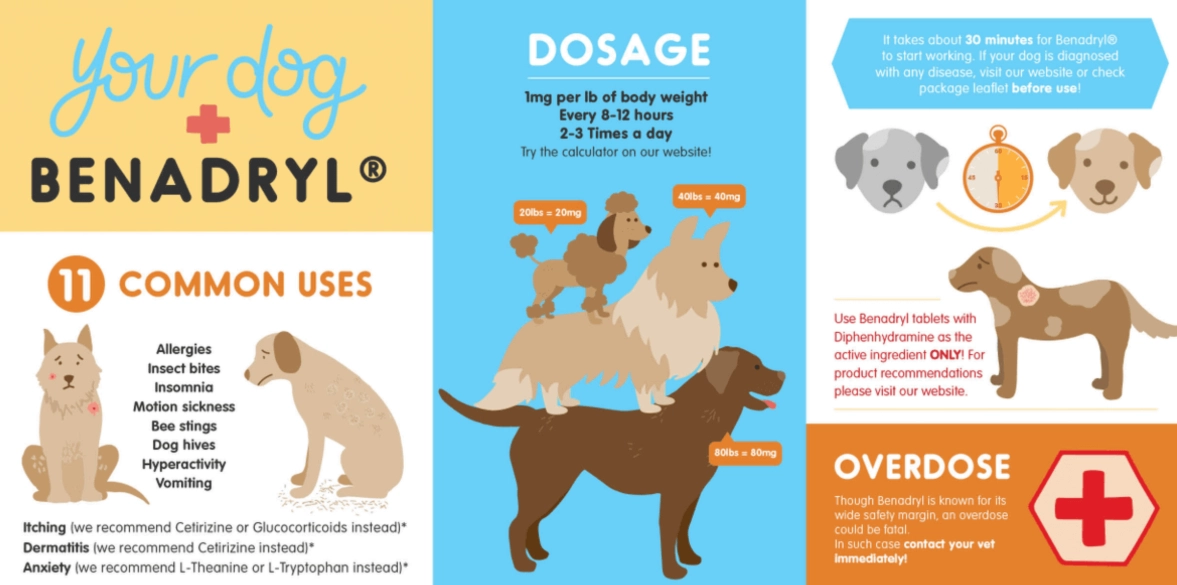
What You'll Find in This Guide
What is Benadryl and Why Use It for Dogs?
The Active Ingredient: Diphenhydramine
Why Veterinarians Sometimes Recommend Benadryl
How to Calculate the Correct Benadryl Dosage
Step-by-Step Dosage Calculation
Important Considerations: Liquid vs. Tablet
Dog's Weight (pounds)
Benadryl Dosage (mg of diphenhydramine)
Common Tablet Form
Approximate Liquid Dose (if 12.5 mg/5 mL)
10 lbs
10 mg
Half of a 25 mg tablet
4 mL (about 0.8 tsp)
25 lbs
25 mg
One 25 mg tablet
10 mL (2 tsp)
50 lbs
50 mg
Two 25 mg tablets
20 mL (4 tsp)
75 lbs
75 mg
Three 25 mg tablets
30 mL (6 tsp)
100 lbs
100 mg
Four 25 mg tablets
40 mL (8 tsp)
Common Uses of Benadryl in Dogs
Allergy Relief: Itching and Hives
Motion Sickness and Anxiety
Other Veterinary Uses
Side Effects and Risks You Need to Know
Common Side Effects
Serious Risks and Contraindications
Administering Benadryl: Practical Tips
FAQs About Benadryl for Dogs
 What should I do if I accidentally gave my dog too much Benadryl?