Can Dogs Eat Potatoes? A Vet's Safety Guide & Feeding Tips
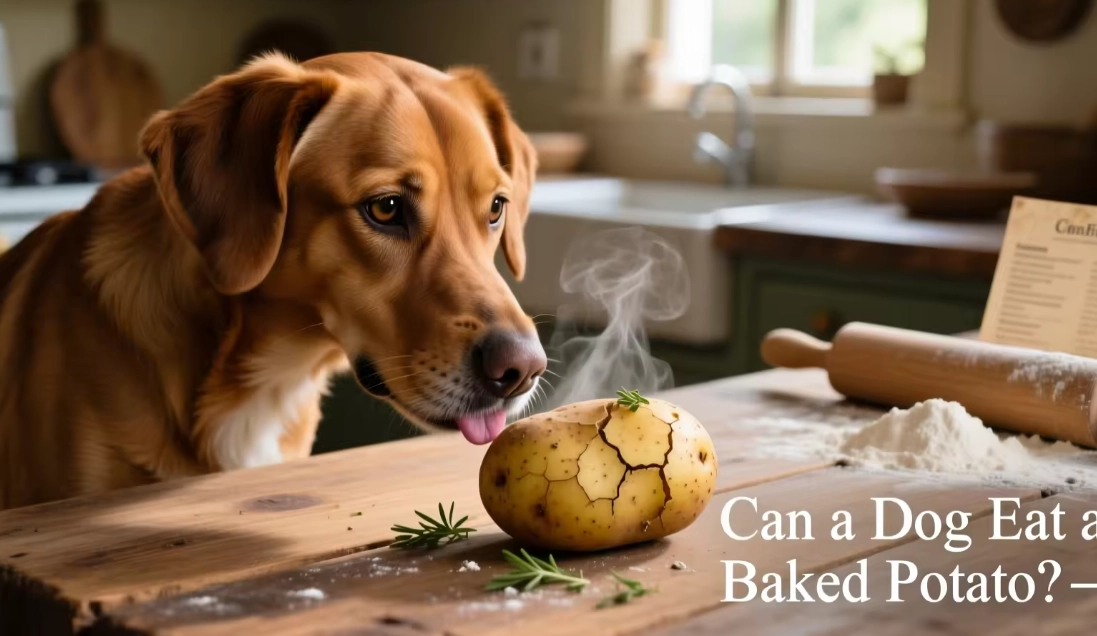
You're holding a baked potato, your dog is giving you the look, and the question pops into your head. Can dogs eat potatoes? The short, messy answer is: it's complicated. A plain, cooked potato? Usually fine in small amounts. A raw potato, potato skins, or fries from your takeout bag? That's a hard no. I've seen too many worried pet owners in the clinic after a well-intentioned snack went sideways. Let's cut through the confusion and talk about what's safe, what's dangerous, and how to handle potatoes if you decide to share.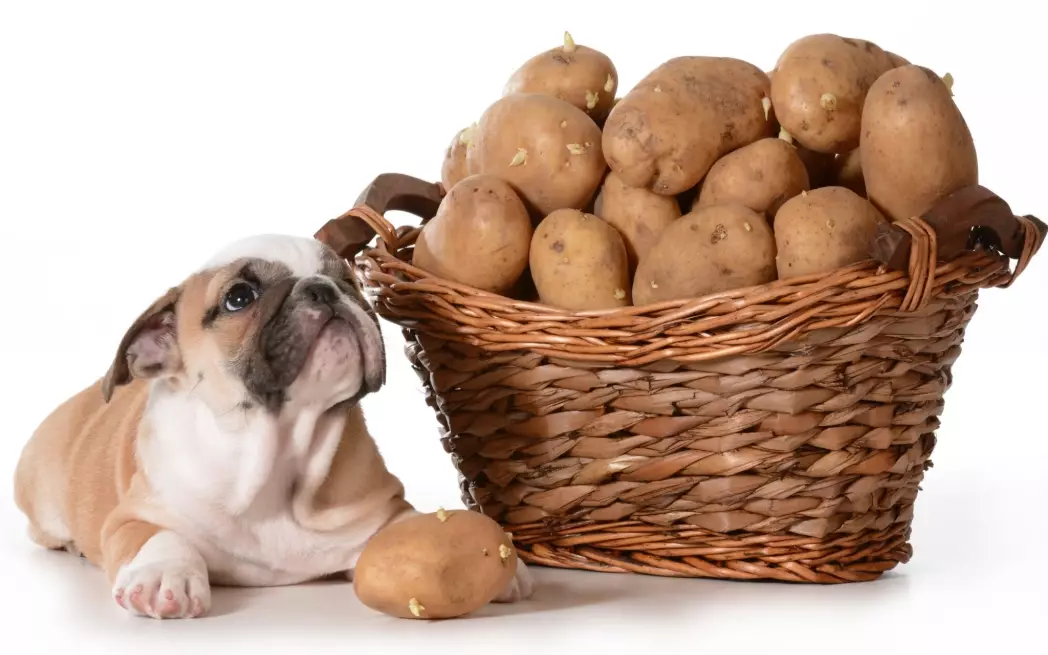
What's Inside This Guide
Are Potatoes Safe for Dogs? The Core Answer
Plain, cooked white or sweet potato flesh, with no added salt, butter, oils, or seasonings, is generally considered non-toxic for dogs. The keyword is "cooked." Cooking neutralizes certain compounds and makes the starches more digestible. Think of it as an occasional treat, not a dietary staple. The portion should be tiny—a couple of small, mashed tablespoons for a medium-sized dog is the absolute max.
Where most people get tripped up is assuming "potato" means the whole vegetable in any form. That's where the danger lies. The safety of potatoes for dogs isn't a yes/no switch; it's a spectrum that depends entirely on preparation, part of the plant, and your dog's own health.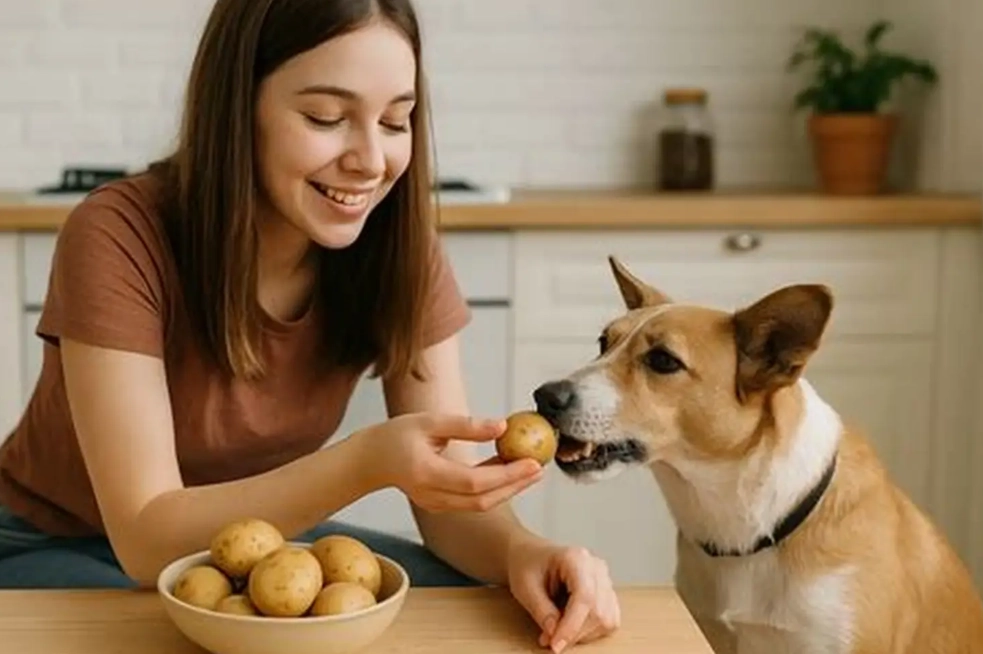
A Personal Note: In my practice, the potato-related scares almost never come from someone deliberately feeding a plain boiled potato. They come from the dog snatching a raw spud from the grocery bag, or an owner not realizing that the leftover garlic mashed potatoes are a double threat. Intent matters, but knowledge matters more.
The Biggest Risks You Need to Know About
Let's break down the specific hazards. If you remember nothing else, remember these three.
Solanine: The Natural Toxin (Especially in Green Potatoes)
Potatoes are part of the nightshade family. They naturally produce solanine, a glycoalkaloid poison, as a defense against insects. This toxin is concentrated in the greening parts of the potato (skin and flesh just underneath), the eyes (sprouts), and the leaves/stems. A raw potato has higher levels than a cooked one.
Solanine poisoning in dogs isn't super common from a single small bite, but it's serious. Symptoms include vomiting, diarrhea, lethargy, confusion, and in severe cases, neurological issues like tremors. The risk is highest with potatoes that have turned green from exposure to light. If a potato has any green on it, don't feed it to your dog—and honestly, you shouldn't eat it either.
Choking and Intestinal Blockage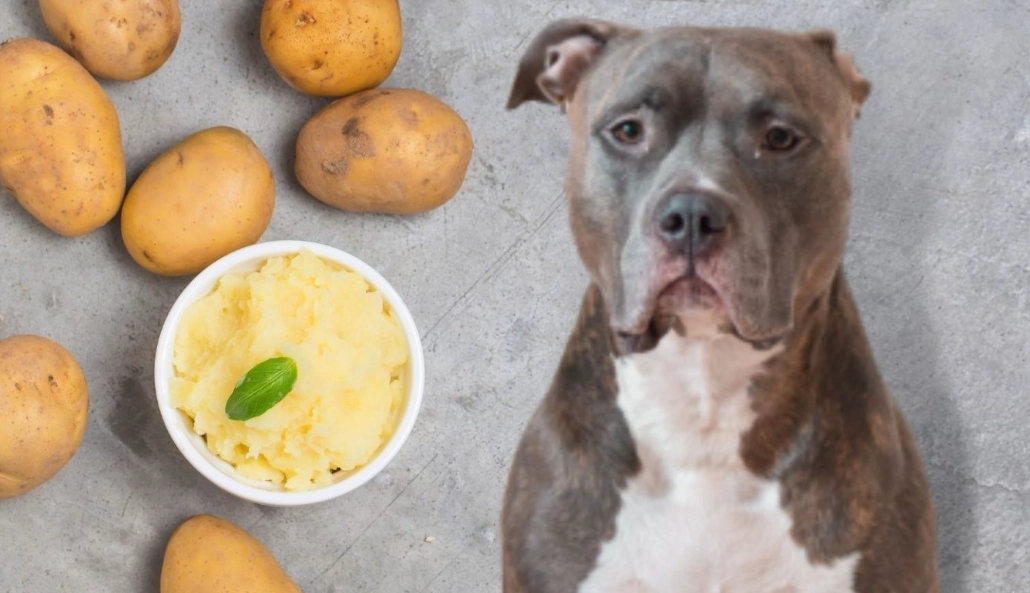
This is a massively under-discussed risk, especially with small dogs or eager gulpers. A raw potato chunk is hard and dense. A cooked potato can be gummy and clumpy. If a dog swallows a piece that's too large, it can lodge in the esophagus or intestines. I once had to surgically remove a blockage from a terrier who'd stolen and swallowed a golf-ball-sized piece of raw potato. Surgery is expensive, risky, and entirely preventable by cutting food into appropriate, pea-sized morsels.
The Carbohydrate and Glycemic Load
This is the subtle, long-term risk everyone overlooks. Potatoes are pure starch. They break down into sugars quickly, causing a rapid spike in blood glucose. For a healthy dog, an occasional tiny treat might be okay. But for overweight dogs or those with diabetes or pancreatitis, even a small amount of potato can disrupt their delicate metabolic balance.
Feeding fatty potato products (like fries or chips) to a dog with a sensitive pancreas is practically asking for a painful and dangerous episode of pancreatitis. The combination of high fat and high carbs is a perfect storm.
How to Safely Prepare Potatoes for Your Dog
If you've weighed the risks and want to give your dog a taste, here's the only safe method. Treat this like a laboratory procedure—deviating from it introduces risk.
- Choose the Right Potato: Pick a plain white or sweet potato. Avoid any with green skin or sprouts. Organic isn't necessary for safety, but it may reduce pesticide residue.
- Wash and Peel: Scrub the potato thoroughly under running water. Then, peel it completely. You're removing the skin where solanine and dirt concentrate.
- Cook Thoroughly: Boiling or baking (plain) are the best methods. Boiling leaches out some of the solanine. Do not add salt, butter, oil, garlic, onions, or any seasonings. Cook until it's soft all the way through.
- Cool and Mash: Let the potato cool to room temperature. Mash it finely. No lumps.
- Serve a Minuscule Amount: This is the critical step. We're talking a teaspoon for a small dog, a tablespoon for a large dog, and only once in a blue moon. Mix it into their regular food to avoid pickiness.
What about sweet potatoes? The process is identical. Sweet potatoes are often touted as healthier due to more fiber and vitamins, but they're still high in carbs. The same strict preparation and portion rules apply.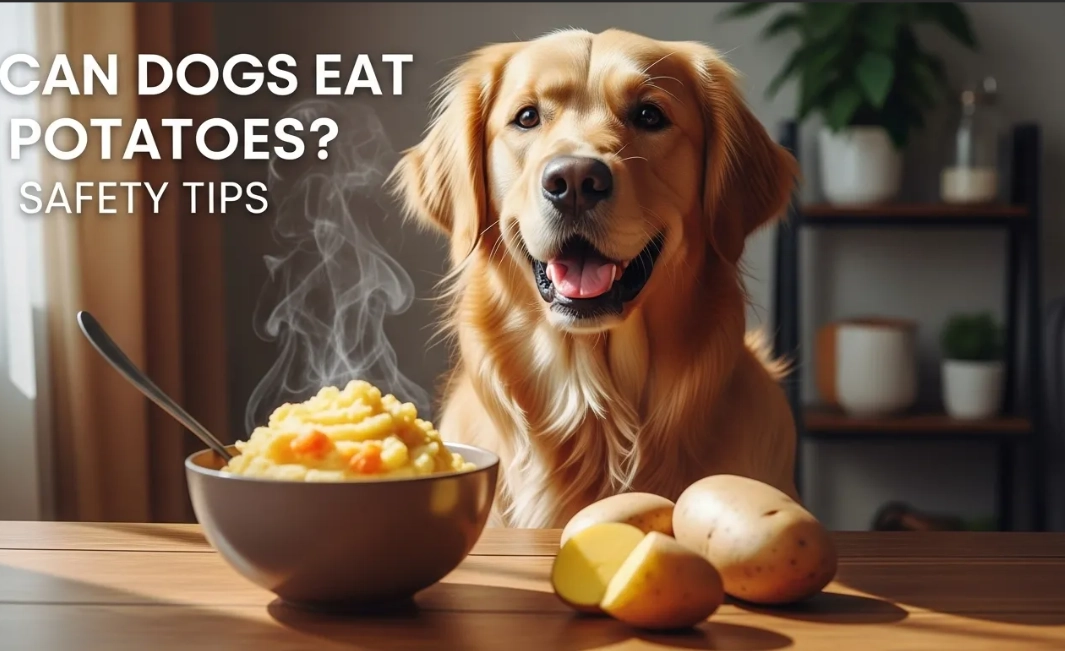
A Quick Guide to Every Potato Form
Not all potatoes are created equal. Here’s a breakdown of common potato products and their safety level.
| Potato Form | Safe for Dogs? | Key Reasons & Notes |
|---|---|---|
| Raw Potato | NO | Highest solanine risk, hard to digest, choking hazard. |
| Plain Boiled/Baked Flesh | YES (with strict rules) | Only if peeled, cooked plain, cooled, and fed in tiny amounts as a rare treat. |
| Potato Skins | NO | Solanine concentrates here. Often cooked with butter, oil, cheese—all bad. |
| French Fries / Chips | NO | Loaded with fat, salt, often cooked in unhealthy oils. Pancreatitis trigger. |
| Mashed Potatoes | Usually NO | Almost always contain butter, milk, salt, sometimes garlic/onion. |
| Potato Salad | NO | May contain onion, mayo, mustard, other unsafe ingredients. |
| Sweet Potato (cooked plain) | YES (same rules) | Follow the same strict prep guidelines as white potatoes. |
| Dehydrated/Sweet Potato Chews | CAUTION | Check for additives. Can be hard, monitor for choking. High in sugar. |
Simple Rule of Thumb: If it's a potato product meant for human enjoyment, it's almost certainly not suitable for your dog. The safe version is boring, plain, and minimal.
Your Top Questions Answered
 So, can dogs eat potatoes? The path to a safe yes is narrow and lined with conditions. Cooked, plain, peeled, minimal, and rare. When in doubt, skip it. Your dog's pleading eyes are powerful, but their long-term health is what matters most. There are plenty of other, safer ways to give them a special bite. If you're ever unsure about a food, the best resource is always your veterinarian or a pet poison helpline like the ASPCA Animal Poison Control Center.
Related Articles