How Long Do Cats Live? The Ultimate Guide to Feline Lifespan
You bring a kitten home, and it feels like they'll be that tiny ball of energy forever. But the years pass, and suddenly you're looking at a dignified senior cat, and the question hits you: how long do cats live? The simple answer is 12-18 years on average, but that number is almost meaningless on its own. It's like asking how long a car lasts—it depends entirely on the model, how you drive it, and the maintenance you provide. I've lived with cats for over two decades, and I've seen some thrive into their early 20s while others faced challenges much earlier. The difference wasn't just luck; it was a combination of genetics, environment, and, crucially, the choices their humans made.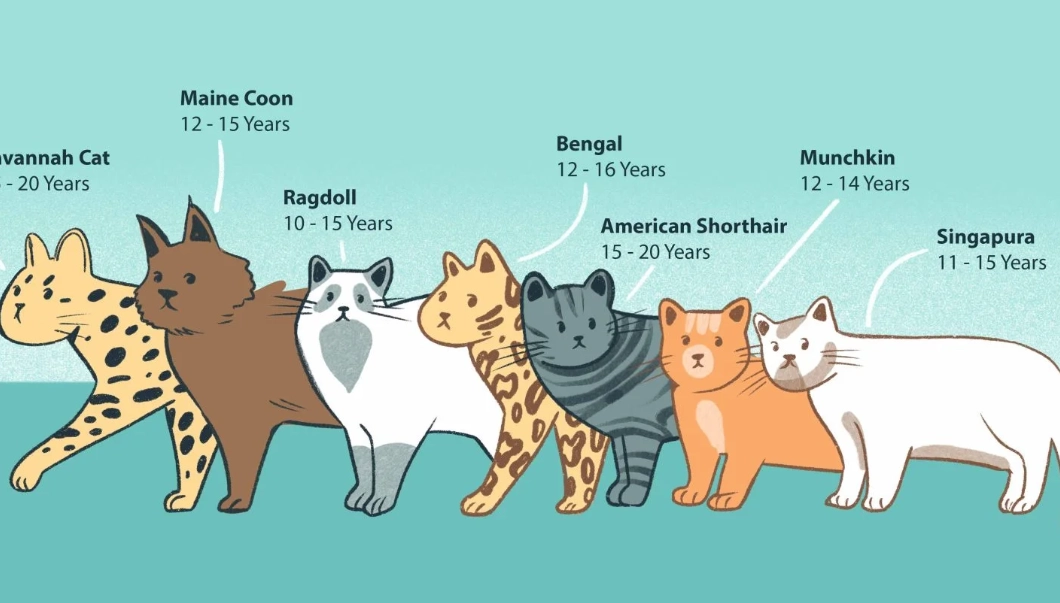
What's Inside This Guide?
The Average Cat Lifespan: More Than Just a Number
Let's get the baseline out of the way. The most cited figure for average cat lifespan is 12 to 18 years. However, this range hides a massive split. Indoor cats consistently live longer, often reaching 15-18 years and beyond. Outdoor cats, facing traffic, predators, disease, and fights, have a significantly shorter average lifespan, often estimated at just 2-5 years. That's not a minor difference; it's the single most impactful factor on how long your cat will live.
The Indoor/Outdoor Divide: This isn't about being overprotective. It's a statistical fact backed by veterinary data. The American Veterinary Medical Association (AVMA) strongly advocates for keeping cats indoors to protect them from these preventable risks. Making your cat an indoor pet is the most powerful decision you can make for their longevity.
Does Breed Matter? A Lifespan Comparison
Absolutely. Purebred cats can be prone to specific genetic conditions that impact their cat lifespan. Mixed-breed cats (domestic shorthairs and longhairs) often benefit from hybrid vigor and tend to be hardier, frequently living into the upper end of the average range. Here’s a look at how some popular breeds typically fare.
| Cat Breed | Typical Lifespan Range | Key Considerations |
|---|---|---|
| Domestic Shorthair/Longhair (Mixed Breed) | 12 - 20+ years | The most common cat. Generally robust with fewer inherited diseases, leading to a often longer, healthier life. |
| Siamese | 15 - 20 years | Known for longevity. Can be prone to dental issues and respiratory conditions. Their vocal nature means they often tell you when something's wrong. |
| Maine Coon | 12 - 15 years | A large, generally healthy breed but has a predisposition to hypertrophic cardiomyopathy (HCM), a heart condition. Regular cardiac screening is advised. |
| Persian | 10 - 17 years | Their flat faces (brachycephaly) cause chronic breathing problems, eye weeping, and dental crowding. Requires daily facial cleaning and dedicated dental care. |
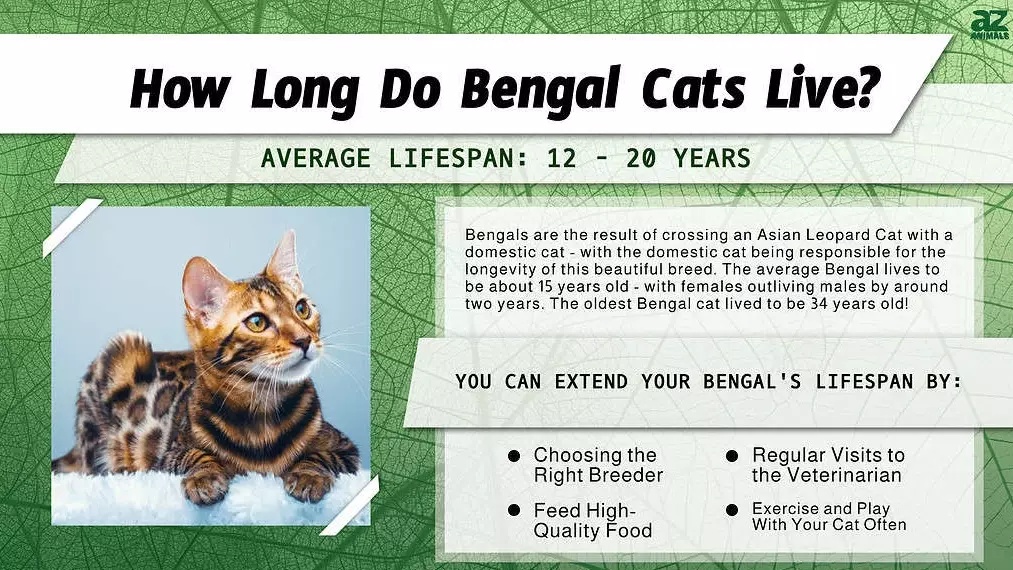
| Bengal | 12 - 16 years | Energetic and active. Some lines may be prone to certain heart diseases. Their high energy needs must be met to prevent behavioral issues. |
| Sphynx | 10 - 15 years | Lack of fur leads to high metabolism and need for warmth. Prone to skin conditions and heart disease (HCM). Requires weekly bathing. |
Remember, these are averages. A well-cared-for Persian can outlive a neglected mixed-breed cat. The breed gives you a clue about what to watch for, not a fixed expiration date.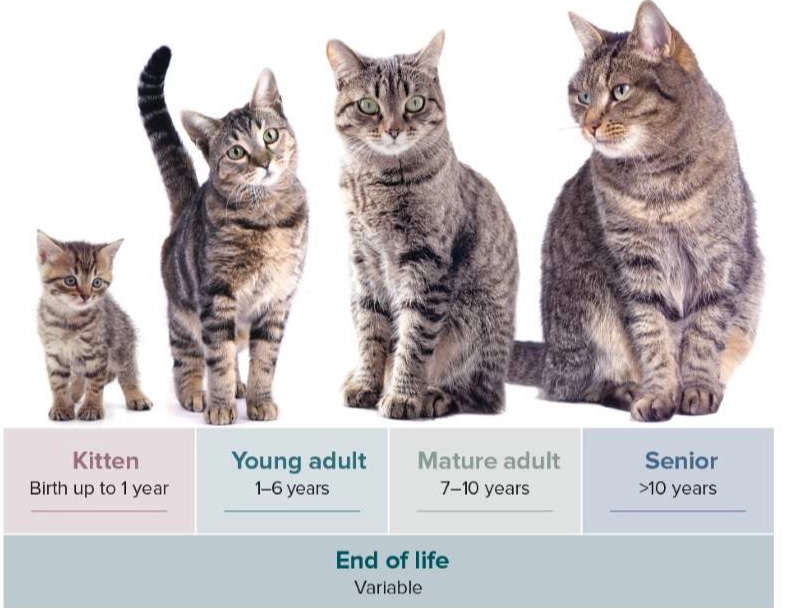
The 5 Key Factors That Determine How Long Your Cat Lives
Beyond genetics, these elements are within your control. Think of them as the pillars of a long feline life.
1. Indoor vs. Outdoor Lifestyle
We've touched on it, but it bears repeating. Keeping your cat indoors eliminates the top causes of premature death. If they crave the outdoors, consider a secure catio (a patio for cats) or harness training for supervised walks.
2. Spaying or Neutering
This isn't just about population control. Fixed cats have a lower risk of certain cancers (mammary, testicular, uterine) and are less likely to roam, fight, or contract contagious diseases like FIV (Feline Immunodeficiency Virus).
3. Nutrition and Weight Management
This is where many owners, with the best intentions, go wrong. Obesity is an epidemic in pet cats and is directly linked to diabetes, arthritis, and liver disease. That "few extra pounds" isn't cute; it's a chronic health burden. I made this mistake with my first cat, thinking he was just big-boned. The vet was blunt: he was obese. Getting him on a measured diet changed his energy levels completely.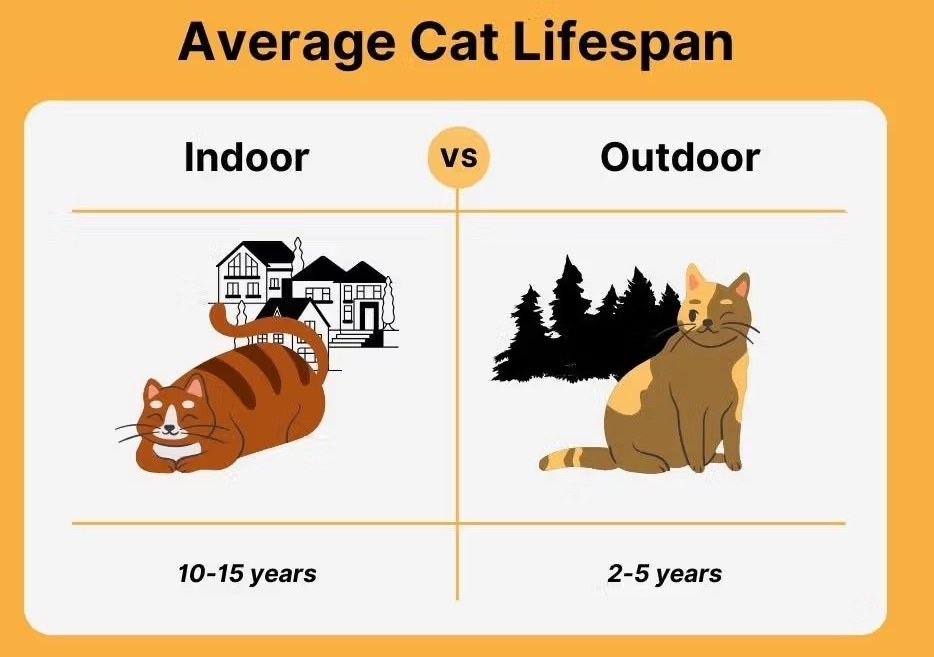
4. Preventive Veterinary Care
Annual check-ups are non-negotiable for adult cats, bi-annual for seniors. Vaccinations, parasite control (fleas, ticks, worms), and early disease detection are priceless. Blood work at these visits can spot kidney disease or hyperthyroidism years before symptoms appear.
5. Dental Health
This is the most commonly overlooked factor. Dental disease isn't just about bad breath. Bacteria from the mouth enter the bloodstream, damaging the kidneys, heart, and liver. Regular brushing (yes, really) or dental treats and chews approved by the Veterinary Oral Health Council (VOHC) are essential.
How to Help Your Cat Live a Longer, Healthier Life
Actionable steps beat vague advice every time. Here’s your longevity checklist.
Environmental Enrichment is Healthcare. Boredom and stress kill. Provide vertical space (cat trees, shelves), scratching posts, puzzle feeders, and regular play sessions. A stimulated cat is a happy, healthy cat.
Master Portion Control. Follow feeding guidelines on food bags, but adjust for your cat's activity level. Use a kitchen scale for accuracy. Ditch the all-day buffet bowl.
Choose Food Wisely. Look for foods where a named animal protein (like chicken, salmon) is the first ingredient. Consult your vet about life-stage appropriate food—kitten, adult, senior. The experts at Cornell Feline Health Center provide excellent resources on feline nutrition.
Don't Skip the Litter Box. Scoop daily, clean fully weekly. Changes in urination or defecation habits are often the first sign of illness (kidney disease, diabetes, UTI).
Reduce Stress. Cats are creatures of habit. Use pheromone diffusers (like Feliway) during changes, provide hiding spots, and ensure multi-cat households have enough resources (one litter box per cat, plus one extra).
Recognizing and Caring for Your Senior Cat
Cats are generally considered seniors around age 11. This is when your care strategy needs to shift.
Watch for subtle changes: Increased sleeping, slight weight loss, increased thirst, changes in grooming habits (a matted coat can signal arthritis), vocalizing at night, or confusion. These aren't just "old age"; they're symptoms to discuss with your vet.
Adapt their environment: Provide ramps to favorite perches, raised food and water bowls, orthopedic beds, and ensure litter boxes have low sides for easy entry.
Increase vet visits: Twice-yearly check-ups with blood and urine tests become critical to manage age-related conditions early.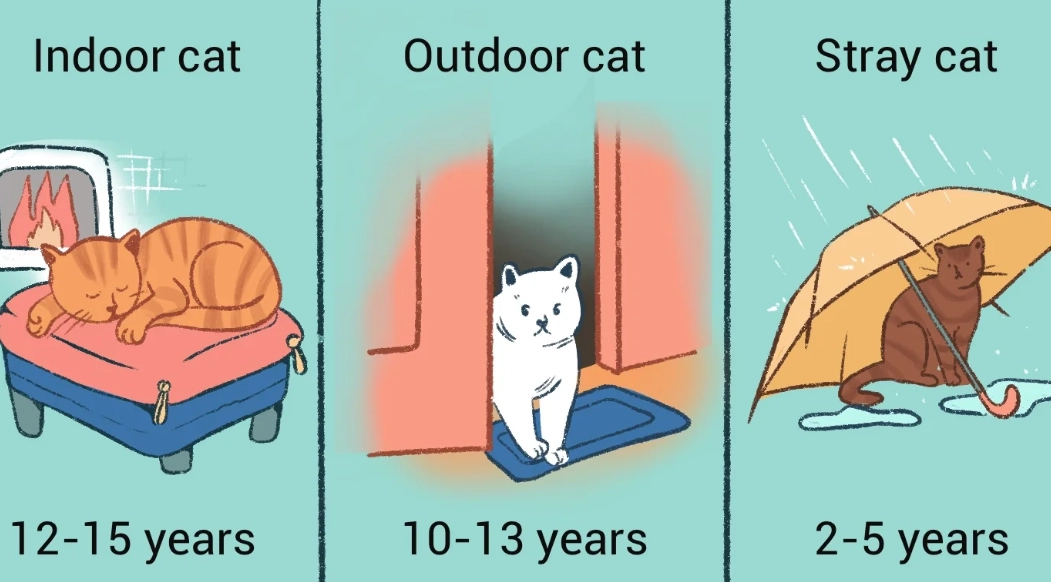
Your Cat Lifespan Questions, Answered
 Are there any supplements proven to extend a cat's lifespan?
So, how long do cats live? The truest answer is: as long as you can help them to. It's a partnership. By understanding the risks, committing to preventive care, and providing a loving, stimulating, and safe environment, you're not just adding years to their life—you're adding life to their years. Start with the biggest win: make them an indoor cat if they aren't already. Then, book that vet check-up you've been putting off. Your future senior cat will thank you.
Related Articles