What Vegetables Can Dogs Eat? A Vet-Approved Guide to Safe & Healthy Choices
You're chopping carrots for dinner, and those puppy-dog eyes are locked on you. The question pops into your head: what vegetables can dogs eat? Is this carrot stick a healthy treat or a mistake? The short answer is yes, many vegetables are fantastic for dogs, packed with vitamins, fiber, and antioxidants. But it's not a free-for-all. Getting it wrong can mean an upset stomach or, in rare cases, a trip to the emergency vet. After a decade of owning dogs and consulting with vets, I've seen the good, the bad, and the messy. This guide cuts through the noise, giving you a clear, actionable list of safe vegetables, precise preparation methods most guides gloss over, and the critical mistakes to avoid.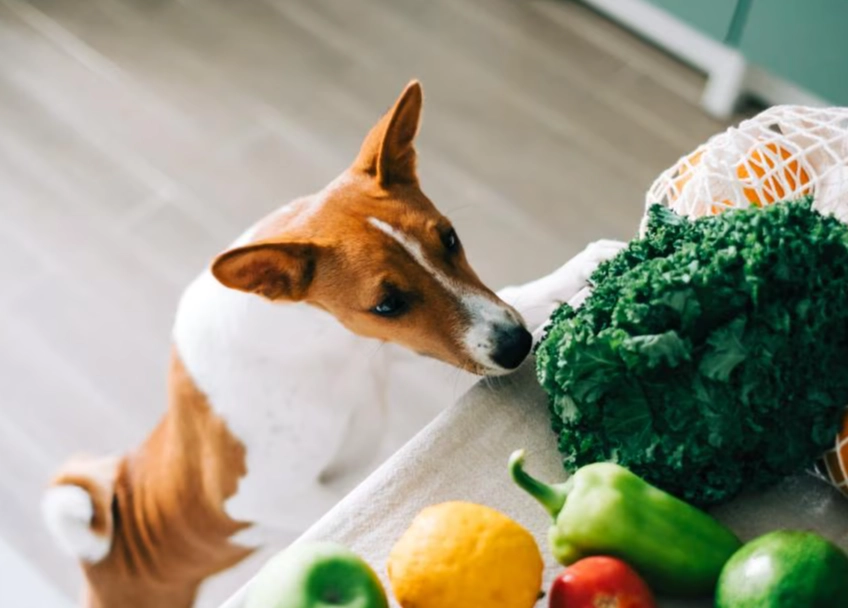
Your Quick Guide to Dog-Safe Veggies
- What Vegetables Are Safe for Dogs? (The Definitive List)
- How to Prepare Vegetables for Your Dog: Why Cooking & Chopping is Non-Negotiable
- Vegetables That Are Dangerous or Toxic for Dogs
- How Much Is Too Much? Figuring Out the Right Portion Size
- Your Dog & Veggies: Answered by a Canine Nutrition Consultant
What Vegetables Are Safe for Dogs? (The Definitive List)
Let's get straight to it. Not all vegetables are created equal in a dog's world. Some are superfoods, others are just okay in small doses, and a few are absolute no-gos. I've organized them based on safety and nutritional bang for your buck. A common pitfall I see is owners feeding veggies like celery or green beans whole, which is a choking hazard we'll address later.
Top Safe Vegetables for Dogs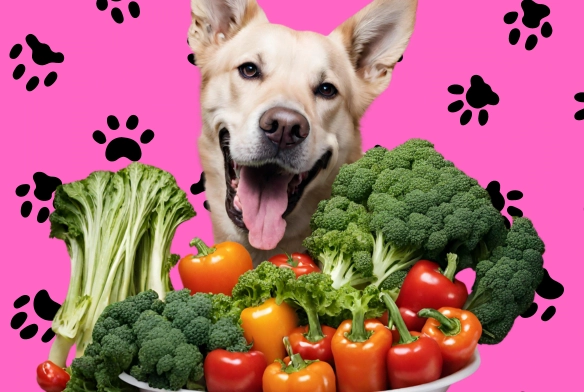
These are the all-stars. Low risk, high reward when prepared correctly.
| Vegetable | Key Benefits | Best Way to Serve | My Dog's Verdict |
|---|---|---|---|
| Carrots | Crunchy, great for teeth. High in beta-carotene (Vitamin A) and fiber. | Raw, grated or in thin sticks. Cooked and mashed or pureed for older dogs. | Luna, my Labrador, goes crazy for frozen carrot sticks in summer. It's her favorite cheap chew toy. |
| Green Beans | Low-calorie, high-fiber filler. Perfect for weight management. | Plain, steamed or boiled (no salt). Chopped into bite-sized pieces. | A lifesaver when Luna was on a diet. She felt full, and I felt less guilty about smaller kibble portions. |
| Sweet Potatoes | Excellent source of dietary fiber, Vitamin B6, Vitamin C, and beta-carotene. | Always cooked – baked, steamed, or boiled. Never raw. Mash or cube. | I mix a spoonful of mashed sweet potato into her food. It helps with digestive regularity, honestly. |
| Pumpkin (plain, canned) | The ultimate digestive aid. Soluble fiber can help with both diarrhea and constipation. | Plain canned pumpkin (not pie filling). 1-4 tbsp mixed into food. | This is my go-to home remedy for minor tummy troubles. It works more often than not. |
| Broccoli Florets | Packed with vitamins C and K. Contains fiber and antioxidants. | In very small amounts. Steamed or boiled to aid digestion and reduce isothiocyanates. | Luna will eat it, but she's not thrilled. I give it sparingly, maybe one small floret per week. |
| Spinach | Rich in iron, vitamins A, C, and K. | Steamed and chopped. Fed in moderation due to oxalates. | I blend a tiny bit into a homemade food puree. On its own, she ignores it. |
Vegetables to Give in Moderation
These are fine occasionally but come with caveats. The biggest mistake here is overfeeding.
Cucumber: Fantastic low-calorie snack. But slice it thin or chop it. A big chunk can cause gagging.
Celery: Often recommended for fresh breath, but the stringy fibers are a serious choking risk. You must chop it finely—I'm talking pea-sized pieces.
Zucchini / Courgette: Mild and easy to digest when cooked. Raw can be a bit hard on their system. I usually steam and dice it.
Peas: Green peas, snow peas, sugar snap peas are generally safe. Avoid canned peas with added sodium. A handful is plenty.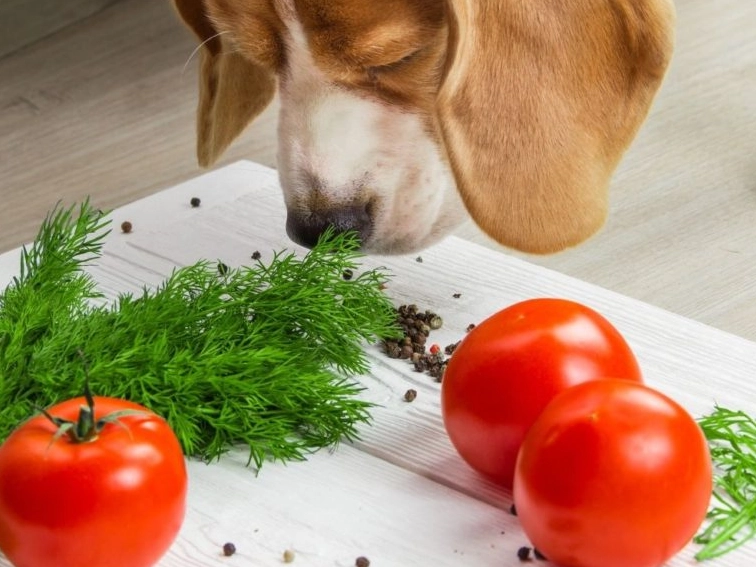
Pro Tip from Experience: Introduce any new vegetable one at a time and in a tiny amount. Wait 24 hours to check for any adverse reactions like gas, loose stools, or itching. Luna once had an oddly soft stool after trying Brussels sprouts for the first time—we haven't revisited those.
How to Prepare Vegetables for Your Dog: Why Cooking & Chopping is Non-Negotiable
This is where most well-meaning owners slip up. Giving your dog a whole baby carrot or a green bean straight from the bag is asking for trouble. Dogs don't chew their food like we do; they often swallow chunks whole.
Chopping is Crucial: Always cut vegetables into pieces smaller than your dog's kibble. This prevents choking and aids digestion. For a large dog, that might be a 1/2-inch cube. For a small dog, think diced, pea-sized.
To Cook or Not to Cook? For most vegetables, light cooking (steaming, boiling without salt/seasoning) is superior. It breaks down tough cell walls, making nutrients more bioavailable and the veggie easier to digest. Raw broccoli or cauliflower is much harder on a dog's stomach than lightly steamed versions. Sweet potatoes and pumpkin must be cooked.
What About Frozen? Frozen vegetables like peas, green beans, or carrot pieces are excellent. They're often flash-frozen at peak freshness. Just thaw or lightly cook them first. I use frozen green beans as convenient, pre-chopped treats.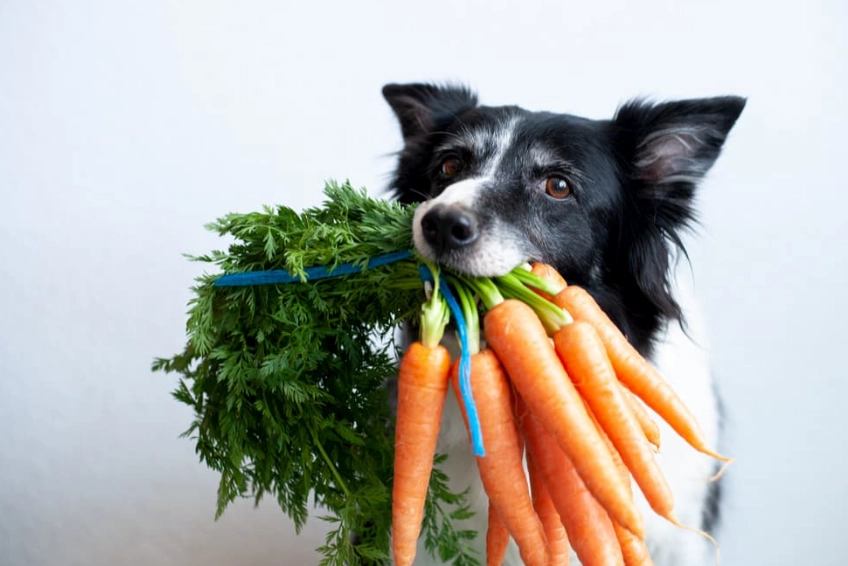
Vegetables That Are Dangerous or Toxic for Dogs
This list is short but critical. Never gamble with these.
🚨 The Absolute No-Go List:
Onions, Garlic, Chives, Leeks, Shallots: All allium family members. They cause oxidative damage to red blood cells, leading to hemolytic anemia. This includes powdered, cooked, raw, and in broths. Garlic toxicity is dose-dependent, but why risk it? I don't give any, period.
Mushrooms (Wild/Cultivated): While store-bought white mushrooms might not be acutely toxic, the risk is too high. Wild mushrooms can be deadly, and it's impossible for most to tell the difference. The safest policy is a complete ban.
Raw Potatoes: Contain solanine, which can be toxic to dogs. Green potato skins are especially high in it. Cooked plain potato is okay in tiny amounts, but it's starchy and not particularly beneficial—sweet potato is a far better choice.
Rhubarb: The leaves are highly toxic, containing oxalic acid which can cause kidney failure. The stalk isn't much better. Just keep it out of the kitchen when your dog is around.
For the most authoritative and comprehensive list of toxic plants, always refer to the ASPCA (American Society for the Prevention of Cruelty to Animals) Animal Poison Control Center website. Bookmark it.
How Much Is Too Much? Figuring Out the Right Portion Size
Even safe vegetables can cause issues if you overdo it. A sudden influx of fiber leads to gas and diarrhea—trust me, you'll notice.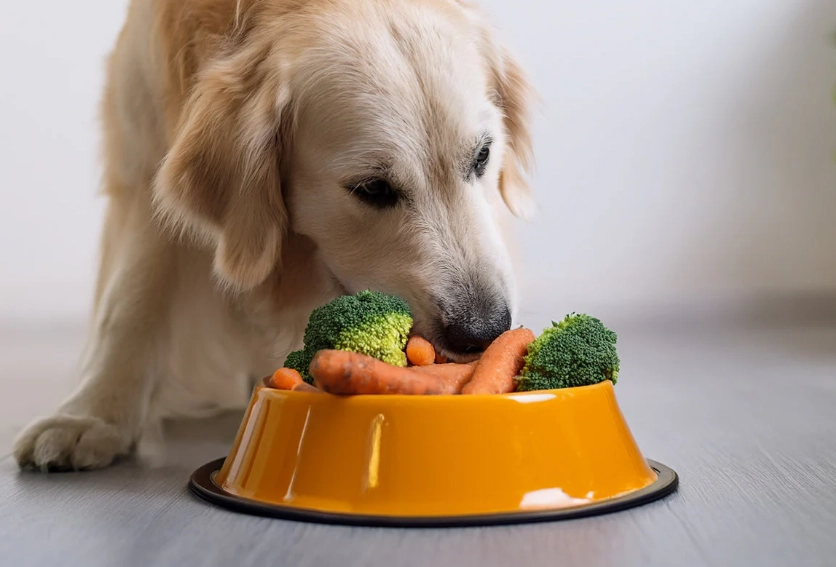
The golden rule: Vegetables should only ever be a treat or supplement, not a meal replacement. They should make up no more than 10% of your dog's total daily caloric intake. For most dogs, that translates to:
Small dogs (under 20 lbs): 1-2 tablespoons of prepared veggies per day.
Medium dogs (20-50 lbs): 2-4 tablespoons per day.
Large dogs (50+ lbs): 1/4 to 1/2 cup per day.
Start with half that amount and see how your dog's digestion handles it. My 70-pound Lab gets about a third of a cup of mixed veggies (carrot, green bean, pumpkin) mixed into her evening meal. It's worked for years.
Think of vegetables as a dietary enhancer, not a staple. Their primary nutrition must come from a high-quality, balanced commercial dog food that meets AAFCO standards or a vet-designed homemade diet.
Your Dog & Veggies: Answered by a Canine Nutrition Consultant
My dog ate a small piece of onion that fell on the floor. Should I panic?
Don't panic, but be vigilant. A single, small piece likely won't cause acute poisoning in a large dog, but it's not harmless. The toxin accumulates. Note the date and amount. Watch for symptoms over the next few days: lethargy, reduced appetite, orange-tinged urine, or pale gums. If you see any of these, call your vet immediately. For a small dog or a larger ingested amount, call your vet or pet poison helpline right away for advice. The takeaway? Sweep the floor diligently when cooking with onions.
Are canned vegetables safe for dogs?
It depends entirely on the contents. The only canned vegetable I routinely recommend is plain, canned pumpkin (not pumpkin pie mix, which has sugar and spices). Most other canned vegetables are loaded with added sodium, which is bad for dogs. Some may have added flavors or preservatives. Fresh or frozen, plain vegetables are always a safer and healthier bet. If you must use canned, look for "no salt added" varieties and rinse them thoroughly under water.
 My dog has kidney disease. Are vegetables still okay?
This changes everything. You must consult your veterinarian. Many vegetables, especially those high in phosphorus or potassium (like spinach, sweet potato, pumpkin), may need to be severely restricted or avoided based on your dog's specific bloodwork. Your vet or a veterinary nutritionist will give you a tailored list. Never guess with kidney issues.
What's the best vegetable for a dog with a sensitive stomach?
Hands down, plain, canned pumpkin is the top contender. Its soluble fiber is incredibly gentle and regulating. Start with a teaspoon for small dogs or a tablespoon for large dogs mixed into their regular food. Boiled, plain white rice is a classic for upset stomachs, but it's a grain, not a vegetable. For a veggie, well-cooked, mashed sweet potato or carrot can also be gentle introductions once the stomach has settled.
Can I make homemade dog food with just vegetables and meat?
Absolutely not. This is a dangerous misconception. A diet of only meat and vegetables will be deficient in calcium, essential fatty acids, and several key vitamins and minerals, leading to severe health problems like metabolic bone disease. Any homemade diet must be formulated by a board-certified veterinary nutritionist to be complete and balanced. Vegetables are a supplement to such a diet, not its foundation.
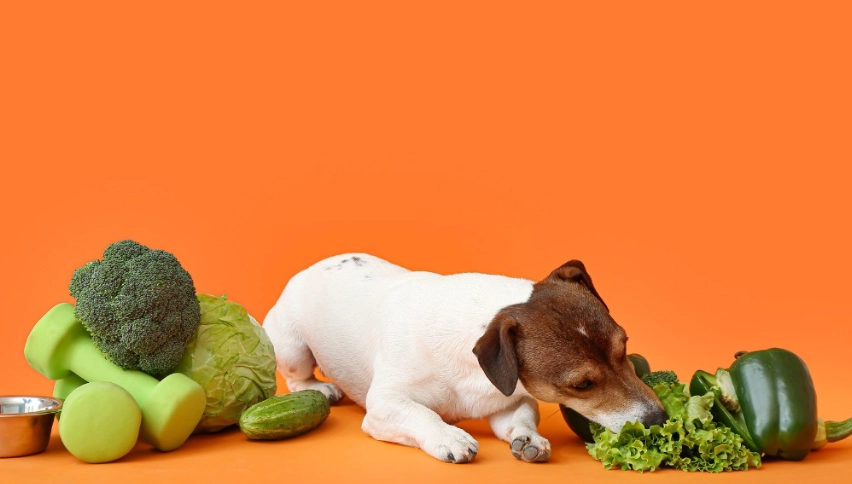 So, the next time your dog gives you the look, you can confidently reach for a carrot stick (chopped, of course). Knowing what vegetables can dogs eat opens up a world of healthy, low-calorie treats and dietary boosts. It’s about smart choices, meticulous preparation, and keeping those dangerous foods far out of reach. Start small, observe your dog, and enjoy the process of adding a little wholesome, green variety to their bowl.
Related Articles