How Long Are Dogs in Heat? The Complete Heat Cycle Guide
If you're a dog owner, especially of an intact female, understanding the heat cycle is crucial. It's not just about a timeline; it's about knowing what's happening in your dog's body, how her behavior changes, and what you need to do to keep her safe and comfortable. The short answer to "how long" is typically 2 to 4 weeks, but that's just the visible tip of the iceberg. The entire cycle is more complex, and getting it wrong can lead to an unwanted litter or missed signs of a health problem. I've been through this with several dogs over the years, and the advice you often find online glosses over the messy, real-world details.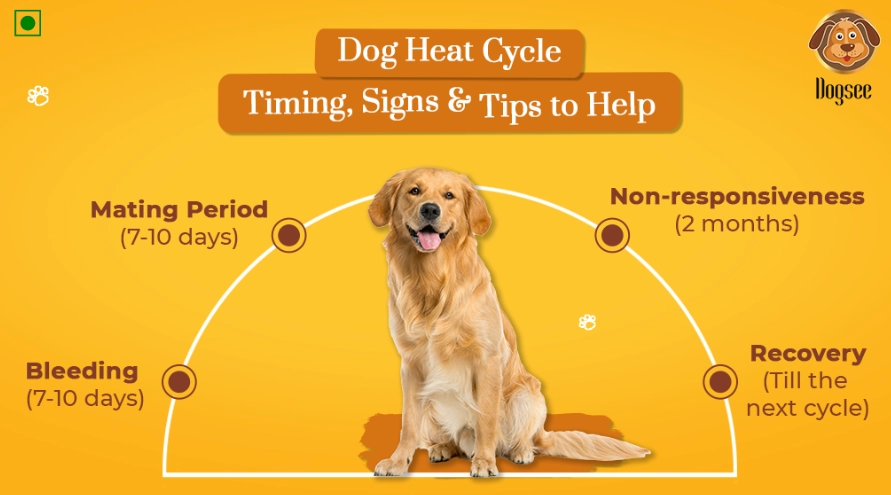
What's in this guide?
Understanding the Canine Heat Cycle: The Four Stages
Thinking of "heat" as one event is the first mistake new owners make. It's a process with distinct phases, each with its own hormonal profile and physical signs. The American Kennel Club (AKC) outlines these stages clearly, but in practice, the lines between them can be blurry.
Stage 1: Proestrus (The "Getting Ready" Phase)
This is the start. You'll see a swollen vulva and a bloody or straw-colored discharge. This is the phase where everyone notices "something's up." But here's the key point many miss: your dog is not receptive to males yet. She might be more affectionate or a bit standoffish, but if a male dog approaches, she'll likely snap or move away. This phase typically lasts 7 to 10 days. The discharge can be light or surprisingly heavy. For a light-colored dog, you might be doing a lot of cleaning. I remember using old sheets on the furniture during this time.
Stage 2: Estrus (The Actual "Heat" or Fertile Window)
This is the stage most people mean when they say "in heat." The discharge often lightens in color (becoming more pinkish) and reduces. The critical change is behavioral: she becomes receptive to males. She'll flag her tail to the side when touched near her rear. This is the only time she can get pregnant, and it usually lasts 5 to 9 days, but can vary. Ovulation happens during this period. This is when your vigilance needs to be absolute—no off-leash walks, no unsupervised time in the yard.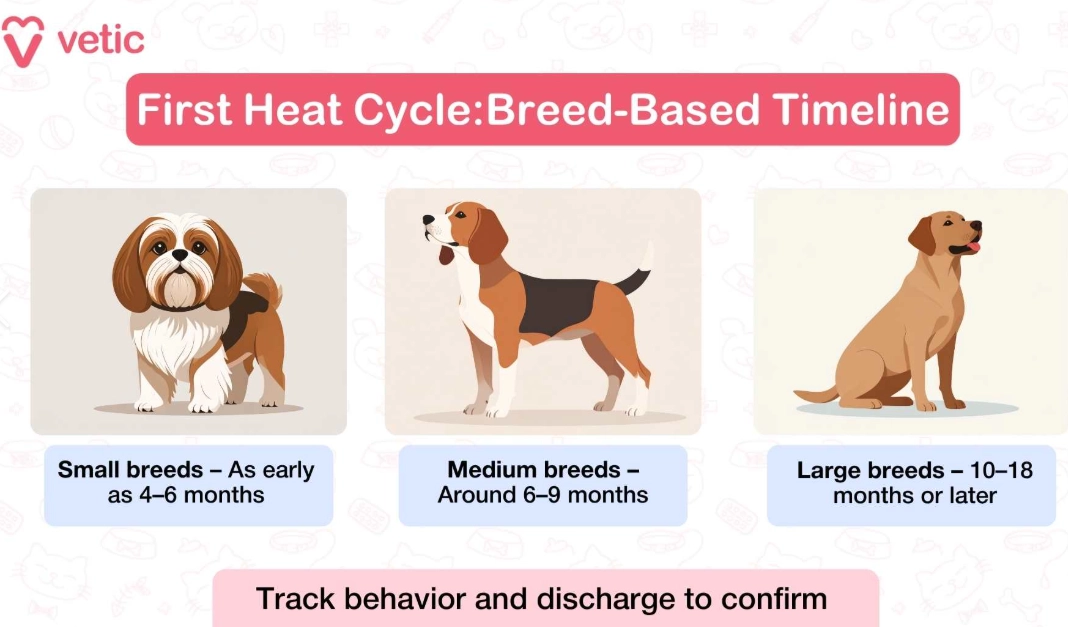
Breed & Size Matter: Smaller breeds like Chihuahuas or Toy Poodles can go into heat as early as 4 months and have more frequent cycles (sometimes every 4-5 months). Larger breeds like Great Danes or Saint Bernards may not have their first heat until 18-24 months and cycle less often, about every 12-18 months.
Stage 3: Diestrus
The receptive behavior stops. Whether pregnant or not, her body acts as if it is for the next 60 days or so. Hormone levels shift. Physically, the vulva swelling goes down. This phase is often uneventful, but some dogs experience a "false pregnancy," where they show nesting behavior, milk production, and even mother toys. It usually resolves on its own but can be confusing for owners.
Stage 4: Anestrus
The resting period. This is the long stretch of hormonal inactivity between cycles, lasting 4 to 5 months on average. Nothing notable happens here, and it's the phase where your dog is just being her normal self.
How Long Does Each Stage Actually Last?
So, back to the core question. The total time from first signs (proestrus) to the end of receptivity (estrus) is what owners practically experience as "heat." That's your 2 to 3 weeks. But it's not a fixed number. Let's break it down with a real-world scenario.
Take a 3-year-old Labrador Retriever. Her proestrus (bleeding) might last 9 days. Then she enters estrus (receptive) for 7 days. That's 16 days total, or just over two weeks. Now, a friend's Border Collie might have a 6-day proestrus and a 9-day estrus, totaling 15 days. The variation is normal. The biggest mistake is assuming the fertile period ends when the bleeding stops. Often, it's just beginning. Tracking the physical signs (vulva softening, tail flagging) is more reliable than counting days on a calendar.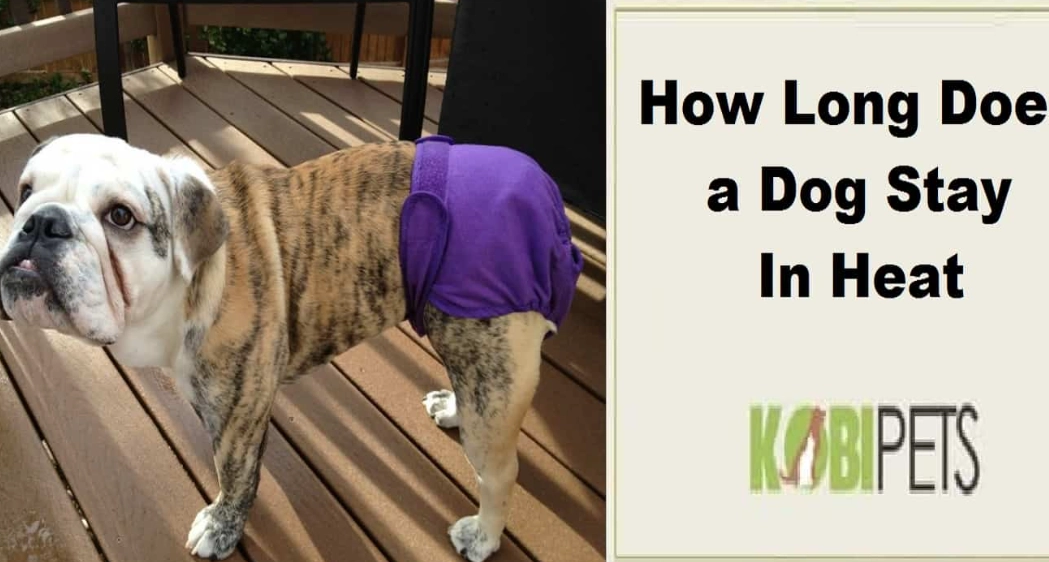
Heads Up: The "silent heat" is a curveball. Some dogs, especially young ones having their first cycle, show minimal swelling and almost no visible discharge. You might not notice anything until male dogs are suddenly very interested in your backyard. If your intact female is acting differently but you see no blood, don't rule out a silent heat.
How to Care for Your Dog During Her Heat?
This is where theory meets the messy reality. It's not just about duration; it's about management.
Containment is Non-Negotiable. Your yard fence is not enough. Determined male dogs can and will find a way. Keep her on a leash for all bathroom breaks, even in a fenced area. Walks should be at odd hours or in less frequented places to avoid encounters.
Hygiene at Home. Doggy diapers or reusable belly bands are lifesavers. They protect your carpets and furniture. Make sure to change them frequently to prevent skin irritation or urinary tract infections. You can also use washable blankets on her favorite sleeping spots.
Comfort and Distraction. She might feel lethargic or restless. Provide a quiet, comfortable space. Some dogs appreciate gentle brushing. Stick to her normal diet; there's no need for special food unless your vet advises otherwise. A bit of extra patience goes a long way—her hormones are on a rollercoaster.
One thing I learned the hard way: even the sweetest, most obedient dog can become a master escape artist when in estrus. Reinforce door manners and be extra careful when guests come and go.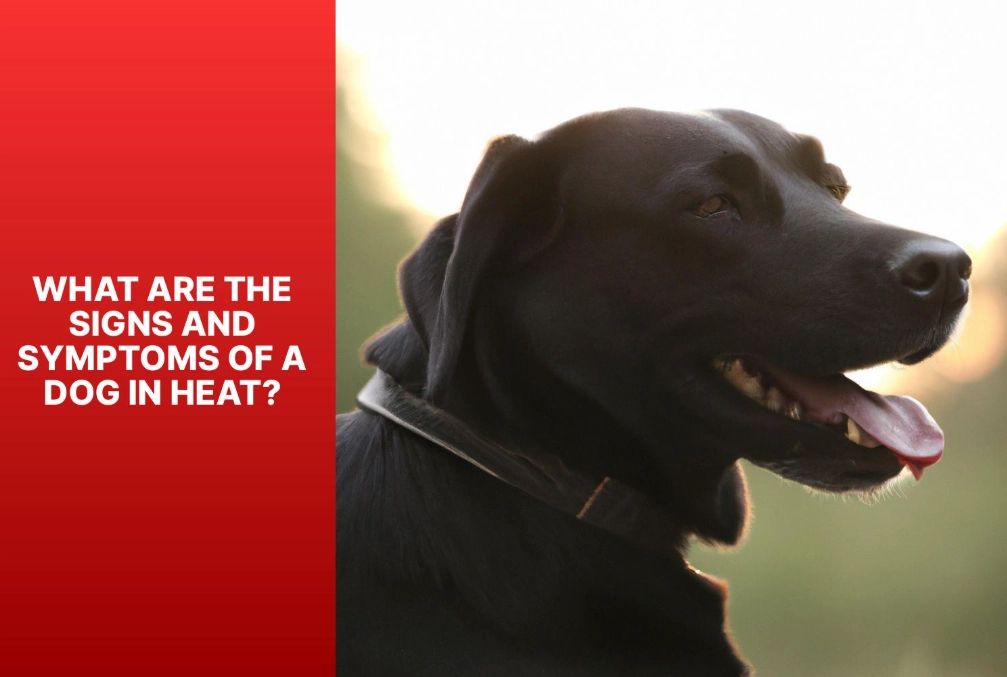
Should You Spay Your Dog? Weighing the Pros and Cons
This question inevitably comes up when dealing with heat cycles. It's a personal decision that should be made with your vet, but let's cut through the noise.
Pros of Spaying: It eliminates heat cycles, mess, and the risk of an unwanted pregnancy. It nearly eliminates the risk of pyometra (a life-threatening uterine infection common in older, unspayed dogs) and greatly reduces the risk of mammary cancer if done before the first or second heat.
Cons & Considerations: Spaying is a major surgery. Some studies, like those referenced by the American Veterinary Medical Association (AVMA), suggest potential links between early spaying and an increased risk of certain orthopedic conditions or cancers in some large breeds. The timing is debated. Many vets now recommend waiting until after the first heat for large-breed dogs to allow for proper hormonal development, but this means you must manage one cycle.
There's no one-size-fits-all answer. If you have no plans for responsible breeding, spaying is generally the recommended path for population control and long-term health. Discuss the optimal timing for your dog's breed, size, and lifestyle with a trusted veterinarian.
Your Top Heat Cycle Questions Answered
 What's the least messy way to handle the discharge?
Related Articles