Shar Pei Dog Breed Guide: History, Care, Health & Personality
Your Wrinkly Companion: A Quick Tour
- Where Did the Shar Pei Even Come From? A Quick History Lesson
- Shar Pei Personality: Not Your Typical Velcro Dog
- The Wrinkles: Cute, But High Maintenance
- Shar Pei Health: What You Need to Watch For
- Training Your Shar Pei: Patience is Not a Virtue, It's a Requirement
- Feeding Your Shar Pei: More Than Just Kibble
- Is a Shar Pei Dog Right for You? The Honest Checklist
- Finding a Responsible Shar Pei Breeder or Rescue
- Common Shar Pei Questions (Answered Honestly)
- Final Thoughts: It's a Commitment, Not a Whim
So you're thinking about getting a Shar Pei dog? Let's be real for a second. You've probably seen those adorable, squishy-faced puppies covered in rolls and thought, "I need that in my life." I get it. I felt the same way years ago. But here's the thing nobody tells you right away: those famous wrinkles come with a whole manual of instructions, and the personality inside them is... unique, to say the least. This isn't your average, eager-to-please labrador.
Owning a Shar Pei is a specific kind of adventure. It's rewarding, for sure, but it's also a commitment to understanding a dog that thinks for itself, has a fascinating (and kinda brutal) history, and needs you to pay close attention to its health. This guide isn't just a fluffy overview. We're going to dig into everything—the good, the challenging, the expensive vet visits, and the moments of pure, loyal companionship that make it all worth it. By the end, you'll know if your lifestyle is a match for this one-of-a-kind breed.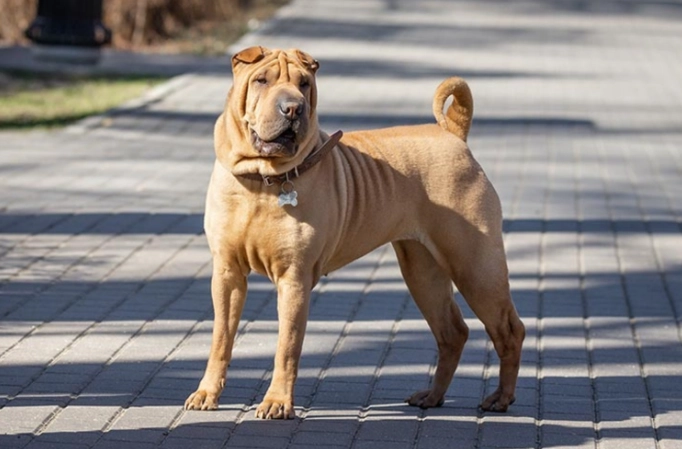
Where Did the Shar Pei Even Come From? A Quick History Lesson
To understand the Shar Pei dog of today, you gotta look way back. We're talking ancient China, possibly the Han Dynasty (around 200 BC). That's a long time for a breed to develop its quirks. Originally, they weren't just cute companions. Far from it. They were working dogs for peasants, used for guarding, herding, and, unfortunately, dog fighting. Their loose, prickly skin and scowling expression were practical adaptations—if another animal bit them, they could still twist and fight back, and those wrinkles made it harder to get a hold of vital organs. It's a tough origin story.
The breed almost didn't make it to the modern era. After the Communist revolution in China, dog ownership became a luxury tax, and the Shar Pei population plummeted. In the 1970s, a handful of dedicated breeders, alarmed by the breed's potential extinction, managed to get some dogs to Hong Kong and then to the United States. The American Kennel Club (AKC) officially recognized the breed in 1992. It's wild to think that the wrinkly dogs we see now descended from such a small genetic pool. This history explains a lot about their independent and protective nature—it's literally bred into them.
Fun Fact: "Shar Pei" (沙皮) literally translates to "sand skin" in Cantonese, referring to their uniquely harsh, bristly coat. It's not soft! It's meant to feel rough, almost like sandpaper. There's also a less common "horse coat" (shorter) and a "brush coat" (slightly longer) variety.
Shar Pei Personality: Not Your Typical Velcro Dog
Alright, let's talk about what it's actually like to live with one. If you want a dog that follows you from room to room, hangs on your every word, and is friends with every person and dog at the park, a Shar Pei might disappoint you. They're often described as "cat-like," and it's surprisingly accurate.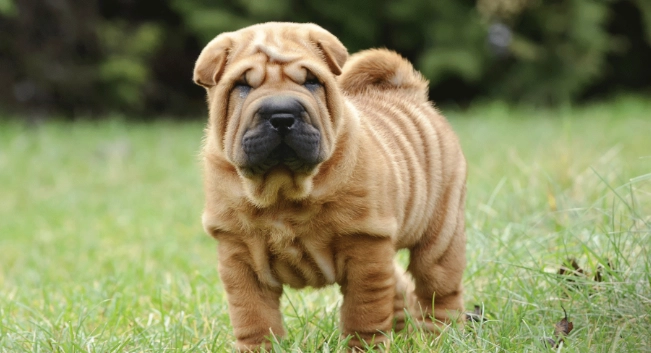
They form incredibly strong, deep bonds with their immediate family. I mean, the loyalty is intense. But they show it on their own terms. They might choose to lie at your feet, but across the room where they can keep an eye on the door. They're reserved, dignified, and often aloof with strangers. This isn't a dog that will greet your guests with a wagging tail and sloppy kisses. More likely, they'll give a dignified sniff, assess the situation, and then go back to their spot. This aloofness is often mistaken for aggression, but it's really just a profound wariness—a guard dog trait from their past.
And about other animals? Early, consistent socialization is non-negotiable. Their history as fighting dogs means they can have a high prey drive and may not tolerate other dogs, especially of the same sex. This isn't a universal rule, but it's a common enough trait that you can't ignore it. You need to be a confident, calm leader. They respect authority but will test boundaries if they sense inconsistency.
I remember my first Shar Pei, Max. He decided the meter reader was a threat. Not with barking, but with a low, steady stare and a stance that said, "I dare you." It was impressive and a little intimidating. I had to learn how to manage that instinct, not try to erase it.
The Good Stuff (Pros)
- Extremely loyal and devoted to family. Once you're in, you're in for life.
- Remarkably clean and housebroken easily. They have a almost fastidious nature.
- Quiet. They aren't big barkers. A Shar Pei will usually only vocalize if there's a real reason.
- Low exercise needs. A couple of good walks and some mental stimulation is usually enough. They're champion nappers.
- Unique and striking appearance. You will never stop getting comments on their wrinkles.
The Challenges (Cons)
- Stubborn and independent. "What's in it for me?" is their training motto.
- Can be aloof or wary of strangers. Not a party animal.
- Potential for dog aggression. Requires careful management.
- High-maintenance grooming and health needs. Wrinkles are work.
- Expensive. Purchase price and potential vet bills are high.
The Wrinkles: Cute, But High Maintenance
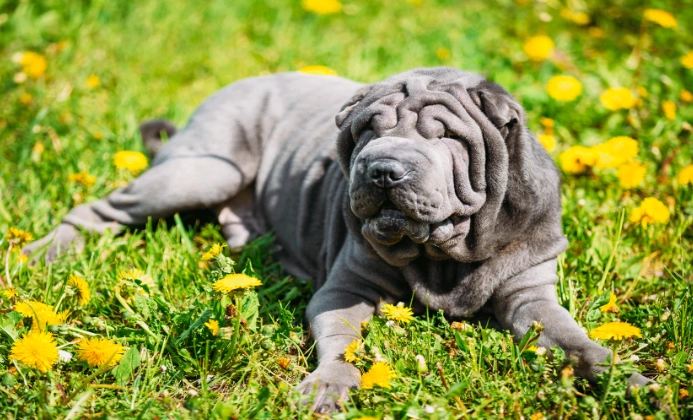
This is the part most people are unprepared for. Those adorable folds are a breeding ground for moisture, bacteria, and yeast. If you don't stay on top of it, you'll get infections, and let me tell you, a skin infection on a Shar Pei smells... memorable. And not in a good way.
You need a routine. A weekly check is the bare minimum. After walks, after meals, after they drink water—you need to dry between those folds thoroughly. Every single one of them. I use a soft, dry cloth, and then I go over them with a hair dryer on the cool setting to get any residual dampness. It's a bonding experience, I guess.
Bathing is another thing. You can't bathe them too often or you'll strip their natural oils, but you also can't let grime build up in the folds. I aim for once a month with a gentle, hypoallergenic shampoo, and I am meticulous about rinsing and drying. Any leftover soap is trouble.
And the ears! Oh, the ears. Their tiny, tight "rose" ears have poor air circulation. You have to clean them weekly with a vet-approved ear cleaner to prevent nasty infections. It's just part of the deal when you live with a Shar Pei dog.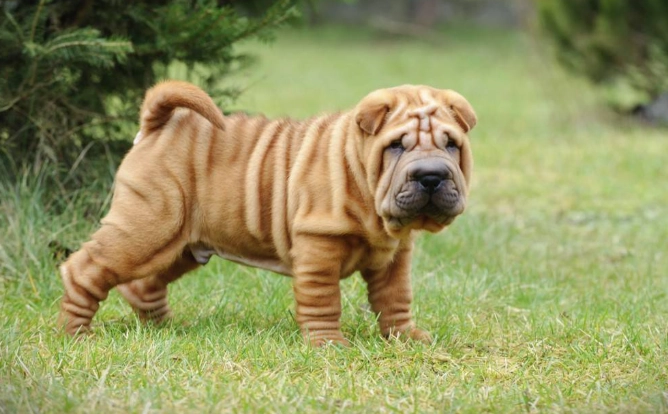
Essential Shar Pei Grooming Kit
- Soft, absorbent cloths or baby wipes (unscented): For daily wrinkle wiping.
- Hair dryer (cool setting): The best tool for ensuring folds are bone-dry.
- High-quality dog ear cleaner: Ask your vet for a recommendation.
- Gentle, oatmeal-based dog shampoo: Harsh formulas will irritate their sensitive skin.
- Soft-bristle brush or grooming mitt: For their short coat, mostly to distribute oils.
- Dog-safe antiseptic wipes or powder: For occasional use if a fold looks red (check with your vet first).
Shar Pei Health: What You Need to Watch For
This is the most critical section. Being a responsible Shar Pei owner means being a health detective. Their unique build comes with a list of predispositions. A good breeder will test for these, and you should ask to see the results (OFA, PennHIP, etc.).
| Health Condition | What It Is | Signs to Watch For | Management/Treatment |
|---|---|---|---|
| Familial Shar Pei Fever (FSF) | A hereditary inflammatory disorder unique to the breed. It causes random, short fever episodes. | Swollen hocks (ankles), fever, lethargy, abdominal pain. The dog may just look "off." | No cure. Managed with anti-inflammatories (like colchicine) during flares. Can lead to amyloidosis (kidney/liver damage). |
| Skin Fold Dermatitis & Pyoderma | Bacterial or yeast infections in the skin folds. | Redness, odor, itching, discharge, hair loss in the folds. | Meticulous drying/cleaning. Medicated shampoos or topical ointments from your vet. |
| Entropion | The eyelid rolls inward, causing eyelashes to rub on the cornea. VERY common in heavily wrinkled puppies. | Squinting, excessive tearing, pawing at the eye, visible discomfort. | Surgical correction is almost always necessary. Do NOT buy from a breeder who says "they'll grow out of it." |
| Hip & Elbow Dysplasia | Malformation of the joints, leading to arthritis and pain. | Stiffness, reluctance to run/jump, "bunny-hopping" gait, pain when rising. | Weight management, joint supplements (glucosamine), pain meds, physical therapy. Severe cases may need surgery. |
| Thyroid Issues (Hypothyroidism) | Underactive thyroid gland. | Weight gain, lethargy, hair loss, skin infections. | Daily thyroid hormone replacement medication (inexpensive and effective). |
You absolutely need a vet who is familiar with the breed or at least brachycephalic/unique breeds. The Veterinary Information Network (VIN) has peer-reviewed resources that even mention breed-specific concerns like FSF. Don't be afraid to show these to your vet if they seem unfamiliar.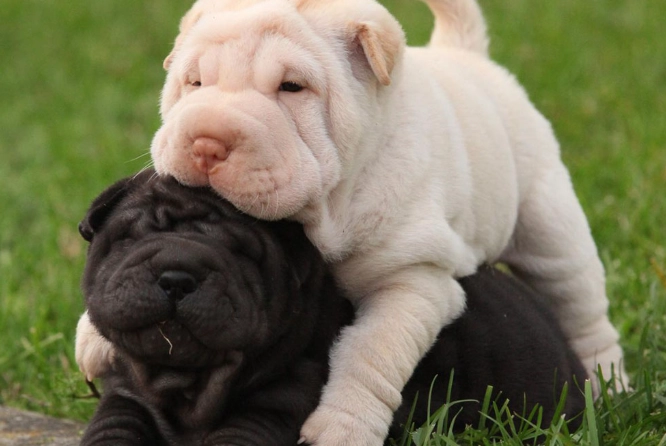
Pet Insurance is a Must: I'm not being dramatic here. Given the list above, getting pet insurance for your Shar Pei puppy before any conditions appear is one of the smartest financial decisions you can make. Surgeries for entropion or dysplasia can cost thousands. It's worth the monthly premium for peace of mind.
Training Your Shar Pei: Patience is Not a Virtue, It's a Requirement
Training a Shar Pei is an exercise in patience and creativity. They are intelligent, but they are not biddable. They will question the purpose of every command. The key is to make them think everything was their idea. Force-based methods will backfire spectacularly—you'll get a dog that shuts down or becomes defensive.
Use high-value treats (cheese, chicken, liver), keep sessions short and fun, and end on a positive note. Socialization is not optional—it's a public safety and quality-of-life issue. Expose them gently and positively to all sorts of people, sights, sounds, and other friendly dogs from a young age. Puppy kindergarten classes are great for this.
Focus on these core commands first:
- Recall (Come): This can be tough because of their independent streak. Practice in a fenced area with amazing rewards.
- Leave It: Crucial for managing their potential prey drive or scavenging.
- Loose Leash Walking: They can be strong pullers. Teach them that walking nicely gets them where they want to go faster.
- Place/Mat Training: Gives them a job (go to your bed) when guests arrive, which helps manage their aloofness.
I made a lot of mistakes with my first one, trying to be too strict. With my second, I used more games and food puzzles, and it was a world of difference. They enjoy a mental challenge.
Feeding Your Shar Pei: More Than Just Kibble
Given their sensitive skin and potential for allergies, diet is huge. Many Shar Pei dogs do well on a high-quality, limited-ingredient diet. Look for foods with a novel protein (like salmon, duck, or lamb) if they show signs of itchiness. Grains aren't inherently bad, but some dogs are allergic to common ones like wheat or corn.
Obesity is a major enemy. It puts extra strain on their joints and can worsen breathing problems. Keep them lean. You should be able to feel their ribs easily under a thin layer of fat. Measure their food, limit treats, and adjust portions based on their activity level (which is generally low).
Supplements can be helpful. Many owners and vets recommend:
- Omega-3 Fatty Acids (Fish Oil): For skin and coat health, and as a natural anti-inflammatory.
- Glucosamine & Chondroitin: For joint support, starting from a young age as a preventative.
- Probiotics: To support gut health, which is linked to skin and immune health.
Always talk to your vet before starting any new supplement.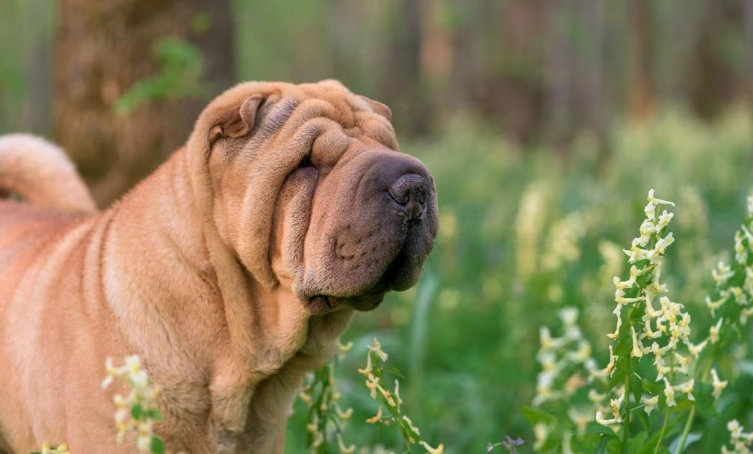
Is a Shar Pei Dog Right for You? The Honest Checklist
Don't just fall for the wrinkles. Be brutally honest with yourself.
You might be a good match if: You want a loyal, quiet companion for an adult-only or older-child household. You're home a fair amount. You're a naturally calm, confident person. You have the budget for potential health issues (insurance/savings). You don't mind a dog that shows affection subtly. You're committed to a lifelong grooming and health-check routine. You have time for patient, positive training.
Think twice if: You have a busy, chaotic household with lots of visitors. You have very young children or other pets (especially dogs). You're a first-time dog owner looking for an easy experience. You want a dog to take to outdoor cafes or dog parks. You're looking for a constant, demonstrative cuddle bug. You're on a tight budget. You don't have time for daily care.
Finding a Responsible Shar Pei Breeder or Rescue
This is the single most important decision you'll make. A good breeder is your first line of defense against health and temperament problems.
Red Flags in a Breeder: They have multiple litters available at once. They don't ask you any questions. They won't let you meet the mother dog. They sell puppies before 8 weeks. They say health issues like entropion are "normal" and will fix themselves. The price seems too good to be true. They are not involved with the Shar Pei Club of America or other national breed clubs.
What a Good Breeder Does: They health test the parents (and show you the certificates). They raise puppies in their home, with socialization. They have a contract that includes a health guarantee and requires you to return the dog to them if you can't keep it. They will be a resource for you for the dog's entire life. They are passionate about improving the breed, not just making money.
Consider rescue, too! Breed-specific rescues often have adult Shar Peis who need homes. An adult's personality and health are already known, which can be a great fit. The Shar Pei Club of America has a rescue network that's a trustworthy place to start.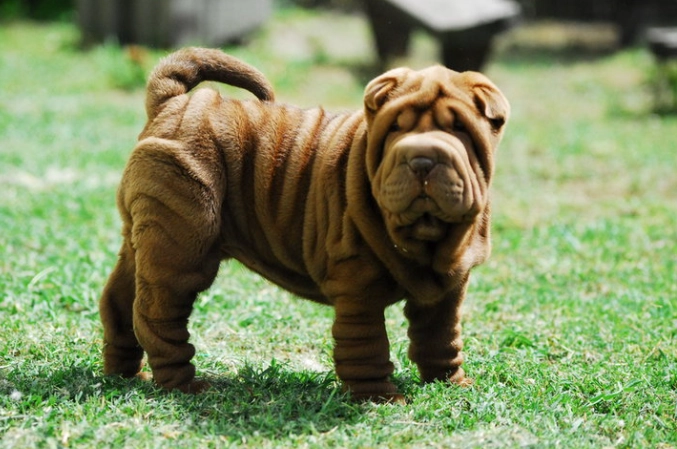
My second Shar Pei came from a rescue. She was three years old, already past the destructive puppy phase, and her sweet-but-stubborn personality was fully formed. It was the best decision I ever made. She knew she was home.
Common Shar Pei Questions (Answered Honestly)
Final Thoughts: It's a Commitment, Not a Whim
Living with a Shar Pei is a unique journey. It's not always easy. There will be frustrating training days, vet bills, and moments you'll wonder why you didn't just get a golden retriever. But there will also be the quiet pride when they master a command on their own terms. The deep, soulful look they give you that feels like they understand everything. The hilarious way they snore. The incredible feeling of earning the trust and loyalty of a creature that is, by nature, not freely given.
They are ancient, dignified, and complex. They demand respect and specific care. If you can provide that, a Shar Pei dog will give you a loyalty and companionship that is utterly unique. Just go in with your eyes wide open, your wallet prepared, and your heart ready for a very wrinkled adventure.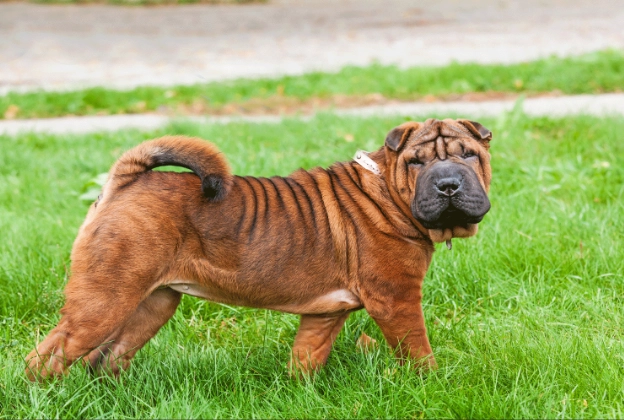
Do your research. Talk to owners (not just breeders). Meet some adult Shar Peis. It's the only way to know for sure if this sand-skinned, independent soul is the right fit for your life.
Related Articles