Small White Dog Breeds Guide: Choosing Your Perfect Fluffy Companion
Let's be real. There's something about a small white dog that just tugs at your heartstrings. Maybe it's the way they look like a little cloud trotting around your living room. Or maybe it's that classic, elegant look that never goes out of style. I remember the first time I saw a Maltese – it was like seeing a living stuffed animal, and I was completely smitten. But here's the thing nobody tells you upfront: that gorgeous white coat? It's a commitment. A big one.
If you're thinking about bringing one of these fluffy friends into your life, you've come to the right place. This isn't one of those sugar-coated articles that just shows you cute pictures. We're going to dig into the real stuff – the daily brushing, the potential tear stains, the personality quirks that can drive you nuts (and make you love them even more). Whether you're a first-time dog owner or a seasoned pro looking for a new companion, understanding what you're signing up for is key.
So, grab a coffee, and let's talk honestly about small white dog breeds, their care, and whether one might be the perfect fit for your home.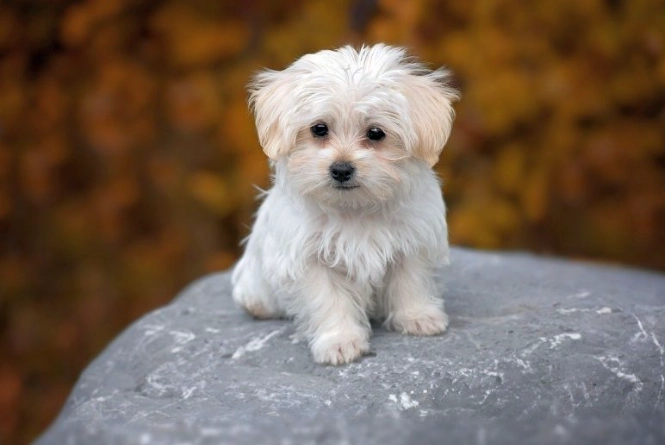
In This Guide
Meet the Fluffy Crew: Popular Small White Dog Breeds
Not all small white dogs are the same. Far from it. Their personalities, energy levels, and grooming needs can vary wildly. Picking the right breed isn't just about looks; it's about matching a lifestyle to a dog's innate character. Getting this wrong is a fast track to frustration for both you and the pup.
Here’s a breakdown of the most common small white dog breeds you’re likely to encounter. I’ve thrown in some personal observations from friends, breeders, and my own experiences.
The Lap-Loving Affection Seekers
These are the quintessential companion dogs. They were literally bred to be your shadow.
Maltese: The poster child for the small white dog category. We're talking long, flowing, silky-white hair (it's hair, not fur, which is why many claim they're hypoallergenic – more on that later) and big, dark eyes. Personality? Sweet, playful, and incredibly devoted. They form a very strong bond with their person. The downside? That beautiful coat mats if you so much as look at it wrong. Daily brushing is non-negotiable. They can also be a bit fragile and sometimes develop a reputation for being "yappy" if not socialized and trained well. Don't let that deter you; with consistent training, they're wonderful.
Bichon Frise: Think of a powder puff with legs and a cheerful disposition. Bichons have a distinctive curly, cottony coat that's soft to the touch. Their personality is often described as merry and curious. They tend to be a bit sturdier than the Maltese and are famous for their cheerful, almost clown-like attitude. They generally get along with everyone – kids, other dogs, strangers. Grooming is intense, though. That curly coat needs regular professional clipping every 4-6 weeks to prevent matting and to maintain its signature look.
The Spirited & Stubborn Terriers
Don't let the small size fool you. These dogs have big personalities and were bred to hunt vermin. That independent streak is still there.
West Highland White Terrier (Westie): All terrier, just in a convenient, adorable white package. Westies are confident, independent, and full of spunk. That cute face hides a determined mind. They're less of a lap dog and more of a "I'll sit with you when I feel like it" kind of dog. They are loyal and can be very funny, but they can also be stubborn during training. Their double coat is wiry on the outside and soft underneath, requiring regular stripping or clipping. A huge plus? They are less prone to tear staining than some other white breeds.
Cairn Terrier: Okay, they're not always pure white (often wheaten or brindle), but you do see white ones, and they're in the same feisty family. Toto from *The Wizard of Oz* was a Cairn. Need I say more about the personality? Brave, intelligent, and endlessly curious. They can be diggers and barkers if bored.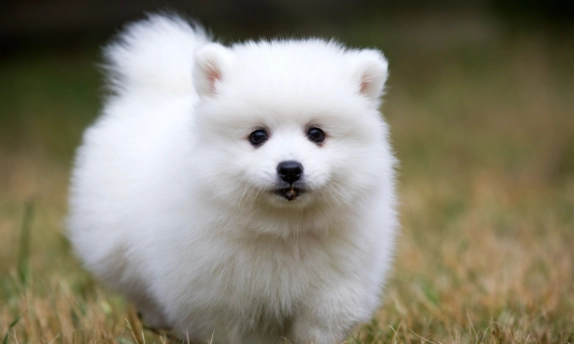
The Tiny Toy Breeds
Extremely portable, but often with specific care needs.
Japanese Spitz: This breed looks like a mini Samoyed. They have a stunning, pure white double coat that stands off from their body, a fox-like face, and a plumed tail that curls over their back. They are known for being bright, devoted, and surprisingly good watchdogs for their size (they will let you know if someone's at the door). They are generally clean dogs with less "doggy" odor. Their coat, while thick, is easier to manage than a Maltese's as the texture tends to repel dirt and resist matting somewhat. A weekly good brush is usually sufficient.
Let's compare them side-by-side, because a table sometimes makes the choice clearer.
| Breed | Average Weight | Coat Type & Maintenance | Key Personality Trait | Best For |
|---|---|---|---|---|
| Maltese | 4-7 lbs | Long, silky hair. Daily brushing required. Professional grooming often needed. | Affectionate, Gentle, Playful | Companionship, apartment living, singles or seniors. |
| Bichon Frise | 12-18 lbs | Curly, cottony. High maintenance. Professional clipping every 4-6 weeks. | Cheerful, Playful, Sociable | Families with older children, active retirees, social households. |
| West Highland White Terrier | 15-20 lbs | Double coat (wiry/soft). Moderate maintenance. Hand-stripping or clipping. | Confident, Independent, Feisty | Active owners, those who enjoy a terrier's character, people with yards. |
| Japanese Spitz | 11-20 lbs | Thick double coat. Moderate maintenance. Weekly brushing; heavy shedder seasonally. | Loyal, Bright, Alert | Families, active individuals, those wanting a vigilant small dog. |
See what I mean? A Bichon and a Westie might both be small and white, but they offer completely different living experiences.
The Real Deal on Care & Grooming
This is where the rubber meets the road. Owning a small white dog is a visual commitment. That bright white coat is a badge of honor that requires work. If you're not prepared for this, you'll end up with a small grey or brown dog very quickly.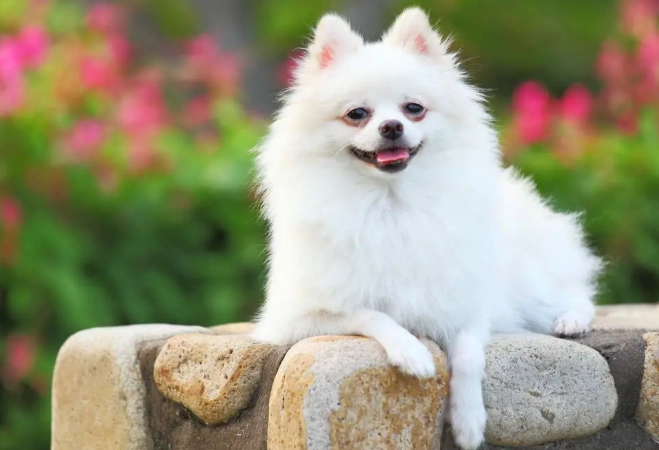
Keeping That Coat White
It's a multi-step process, and skipping steps leads to disappointment.
- Brushing is Everything: Not just a quick once-over. You need to brush down to the skin to prevent mats, which are painful and can harbor moisture and bacteria. For long-haired breeds like the Maltese, this is a daily ritual. Use a good quality pin brush and a metal comb. I find that doing it while watching TV makes it less of a chore.
- Bathing Strategy: Bathing too often can dry out their skin. Not often enough, and they look dingy. Every 3-4 weeks is a good rule of thumb for most. The secret weapon? A quality whitening or brightening shampoo made for dogs. Human shampoo is a big no-no – it disrupts their skin's pH. I've had good results with shampoos containing optical brighteners; they don't bleach the coat but make it reflect more light, so it looks brighter. Always follow with a conditioner to keep the hair soft and manageable.
- The Dreaded Tear Stains:
Those reddish-brown streaks under the eyes. They're caused by porphyrins, pigments found in tears and saliva. Some small white dog breeds are just prone to them due to their facial structure or eye health.
Health Check: What to Watch For
Being small and often purebred comes with a set of potential health considerations. A responsible breeder will test for these.
- Dental Issues: Tiny mouths often mean crowded teeth. Small dogs are infamous for terrible teeth. Daily tooth brushing is the gold standard prevention. I know, it sounds impossible, but starting young with canine toothpaste (it's poultry or peanut butter flavored!) makes it easier. Your vet will thank you, and you'll avoid costly dental cleanings down the line.
- Luxating Patella: This is a fancy term for a kneecap that pops out of place. It's common in many small breeds. You might see your dog skip or hop on a back leg for a few steps, then be fine. Mild cases are managed with weight control and supplements, but severe cases need surgery.
- Tracheal Collapse: That cute little neck is susceptible. It's a weakening of the windpipe rings, causing a honking cough, especially when excited or if pressure is put on the neck. This is why you should always use a harness, never a collar, for walking a small dog. A simple flat collar for tags is fine, but the leash must attach to a harness.
- Skin Allergies: White coats can sometimes mean more sensitive skin. They can be prone to allergies that cause itching and redness. Food allergies or environmental allergies (like pollen) are common culprits.
I can't stress this enough: pet health insurance or a dedicated savings account for vet bills is a smart move for any purebred dog owner. A single surgery for a luxating patella can run into the thousands.
Is a Small White Dog Right For You? The Lifestyle Match Test
Let's cut to the chase. These dogs aren't for everyone. Asking yourself these questions honestly can save you and a potential dog a lot of heartache.
What's your daily schedule like? If you work 10-hour days and want to go straight to the gym afterward, a highly social, attention-craving Maltese will be miserable and likely develop separation anxiety or destructive habits. A more independent Westie might handle it slightly better, but no dog should be alone that long regularly.
How active are you? Most small white dogs have moderate exercise needs. A couple of short walks and some indoor play will suffice. They're great for apartment dwellers. However, don't mistake small size for low energy. A Bichon or a Westie still needs mental and physical stimulation to be happy and well-behaved.
Who lives in your home? Many of these breeds can be great with gentle, respectful older children. But their small size makes them fragile. A toddler's clumsy hug can accidentally injure them. Breeds like the Japanese Spitz or the sturdier Bichon are often better family bets than the tiny Maltese. Always, always supervise interactions.
What's your grooming budget and tolerance? Can you afford $60-$100 every month or two for professional grooming? Are you willing to spend 15-30 minutes a day brushing? If the answer is no, you should seriously reconsider a high-maintenance coated breed. A short-haired dog might be a better fit.
Your Top Questions, Answered Honestly
I spend a lot of time on dog forums and talking to new owners. These are the questions that come up again and again.
This is the million-dollar question. The term "hypoallergenic" is misleading. No dog is 100% allergen-free. Allergies are usually triggered by a protein found in dog dander (dead skin flakes), saliva, and urine, not necessarily the hair itself. Breeds like the Maltese and Bichon Frise shed very little dander and hair, which can make them a better choice for some allergy sufferers. However, if someone is severely allergic to dog saliva, even licking from a "hypoallergenic" dog will cause a reaction. The American Kennel Club (AKC) provides excellent resources on this topic, noting that spending time with the specific breed you're interested in is the only true test.
They can. Small dogs often use barking as a first line of defense. They are also bred to be alert companions. A Westie will alert you to a leaf blowing by. A Maltese might bark for attention. This is not a hardwired flaw; it's a behavior. With consistent training from puppyhood—teaching a "quiet" command and rewarding calm behavior—you can manage it. But if you demand absolute silence, a dog might not be the right pet.
This depends on the breed and your methods. Bichons and Maltese are often eager to please and respond well to positive reinforcement (treats, praise). Terriers like the Westie are intelligent but can be willful. They ask, "What's in it for me?" Training requires patience, consistency, and keeping sessions short and fun. Housebreaking can be a challenge with any small breed, as their bladders are tiny. Crate training and a very consistent schedule are your best friends here.
One of the great joys of small dogs is their longevity. It's not uncommon for a well-cared-for small white dog to live 12-16 years, sometimes even longer. That's a long-term commitment. You're not just getting a puppy; you're inviting a family member who will be with you through many life changes.
Wrapping It Up: The Fluffy Truth
So, what's the final verdict?
A small white dog can be an incredibly rewarding companion. They offer immense love, loyalty, and joy in a portable package. They fit into various living situations and can be perfect for those who want a dog that's truly "with" them.
But that iconic look comes with strings attached. You are signing up for a grooming routine, potential health vigilance, and a dog that may need careful socialization and training to be its best self.
If you read through all this and thought, "Yes, the brushing sounds like a peaceful bonding time," or "I can budget for a great groomer," then you might be ready. If you felt your stomach sink at the thought of daily maintenance, listen to that feeling. There are plenty of wonderful, lower-maintenance dogs out there who would be a better fit.
Do your research, meet the breeds in person if you can, and be brutally honest with yourself about your lifestyle. The goal isn't just to get a dog; it's to welcome a member into your family who will thrive with you for years to come. And when you find the right match, that little white dog will light up your life in ways you never imagined.
Just maybe keep a lint roller handy.
Related Articles