Let's be honest, when you first bring a guinea pig home, figuring out what do guinea pigs eat can feel a bit overwhelming. The pet store employee points at a bag of pellets and some hay, and you're left wondering if that's really it. I remember my first guinea pig, Ginger. I fed her mostly pellets because I thought they were the "complete" food. It took a worried trip to the vet and some yellowing teeth for me to realize I had the whole thing backwards.
It's a common mistake. The truth about a guinea pig's diet is both simpler and more nuanced than you might think. It's not about fancy treats or complicated mixes. It's about understanding what their unique digestive systems need to thrive. Their bodies are built for one thing: processing massive amounts of roughage. Get that wrong, and you're setting them up for a host of problems—dental issues, gut stasis, scurvy. Not fun.
So, let's cut through the confusion. This isn't just a list of foods. It's a practical, down-to-earth guide on how to feed your guinea pig for a long, healthy, and wheeky life. We'll cover the essentials, bust some myths, and I'll even share a few things I learned the hard way.
The Golden Rule: A guinea pig's diet should be about 80% high-quality hay. Everything else—pellets, veggies, the occasional fruit—is the supporting cast. If you remember nothing else, remember that pile of hay.
The Four Pillars of a Guinea Pig Diet
Think of your guinea pig's meals as resting on four key pillars. Remove one, and the whole structure gets shaky. Getting the balance right between these is the secret.
Pillar 1: Hay – The Non-Negotiable Foundation
Hay isn't just food; it's a tool. Guinea pigs' teeth grow continuously, and chewing long-strand hay grinds them down perfectly. More importantly, their digestive systems are designed to be constantly moving. Hay provides the necessary fiber to keep everything running smoothly. Without it, things can shut down frighteningly fast—a condition called GI stasis that's a veterinary emergency.
You should provide an unlimited amount of fresh hay at all times. I mean a pile bigger than they are. They should be munching on it 80% of their waking hours.
Not all hay is created equal. Here’s the breakdown:
| Type of Hay |
Best For |
Notes & When to Use |
| Timothy Hay |
All adult guinea pigs |
The gold standard. High in fiber, lower in calcium and protein. Perfect for daily, unlimited feeding. |
| Orchard Grass Hay |
Adults, especially picky eaters or those with allergies |
Similar nutrition to Timothy, but softer and dust-free. A great alternative if your pig (or you!) is sensitive to Timothy. |
| Meadow Hay |
Adults |
A mix of grasses. Good for variety, but ensure it's not too dusty or stemmy. |
| Alfalfa Hay |
ONLY for young pups, pregnant/nursing sows, or underweight pigs |
Legume hay, very high in protein and calcium. Can cause bladder stones in healthy adults. Use sparingly and with purpose. |
See the trend? For your average adult pig, stick with Timothy or Orchard Grass. I buy my hay in bulk online now—it's cheaper and the quality is often better than the stuff in plastic bags at the store, which can be dusty and stale.
A good hay pile is the answer to half the questions about what do guinea pigs eat.
Pillar 2: Guinea Pig Pellets – The Vitamin C Boost (Not the Main Course)
This is where many people, including past me, go wrong. Pellets are a supplement, not the entrée. Their primary job is to provide a guaranteed dose of vitamin C, which guinea pigs cannot synthesize themselves.
Choosing the right pellet is critical. Avoid mixes with colorful bits, seeds, nuts, or dried fruit. These are junk food—high in sugar and fat, low in nutrition, and a choking hazard. Guinea pigs will pick out the tasty bits and leave the healthy pellets, like a kid with a bowl of Lucky Charms.
Look for:
- Plain, uniform Timothy hay-based pellets.
- Fortified with Vitamin C (Ascorbic Acid). Check the expiration date! Vitamin C degrades rapidly.
- No added sugars or artificial colors.
How much to feed? About 1/8 cup per pig per day is plenty for an adult. For a young, growing pig under 6 months, you can offer a bit more, and it can be alfalfa-based. Overfeeding pellets leads to obesity and makes them eat less of their crucial hay.
Pillar 3: Fresh Vegetables & The Occasional Fruit
This is the fun part for you and your pig! Fresh veggies provide moisture, additional vitamins (including C), and enrichment. But not all veggies are safe, and some need to be given in moderation.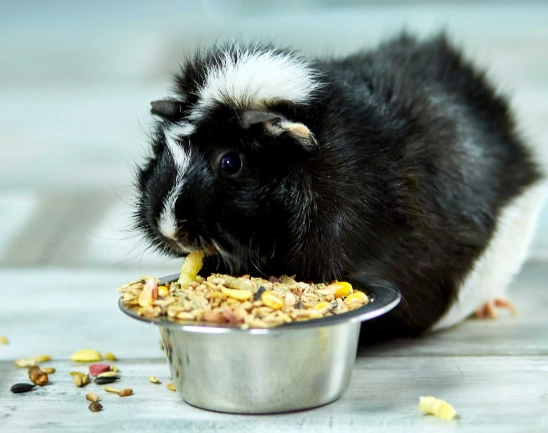
The daily goal is about one cup of fresh veggies per pig. Variety is key to a balanced nutrient intake. I aim to give at least three different types each day.
Here’s a practical list to work from. I've split it into daily staples and weekly treats based on calcium and sugar content.
Daily Veggie Staples (Low in Calcium, High in Vitamin C/Fiber)
| Vegetable |
Key Benefit |
How to Serve |
| Bell Peppers (all colors) |
Exceptionally high in Vitamin C, low in sugar. |
Core and slice. A few strips daily is excellent. |
| Romaine Lettuce |
Good hydration, some vitamin C. |
A leaf or two. Avoid iceberg lettuce (no nutrition). |
| Green Leaf / Red Leaf Lettuce |
Better than Romaine for lower calcium. |
A leaf or two. Great base for the veggie bowl. |
| Cucumber |
Great for hydration, very low calorie. |
A few slices. Can cause soft poop if overfed. |
| Zucchini / Courgette |
Low-calorie, easy to eat. |
A couple of thin slices. |
| Cilantro (Coriander) |
Most pigs love it, good flavor variety. |
A small handful. A favorite in my herd. |
Veggies for 2-4 Times a Week (Moderate Oxalates or Calcium)
- Carrot tops: Fantastic! But the carrot root itself is high in sugar—give only a small baby carrot piece weekly.
- Parsley: High in Vitamin C but also calcium. A small sprig a couple times a week.
- Kale: Nutrient-dense but high in calcium. A small piece, not a whole leaf.
- Spinach: Very high in oxalates, which can bind calcium. A tiny amount once a week at most.
- Broccoli & Cauliflower florets: Can cause gas in some pigs. Start with a tiny piece to see how they react.
Safe Fruit Treats (Once or Twice a Week, Tiny Portions)
| Fruit |
Portion Size |
Note |
| Blueberries |
1-2 berries |
Antioxidant-rich. |
| Strawberry (with top) |
1 small berry or half a large one |
The greens are safe too! |
| Apple (no seeds!) |
1 thin slice |
Remove core and seeds (contain cyanide). |
| Melon (flesh & rind) |
1 small cube |
They often enjoy the rind more than the flesh. |
| Pear (no seeds) |
1 thin slice |
Similar to apple. |
Introduce any new food slowly, over a few days, to avoid upsetting their sensitive stomachs. And always wash thoroughly.
Pillar 4: Fresh, Clean Water
It seems obvious, but it's vital. Change their water daily, whether you use a bottle or a heavy bowl. Bottles need their spouts checked regularly to ensure they aren't clogged. In winter, I sometimes add a tiny splash of warm water to take the chill off. They drink more when it's not ice-cold.
The "Never Ever" List: Foods That Are Dangerous for Guinea Pigs
This is the most important part of knowing what do guinea pigs eat. Some common human foods are toxic to them. When in doubt, leave it out.
- Animal Products: Meat, dairy, eggs. They are strict herbivores.
- Onions, Garlic, Leeks, Chives: Allium family plants damage red blood cells.
- Potatoes & Potato Leaves: Contain solanine, a toxin.
- Rhubarb: Highly toxic, leaves especially.
- Chocolate, Candy, Sweets: Obvious, but worth stating. Sugar wrecks their gut.
- Avocado: The pit, skin, and leaves are toxic, and the flesh is far too high in fat.
- Seeds, Nuts, Dried Beans: Choking hazards, high fat, some are raw and toxic.
- Bread, Cereal, Pasta: Starches their bodies can't process.
- Houseplants or Garden Plants: Unless you are 1000% sure they are safe (like wheatgrass), don't risk it. Many common plants like lilies, ivy, and philodendron are poisonous. The ASPCA's Toxic and Non-Toxic Plants List is an essential resource to check.
The Vitamin C Factor: Why It's a Daily Must
This deserves its own section. Humans, primates, and guinea pigs are some of the few mammals that can't make their own vitamin C (ascorbic acid). A deficiency causes scurvy—symptoms include lethargy, rough coat, swollen joints, and dental problems.
Their daily requirement is about 10-30 mg per pig. How to hit that target?
- Fresh Veggies High in C: A few strips of bell pepper cover most of it.
- Quality Pellets: They provide a stable base, but the vitamin C degrades after the bag is opened. Use pellets within 90 days of opening and store them in a cool, dark place.
- Supplementation (if needed): If a pig is ill, stressed, or not eating well, a vet may recommend a liquid vitamin C supplement designed for guinea pigs. Never add drops to their water—it alters the taste and they may drink less, and the vitamin breaks down quickly in light. The Ohio State University Veterinary Medical Center has good information on small pet nutrition that underscores this point.
Human vitamin C tablets or multivitamins are not appropriate—the dosage is wrong and they may contain other ingredients that are harmful.
Common Questions About What Guinea Pigs Eat
Here are the real-world questions I get asked all the time.
Can I give my guinea pig treats from the pet store?
Be very skeptical. Most commercial "treats"—yogurt drops, seed sticks, honey-coated things—are terrible. They're packed with sugar, dairy, and artificial junk. The best treat is a sprig of fresh parsley or a slice of bell pepper. If you must buy a treat, look for a simple, dried herb or flower mix (like rose hips or dandelion leaves) with no additives.
My guinea pig eats its own poop. Is that normal?
Yes, completely normal and essential! They produce two types of droppings. The hard, round ones you see everywhere. They also produce special, soft, nutrient-rich droppings called "cecotropes" directly from their cecum. They eat these directly from their bottom to re-ingest vital nutrients like B vitamins and fiber. It's a crucial part of their digestion. Don't stop them.
How do I switch my guinea pig to a healthier diet?
Slowly. If your pig is used to a pellet-heavy diet or bad treats, switch over 1-2 weeks. Start by reducing the old pellets bit by bit while increasing the hay. Introduce one new vegetable at a time, in a small amount. A sudden switch can cause serious digestive upset.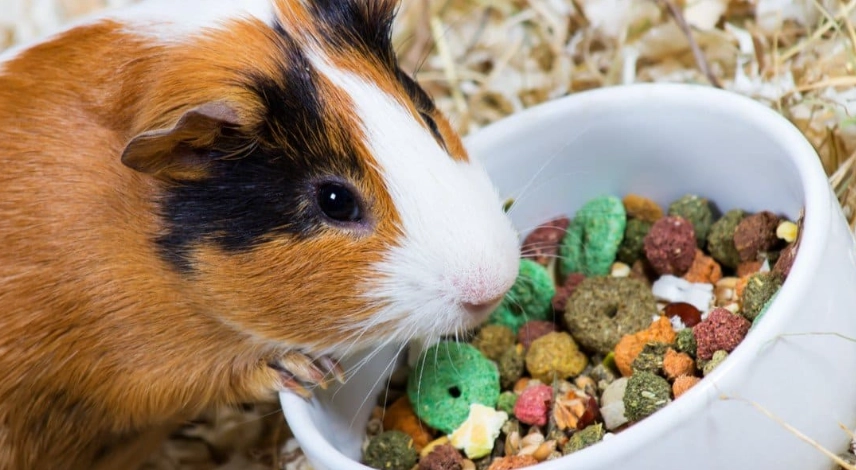
What about feeding timings?
Hay and water should be available 24/7. I give pellets in the morning. The fresh veggie cup is the evening event—it gives them something to look forward to and mimics natural foraging behavior as the day winds down.
Where can I find reliable nutritional data for vegetables?
For the truly dedicated owner who wants to track calcium or vitamin C intake, the USDA FoodData Central is the authoritative, science-based database for food composition. It's a bit technical, but it's the source of truth for what's in that bell pepper or leaf of kale.
Let's make this concrete. Here's what a day of eating might look like for my adult guinea pig, Basil.
- 24/7: A huge, fresh pile of Timothy Hay. Refilled whenever it looks low or soiled.
- Morning: 1/8 cup of plain Timothy-based pellets in a clean dish.
- Evening ("Salad Time"): A heaping cup of mixed veggies: 2 strips of red bell pepper, a large leaf of green leaf lettuce, a small sprig of cilantro, and a slice of cucumber.
- Weekly Treat (Wednesday & Sunday): A single blueberry or a thin slice of apple (no seeds).
That's it. No fuss, no complicated mixes. Just fresh, species-appropriate foods.
It sounds simple when you break it down.
Figuring out what do guinea pigs eat is the single biggest thing you can do for their health. It prevents more problems than any medicine can cure. Ditch the colorful junk, embrace the mountain of hay, and enjoy the ritual of preparing their daily veggie bowl. You'll be rewarded with a vibrant, active pet with a healthy appetite for life. Trust me, watching them popcorn after a good meal is better than any store-bought treat.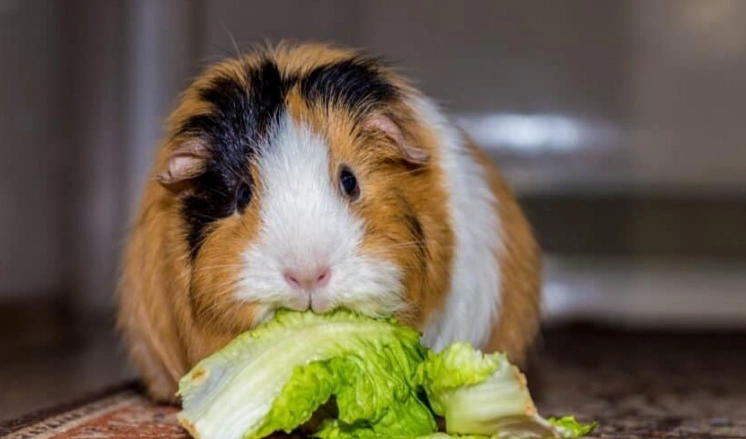
Start with the hay. Get that right, and you're 80% of the way there. The rest is just delicious, colorful detail.