Your Complete Guide to Poodles: Care, Training & Choosing the Right Size
In This Guide
Let's be honest, when most people think "poodle," they picture a dog with a ridiculous, pom-pom haircut prancing around a show ring. I used to think the same thing. It felt like the breed was more about style than substance. But then a friend of mine got a Standard Poodle, and let me tell you, I had to eat my words. That dog wasn't just smart; it was scary intelligent, loyal, and had a sense of humor. It completely shattered the "frou-frou" stereotype for me.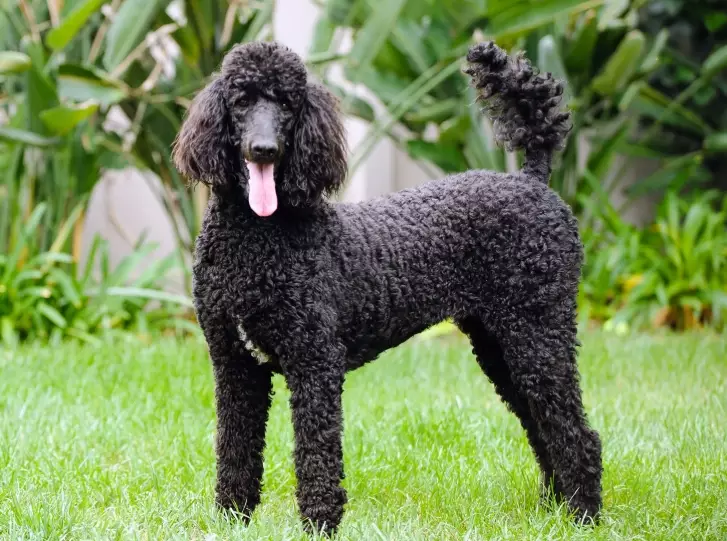
So, if you're here because you're curious about poodles—maybe you're thinking of getting one, or you just want to understand what all the fuss is about—you're in the right place. We're going to ditch the fluff and get into the real stuff. What's it actually like to live with one of these dogs? Are they as high-maintenance as everyone says? Is the "hypoallergenic" label legit, or just marketing hype?
We'll cover it all. From choosing the right size for your apartment (or your farm), to the nitty-gritty of daily grooming that no one really talks about, to training a brain that's sometimes too smart for its own good.
First Things First: It's Not One Breed, It's Three
This is the biggest point of confusion, and it matters a lot. You don't just get a "poodle." You get a Toy, a Miniature, or a Standard Poodle. They're considered the same breed by kennel clubs like the American Kennel Club (AKC), but in terms of lifestyle fit, they're worlds apart. Calling them all the same is like saying a studio apartment and a mansion are both just "houses."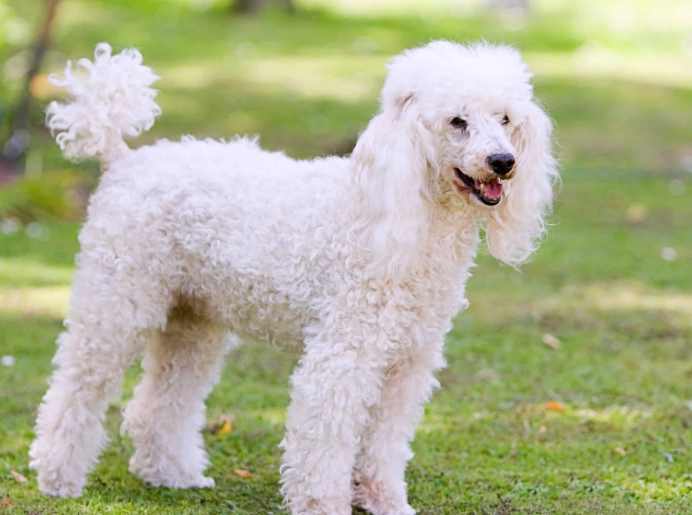
The main difference is size, but that size difference brings about different energy levels, space needs, and sometimes even slight variations in temperament.
Here’s a breakdown that goes beyond just height and weight. This table should help you visualize which poodle might slot into your life.
| Size | Height (at shoulder) | Weight | The Vibe & Best For | Potential Drawback |
|---|---|---|---|---|
| Toy Poodle | Up to 10 inches | 4-6 pounds | The ultimate city companion. Fits in a studio apartment, a tote bag (for short trips!), and lives for lap time. Surprisingly sturdy for their size. | Can be prone to "small dog syndrome"—yapping, nervousness—if not trained just as firmly as a big dog. Easily injured if kids are too rough. |
| Miniature Poodle | 10-15 inches | 10-15 pounds | The goldilocks of poodles. Enough dog to play fetch and go on a decent hike, but small enough for most living situations. Often cited as having the biggest personality in a midsize package. | Their energy level is deceptively high. They need real exercise, not just a walk around the block, or they'll invent their own (destructive) fun. |
| Standard Poodle | Over 15 inches (usually 22-27") | 45-70 pounds | The athlete. Originally bred as a water retriever, they need a job. Think long runs, advanced agility, swimming. Incredibly loyal and family-oriented. | You need space, time, and a commitment to intense mental and physical stimulation. A bored Standard is a landscaping crew of one. |
My friend's Standard Poodle, the one that changed my mind, needed two hours of activity a day. Not just a walk—a run, a training session, a puzzle toy. It was a lifestyle commitment. The Miniature I dogsit for, however, is happy with a 45-minute brisk walk and some fetch in the yard. See the difference?
The Famous Poodle Coat: Blessing, Curse, and Full-Time Job
Okay, let's talk about the elephant in the room: the hair. This is the number one reason people get poodles (hypoallergenic!) and the number one reason people regret getting poodles (so much work!).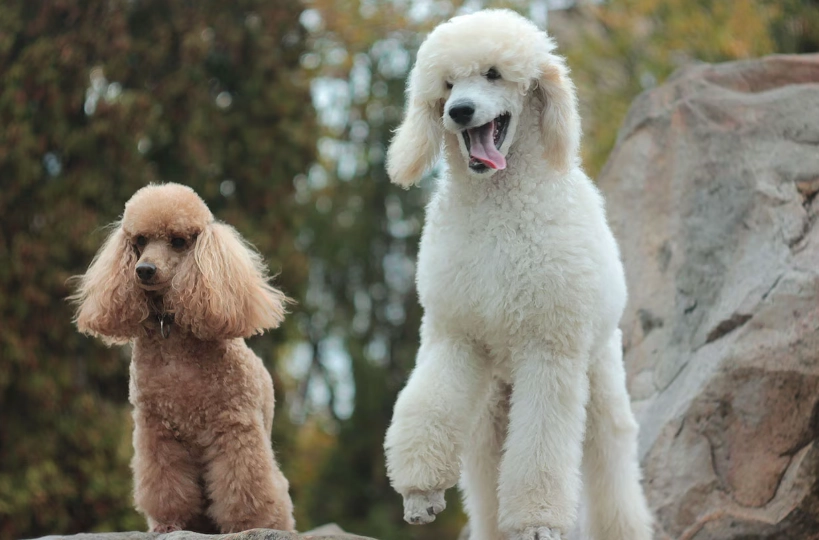
The truth is somewhere in the middle. Poodles have hair, not fur. It grows continuously, like human hair, and it sheds minimally. This is why they're often recommended for allergy sufferers. But—and this is a huge but—"low-shedding" does NOT mean "low-maintenance." It means the hair that would normally fall out on your couch gets trapped in the coat. If you don't remove it, it mats. And matting isn't just unsightly; it's painful, pulls on the skin, and can hide moisture and parasites.
The Non-Negotiable Grooming Routine
Forget the fancy show clips for a moment. The everyday maintenance is what matters.
- Brushing: Every other day, at a minimum. You need a slicker brush and a metal comb. Brush all the way down to the skin. If you just brush the top, you're creating a deceptively smooth surface over a tangled mess underneath (a "false coat"). I learned this the hard way with a matted ear on that Miniature I watch.
- Professional Grooming: Every 4-8 weeks. This isn't a luxury; it's a necessity. The cost adds up quickly—anywhere from $60 to $120+ per session depending on your location and the dog's size. You're paying for a bath, blow-dry, haircut, nail trim, and ear cleaning. If you skip this, you will have a matted, uncomfortable dog.
- Eyes & Ears: Those cute, floppy ears trap moisture. You need to check and clean them weekly with a vet-approved solution to prevent infections. Tear stains under the eyes are also common and need gentle daily wiping.
Is the Hypoallergenic Claim True?
Mostly, yes. Because they shed so little, they spread less dander (the common allergen) around your home. However, allergies are to proteins in dander *and* saliva. A poodle will still lick you. If you're severely allergic, spend time with a poodle before committing. The American Academy of Allergy, Asthma & Immunology advises that no dog is 100% hypoallergenic. A poodle is one of your best bets, but it's not a guarantee.
Inside the Poodle Mind: Training a Furry Einstein
This is where poodles truly shine. They are consistently ranked among the top 2 or 3 most intelligent dog breeds. They learn commands faster than you can give them. But here's the catch: intelligence doesn't equal easy to train. It means they get bored easily and will outsmart you if you're not consistent.
You're not dealing with a dog that just wants to please. You're dealing with a partner that wants to know *why* they should please you. What's in it for them? They respond best to positive reinforcement—treats, praise, play. Harsh methods will backfire spectacularly; they'll shut down or become cleverly defiant.
Top Training Priorities for a Poodle
- Mental Stimulation is Non-Optional: Physical walks are not enough. You need puzzle toys, scent work (hiding treats), learning new tricks, agility, or obedience sports. A 10-minute training session that makes them think is more tiring than a 30-minute walk.
- Socialization, Not Just Socializing: Expose them to everything early and positively: different people, dogs, sounds, surfaces. Poodles can be aloof with strangers or nervous if not properly socialized. You want a confident dog, not a suspicious one.
- Barking: They can be vocal. They bark to alert, out of boredom, or for fun. Teach a "quiet" command from day one. Providing enough mental exercise is the best preventative medicine here.
Honestly, if you don't enjoy the training process, a poodle might not be for you. Their intelligence demands to be engaged. It's like having a gifted child; you can't just plop them in front of the TV.
Keeping Your Poodle Healthy: What to Watch For
Poodles are generally long-lived dogs (12-15 years is common), but like all purebreds, they have some genetic predispositions. A responsible breeder will test their breeding stock for these conditions. Always ask for proof of health clearances from the Orthopedic Foundation for Animals (OFA) or similar organizations.
Here are the big ones:
- Hip Dysplasia: More common in Standards. A malformation of the hip joint that can lead to arthritis. Good breeders screen for it.
- Progressive Retinal Atrophy (PRA): A group of diseases that cause the retina to degenerate, leading to blindness. A DNA test exists.
- Von Willebrand's Disease: A blood clotting disorder. Again, testable.
- Bloat (Gastric Dilatation-Volvulus): A life-threatening emergency primarily in large, deep-chested dogs like Standards. It involves the stomach twisting. Know the symptoms (restlessness, drooling, unproductive retching) and prevent it by feeding multiple small meals, not exercising right after eating, and using slow-feed bowls.
- Addison's Disease: An endocrine disorder that seems over-represented in the breed. Symptoms are vague (lethargy, vomiting, poor appetite) but can be critical.
Regular vet check-ups, a high-quality diet appropriate for their size and age, and keeping them at a lean weight are the best things you can do for any poodle's health.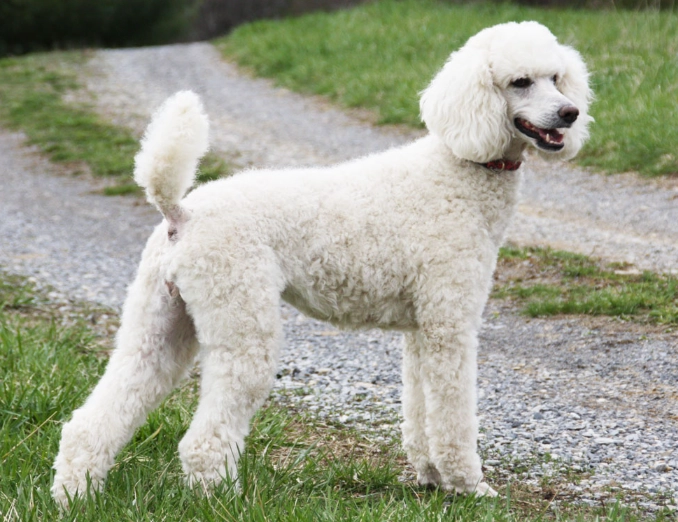
Poodle FAQs: The Real Questions People Ask
Let's tackle some of the specific things people type into Google late at night when they're considering this breed.
Generally, yes, but with major caveats. Standards are often wonderful, gentle family dogs. Minis and Toys can be great, but their small size makes them fragile. A toddler's enthusiastic hug can accidentally injure a Toy Poodle. It's crucial to teach children how to interact gently and to always supervise. A poodle that isn't socialized with kids may be nervous around them.
Not typically. The breed standard describes them as active, intelligent, and dignified. However, any dog can develop fear-based aggression if poorly bred, unsocialized, or mistreated. Their intelligence means they can also become resource guarders if not taught properly. The aloofness some poodles show to strangers is usually just that—aloofness, not aggression.
Technically, yes. But it's harder than it looks. Their curly coat is tricky to clip evenly without professional-grade clippers and skill. A bad home haircut can lead to skin irritation, clipper burns, and an uneven coat that's harder to maintain. Most people who try it end up taking their lopsided dog to the groomer for a fix anyway. I'd recommend learning from a pro first if you're determined to try.
Start with the national breed club. The Poodle Club of America has a breeder referral list. A good breeder will: ask you as many questions as you ask them, invite you to meet their dogs (and the puppy's mother), provide full health clearances, have a contract that includes a take-back clause, and be a resource for the dog's entire life. They won't have multiple litters available at all times.
Final Thoughts: Is a Poodle Right for You?
Look, I'm not here to sell you on a poodle. In fact, after writing all this, I'm wondering if I could handle the grooming commitment myself! They are not an easy, low-key dog. But they are an incredibly rewarding one.
Think of a poodle if: you have time for daily interaction and mental games, you can budget for regular professional grooming, you want a trainable companion for sports or activities, and you value a clean(er) house with less shedding.
Maybe reconsider a poodle if: you want a truly low-maintenance dog, you're gone for long hours regularly, you're on a tight budget (grooming and potential health issues add up), or you're not interested in consistent, thoughtful training.
The poodle isn't a cartoon character with a silly haircut. It's a complex, brilliant, and sensitive animal that needs an owner who gets it. If you're that person, you'll have a loyal, hilarious, and endlessly engaging friend for years to come. If not, well, there are plenty of other wonderful, less-demanding breeds out there. The key is being honest with yourself about the life you can provide.
Do your homework, meet some in person, and talk to owners (not just breeders). Get the real, unfiltered story. That's the best first step you can take.
Related Articles