UTI Symptoms in Dogs: A Complete Guide for Concerned Pet Owners
What's Inside
- Understanding Canine UTIs: It's Not Just a Simple Infection
- The Tell-Tale Signs: Recognizing UTI Symptoms in Dogs
- Getting a Diagnosis: What Happens at the Vet
- Treatment: Beating the Infection and Supporting Your Dog
- Prevention: How to Stop UTIs Before They Start
- Common Questions About UTI Symptoms in Dogs
Hey there, fellow dog lover. If you're reading this, there's a good chance you've got a furry friend who's been acting a little off lately. Maybe they're asking to go out every hour, or you spotted a worrying drop of blood on the floor. Your mind might be racing, and you typed "uti symptoms in dogs" into Google. Let me tell you, you're in the right place. I've been there myself, pacing the floor at 2 AM with a worried pup. It's a stressful, helpless feeling.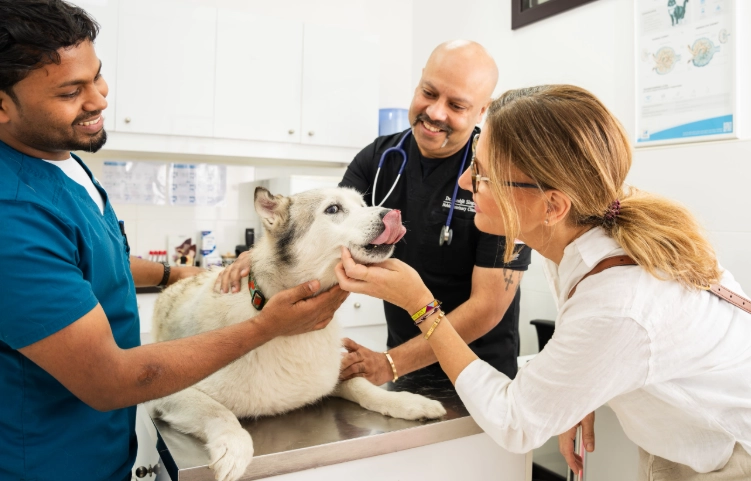
Urinary Tract Infections, or UTIs, are one of those sneaky health issues that can creep up on our dogs. They're incredibly common – way more common than most people realize. But here's the thing: the signs aren't always the dramatic, obvious ones you see on TV. Sometimes, it's just a slight change in behavior, a little more whining, or a sudden accident in a house-trained dog. Missing these subtle hints can mean your dog suffers in silence for longer than necessary.
I'm not a vet, but I've spent an embarrassing amount of time researching this topic after my own dog's battle with recurrent UTIs. I've talked to vets, read studies from places like the American Veterinary Medical Association (AVMA), and sifted through countless pet owner forums. This guide pulls all that together. We're going to break down exactly what to look for, why it happens, what the vet will do, and crucially, how you can help prevent it from happening again. Because seeing your dog uncomfortable is the worst.
Understanding Canine UTIs: It's Not Just a Simple Infection
So, what exactly is a UTI? At its core, a urinary tract infection is an overgrowth of bacteria (most commonly E. coli) somewhere in the system that's supposed to be sterile. Think of the urinary tract as a plumbing system: kidneys (the filters), ureters (the pipes from kidneys to bladder), bladder (the storage tank), and urethra (the final exit pipe). An infection can happen in any of these parts, but bladder infections (cystitis) are the most frequent offenders in dogs.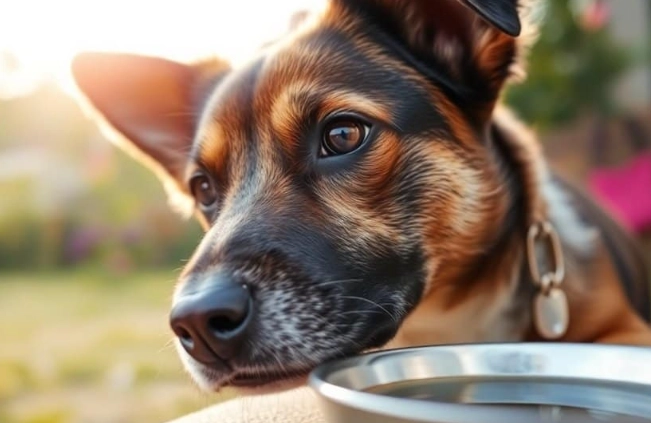
Why do dogs get them? It often comes down to opportunity and a dog's individual defense mechanisms. Bacteria from the skin or gastrointestinal tract can migrate up the urethra and into the bladder. If a dog's immune system is having an off day, or if they don't empty their bladder completely and frequently, those bacteria can set up shop and multiply. It's a numbers game that sometimes goes against them.
Some dogs are just more prone to UTIs than others. It's frustrating, but knowing the risk factors can help you stay vigilant.
- Female Dogs: This is the big one. Female dogs have a shorter, wider urethra than males, which gives bacteria a shorter, easier path to the bladder. It's simple anatomy, but it makes a huge difference.
- Older Dogs: As dogs age, their immune systems can become less robust, and they may develop other conditions (like kidney issues or incontinence) that predispose them to infections.
- Dogs with Underlying Health Issues: Diabetes, Cushing's disease, kidney stones, or bladder tumors can all create an environment where UTIs thrive. The infection might be a symptom of a bigger problem.
- Dogs with "Recessed" Vulvas or Other Conformational Issues: This is a common but often overlooked one in certain breeds. Skin folds can trap moisture and bacteria close to the urethral opening.
- Dogs on Certain Medications: Long-term steroid use can suppress the immune system.
The Tell-Tale Signs: Recognizing UTI Symptoms in Dogs
This is the part everyone searches for. What does a UTI actually look like in your dog? The symptoms can range from blatantly obvious to frustratingly vague. I like to split them into two groups: the classic, textbook signs and the more subtle, behavioral ones that are easy to miss.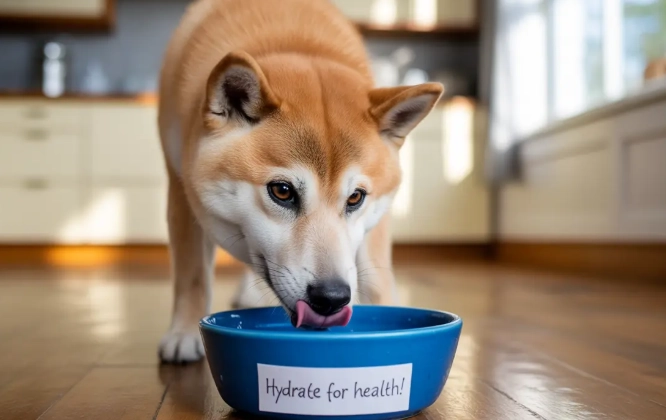
Classic, Hard-to-Miss UTI Symptoms
These are the red flags that usually send pet owners straight to the vet or to Google in a panic.
| Symptom | What It Often Looks Like | Why It Happens & What It Might Mean |
|---|---|---|
| Frequent, Urgent Urination | Your dog asks to go out constantly, even right after coming inside. They may only produce a few drops each time. This is often called "pollakiuria." | The inflamed bladder wall feels full and irritated even when it's nearly empty, sending constant "need to go!" signals to the brain. |
| Straining or Difficulty Urinating | Your dog assumes the position but takes a long time to start, seems to be pushing hard, or cries out while trying to go. This is a medical emergency in male dogs, as it can indicate a blockage. | Inflammation and swelling in the urethra or bladder neck make it physically hard to pass urine. Painful spasms can also occur. |
| Blood in the Urine (Hematuria) | The urine may look pink, red, or rusty. Sometimes you'll just see drops of blood at the end of urination or on the ground. It can be scary to see. | The inflamed lining of the bladder or urethra is bleeding. The presence of blood alone doesn't indicate severity, but it always warrants a vet visit. |
| Cloudy or Strong-Smelling Urine | Instead of clear yellow, the urine looks murky or has an unusually pungent, almost foul odor. | The cloudiness comes from pus (white blood cells fighting the infection), bacteria, and cellular debris. The smell is from the byproducts of bacterial metabolism. |
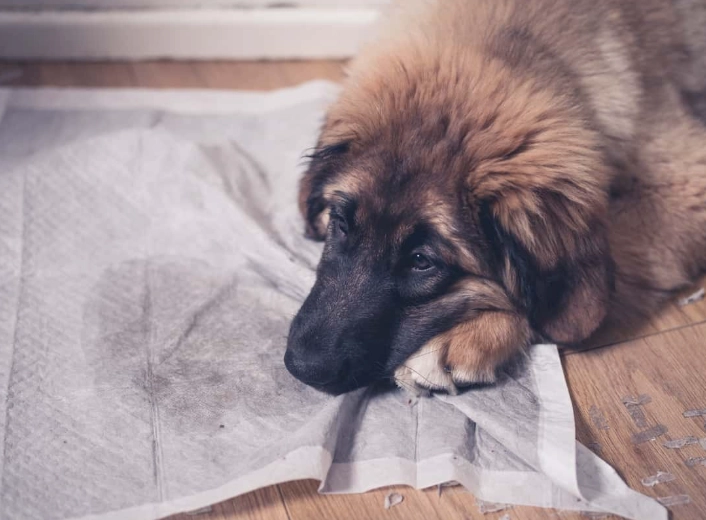
| Accidents in the House | A previously perfectly house-trained dog suddenly has accidents. They may seem surprised or ashamed by it. | The urgency is so intense they simply can't hold it long enough to get outside. This is not a behavioral issue; it's a medical one. |
If you see any combination of these, it's a pretty strong signal that something is wrong in the urinary tract. But the story doesn't end there.
Subtle & Behavioral UTI Symptoms in Dogs
This is where things get tricky. Sometimes, especially in early stages or in dogs who are stoic, the uti symptoms in dogs don't shout; they whisper. These signs are easy to attribute to "just getting older" or "having an off day."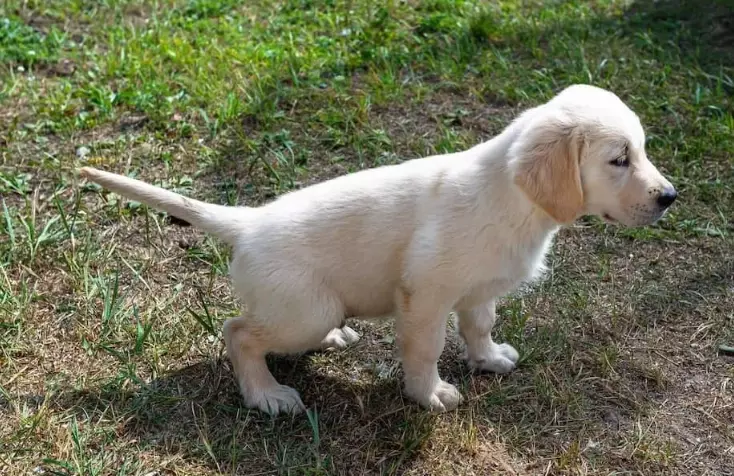
- Excessive Licking of the Genital Area: This is a big one. They're trying to soothe the irritation. You might notice a wet patch of fur or even some redness or hair loss in the area.
- General Lethargy or Listlessness: Your normally energetic pup is just... blah. They sleep more, don't want to play, and seem generally unwell. Fighting an infection takes a lot of energy.
- Mild Fever: You might not notice this unless you take their temperature (a dog's normal rectal temp is 101-102.5°F). A warm, dry nose is not a reliable indicator, despite the old myth.
- Change in Water Consumption: Some dogs drink more, trying to flush out the system. Others might drink less if they associate urination with pain.
- Subtle Signs of Pain: Whining, restlessness, a tucked-up abdomen, or reluctance to be picked up or touched around the belly. A dog's "pain face" can be very subtle – squinty eyes, tight lips, ears held back.
It's the combination of these subtle signs with maybe one classic symptom that often forms the full picture. Maybe your dog is licking a lot and had one small accident. That's your clue.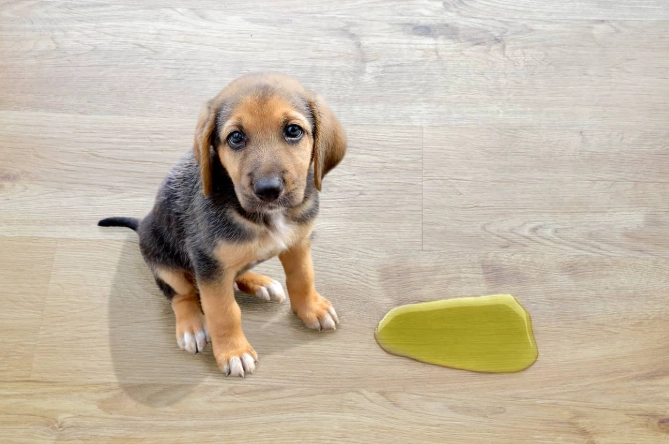
Getting a Diagnosis: What Happens at the Vet
Okay, so you've spotted some potential uti symptoms in your dog and you've made the vet appointment. What next? Knowing what to expect can make the process less stressful for both of you.
The vet's goal is to do two things: 1) confirm there is an infection, and 2) figure out the best antibiotic to treat it. Throwing a random antibiotic at a UTI is how we end up with resistant bacteria and recurrent infections. A proper work-up is worth it.
- The Physical Exam: The vet will feel your dog's abdomen, checking for a large, painful, or tense bladder. They'll also check temperature and look for any anatomical issues.
- The Urine Sample: This is key. The best sample is a "cystocentesis" – where the vet uses a tiny needle to draw urine directly from the bladder through the abdominal wall. It sounds scary, but it's quick, sterile, and gives the most accurate picture of what's in the bladder itself. A mid-stream free-catch sample is the next best thing.
- Urinalysis (UA): They'll dip a test strip in the urine to check for blood, protein, pH, and nitrites (a byproduct of some bacteria). They'll also spin the sample in a centrifuge and look at the sediment under a microscope. Here, they can see red blood cells, white blood cells (a sign of inflammation/infection), and, crucially, bacteria. Seeing bacteria under the microscope strongly suggests an infection.
- Urine Culture and Sensitivity (C&S): This is the gold standard, especially for recurrent or stubborn infections. The urine is sent to a lab where they try to grow the bacteria. Once it grows, they test which antibiotics effectively kill it. This tells your vet the exact bug and the best weapon against it. The Cornell University College of Veterinary Medicine and other institutions stress the importance of culture for guiding appropriate therapy.
Treatment: Beating the Infection and Supporting Your Dog
Once the vet has a diagnosis, treatment usually follows a clear path, but it requires diligence on your part.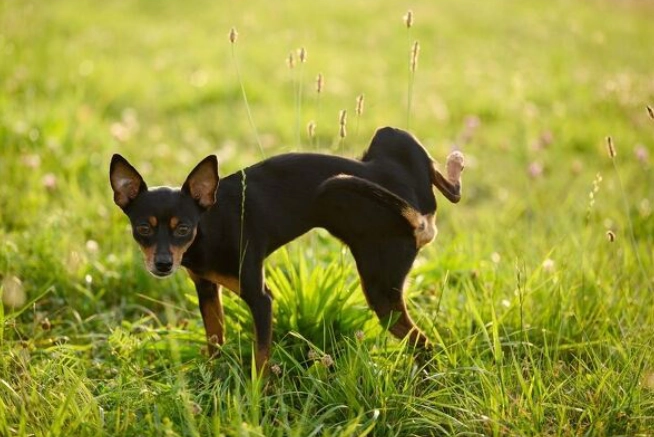
Antibiotics: The Main Event
Your vet will prescribe an antibiotic, ideally based on the culture results. The single most important thing you can do is finish the entire course, even if your dog seems perfectly better after a few days. Stopping early is a prime way to create a rebound infection that's harder to treat. Give the pills with food if possible to avoid stomach upset.
Pain and Inflammation Management
UTIs hurt. Your vet may also prescribe an anti-inflammatory pain medication to make your dog more comfortable while the antibiotics work. This can make a world of difference in their quality of life during treatment.
Supportive Care at Home: Your Role
While the meds do their job, you can actively help your dog heal.
- Encourage Water Intake: Diluted urine is less irritating. Add water to their kibble, offer ice cubes, use a pet water fountain (the moving water entices some dogs to drink more), or offer low-sodium chicken or bone broth.
- Frequent Potty Breaks: Let them out more often than usual. This helps flush bacteria out of the bladder mechanically and prevents urine from sitting stagnant.
- Keep Them Clean and Dry: For female dogs, gently wiping the area with a soft, damp cloth after they urinate can help remove bacteria-laden residue. Just pat dry afterwards.
- Monitor Closely: Keep a simple log: note urination frequency, any visible blood, and general energy level. This is invaluable information for your vet at the follow-up.
Prevention: How to Stop UTIs Before They Start
If your dog has had one UTI, you'll do anything to prevent another. The goal is to make the urinary tract a hostile place for bacteria and a healthy place for your dog.
Here’s a ranked list of the most effective strategies, based on veterinary advice and my own experience.
- Champion Hydration. This is the number one, most powerful tool. Well-hydrated dogs produce more urine, which flushes the system more often and keeps urine less concentrated. Always have fresh water available. Consider wet food, which has a much higher moisture content than kibble.
- Don't Make Them Hold It. A full bladder that sits for hours is a breeding ground. Ensure regular, frequent bathroom breaks. For working owners, a dog walker midday can be a game-changer.
- Practice Good Hygiene. For prone dogs, especially females or those with folds, regular gentle cleaning of the rear end can prevent bacterial migration. Ask your vet for a recommended, pH-balanced wipe.
- Consider a Targeted Diet or Supplement. Some veterinary prescription diets are formulated to support urinary health. There are also over-the-counter supplements like D-Mannose (a sugar that can bind to E. coli bacteria) or cranberry extracts (which may prevent bacteria from adhering to the bladder wall). Always talk to your vet before starting any supplement – what works for one dog may not be right for another, and quality varies wildly.
- Manage Underlying Conditions. If your dog's UTI is secondary to diabetes or another illness, diligent management of the primary condition is the best prevention.
- Probiotics? The evidence is still emerging, but the theory is that promoting good gut (and potentially urinary) flora can crowd out bad bacteria. It's a low-risk option to discuss with your vet.
Prevention isn't about one magic bullet. It's about stacking these habits to tilt the odds heavily in your dog's favor.
Common Questions About UTI Symptoms in Dogs
Look, navigating your dog's health can feel overwhelming. Seeing potential uti symptoms in dogs is worrying. But knowledge is your best tool. You know your dog better than anyone. You're the one who notices the extra lick, the slight hesitation before going out, the tiny change in behavior. Trust that instinct.
Arm yourself with this information, partner with a vet you trust, and be your dog's advocate. Ask questions. Understand the "why" behind the treatment. Focus on hydration and prevention. It makes all the difference.
The goal isn't just to treat an infection once; it's to ensure your furry best friend stays happy, comfortable, and by your side for as many years as possible. Paying attention to their urinary health is a big part of that.
Related Articles