Can Dogs Eat Mango? A Complete Safety Guide for Pet Owners
Quick Navigation
- Why Even Consider Mango for Your Dog? The Good Stuff
- The Not-So-Sweet Side: Risks and Dangers You MUST Know
- The Step-by-Step Guide: How to Safely Prepare Mango for Dogs
- How Much Mango is Okay? The Moderation Rule
- Answering Your Burning Questions (FAQs)
- The Final Verdict: Should You Share Your Mango?
So, you're sitting there, enjoying a juicy slice of mango, and those big, begging eyes lock onto you. That classic doggy stare that asks, "Can I have some?" It happens all the time in my house. My golden retriever, Buddy, has a radar for anything that crinkles like a treat bag or smells sweet. And mango? That smell is irresistible. I used to just guess, giving him a tiny piece and hoping for the best. But after a minor scare with another food (let's just say avocado is permanently off the menu), I decided to actually do the research. I talked to our vet, dug into resources from places like the American Veterinary Medical Association (AVMA), and read more pet nutrition articles than I care to admit.
Here’s the deal I wish I had known from the start. The short answer to "can dogs eat mango?" is a cautious yes. But—and this is a huge but—it's not as simple as just handing over a chunk. There's a right way and a very wrong way to do it. You need to know about the pit, the skin, the sugar, and how much is too much. Get it wrong, and you could be facing a costly vet visit or, worse, a real emergency. This guide is everything I learned, so you don't have to panic or guess next time your pup gives you the look.
Why Even Consider Mango for Your Dog? The Good Stuff
Let's be clear: your dog doesn't need mango. A high-quality commercial dog food should provide complete nutrition. But as an occasional snack? It can offer some nice perks. Think of it like us having a piece of dark chocolate—not essential, but with some potential benefits if chosen wisely.
Mango is packed with vitamins and fiber. Here’s what that actually means for your dog:
- Vitamins A, C, & E: These are antioxidants. Vitamin A is great for vision and immune health, Vitamin C can help with inflammation (though dogs produce their own), and Vitamin E supports skin and coat health. On a hot day, I sometimes blend a little frozen mango with plain yogurt for a "pup-sicle"—Buddy loves it, and his coat has been shinier since I started this occasional treat.
- Dietary Fiber: This can aid in digestion and help keep things regular. If your dog occasionally has minor constipation, a small amount of mango might help. But too much fiber too fast? That's a recipe for gas or diarrhea. Trust me, you don't want that.
- Potassium & Beta-Carotene: Good for nerve function and overall cellular health.
It's a hydrating fruit, too, with a high water content. On a summer day, a cold piece of mango can be a refreshing little snack. But here's my personal take: while the nutrients are a bonus, the primary reason to give mango is for variety and as a bonding experience. The joy on Buddy's face when he gets a special piece of fruit is the real benefit for me.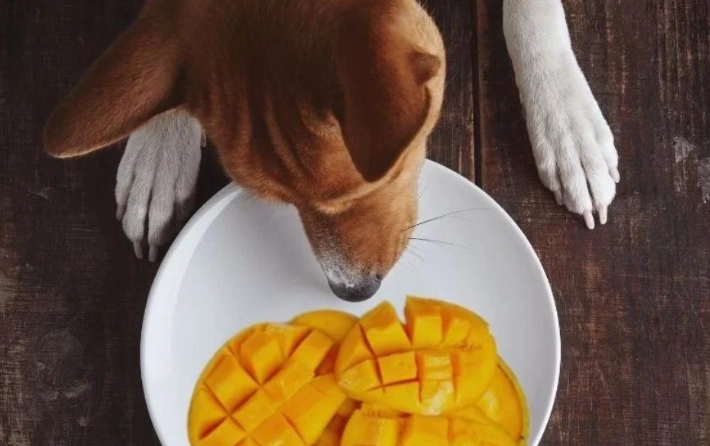
The Not-So-Sweet Side: Risks and Dangers You MUST Know
This is the critical part. The reason "can dogs eat mango" requires a detailed answer and not just a yes. The risks are very real, and ignoring them is how pets get hurt.
The Major Physical Hazards: Pit and Skin
The mango pit is a nightmare waiting to happen. It's large, extremely hard, and oblong—perfect for getting lodged in a dog's throat or intestines. A blockage is a life-threatening surgical emergency. Even if they manage to crunch it (unlikely), the pieces can be sharp. The skin, while not toxic, is tough and difficult for dogs to digest. It can cause stomach upset or, in a worst-case scenario, contribute to a blockage, especially in smaller dogs.
The Chemical Concern: A Tiny Amount of Cyanide
This sounds scarier than it typically is, but knowledge is power. The mango pit, and to a much lesser degree the skin, contain trace amounts of amygdalin, which can break down into cyanide. The amount in the flesh is negligible and not a concern. The risk from the pit is twofold: the physical blockage is a far greater and more immediate danger than the trace toxins. But it's another compelling reason that pit must go. The ASPCA Animal Poison Control Center lists the pits of many fruits as a concern for this reason.
Sugar and Calories: The Sneaky Problem
Mango is high in natural sugars. For a dog, especially one that's overweight, diabetic, or prone to pancreatitis, this sugar spike is no good. It's empty calories that can lead to weight gain. I have a friend whose beagle gained a surprising amount of weight, and the culprit turned out to be "healthy" fruit snacks in addition to his regular food. Moderation is not just a suggestion here; it's a rule.
Allergies and Sensitivities
Just like people, dogs can be allergic to anything. It's rare with mango, but possible. The first time you offer mango, give only a teaspoon-sized amount and watch for the next 24 hours. Signs of an issue include:
- Itching, hives, or skin redness
- Gastrointestinal upset (vomiting, diarrhea)
- Swelling around the face or mouth
- Difficulty breathing (seek immediate vet care if this happens)
The Step-by-Step Guide: How to Safely Prepare Mango for Dogs
Getting it right is simple if you follow these steps. It takes an extra two minutes and turns a risky snack into a safe one.
- Choose a Ripe Mango: A ripe mango is softer and easier to digest. Avoid unripe, sour mangoes as they are harder on the stomach.
- Wash Thoroughly: Rinse the outer skin under water to remove any pesticide residue or dirt before you start cutting.
- Peel It Completely: Use a vegetable peeler or knife to remove all of the skin. Don't cut corners here.
- Cut Around the Pit: The pit is flat and runs through the center. Slice the flesh off the sides, avoiding the pit.
- Dice into Bite-Sized Pieces: Cut the flesh into small cubes appropriate for your dog's size. For a small dog, this means pieces smaller than a blueberry. For a large dog, maybe the size of a dice.
| Preparation Method | Safe for Dogs? | Reason & Notes |
|---|---|---|
| Fresh, Peeled, Pitted, Cubed Flesh | YES | The only universally safe way. Perfect as a tiny treat. |
| Frozen Mango Cubes | YES, with caution | Great for teething puppies or hot days. Supervise to prevent choking on the hard, frozen piece. I let mine thaw slightly. |
| Dried Mango / Mango Chutney | NO | Often loaded with added sugar, preservatives, and sometimes even onions or garlic (which are toxic to dogs). The concentrated sugar and chewy texture are bad news. |
| Canned Mango in Syrup | NO | The heavy sugar syrup is terrible for dogs and can cause stomach upset and weight gain. |
| Mango Skin or Pit | ABSOLUTELY NOT | Choking, blockage, and toxin risk. The single biggest danger when asking "can dogs eat mango?". |
How Much Mango is Okay? The Moderation Rule
This isn't a meal. It's a treat. The common guideline from vets is that treats should make up no more than 10% of your dog's daily caloric intake. For mango, that means a very small amount.
Think of it this way: one standard cup of mango cubes has about 100 calories. For a 20-pound dog, that could be nearly a third of their daily calorie needs! So, we're talking a few small cubes at most.
When in doubt, less is always more.
Answering Your Burning Questions (FAQs)
I get a lot of specific questions from other dog owners. Here are the most common ones, answered as plainly as I can.

The Final Verdict: Should You Share Your Mango?
Look, after all this, you might be thinking it's easier to just say no. And you know what? That's a perfectly valid and safe choice. Your dog won't feel deprived. There are plenty of other dog-specific treats that are formulated to be completely safe.
But if you, like me, enjoy sharing the occasional human-food moment with your furry companion, then mango can be on the menu. The key is respect: respect for the risks, respect for the preparation process, and respect for the rule of moderation.
So, can dogs eat mango? With the right knowledge and care, yes, they can. Just make sure you're the one in control of how that treat is served. Your dog's health and safety are always worth that extra minute of preparation.
Related Articles