Anole Lizard Care Guide: Species, Habitat, and Behavior Facts
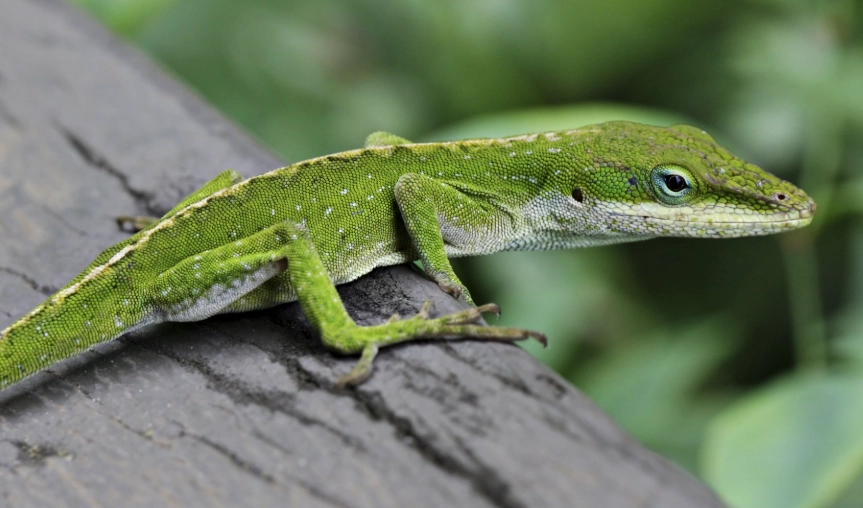
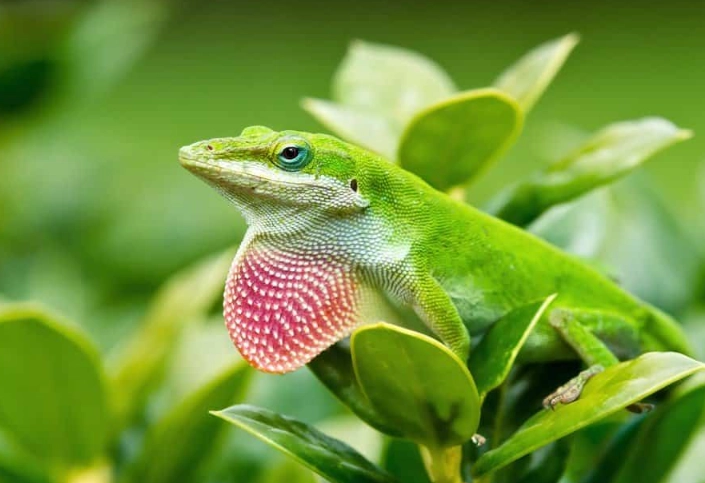
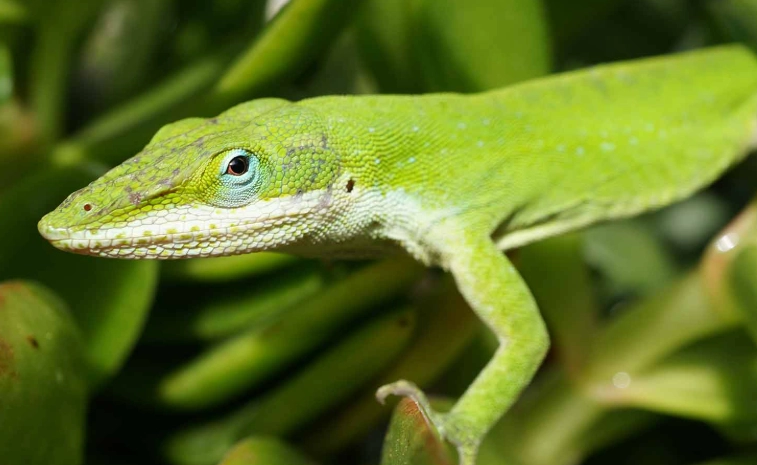
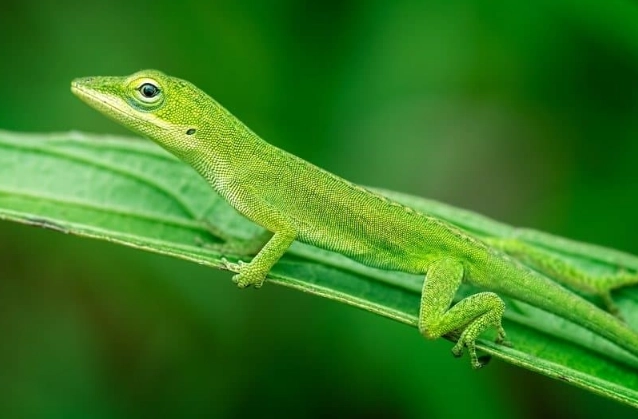
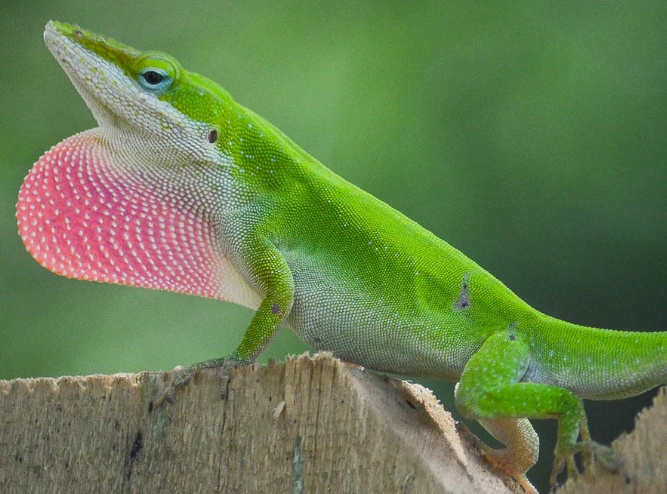
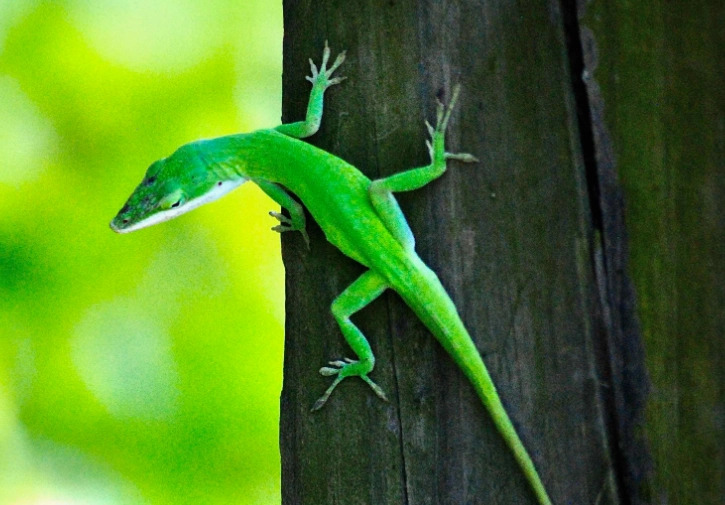
You've probably seen them. A flash of green on a fence post, or a tiny brown lizard doing push-ups on a sunny wall. Anole lizards are everywhere in their native ranges, and they've become a staple in the pet trade too. But what's the real story behind these common reptiles? I remember my first anole. It was a little Green Anole I caught as a kid in Florida. I put it in a shoebox with some leaves, thinking I was a master herpetologist. It was dead by morning. I had no clue what it needed. Heat? Humidity? Live food? That experience stuck with me, and it's a big reason I want to lay out everything you actually need to know—so you can avoid the mistakes I and so many others make. Are they good pets? Are they easy to care for? What's the deal with the color change? Let's get into it. Most people picture the Green Anole. But the genus Anolis contains over 400 species. It's a wild, diverse group. In the southeastern United States, you're in a constant battleground between the native Green Anole and the invasive Brown Anole (Anolis sagrei). The Brown Anole is tougher, more aggressive, and often out-competes the Green Anole for ground-level space. You'll still find Greens, but they've been pushed higher up into trees and shrubs. It's a real-world example of ecology happening in backyards. Here’s a quick rundown of the most common anole lizards you'll encounter, either in the wild or in a pet store: See? It's not a one-size-fits-all situation. Their care, size, and behavior differ a lot. The pet trade mostly deals with Green and Brown Anoles, often sold cheaply as "feeders" or beginner pets. That's a problem, because their needs are specific. These lizards are built for their lifestyle. Let's break down their most famous features. That colorful flap of skin under their chin? It's called a dewlap. Males use it constantly—to attract females, to warn off rival males, to define their territory. Each species has a unique color (pink for Green Anoles, orange-red for Browns). They extend it by pushing a bone in their throat forward. It's a visual billboard. A male anole lizard without a vibrant, working dewlap is like a knight without a banner. Their toes have expanded pads covered in microscopic hairs (setae) that allow them to cling to and climb almost any surface—glass, leaves, smooth walls. It's a weaker version of a gecko's grip, but incredibly effective for their size. And that tail. It can autotomize, meaning it breaks off to distract a predator. It'll wiggle violently for minutes. The anole escapes, and the tail grows back, though the new one is often darker and made of cartilage rather than bone. It's a neat trick, but losing it is stressful and costs the lizard energy and fat reserves. This is the biggest misconception. Green Anoles do not change color to match their background like a chameleon. Not at all. Their color change is primarily linked to mood, temperature, stress, and health. A bright green anole lizard is usually warm, relaxed, and healthy. A brown anole might be cold, stressed, scared, or sick. It's a physiological response, not a conscious camouflage attempt. Seeing your pet anole constantly brown is a red flag that something's wrong in its environment. This is where most first-time owners fail, including young me. A small plastic critter keeper with a paper towel and a dish of water is a death sentence. These are tropical, arboreal lizards. The Tank: Go vertical. A tall terrarium is non-negotiable. For a single Green or Brown Anole, a 10-gallon tank is the absolute bare minimum, but a 20-gallon tall is much better. For a pair, start with a 20-gallon tall. Screen tops are great for ventilation. Heat and Light: They're ectotherms. They need an external heat source to function. You need a temperature gradient. Humidity and Water: Aim for 60-70% humidity. Mist the tank heavily 1-2 times daily with dechlorinated water. They rarely drink from a dish; they lick water droplets from leaves and glass. A small, shallow water dish is still good for raising humidity. Use a digital hygrometer to monitor levels. Substrate and Decor: Go for something that holds moisture like coconut fiber, cypress mulch, or a bioactive mix. Then, clutter it! Branches, vines, cork bark tubes, and lots of live or artificial plants (like Pothos or Sansevieria) are essential. An anole lizard needs hiding spots and climbing paths at all levels. A bare tank is a stressed anole. They are strict insectivores. No fruits, veggies, or dog food. Their diet needs variety. Staple Feeder Insects: Small crickets, dubia roach nymphs, and black soldier fly larvae are excellent staples. The rule of thumb: never feed an insect wider than the space between the anole's eyes. Occasional Treats: Small mealworms, waxworms (very fatty), and fruit flies for young anoles. The Supplementation Routine (This is Vital): Feed juveniles daily, adults every other day. Offer only as many insects as they can eat in 10-15 minutes. Remove uneaten crickets, as they can bite and stress your lizard. Watching an anole lizard hunt is fascinating. They use their excellent binocular vision to track prey, then shoot out their sticky tongue with incredible speed and accuracy. It's over in a blink. Let's be honest: anoles are not cuddly, handleable pets like a bearded dragon. They are watch-and-appreciate pets. Most are naturally nervous and view you as a giant predator. They can be housed in pairs or small groups, but be careful. The classic setup is one male with one or more females. Never house two male anole lizards together. They will fight relentlessly, leading to injury, stress, and one being deprived of food and heat. Females can sometimes be housed together, but watch for bullying. Their daily life is a cycle of basking, hunting, patrolling territory, and displaying. That iconic "push-up" motion is a display of strength and territory ownership. If you see it a lot, your anole is feeling assertive. You can work on habituation. Move slowly around the tank. Offer food from long, soft-tipped tweezers. Eventually, some may learn to associate you with food and become less frantic. Some may even climb onto your hand voluntarily. But don't expect it. Grabbing them from above will always trigger a predator response. If you must handle, let them walk onto your hand or gently herd them into a container. A healthy anole lizard is alert, has bright eyes, a rounded body (not bony hips or spine), and a good appetite. Here are the big problems: Finding a vet who sees reptiles before you have an emergency is a crucial step many owners skip. If you have a compatible pair and conditions are right (good diet, proper seasonal light cycles), they may breed. The male will perform an elaborate display, bobbing and extending his dewlap. After mating, the female will lay a single, soft-shelled egg in the moist substrate every 1-2 weeks for a period. These eggs need to be carefully incubated in a separate container with damp vermiculite at around 78-82°F (26-28°C). Hatching takes about 5-7 weeks. The hatchlings are tiny replicas and need pinhead crickets and fruit flies immediately. It's a demanding but rewarding process for an experienced keeper. The Smithsonian's National Zoo provides excellent species profiles that include basic reproductive biology for animals like the Green Anole. Here’s where I try to guess what you're really wondering. Do your research—beyond just this guide. Look at care sheets from reputable sources, join forums, and talk to breeders. The more you know before you bring one home, the better life you'll give your anole. And maybe you won't end up with a sad shoebox story like I did.Your Quick Guide to Anole Lizards
Meet the Anole Family: It's More Than Just the Green One
Common Name
Scientific Name
Key Features & Origin
Typical Disposition
Green Anole
Anolis carolinensis
Native to southeastern US. Can change from bright green to brown. Has a pink dewlap.
Nervous, arboreal. Can be skittish.
Brown Anole
Anolis sagrei
Invasive in Florida/US South. Stockier build, pattern varies from brown to almost black. Orange-red dewlap.
Bold, terrestrial/ low shrub dweller. Often seen doing "push-ups."
Knight Anole
Anolis equestris
Large (up to 20 inches!), native to Cuba. Vibrant green with yellow stripes.
Assertive, can be aggressive. Not for beginners.
Bark Anole
Anolis distichus
Small, from the Bahamas/Florida. Masters of camouflage on tree bark.
Cryptic, calm.
What Makes an Anole Lizard Tick? Anatomy and Cool Adaptations
The Famous Dewlap: It's Not Just for Show
Sticky Feet and a Detachable Tail
The Truth About Color Change
Setting Up the Perfect Anole Lizard Home: A Realistic Guide
Feeding Your Anole Lizard: It's a Live Food Game
Behavior, Social Life, and Handling Expectations
Common Health Issues: What to Watch For
Breeding Anole Lizards: A Brief Overview
Anole Lizard FAQs: Answering Your Real Questions