Bloat in Dogs: Signs, Prevention, and Emergency Action
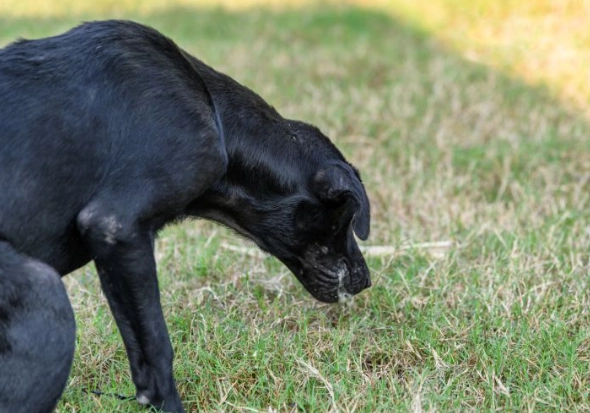
Let's cut straight to it. If you're reading this because your dog's belly looks swollen and hard, stop reading and call your vet or an emergency animal hospital right now. Seriously. Bloat, or Gastric Dilatation-Volvulus (GDV), kills dogs within hours. It's that fast. For everyone else who's here to learn and prepare (smart move), you're about to get the no-nonsense guide that could one day save your dog's life. I've seen this too many times in my years working with large breeds, and the common thread in the sad stories is always waiting too long to act. People throw around "bloat" casually, but vets make a crucial distinction. First, there's simple gastric dilation. The stomach fills with gas, food, or fluid. It's painful and dangerous, but it's still in the right place. Then there's GDV. This is the nightmare scenario. The swollen stomach doesn't just sit there—it twists. Imagine wringing out a wet towel. That twist traps everything inside, cuts off blood supply, and sends the dog into shock. The stomach tissue starts dying. The spleen often gets dragged along and damaged. According to a study highlighted by the American Veterinary Medical Association (AVMA), the mortality rate for GDV can be as high as 30%, even with treatment. The twist is what makes it a dire surgical emergency. No amount of home remedy can untwist a stomach. Time is tissue, and you're on the clock. Forget the textbook list. Let's talk about how this actually unfolds. It often starts within two hours of eating, especially a large meal or drinking a huge amount of water. Your dog might not cry or whine. They often get quiet and restless. They'll pace, unable to get comfortable. You might see unproductive retching or gagging—they try to vomit but only produce small amounts of foam or saliva. This is a HUGE red flag. A normal sick dog usually vomits. A dog with a twisted stomach can't. Look at their abdomen. Does it look distended? Feel it gently. In early stages, it might feel tight like a drum, not necessarily huge. They may drool excessively because they can't swallow. As shock sets in, their gums will turn pale or even blueish. Their heart rate skyrockets. They'll become weak, may stagger, and eventually collapse. Breathing becomes rapid and shallow. By this stage, the internal damage is severe and the clock is dangerously close to running out. A Common Mistake I See: Owners feel the belly, think it's "maybe just gas," and decide to "wait and see." Or they give Pepto-Bismol. This wastes the only window you have. If you see a combination of restlessness, a firm belly, and unproductive retching in a at-risk breed, assume it's an emergency. Let the vet be the one to tell you it's not GDV. We don't know the single cause, but we know the perfect storm of risk factors. It's not just about deep-chested dogs, though that's the biggest one. A study from the Purdue University College of Veterinary Medicine's ongoing GDV research has highlighted these risk factors consistently. It's the combination that's deadly. You'll see a lot of lists. Here's my prioritized version, based on what actually moves the needle. Feeding Management is Non-Negotiable. Split their daily food into at least two, preferably three, smaller meals. This is more effective than any gadget. Use a slow-feed bowl or puzzle feeder to stop gulping. Wait at least 60-90 minutes after eating before any strenuous activity. And wait an hour after heavy play before feeding. Water Access Needs Thought. Don't restrict water overall, but do prevent the "tank-up" behavior. Offer small amounts frequently, especially around meal times, instead of letting them empty a full bowl in one go after eating dry kibble. The Prophylactic Gastropexy. This is the big one most owners hesitate over. A gastropexy is a surgery where the vet surgically attaches the stomach wall to the body wall. It prevents the twist (volvulus). It does not prevent the initial bloating, but it stops it from becoming fatal GDV. For high-risk breeds, many vets recommend doing this during spay/neuter or as a standalone laparoscopic (minimally invasive) procedure. It's not a trivial decision, but for a Great Dane owner, it's often a no-brainer. Talk to your vet about it. Avoid raised food bowls. This is a controversial one, but several studies, including one often cited from the Journal of the American Veterinary Medical Association, have suggested elevated feeders may actually increase risk in large breeds. I stick with floor-level bowls for my dogs. Have this plan ready before you need it. At the clinic, treatment typically involves rapid IV fluids for shock, decompressing the stomach (often by passing a tube or using a needle), stabilizing the heart, and then emergency surgery to untwist the stomach, assess tissue damage, and perform a gastropexy to prevent recurrence. My dog's belly looks big after eating and he's panting a little. Is this bloat? Are certain dog foods more likely to cause bloat? My vet mentioned "tacking the stomach" during my dog's neuter. Is it worth it for a mixed breed? Can a dog survive bloat without surgery? The bottom line with bloat is this: knowledge and preparation trump panic. Know your dog's risk level. Have the prevention talk with your vet. Most importantly, memorize the early signs. That knowledge is what turns a potential tragedy into a stressful but survivable night at the animal hospital.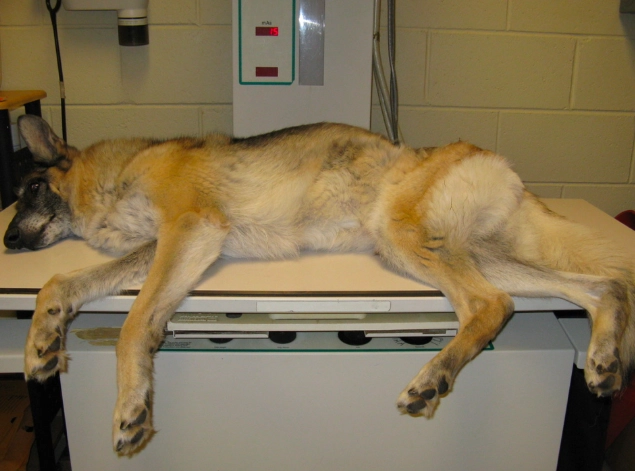
What You'll Learn in This Guide
What Exactly is Bloat (GDV)?

How to Spot the Signs of Bloat: A Minute-by-Minute Guide

The Early Warning Signs (The "Golden Hour")
The Crisis Escalates
Causes and Which Dogs Are Sitting Ducks
Real Prevention: More Than Just Slow-Feed Bowls
The Emergency Action Plan: What to Do When Every Second Counts
Questions You're Probably Asking
