Holland Lop Rabbit Care Guide: Essential Tips for Owners
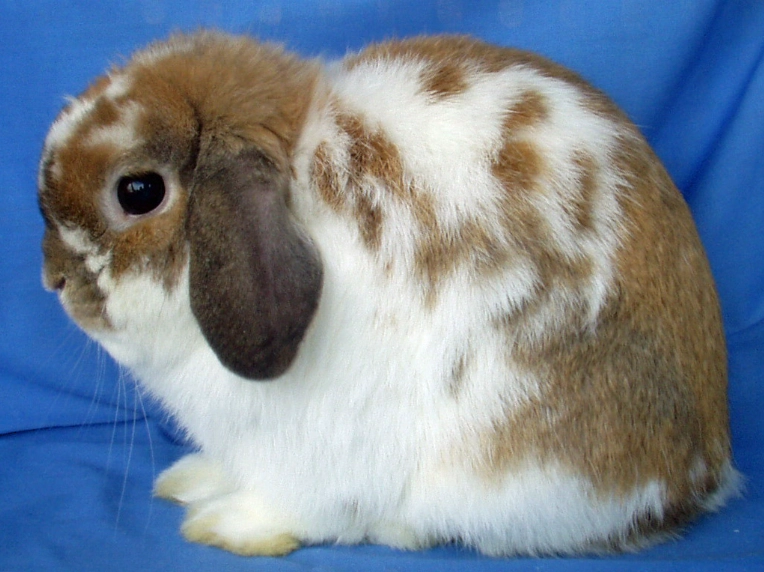
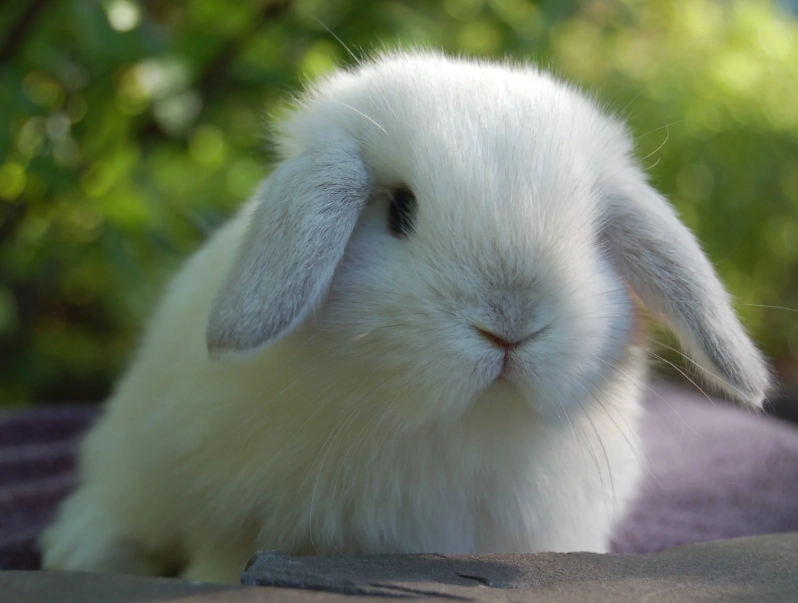
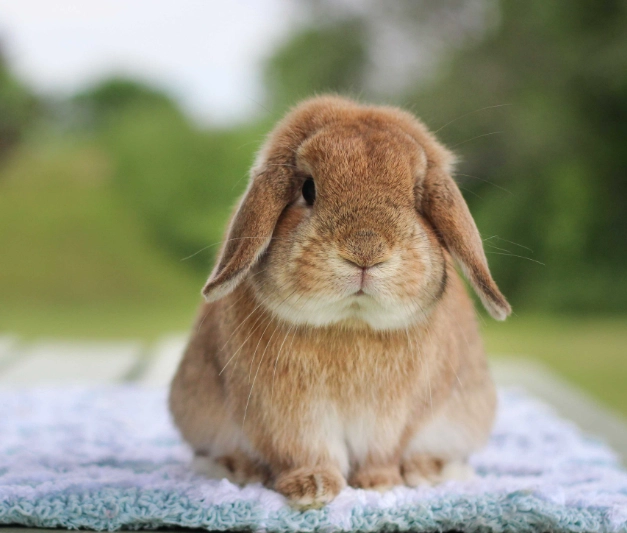
If you're here, you're probably smitten by those floppy ears and tiny faces. Holland Lop rabbits are incredibly popular pets, but let's cut to the chase: they're not just decorative. Owning one requires specific knowledge that many beginners miss. I've raised Holland Lops for over a decade, and I've seen too many people make the same mistakes—like assuming they're low-maintenance or feeding them only carrots. This guide will give you the real scoop, not just the fluffy stuff. The Holland Lop is a dwarf rabbit breed known for its compact size and distinctive drooping ears. Originating in the Netherlands in the 1950s, they were bred from French Lops and Netherland Dwarfs. They typically weigh between 2 to 4 pounds, making them ideal for indoor living. But here's something most articles don't mention: their ear carriage can vary. Some have ears that lop perfectly, while others might have one ear up—this doesn't affect their health, but breeders often charge more for "perfect" lopping. According to the American Rabbit Breeders Association (ARBA), they come in a wide range of colors, from solid black to broken patterns. I remember my first Holland Lop, Benny. He had one ear that never fully dropped, and it gave him a quirky charm. Don't get hung up on aesthetics; focus on personality. This is where most new owners slip up. Holland Lops need more than just a cage and food. A common mistake is using a small pet store cage. Holland Lops are active; they need room to hop and explore. Aim for a enclosure at least 4 feet by 2 feet, with a solid floor to prevent sore hocks. I use a customized pen with a fleece liner—easy to clean and soft on their feet. Include hiding spots like tunnels or boxes; they're prey animals and feel safer with cover. Let them out for supervised playtime daily. Benny would zoom around my living room for hours, and it kept him happy and healthy. Many owners overfeed pellets, leading to obesity. Holland Lops thrive on a diet of hay (timothy or orchard grass), fresh vegetables, and limited pellets. Here's a quick table to break it down: I learned the hard way with my first rabbit, Daisy. I fed her too many pellets, and she gained weight quickly, leading to mobility problems. Stick to hay as the staple. Their floppy ears can trap moisture and dirt, leading to infections. Check ears weekly for wax buildup. Brush them at least twice a week—more during shedding seasons. Use a soft brush to prevent matting. Nail trimming is crucial; overgrown nails can cause pain and posture issues. If you're nervous, ask a vet to show you how. Holland Lops are often described as friendly and curious, but they have distinct personalities. Some are lap bunnies, while others are more independent. They communicate through body language: thumping means fear or annoyance, while circling your feet often signals affection or a request for food. One nuance I've noticed: they can be territorial. Benny would nip when I reached into his space too quickly. Start interactions slowly, letting them come to you. Bonding takes time; don't force it. They're social animals. Consider adopting a pair if you're away often, but introduce them properly—neutering helps reduce aggression. Holland Lops are prone to specific health problems. Dental issues are big because their teeth grow continuously. Provide plenty of hay to wear them down. GI stasis is a silent killer; symptoms include lethargy and loss of appetite. If your rabbit stops eating, see a vet immediately—don't wait. Ear infections, as mentioned, are common due to their ear shape. Keep ears dry and clean. Overgrown teeth can cause abscesses; regular vet check-ups are key. I've spent hundreds on vet bills for preventable issues. Invest in good diet and housing upfront to save money and stress later. Don't just buy from a pet store. Look for reputable breeders or rescue organizations. A good breeder will show you the parents and provide health records. Expect to pay $50 to $200, depending on lineage and location. When visiting, observe the rabbit's behavior. Are they active and alert? Avoid rabbits that seem lethargic or have runny eyes. Ask about vaccination history—though rabbits don't need core vaccines like dogs, some areas recommend against specific diseases. Prepare your home before bringing them home. Set up the enclosure, stock up on hay and pellets, and rabbit-proof areas by hiding wires and removing toxic plants. Adoption from shelters is a great option too. My second Holland Lop, Luna, came from a rescue, and she's been a joy. Holland Lops are wonderful companions if you're prepared. They offer endless entertainment and affection, but they demand responsibility. Start with the basics in this guide, observe your rabbit closely, and don't hesitate to seek advice from rabbit-savvy vets or communities like the House Rabbit Society. Happy hoppiness!Jump to What Matters
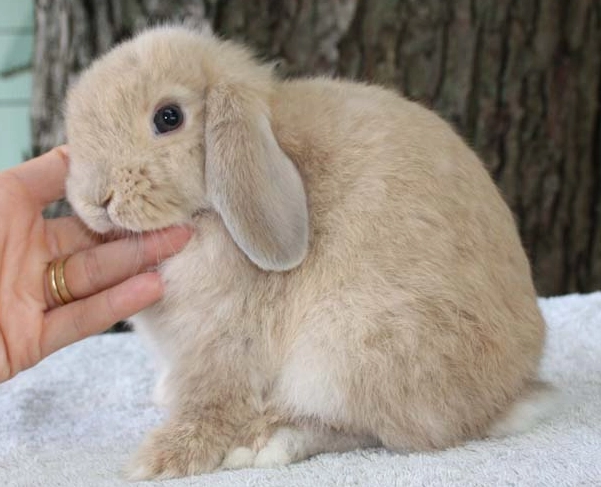
What Exactly is a Holland Lop Rabbit?
Holland Lop Care Essentials You Can't Ignore
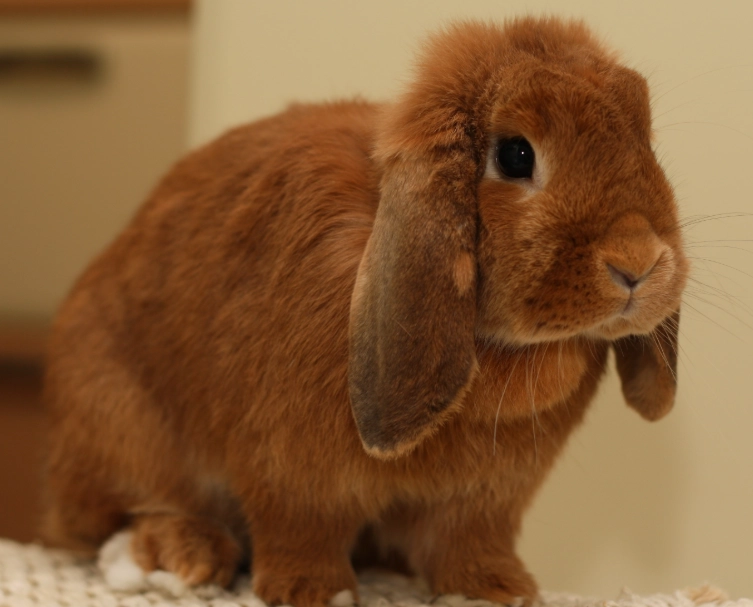
Housing and Habitat: Space Matters More Than You Think
Diet and Nutrition: It's Not Just About Pellets
Food Type
Daily Amount
Notes
Hay
Unlimited access
Essential for digestion and dental health
Fresh Veggies
1-2 cups per 2 lbs body weight
Include leafy greens like romaine, kale; avoid iceberg lettuce
Pellets
1/4 cup per 2 lbs body weight
Choose high-fiber, plain pellets without colorful bits
Treats
Sparingly
Fruits like apple slices, but too much causes GI issues
Grooming Needs: Those Ears Require Attention
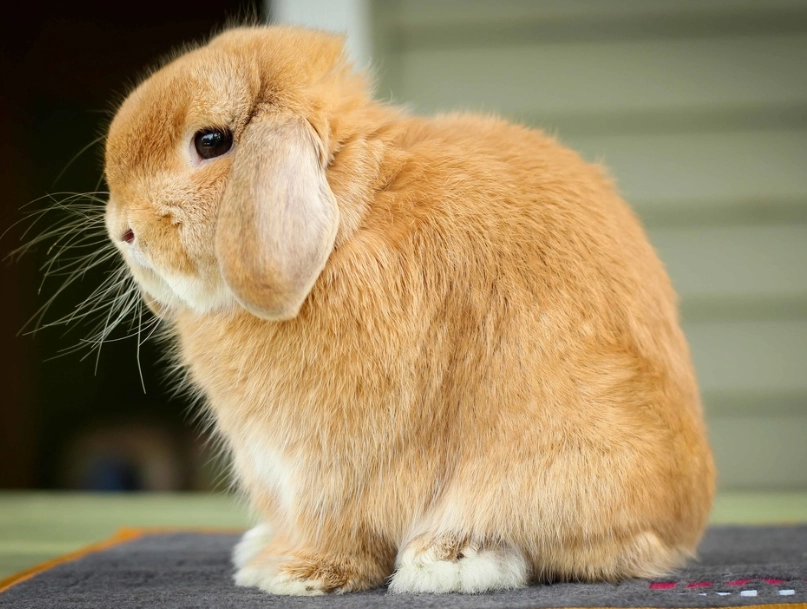
Understanding Holland Lop Behavior: Beyond the Cuteness

Common Health Issues and How to Prevent Them
How to Choose and Adopt a Holland Lop: A Step-by-Step Guide
Your Holland Lop Questions Answered