Probiotics for Dogs: A Complete Guide to Gut Health & Benefits
Let's talk about your dog's gut. It's not the most glamorous topic, but it might be the single most important factor in their overall health. I've seen it firsthand with my own dog, a rescue with a stomach made of glass. After years of trial, error, and a lot of research (and messy clean-ups), I learned that managing his gut flora wasn't about finding a magic pill, but understanding a system. Probiotics for dogs are a huge part of that system, but the market is flooded with options, and frankly, a lot of them are a waste of money.
This guide cuts through the noise. We'll move past the basic "probiotics are good" mantra and dive into the specifics you need: how to pick a product that actually works, common mistakes that sabotage your efforts, and what to realistically expect.
What's Inside This Guide
- What Are Probiotics and How Do They Work in Dogs?
- The Proven Benefits: More Than Just a Happy Tummy
- How Do I Choose the Best Probiotic for My Dog?
- Common Probiotic Strains for Dogs and What They Do
- Giving Probiotics to Your Dog: Practical Tips and Timing
- What Are the Side Effects of Probiotics for Dogs?
- Your Probiotics Questions, Answered
What Are Probiotics and How Do They Work in Dogs?
Think of your dog's digestive tract as a bustling city. Trillions of bacteria, both good and bad, live there. Probiotics are the reinforcements for the "good guy" population. They're live microorganisms that, when given in adequate amounts, confer a health benefit.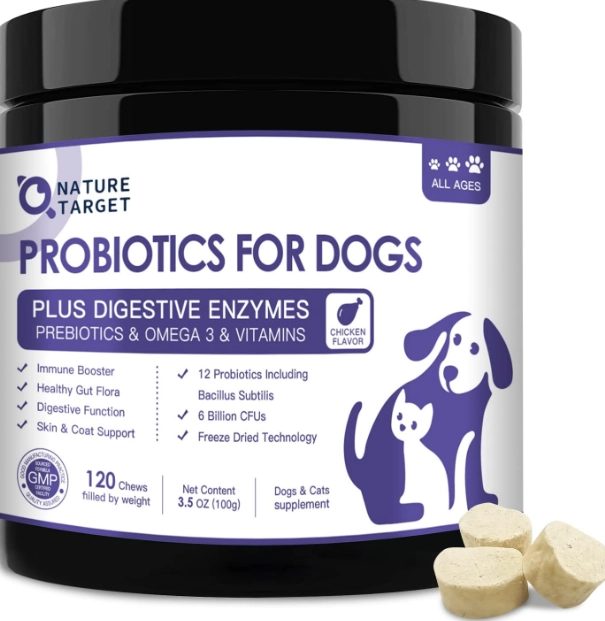
It's not just about adding more bacteria. It's about influence.
These beneficial bacteria work by:
- Crowding out pathogens: They compete for space and resources, making it harder for harmful bacteria like Salmonella or E. coli to take hold.
- Strengthening the gut barrier: They help maintain the integrity of the intestinal lining, which is crucial for preventing "leaky gut"—a condition where toxins seep into the bloodstream.
- Modulating the immune system: A staggering 70-80% of a dog's immune cells reside in the gut. The right bacteria "train" these immune cells, helping them respond appropriately to threats without overreacting (which can cause allergies).
- Producing beneficial substances: They create short-chain fatty acids (like butyrate) that nourish colon cells and vitamins like B and K.
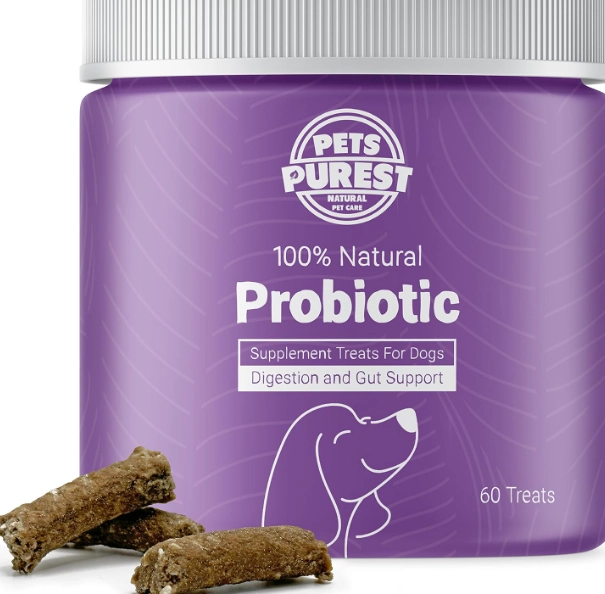
A quick note on prebiotics: You'll often see these paired with probiotics. Prebiotics (like inulin or FOS) are essentially food for the good bacteria. They're the fertilizer that helps your probiotic investment grow and thrive. A product with both is called a synbiotic.
The Proven Benefits: More Than Just a Happy Tummy
Sure, probiotics can help firm up loose stools. But if that's all you're using them for, you're missing out. The research, including studies referenced by authorities like the American Veterinary Medical Association (AVMA), points to broader impacts.
Digestive Health Champion
This is the classic use. Probiotics can be remarkably effective for acute diarrhea from dietary indiscretion (like when your dog raids the trash) and for managing chronic conditions like Inflammatory Bowel Disease (IBD). They can also help reduce gas and bloating.
Antibiotic Damage Control
Antibiotics are lifesavers, but they're like a bomb in the gut city—they wipe out everything, good and bad. Giving a probiotic during and for at least a week after antibiotic treatment can drastically reduce the risk of antibiotic-associated diarrhea and help repopulate the good bacteria faster.
Skin and Allergy Support
This connection blew my mind when I first learned about it. Since the gut and immune system are so linked, an imbalanced gut can manifest as itchy skin, hot spots, or allergies. Studies have shown specific strains can help reduce the severity of atopic dermatitis. It's not a cure, but a powerful piece of the management puzzle.
Anxiety and Behavior? Maybe.
The research here is newer but fascinating. The "gut-brain axis" is a real communication highway. Some early studies suggest a healthier gut microbiome might have a calming effect. I'm skeptical of any product claiming to be a miracle cure for anxiety, but as part of a holistic approach, supporting gut health certainly can't hurt.
How Do I Choose the Best Probiotic for My Dog?
This is where most people get it wrong. They grab the first bottle they see with a cute dog on it. Here's what to scrutinize instead.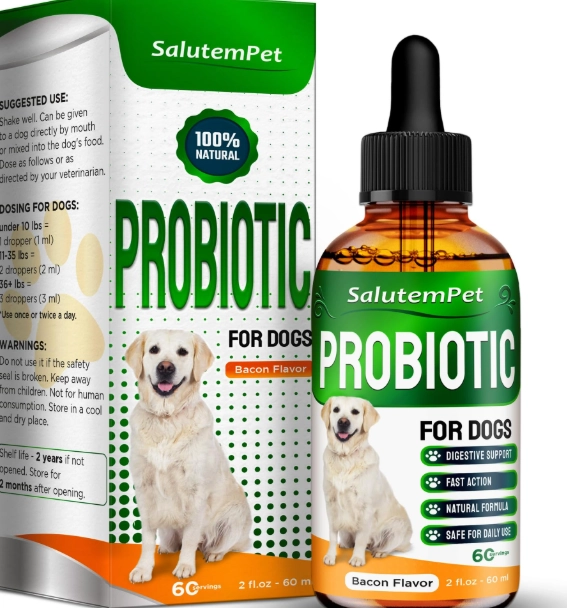
The #1 Mistake I See: Buying based solely on CFU count. "10 billion CFU!" sounds impressive, but if those cultures are dead on arrival or are strains that don't survive stomach acid, you're paying for expensive dust. Viability and strain specificity matter far more than a big number.
Look for a Multi-Strain Formula: Diversity is key. A blend of strains (e.g., Lactobacillus, Bifidobacterium, Enterococcus) is more likely to colonize different parts of the gut and offer broader benefits than a single-strain product.
Check for a "Use By" or Expiration Date: Probiotics are live organisms with a finite shelf life. Never buy a product without a clear expiration date.
Storage Matters: Some require refrigeration from the moment they're manufactured. Others are shelf-stable due to advanced packaging (like blister packs) or spore-forming strains. Read the label and follow it. If it says refrigerate, and it's sitting on a warm shelf, walk away.
Third-Party Testing: The gold standard. Look for brands that use independent labs to verify their CFU count at the end of shelf life, not just at manufacture. This proves potency.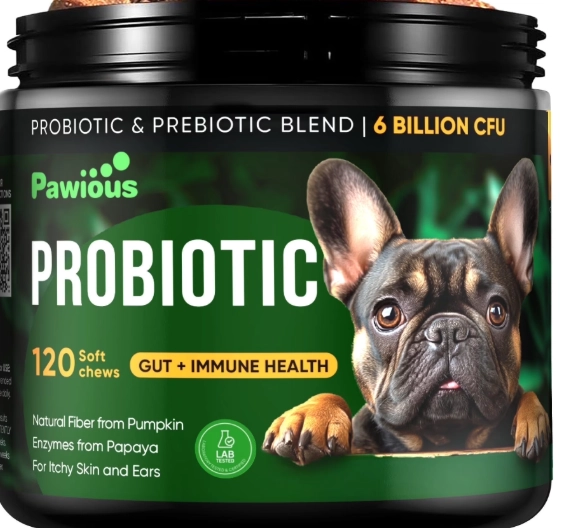
Common Probiotic Strains for Dogs and What They Do
Not all bacteria are created equal. Here’s a breakdown of some workhorses you’ll find in quality formulas.
| Strain | Primary Benefits | Good For |
|---|---|---|
| Lactobacillus acidophilus | General digestive support, helps with lactose digestion, supports immune function. | Overall gut balance, occasional loose stools. |
| Bifidobacterium animalis | Very robust, survives stomach acid well. Strongly associated with reducing diarrhea duration. | Acute diarrhea, antibiotic recovery. |
| Enterococcus faecium | Commonly studied in dogs. Enhances intestinal IgA (an immune antibody). | Immune support, puppy health. |
| Bacillus coagulans | A spore-forming bacterium. Extremely stable, doesn't need refrigeration. Survives stomach acid easily. | Travel, convenience, for owners who might forget to refrigerate. |
| Saccharomyces boulardii | Actually a beneficial yeast, not a bacteria. Excellent for combating pathogenic diarrhea. | Severe diarrhea, managing Clostridium difficile. |
Giving Probiotics to Your Dog: Practical Tips and Timing
You've bought a good product. Now, don't undermine it.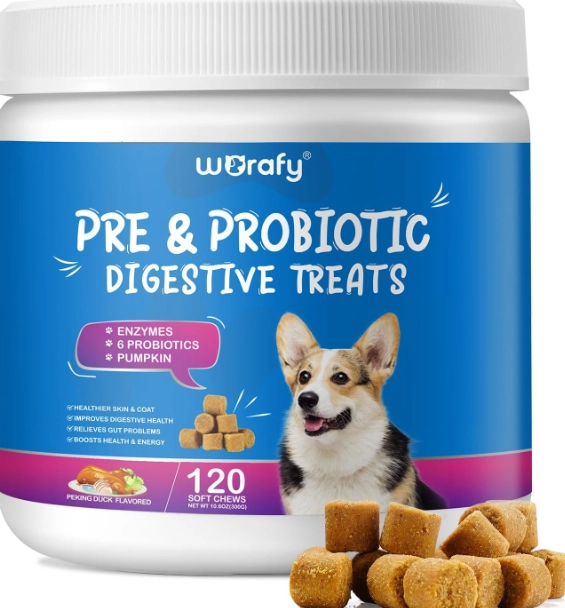
With or Without Food? The advice varies, but giving probiotics with a small meal is generally a safe bet. The food can help buffer stomach acid, giving the bacteria a better chance to reach the intestines alive. Check your product's label for specific instructions.
Timing with Antibiotics: This is crucial. Give the probiotic dose at least 2-3 hours apart from the antibiotic dose. If you give them together, the antibiotic will just kill the probiotic you just paid for. Space them out.
Be Patient: For chronic issues, don't expect overnight miracles. It can take 2-4 weeks of consistent use to see noticeable changes in skin or long-term digestive health.
Mixing: Powders can be mixed with wet food. For picky eaters, a little plain yogurt or pumpkin can help. For capsules, you can open them and sprinkle the contents on food.
What Are the Side Effects of Probiotics for Dogs?
They're generally very safe. But introducing new bacteria can cause a brief period of adjustment.
The most common side effect is mild gas or bloating for the first few days. This usually subsides as the gut adjusts.
In rare cases, dogs with severely compromised immune systems or those critically ill could be at risk for infection from the probiotics themselves. This is why it's always smart to mention probiotic use to your vet, especially if your dog has a complex medical history.
Start low, go slow.
If you're worried, start with half the recommended dose for a few days before moving to the full dose. This gives the microbiome time to adjust gently.
Your Probiotics Questions, Answered
Related Articles