The Smartest Canine Breed Revealed: Intelligence, Traits & How to Choose
Quick Navigation
- What Does "Smartest" Even Mean for a Dog?
- The Top Tier: Breeds That Consistently Ace the Tests
- It's Not Just About Breed: The Intelligence Wild Cards
- How to Choose the *Right* Smart Breed for You
- Living With & Training a Highly Intelligent Dog
- Common Questions About the Smartest Canine Breeds
- The Takeaway: It's About Partnership, Not Just a Ranking
It's a question that pops up all the time in dog parks, online forums, and between potential pet owners: which dog is the smartest canine breed? We've all heard the usual suspects – Border Collies, Poodles, German Shepherds. But slapping a "number one" label on a breed and calling it a day does a massive disservice to both the dogs and the people looking for them. Dog intelligence isn't a single, simple score like an IQ test. It's messy, multifaceted, and wonderfully complex.
I remember chatting with a friend who got a famously "brilliant" dog, only to be driven up the wall because the dog was smarter than his training plan. The dog wasn't disobedient; it was bored. It had figured out the routine faster than my friend could invent new ones. That's the double-edged sword of canine genius.
So, instead of just giving you a list, let's dig into the whole picture. What makes a dog "smart"? Is it the one that obeys commands fastest, the one that solves puzzles, or the one that seems to read your mind? We'll look at the top contenders, sure, but more importantly, we'll break down the types of intelligence and what that intelligence demands from you, the owner.
The Core Idea: Ranking the smartest dog breed is helpful, but it's just the starting point. The real goal is to match a dog's specific brand of brilliance with an owner's lifestyle, patience, and commitment. A mismatched smart dog is a recipe for frustration (and chewed furniture).
What Does "Smartest" Even Mean for a Dog?
This is where we need to clear the air. When most people talk about the most intelligent canine, they're usually referring to what psychologists call "working and obedience intelligence." It's how quickly a dog learns commands from humans and how reliably it obeys them. This is the basis of the famous ranking by psychologist Stanley Coren, author of The Intelligence of Dogs. His work, which involved surveys from hundreds of dog obedience judges, is a cornerstone of how we discuss this topic. You can explore his methodology and findings in detail on his official website.
But that's only one slice of the pie.
Three Flavors of Canine Smarts:
- Instinctive Intelligence: What the dog was bred to do. A Border Collie's herding stare, a Retriever's soft mouth, a Beagle's relentless nose. This is hardwired brilliance.
- Adaptive Intelligence: How well a dog solves problems on its own. Figuring out how to open a gate, finding the hidden treat, learning from past experiences. This is the "street smarts" of the dog world.
- Working/Obedience Intelligence: The ability to learn from humans. This is the one most排行榜 focus on, and it's crucial for training.
A dog can be a genius in one area and just average in another. A Siberian Husky, for example, might have incredible adaptive intelligence (escape artists, anyone?) but can be famously stubborn when it comes to obedience. Does that make them less intelligent? Not really. Just differently intelligent.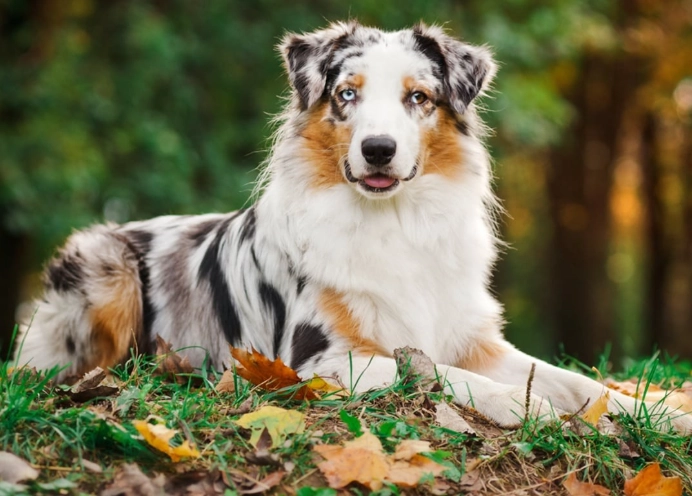
The Top Tier: Breeds That Consistently Ace the Tests
Alright, let's get to the list everyone expects. Based on that working/obedience intelligence metric, certain breeds consistently rise to the top. These dogs typically learn a new command in fewer than five repetitions and obey the first time you give it 95% of the time or more. They're the overachievers of the dog world.
Here’s a breakdown of the elite group, the ones you'll always see in the conversation for the title of smartest canine breed.
| Breed | Core Intelligence Traits | The "But" (The Reality Check) | Best For Owners Who... |
|---|---|---|---|
| Border Collie | Unmatched focus, problem-solving, work ethic. The quintessential herder with intense eye contact. | Can have obsessive tendencies, needs a job (not just a walk) constantly. Prone to anxiety if under-stimulated. | Are extremely active, want a canine partner for sports (agility, frisbee), have a lot of time for mental games. |
| Poodle (All Sizes) | Incredibly eager to please, quick learners, excellent memory. Often top in obedience trials. | Require regular grooming, can be sensitive or develop "small dog syndrome" if not trained well. | Want a trainable, versatile family dog that's also (often) hypoallergenic. |
| German Shepherd Dog | Courage, loyalty, and versatile working ability. Excellent at complex, multi-step tasks. | Need strong, consistent leadership. Can be prone to protective instincts and health issues (hips). | Are confident leaders, want a protective family member, interested in advanced training/work. |
| Golden Retriever | Biddable, friendly, and socially intelligent. Excellent at reading human emotions and intent. | Can be overly friendly, mouthy as puppies, shed a lot. Motivation is often food or praise-based. | Want a gentle, predictable family dog that's relatively easy to train for basics. |
| Doberman Pinscher | Fearless, alert, and deeply loyal. Combines sharp intelligence with strong guarding instincts. | Requires extensive early socialization. Can be aloof with strangers. Needs a firm, loving hand. | Want an intelligent guardian, are committed to thorough socialization, enjoy a powerful breed. |
Looking at that table, you see the pattern, right? Raw intelligence is almost always bundled with high energy and high needs. A smart dog is like a powerful computer processor – it needs good software (training) and constant, interesting data (activity) to run properly. Leave it idle, and it'll find its own tasks, which you probably won't appreciate.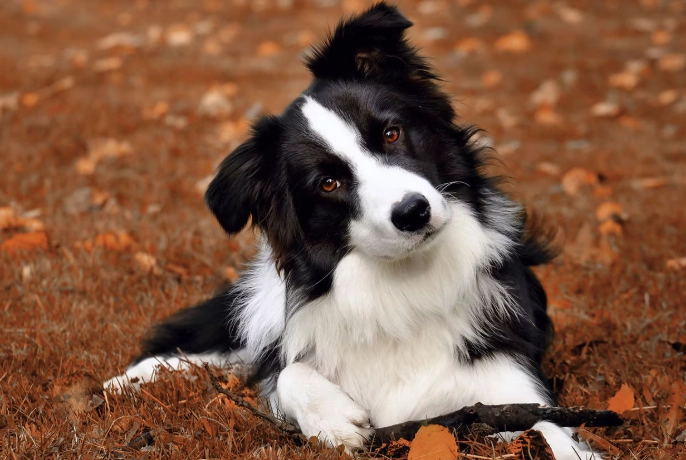
Beyond the Obvious: Other Brilliant Contenders
The list doesn't stop at five. Shetland Sheepdogs, Labrador Retrievers, Papillons, and Rottweilers are all powerhouse brains in their own right. Even breeds not in the absolute top ten, like the Australian Cattle Dog or the Miniature Schnauzer, possess sharp, focused intelligence tailored to their original jobs.
I've always been impressed by Papillons. For such a tiny dog, the processing power is astonishing. They're little feathery-eared Einsteins, excelling in agility despite their size. It goes to show that physical stature has little to do with mental capacity.
It's Not Just About Breed: The Intelligence Wild Cards
Here's a personal opinion that might ruffle some feathers: while breed gives you a strong probability, it's not an absolute guarantee for every individual. I've met Border Collies that were a bit spacey and Bulldogs that could solve puzzle toys with shocking speed. Genetics load the gun, but environment and individual personality pull the trigger.
Factors That Influence Your Dog's Displayed Intelligence:
- Early Socialization & Exposure: A puppy exposed to various sights, sounds, and surfaces develops better problem-solving skills. The American Veterinary Society of Animal Behavior has great resources on why this is critical on their website.
- Training Method: A positive, engaging trainer can unlock potential a harsh one will shut down.
- The Owner's Consistency: A smart dog will quickly learn what it can get away with if rules are fuzzy.
- Individual Drive: Some dogs are more food-motivated, others by toys or praise. Finding the key motivates learning.
So, if you get a puppy from a breed known as the smartest canine breed, you're getting potential. It's your job to develop it.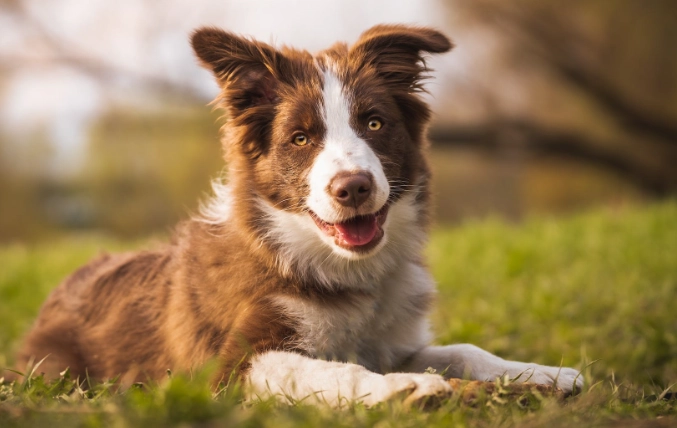
How to Choose the *Right* Smart Breed for You
This is the most important section. Don't just pick the number one ranked dog. Have a brutally honest conversation with yourself.
Ask yourself:
- Activity Level: Are you a marathon runner or a weekend couch enthusiast? A Border Collie needs miles of running and herding games. A Poodle might be happier with long walks and trick training sessions.
- Time for Training: Smart dogs need short, daily training sessions throughout their lives, not just a 6-week puppy class.
- Patience for Problems: A smart dog that's bored will invent games like "how many socks can I steal" or "let's redecorate the couch." Can you handle that creatively?
- Household Environment: Busy, chaotic family? A sensitive, brilliant dog might get overwhelmed. Look for breeds with steadier nerves.
Be realistic, not aspirational.
For most people, a breed in the "excellent working dogs" tier (like a Shetland Sheepdog or a Spaniel) might be a better fit than the ultra-intense, needs-a-job-every-second breeds at the very pinnacle. Their intelligence is still incredibly high but often packaged with a slightly more manageable off-switch.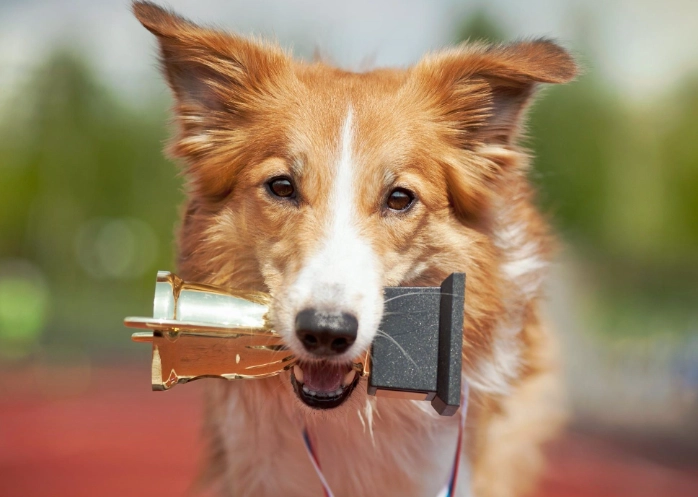
Living With & Training a Highly Intelligent Dog
Okay, you've chosen your brilliant companion. Now what? Life with a genius is different.
Training Philosophy: Ditch the mindless repetition. They get bored. Use variable rewards, keep sessions short and fun, and always end on a success. Think of it as teaching a gifted student – you need a good curriculum.
Mental Stimulation is Non-Negotiable:
- Food Puzzles & Snuffle Mats: Make them work for every meal.
- Nosework/Scent Games: Hiding treats or toys for them to find. Taps into instinctive intelligence.
- New Tricks & Commands: Always be teaching something new, even if it's silly.
- Regular Environmental Changes: New walking routes, visits to pet-friendly stores.
Job Creation: Give them a purpose. For a retriever, it's fetching the newspaper. For a herding breed, it could be rounding up the kids for dinner or learning a complex agility course. The American Kennel Club's website is a treasure trove of ideas for canine sports and activities that suit different breeds' intelligences.
The biggest mistake? Assuming physical exercise is enough. A tired smart dog is just a physically tired smart dog with a brain still buzzing. You need to tire the mind.
Common Questions About the Smartest Canine Breeds
Let's tackle some of the specific things people are secretly searching for when they ask about dog intelligence.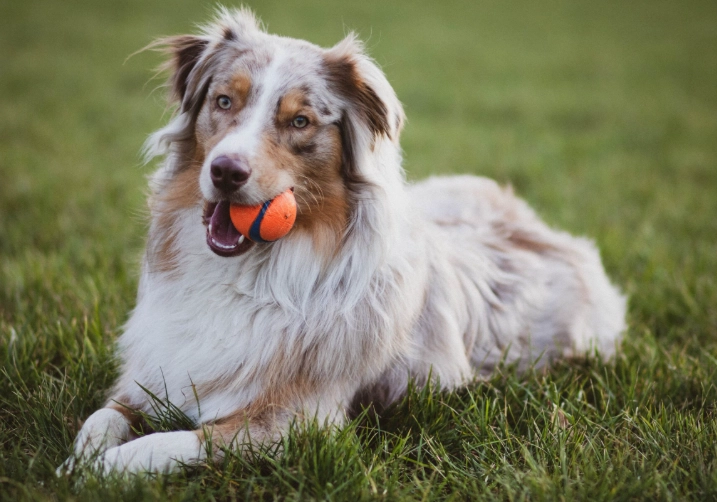
Are smarter dogs easier to train?
Yes and no. They learn commands faster, which feels easier initially. But they also learn your bad habits and loopholes faster. Training must be more consistent and thoughtful. A less "smart" dog (by obedience standards) might be more straightforward and willing to please without as much independent analysis.
Do intelligent dogs make better family pets?
Not automatically. Their suitability depends entirely on the family's lifestyle. A high-drive, intelligent herding dog might try to herd small children by nipping at their heels. A smart, sensitive dog might struggle in a loud, unpredictable household. A biddable, socially intelligent breed like a Golden Retriever often fits the "family pet" mold better than the absolute top-ranked working breed.
Can you make a dog smarter?
You can't change its innate potential, but you can absolutely maximize it. Early enrichment, positive training, and constant mental challenges allow a dog's intelligence to fully express itself. It's the difference between a gifted child who goes to a good school versus one who doesn't get the right support.
What's the smartest small dog breed?
Papillon consistently ranks as one of the most intelligent dog breeds, period, not just among small dogs. Miniature and Toy Poodles are also right up there. Don't underestimate small packages.
Is there a downside to having a very smart dog?
Absolutely. Boredom and frustration can lead to anxiety, destructive behavior, and obsessive-compulsive tendencies (like shadow chasing or endless barking). They require more of your time, energy, and creativity. It's a high-maintenance relationship.
The Takeaway: It's About Partnership, Not Just a Ranking
Chasing the title of smartest canine breed is a fun intellectual exercise, but it's a terrible sole reason to choose a dog. The breeds at the top are there for a reason – they are phenomenal partners for the right person. That person is usually someone who sees dog ownership as a primary hobby, not a side activity.
For the average person wanting a wonderful, trainable companion, looking just outside the very top tier might reveal the perfect match – a dog with more than enough intelligence to learn everything you want to teach, but with a temperament that fits more seamlessly into daily life.
Do your research. Be honest about your life. Meet dogs of the breeds you're considering. Talk to owners, not just breeders. Ask them about the challenges, not just the virtues. Because when you find the right match, where the dog's intelligence complements your life, that's when you get something truly special – not just a smart dog, but a deeply connected, understanding friend who just happens to be a member of one of the smartest canine breeds on the planet.
And that’s a lot better than just having a dog that can do a lot of tricks.
Related Articles