The Complete Crested Gecko Care Guide: From Setup to Bonding
So you're thinking about bringing one of these little guys home? Good choice. Crested geckos, or Correlophus ciliatus if you want to get scientific, have this way of winning people over. They've got these big, curious eyes and a smile that seems permanently etched on their face. I remember when I got my first one, I spent hours just watching it explore a leaf. But here's the thing everyone forgets to mention at the pet store: bringing home a crested gecko reptile isn't just about buying a cool pet. It's a commitment to recreating a tiny slice of New Caledonian rainforest in your living room. And that's where most guides fall short. They give you the basics—get a tank, some food, keep it warm—and call it a day. But what about the humidity spikes at night? Or what to do when your gecko decides it hates crickets? We're going to dig into all of that. This isn't just a care sheet. It's the manual I wish I had when I started, filled with the kind of practical, no-nonsense advice that comes from actually living with these animals. Let's be real, nobody wants a sad gecko. The biggest mistake is getting one because they're "easy" and "low maintenance." Compared to a dog? Sure. But they're not a decoration. They're living creatures with specific needs. So, who are crested geckos reptiles perfect for? And who might want to think twice? If you're looking for a pet to cuddle on the couch for hours, this isn't it. Handling is possible and even enjoyable, but it's on their terms, in short sessions. They're more "look but don't constantly touch" pets. This is where your success is truly determined. In the wild, these are arboreal reptiles, meaning they live in trees. Your tank needs to be a vertical playground, not a horizontal desert. A single adult crested gecko reptile needs, at a bare minimum, a 20-gallon tall tank. But honestly, that minimum feels cramped. I'm a firm advocate for starting with an 18x18x24 inch enclosure (about 30 gallons) or larger. More space means better temperature and humidity gradients, more room for exploration, and a less stressed animal. Screen tops are great for ventilation, but in dry climates, you might lose humidity too fast. Glass terrariums with front-opening doors are fantastic—they're easier to access and tend to hold humidity better. Think about it from their perspective. Would you rather live in a studio apartment or a two-story townhouse with lots of nooks? Exactly. This trio is the foundation of reptile care, and getting it wrong is the fastest path to health problems. Temperature: Crested geckos are chill. Literally. They thrive at room temperature, between 72-78°F (22-25.5°C) during the day. At night, a drop to 65-72°F (18-22°C) is perfectly fine and even natural. Avoid heat lamps directly over the tank. If your house is consistently below 65°F, a low-wattage ceramic heat emitter or a heat pad on the side (never the bottom) of the tank, connected to a thermostat, is essential. Overheating is a much bigger danger than being slightly cool. Lighting: They don't require specialized UVB lighting if their diet is properly supplemented with calcium and D3. However, many advanced keepers and studies, like those referenced by the Journal of Herpetology, suggest low levels of UVB can be beneficial for long-term health, aiding in calcium metabolism and promoting natural behaviors. If you go this route, a low-output, linear UVB tube (like a 5.0 or 2% strength) placed over the screen top for 10-12 hours a day is plenty. A simple LED plant light on a timer works wonders for any live plants you add and helps establish a day/night cycle. Humidity: This is the tricky one. You need a cycle. Aim for 50-60% humidity during the day. Then, at night, you need to spike it up to 70-80% to mimic the dew and fog of their natural habitat. This nightly spike is crucial for hydration and shedding. How do you do it? A heavy misting with a spray bottle right after lights go out. The tank should feel moist, with water droplets on the leaves and glass. By morning, it should be drying back down to the daytime range. A digital hygrometer (not the cheap analog dials) is a must-buy to monitor this. The floor of your tank and what you put in it matters just as much as the temperature. Substrate (The Flooring): For beginners, paper towel is the safest, easiest-to-clean option. It's boring but effective. For a more natural, bioactive, or planted setup, you need a mix that holds moisture but doesn't stay soggy. Here’s a quick comparison: Decor (The Furniture): This is the fun part. Your goal is to create a 3D highway. Use a variety of branches, vines, and cork bark tubes arranged at different angles. Provide more hiding places than you think you need—cork flats against the glass, dense foliage, commercial hides. Live plants like Pothos, Snake Plants, and Bromeliads are fantastic. They look great, help with humidity, and provide hiding spots. Just make sure they're non-toxic and pesticide-free. The diet is one of the biggest reasons these reptiles are recommended for beginners. But "easy" doesn't mean "set it and forget it." The staple of their diet should be a commercial crested gecko diet (CGD) powder. Brands like Repashy or Pangea are the gold standard. You mix this powder with water to a ketchup-like consistency. It's a complete meal, formulated with fruits, proteins, vitamins, and calcium. Offer a fresh batch of this every other night. It's that simple. But here's where you can level up. Live insects are an excellent source of enrichment and extra protein, especially for growing juveniles and breeding females. Offer appropriately sized gut-loaded crickets, dubia roaches, or black soldier fly larvae once or twice a week. "Gut-loaded" means the insects have been fed nutritious food before being fed to your gecko. Dust them with a calcium supplement (without D3 if you're using UVB, with D3 if you're not). My gecko, for the longest time, would ignore crickets. I tried different sizes, different times of day. Nothing. Then I tried a small dubia roach. Instant interest. Sometimes it's about finding their preference. Fresh, chlorine-free water in a shallow dish should always be available, though they often prefer to drink droplets from leaves after misting. A healthy crested gecko reptile is alert, has clear, bright eyes, a plump tail (their fat storage), and a good appetite. They should shed their skin in one complete piece, especially around the toes. Here are the red flags: The best resource for understanding reptile health is the American Veterinary Medical Association (AVMA), which can help you locate a qualified reptile/exotic vet in your area. Find one before you have an emergency. Crested geckos have personalities. Some are bold, some are shy. They communicate through body language. A slow, deliberate head bob is often a curious "hello." A quick, jerky movement might be stress. And the famous tail drop? It's a defense mechanism. Unlike some lizards, theirs doesn't grow back. A tailless crested gecko (called a "frogbutt") is perfectly healthy, just a bit less elegant in the climbing department. Handling is about patience. Never grab them. Let them walk onto your hand. Start with short, 5-10 minute sessions a few times a week, ideally in a small, secure area where they can't leap onto the floor (they will jump). Be calm and move slowly. Some never truly enjoy it, but most will tolerate it well. The goal is stress-free interaction, not forcing them to be a pocket pet. It happens. You get two geckos, and before you know it, you have eggs. It's not overly complex, but it's a serious responsibility. Females can lay fertile eggs for months after a single mating. They need extra calcium. Eggs need to be incubated in slightly moist vermiculite or perlite. And then you have hatchlings that need their own setups and care. My personal view? Don't intentionally breed unless you have a plan for every possible hatchling, including the ones that don't sell, and you're working with healthy, genetically diverse animals to improve the captive population, not just create more. The market is often saturated. The world of crested gecko reptiles is deep and fascinating. This guide scratches the surface, but it gives you the foundation to build on. Remember, the best resource is always observation. Watch your gecko. Learn its habits. Adjust your care based on what it tells you. That's the real secret to success.My Gecko Care Essentials

First Things First: Is a Crested Gecko the Right Reptile for You?
Building the Perfect Crested Gecko Palace: The Terrarium
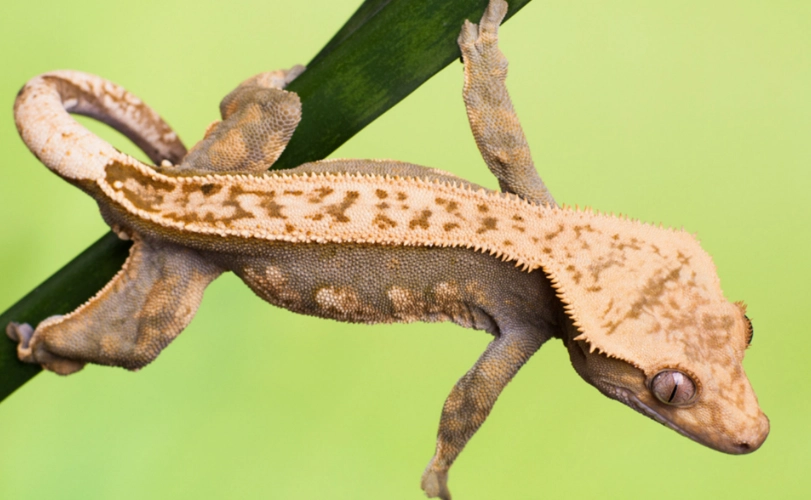
Tank Size and Type: Go Big or Go Home
The Non-Negotiables: Heat, Light, and Humidity
From the Ground Up: Substrate and Decor
Substrate Type
Pros
Cons
Best For
Paper Towel
Ultra-safe, easy to spot-clean, prevents impaction risk.
Looks unnatural, doesn't hold humidity well.
Quarantine, beginners, sick geckos.
Coconut Fiber (Eco Earth)
Natural look, holds humidity excellently, diggable.
Can be dusty when dry, may stick to food.
Most naturalistic setups, holds plants well.
Orchid Bark/Fir Bark Mix
Great for drainage, resistant to mold, natural.
Large pieces can be a hazard for feeders.
Bioactive setups, planted terrariums.
Commercial Bioactive Mix
Self-cleaning with clean-up crews, promotes plant health.
Most expensive, requires setup knowledge.
Advanced keepers wanting a low-maintenance ecosystem.
Feeding Your Crested Gecko Reptile: It's Not Just Bugs
The Supplement Schedule (Keep it Simple)
Health and Wellness: Reading the Signs
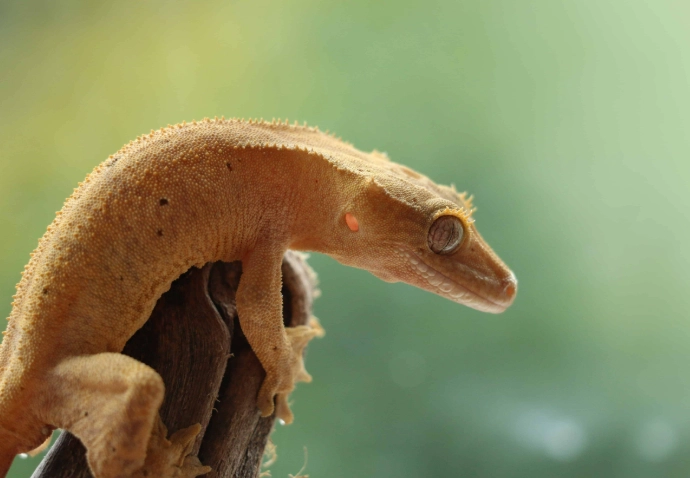
Behavior, Handling, and Building Trust
Breeding Crested Geckos: A Quick Reality Check
Your Crested Gecko Reptile Questions, Answered