Terrier Dogs: The Complete Guide for Owners & Enthusiasts
Let's talk terriers. If you've ever met one, you know they're not your average lapdog. There's a spark in their eyes, a spring in their step, and a stubbornness that can make you laugh and pull your hair out in equal measure. I've shared my life with terriers for over a decade, and the biggest mistake I see? People get a terrier expecting a placid, decorative pet. What they get is a four-legged tornado of determination wrapped in a charming, often wiry, package. This guide isn't just a list of breeds. It's a deep dive into the terrier mindset, the care they really need, and how to decide if your home is ready for their unique brand of chaos and loyalty.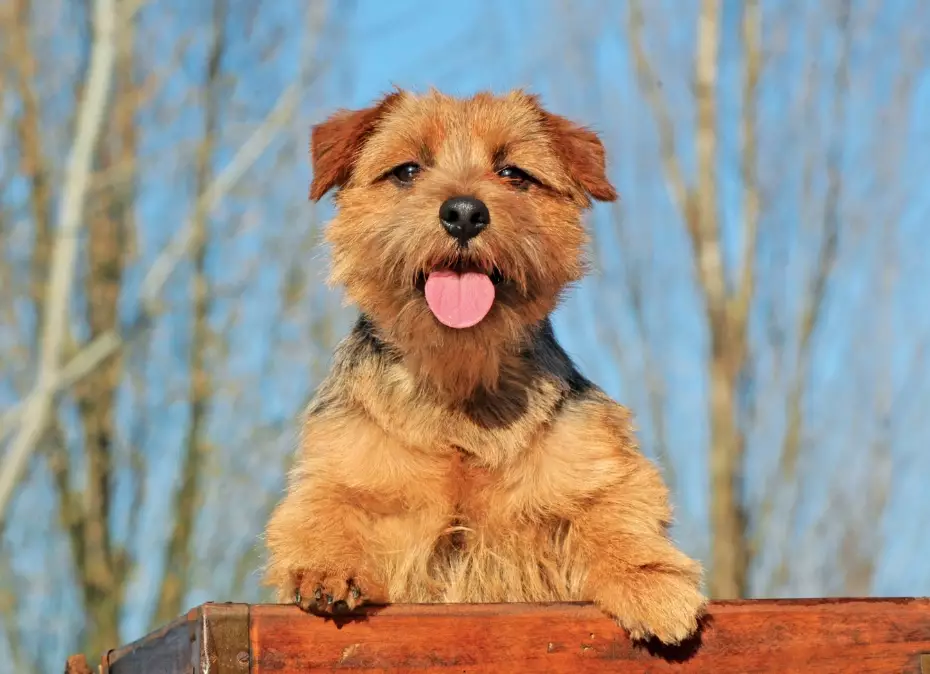
What’s Inside This Terrier Guide?
What Exactly Makes a Dog a Terrier?
The word "terrier" comes from the Latin "terra," meaning earth. That's your first clue. These dogs were bred to go to ground—to dig, chase, and confront vermin like rats, foxes, and badgers in their own dens. This original job description is etched into their DNA and explains nearly everything about them.
Think about it. To bolt a fox from its hole, a dog needs courage bordering on recklessness. It needs to be independent enough to make decisions underground, away from its handler. It needs a high prey drive and relentless energy. And it needs a coat that can protect it from thorns, dirt, and weather. That's your terrier blueprint: brave, independent, energetic, and tenacious.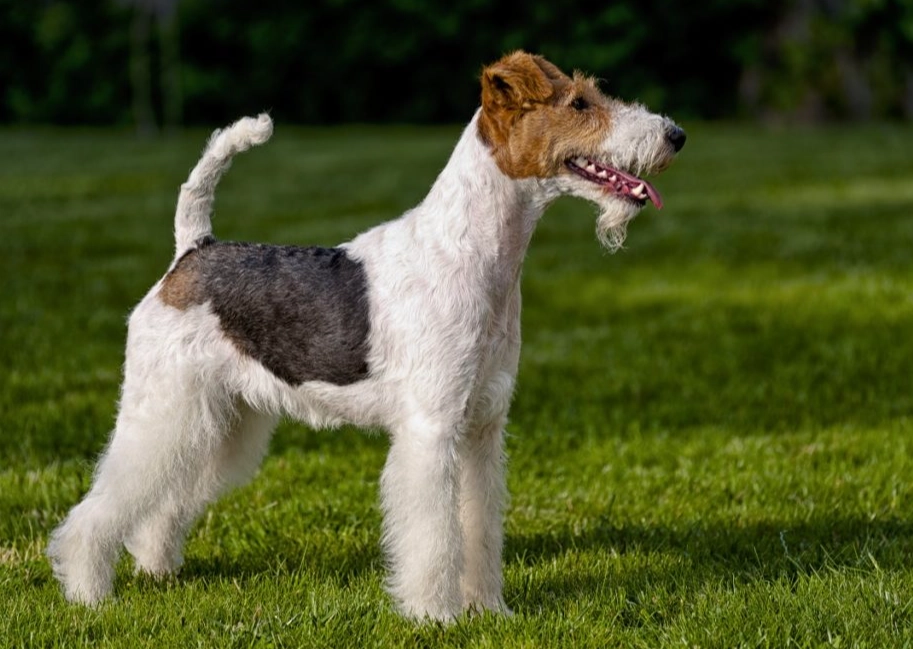
Key Takeaway: You can't train the "terrier" out of a terrier. You can manage it, channel it, and work with it, but that core drive is always there. A well-trained terrier is a focused partner, not a subdued robot.
This history creates a specific terrier temperament. They are often described as "big dogs in small bodies," which is accurate. They carry themselves with a confident, sometimes cocky, attitude. They are fiercely loyal to their families but can be aloof or scrappy with strange dogs. Their intelligence is problem-solving intelligence, not necessarily obedience intelligence. They'll figure out how to open the pantry door long before they see the point in rolling over on command.
A Look at Popular Terrier Dog Breeds
Not all terriers are the same. The group splits roughly into long-legged types (like the Airedale) bred to run above ground, and short-legged types (like the Scottie) bred to dig and follow prey into burrows. Coat types vary wildly too, from the tight wire of a Border Terrier to the silky hair of a Yorkshire Terrier. Here’s a breakdown of some of the most popular terrier dog breeds, focusing on what living with them is actually like.
| Breed | Size & Coat | Energy & Exercise Needs | Key Personality Trait | Best For |
|---|---|---|---|---|
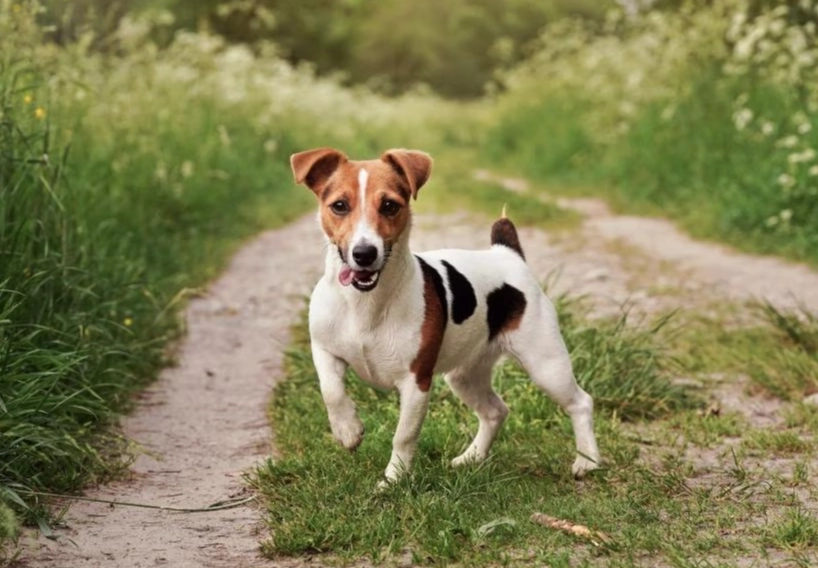
| Jack Russell Terrier | Small (13-17 lbs), smooth or rough coat | Extremely high. Needs vigorous daily activity + mental work. | Relentless, fearless, athletic. The ultimate "busy" dog. | Highly active individuals, sport homes, experienced owners. |
| Scottish Terrier | Small (18-22 lbs), wiry double coat | Moderate. Good daily walk, but not a marathon runner. | Dignified, independent, reserved with strangers. A true character. | Those who appreciate a loyal, somewhat aloof companion. |
| West Highland White Terrier | Small (15-20 lbs), harsh white double coat | Moderate to high. Enjoys play and exploration. | Cheerful, confident, stubborn. Less intense than a JRT. | Families (with older kids), first-time terrier owners. |
| Border Terrier | Small (11.5-15.5 lbs), wiry, loose-fitting coat | High. Bred to follow horses, so needs stamina. | Good-natured, less scrappy, adaptable. Often called the "softest" terrier. | Active families, those wanting a terrier with a slightly easier temperament. |
| Yorkshire Terrier | Toy (4-7 lbs), long, silky hair | Moderate. Playful but doesn't need vast space. | Bossy, affectionate, bold. Don't let the size fool you. | Apartment dwellers, owners committed to coat care. |
That table gives you the specs, but let me add some color. My first terrier was a rescue Jack Russell mix. The shelter said he was "energetic." That was the understatement of the century. He could clear a 4-foot fence from a standstill and once dug a hole under the fence so efficiently it looked like a professional landscaping job. He wasn't malicious; he was just following 150 years of breeding to hunt and explore. A Westie I later lived with was different—still stubborn, still loved to bark at squirrels, but her intensity was more... focused. She'd demand cuddles on her terms, then go patrol the yard.
The American Kennel Club recognizes over 30 terrier breeds, each with nuances. The Airedale, the "King of Terriers," is large and versatile. The Soft Coated Wheaten Terrier is known for its friendly, happy-go-lucky nature (and that beautiful coat). The point is, you have options.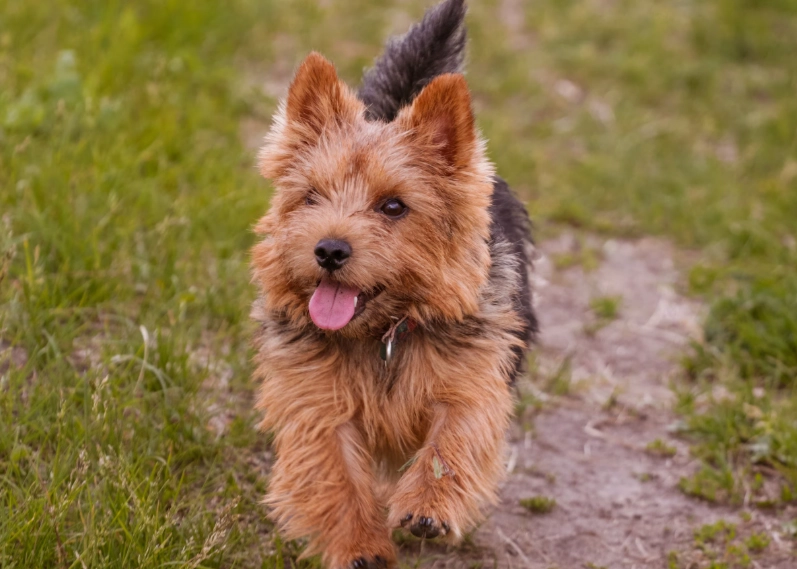
The Real Challenge: Training a Terrier Dog
This is where most people hit a wall. Terrier training isn't about dominance. It's about negotiation and motivation. They ask, "What's in it for me?" And if the answer isn't compelling, they'll politely (or not so politely) decline.
Forget Standard Obedience, Think Partnership
You won't get far with repetitive drills. They get bored. Instead, make it a game. Use their natural drives. Food motivation is usually strong, but it has to be high-value. That bland kibble won't cut it when there's a fascinating smell outside. Try cheese, chicken, or liver.
Recall is the toughest command. When a terrier is on a scent, the world disappears. Start recall training in a boring, enclosed space and make coming to you the most exciting thing that could happen—treats, praise, a favorite toy. Never call them to you for something they perceive as negative (like ending a fun walk), or you'll poison the command.
The Barking and Digging Dilemma
These are natural behaviors. You can't eliminate them; you must manage and redirect.
For barking, first identify the trigger. Is it the mailman? A passing dog? Work on desensitization. For digging, provide an approved digging pit—a sandbox or a designated corner of the yard filled with loose soil. Bury toys and treats there to make it the most rewarding spot. When my Jack Russell started digging near the fence, I'd redirect him to his pit with a cheerful "Where's your treasure?" and help him dig up a hidden chew bone. It worked about 70% of the time. The other 30%? Well, my garden suffered.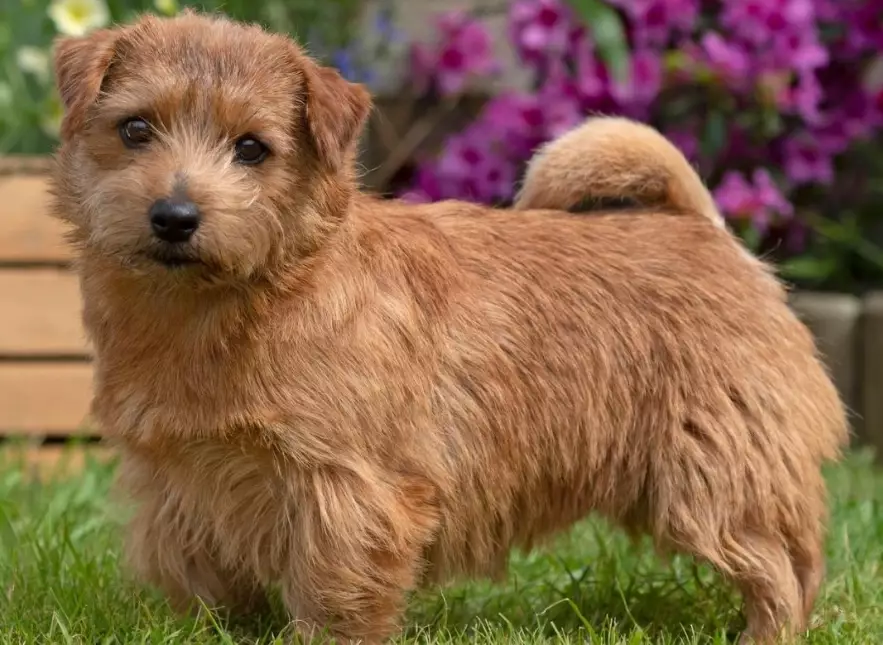
Terrier Health and Care Needs
Generally, terriers are robust, long-lived dogs. But they have some breed-specific tendencies. Regular vet check-ups are non-negotiable. According to health surveys from organizations like the Orthopedic Foundation for Animals (OFA), certain conditions pop up more often.
- Skin Allergies: Common in breeds like Westies and Scotties. You might see itching, hot spots. Often managed with diet, supplements, or medication.
- Luxating Patellas: A knee cap that slips out of place, especially in smaller breeds like Yorkies. Keep them at a healthy weight to reduce stress on joints.
- Legg-Calvé-Perthes Disease: A degeneration of the hip joint, seen in some small terriers like Westies and Cairns.
- Dental Issues: Small jaws can mean crowded teeth. Daily brushing or dental chews are a must.
Grooming varies massively. A smooth-coated Jack Russell needs little more than a weekly brush. A Yorkie's floor-length coat requires daily brushing to prevent mats. Wire-haired breeds like Borders and Scotties need hand-stripping a few times a year to maintain their harsh, protective texture—clipping ruins it, making the coat soft and woolly. This is a grooming commitment many new owners don't anticipate.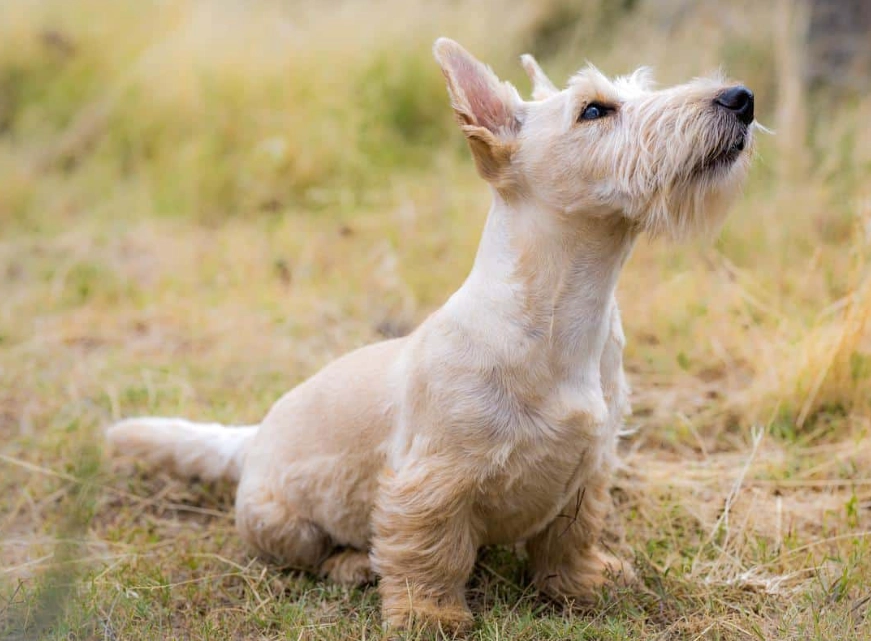
How to Choose the Right Terrier for You
Be brutally honest with yourself. Don't pick a breed because it's cute in a movie.
Ask these questions:
- Activity Level: Are you a couch potato or a daily hiker? A Border or Jack Russell will destroy your house out of boredom if you're the former.
- Patience Quotient: How do you handle stubbornness? If you get frustrated easily, a terrier will test you.
- Home Environment: Do you have a secure, well-fenced yard? Apartment living can work (I've done it), but it means more structured outdoor time.
- Other Pets: Do you have cats, rabbits, or small dogs? Many terriers have a high prey drive and may never be safe around them.
- Grooming Budget: Can you afford professional grooming every 6-8 weeks for a coated breed?
My advice? Contact a breed-specific rescue group. The volunteers live with these dogs and know their quirks intimately. They can match you with an adult dog whose personality is already known, bypassing the puppy guesswork. A reputable breeder will also grill you about your lifestyle to see if you're a good fit.
Your Terrier Questions Answered
Are terrier dogs good with children?
It depends heavily on the breed, the individual dog, and the child's age. Terriers like Borders and Westies often do well in families with respectful, older children. They generally don't tolerate rough handling, poking, or tail-pulling. A terrier will give a clear warning (a growl, a snap) if bothered, which is why supervision is absolutely critical. Never leave any dog, especially a terrier, alone with a young child.
My terrier barks at everything. What can I do?
First, manage the environment. Block visual access to the street with window film or by closing blinds. For alert barking (like the doorbell), teach an incompatible behavior. Keep treats by the door. When the bell rings, immediately call your dog to you, ask for a "sit," and reward heavily. You're replacing the barking job with a "go to your spot and sit" job. It takes consistency, but it changes the pattern.
 Which terrier breeds are considered hypoallergenic?
Many terriers are promoted as such because they have hair that grows continuously (like human hair) rather than fur that sheds in cycles. This includes the Soft Coated Wheaten Terrier, Yorkshire Terrier, and Kerry Blue Terrier. However, "hypoallergenic" is a bit misleading. Allergens come from dander (skin flakes) and saliva, not just hair. No dog is 100% allergen-free. Spending time with the breed you're considering is the only way to know how you'll react.
Why does my terrier suddenly dig or chase shadows?
This can be a sign of under-stimulation. A bored terrier invents its own work, which is often destructive. Increase their mental exercise: food puzzles, scent work games (hiding treats), short training sessions. If the behavior is obsessive (fixating on lights/shadows for hours), it could be a compulsive disorder, and a vet check is needed to rule out medical causes.
Is a terrier a good first dog?
For some very dedicated, active, and patient first-time owners, yes—a Border Terrier or a well-bred Westie might be okay. But for most people, no. Their independence and stubbornness are often mistaken for being "untrainable" by novices, leading to frustration and a dog in a shelter. If you're set on a terrier as a first dog, commit to puppy classes with a trainer experienced in working breeds and consider adopting an older, calmer adult from a rescue.
Related Articles